What options are available for post-processing and finishing of die cast parts?
Post-processing options for die-cast parts include trimming and deburring, machining, cleaning, blasting or tumbling, heat treatment where the alloy and process permit it, conversion coatings, anodizing for suitable aluminum substrates, plating, powder coating, liquid painting, impregnation where approved, marking, joining, assembly, and final testing. The right sequence depends on alloy, casting condition, function, appearance, geometry, production volume, and acceptance method.
Start with the problem the operation must solve
Do not select a finish from appearance alone. Define whether the requirement is dimensional fit, sealing, thread quality, corrosion protection, wear, electrical contact, insulation, thermal interface, cosmetic color, texture, cleanliness, identification, or assembly. One operation may improve one property while harming another.
For example, a coating can protect an external surface but interfere with threads, grounding pads, bearing fits, thermal contacts, or seal lands. Machining can create a precise bore but remove the cast skin and expose internal material. Blasting can prepare or blend a surface but alter appearance and edge condition. The drawing should identify zones and functions.
Compare options by function and risk
Operation | Typical purpose | Key checks before release |
|---|---|---|
Trim, deburr, tumble or blast | Remove gates, flash, sharp edges or prepare surface | Datum damage, edge limits, media retention, cosmetic texture |
CNC machining | Create functional datums, bores, faces, threads and seals | Stock, fixture, tool access, burr, exposed discontinuity, cleanliness |
Conversion treatment or anodizing | Selected corrosion, adhesion, electrical or appearance requirements | Alloy, cast/machined zones, cleaning, masking, contact, test method |
Plating | Decorative, corrosion, wear or electrical surface for suitable substrates | Activation, underlayers, porosity, thickness distribution, adhesion |
Powder coating or paint | Color, barrier protection and cosmetic coverage | Pretreatment, cure, film build, masking, rack marks, appearance standard |
Assembly and functional test | Deliver a controlled component or subassembly | Revision, cleanliness, torque/joining, orientation, leak or operation test |
Plan trimming, cleaning, and deburring
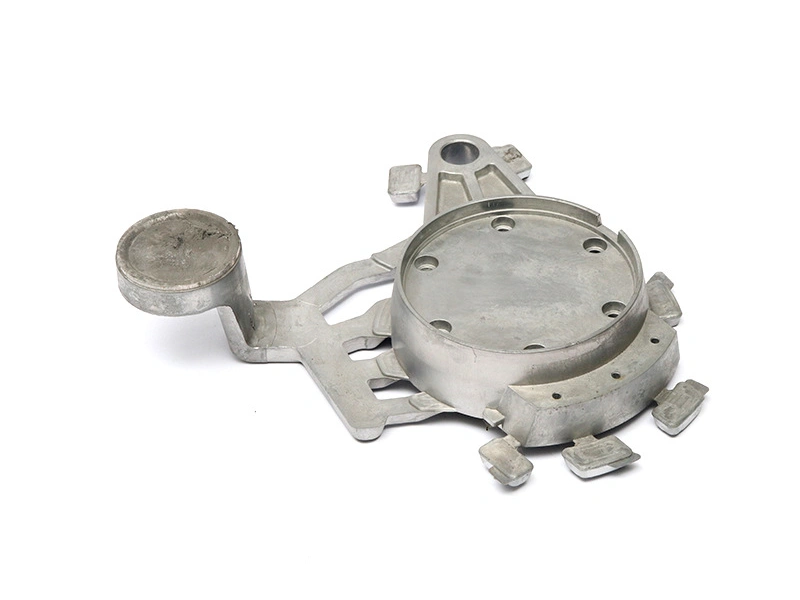
Every die casting requires removal from its feed and overflow system. Trim dies, sawing, machining, punching, manual methods, tumbling, and blasting can be combined according to geometry and rate. Define permitted witness, flash, edge break, burr, deformation, and cosmetic limits. Gate removal near a functional or visible surface needs special review.
Cleaning must remove chips, media, compound, oil, release agent, and residues to the level required by finishing or assembly. Blind passages and threads can retain debris. Specify cleanliness by a test or controlled method where contamination can affect valves, electronics, adhesive bonds, coatings, or fluid systems.
Integrate machining before tool release
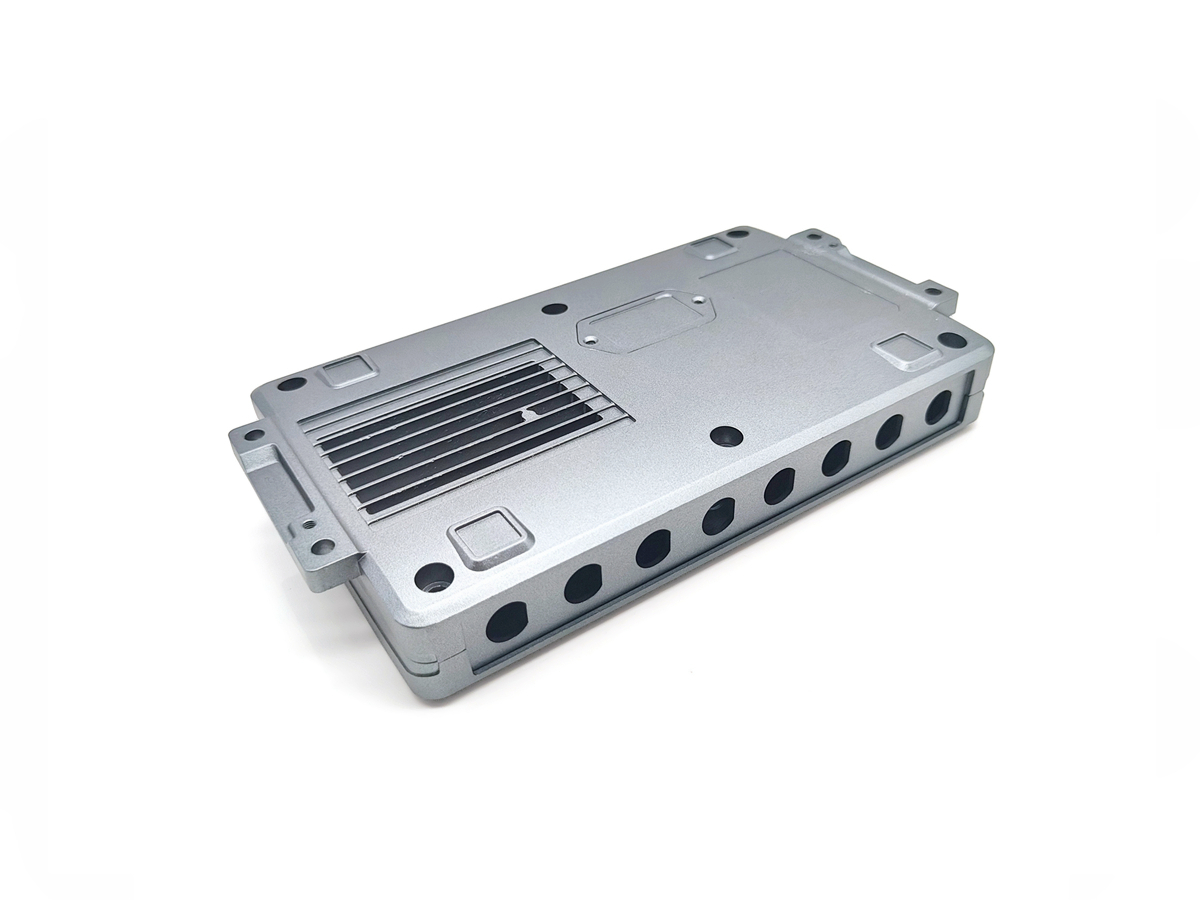
Post-machining can produce bearing seats, seal faces, precise holes, threads, datum pads, and mating interfaces. Plan raw stock, stable locating features, clamp access, operation order, cutter reach, gauging, and chip removal while the casting and die are being designed.
Separate as-cast and machined requirements. State the datum transfer, free or restrained measurement state, and whether final dimensions include coating. Review interrupted cuts, local hardness or material variation, tool wear, burrs, stock breakout, and the possibility of opening internal discontinuities on pressure-sensitive surfaces.
Choose surface treatment for the alloy
Surface treatment response depends on alloy chemistry, casting route, skin, porosity, heat exposure, machining, cleaning, and the finishing line. Anodizing may be evaluated for suitable aluminum castings, but alloy phases and cast/machined regions can affect color and uniformity. A decorative expectation needs representative samples.
Zinc die castings may use plating, conversion, paint, or powder systems selected for the product and substrate. Copper-based castings have their own cleaning, activation, tarnish, plating, and appearance considerations. Never assume a finish qualified on one alloy family transfers to another.
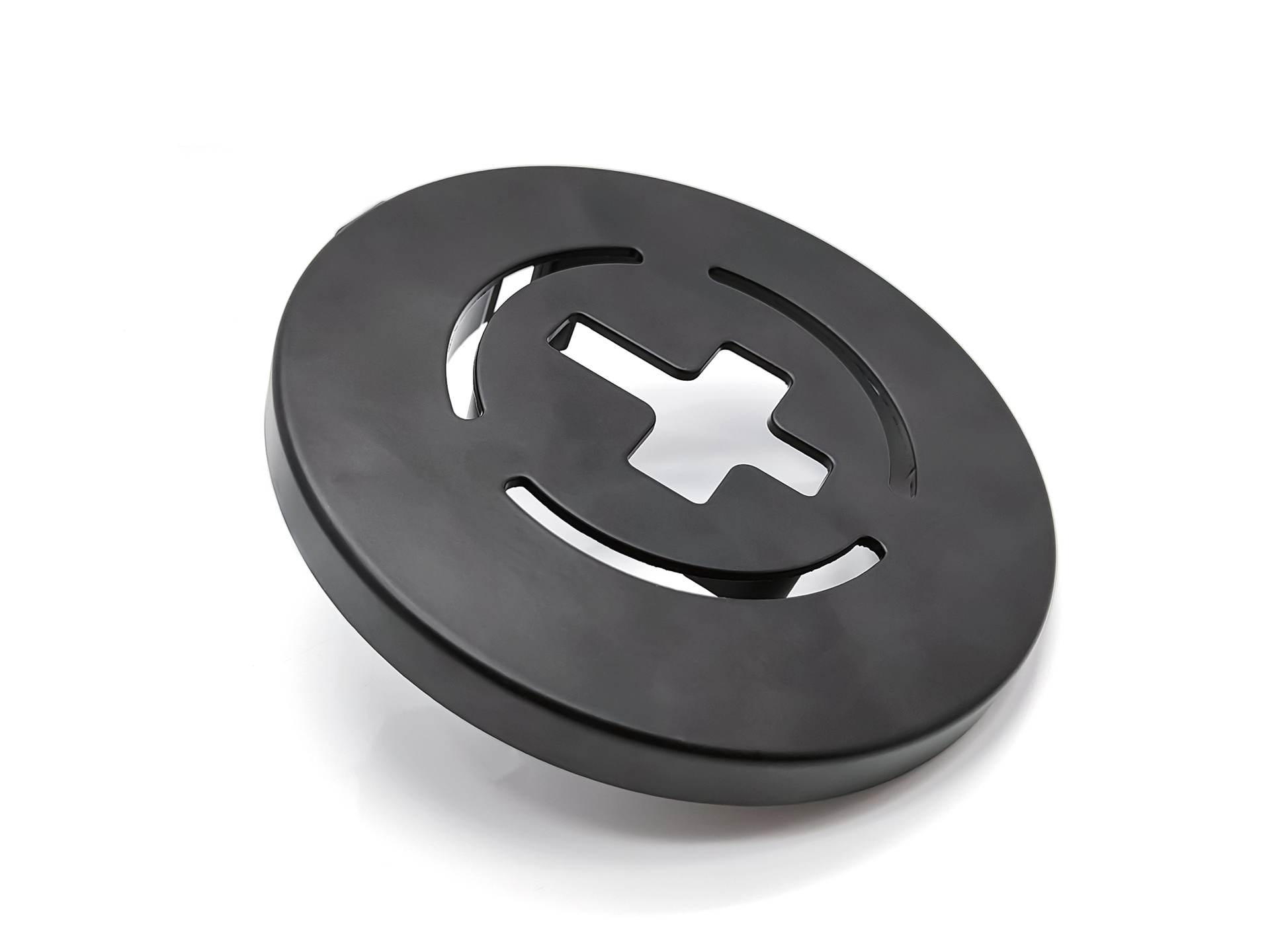
Powder coating and liquid painting provide color and barrier protection when pretreatment, film, cure, masking, and geometry are controlled. Cure temperature can affect inserts, sealants, distortion, or material condition. Deep recesses, sharp edges, threads, grounding points, and contact surfaces require design and masking decisions.
Specify appearance and corrosion evidence
Define cosmetic zones, viewing distance and lighting where relevant, color or texture reference, allowable die and trim marks, rack/contact locations, surface preparation, and repair rules. A photograph can aid communication but should not be the sole acceptance standard because lighting and display alter appearance.
Corrosion requirements need an environment, test method, sample preparation, duration or endpoint, and acceptance. Laboratory exposure can compare controlled systems but does not by itself predict every service life. State whether edges, scribe, machined zones, fastener interfaces, and assembled conditions are included.
Sequence operations to protect function
Operation order changes results. Machining before coating affects film on cut surfaces and final dimensions. Machining after coating can damage the finish and expose substrate. Impregnation, if permitted for a pressure-related application, needs an approved position in the cleaning, machining, coating, and leak-test sequence. Marking and assembly can also damage cosmetic surfaces.
Build a route card that identifies casting and cavity, trim, treatment, machining, cleaning, finish lot, assembly, test, and packaging as required by risk. If an outside processor is used, preserve revision and lot identity through transport and return.
Qualify the production finish
Use representative production-intent castings with actual alloy, cast surface, machining, preparation, rack, masking, cure, and handling. Inspect appearance and required functional evidence. A hand-prepared prototype may help select color, but it should not release a high-volume process unless it represents the production substrate and sequence.
During production, control the variables connected to failure and define sampling and reaction. If adhesion, color, thickness, fit, or corrosion evidence fails, contain by finish lot and casting identity. Determine whether the cause is substrate, preparation, finish process, handling, measurement, or specification before rework.
Send a complete finishing RFQ
Provide alloy and casting route, controlled drawing and model, annual and release quantity, cast and machined surface map, finish purpose, color or texture, cosmetic zones, corrosion environment, film-sensitive dimensions, threads, masking, rack/contact restrictions, cure limitations, cleanliness, tests, documentation, packaging, and mating components.
Ask the quotation to identify process sequence, substrate preparation, outside processors, fixture or rack needs, sample approval, batch constraints, included tests, appearance standard, rework rules, and schedule. Die-cast parts have many finishing options, but only a qualified option tied to the real substrate and function is ready for production.