Rapid Sand Casting: Fast Prototypes and Quick Delivery
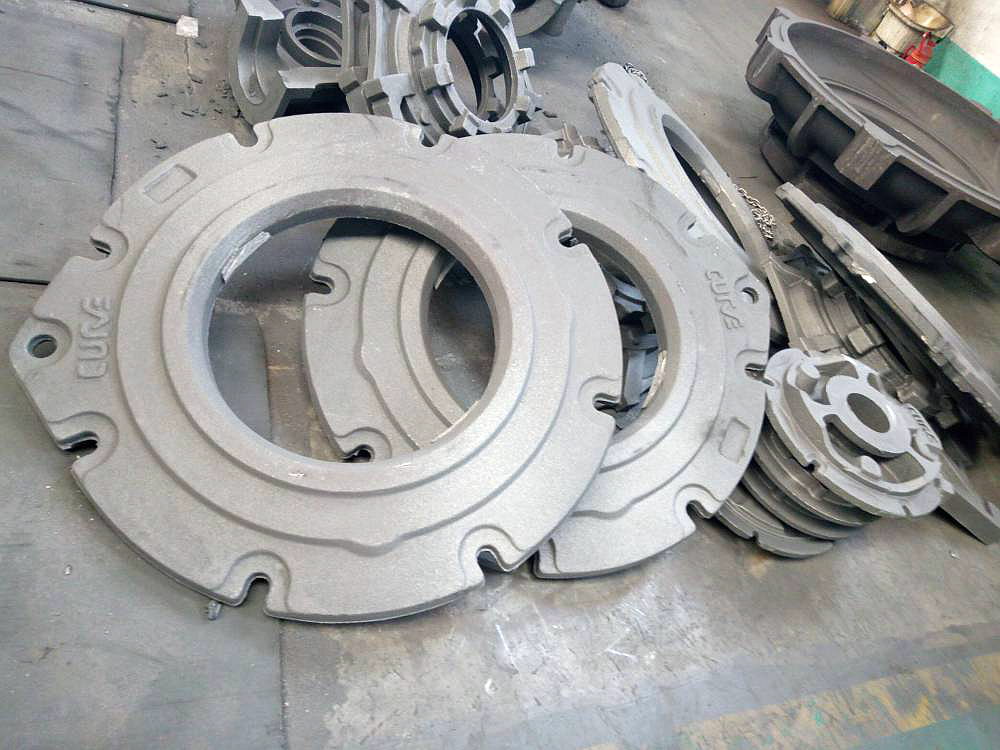
Rapid sand casting shortens metal-prototype delivery by reducing pattern and mold preparation time, not by skipping casting controls. A supplier may print or quickly machine a disposable pattern, or directly print the sand mold and cores from digital data. The remaining path still includes DFM, alloy sourcing, gating and risering, mold assembly, melting, pouring, cooling, shakeout, cleaning, heat treatment when specified, machining, inspection and shipment. The quoted schedule must cover the exact final condition.
The process is most useful when engineers need a cast metal blank or functional prototype before permanent tooling is justified. It can accommodate parts that are large, material-specific or awkward to machine from solid. Speed depends on releasing stable inputs and reserving the long operations early. "Rapid" is therefore a project method: simplify disposable tooling, freeze critical interfaces, run work in parallel where risk permits, and prevent avoidable approval delays.
Choose the Rapid Sand Route
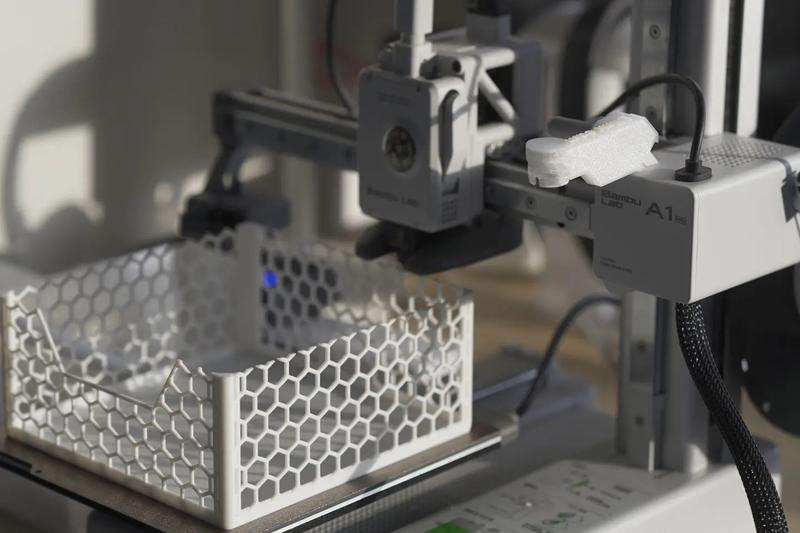
There are two common digital acceleration routes. A rapid pattern route creates a physical master by additive manufacturing or CNC machining, then rams or forms sand around it. It suits geometries that can be withdrawn with suitable parting, draft and core strategy. Pattern durability and dimensional stability must match the number of molds required.
A directly printed sand route sends mold and core geometry to a sand binder-jet process. It can remove pattern withdrawal constraints and avoid a dedicated core box. It does not remove the need to design parting, vents, gating, risers, core location, mold handling and cleaning access. Printed sand resolution, binder system, available box size, foundry handling and metal compatibility must be confirmed.
The baseline sand casting process remains the same physical conversion of molten alloy in a consumable mold. Digital tooling changes how quickly mold geometry can be prepared and revised. Select the route by part geometry, required mold count, surface zones, foundry capability, cost and schedule rather than assuming direct sand printing is always faster.
Map the Critical Path Before Quoting Delivery
| Stage | Schedule driver | Evidence or release input | Can overlap? |
|---|---|---|---|
| Engineering review | Drawing gaps, alloy, shrinkage, parting, gating and machining plan | Released CAD, drawing, duty and acceptance list | Alloy and finish sourcing can start after provisional review |
| Pattern or printed sand data | Compensation, split, core and print capacity | Approved mold/pattern concept and revision | Machining fixtures can be designed from stable datums |
| Mold, melt and pour | Alloy availability, furnace slot, mold assembly and process plan | Material route, traveler and approved deviations | Inspection programming can continue |
| Cooling and cleaning | Section size, alloy, shakeout window and difficult cores | Controlled cooling and cleaning acceptance | Later operations wait for casting release |
| Final condition | Heat treatment, machining, finish and inspection scope | Datum plan, allowances, test methods and reports | Independent finish samples may run earlier |
The critical path is the longest dependent chain, not the sum of every department's nominal work time. Parallel work can save calendar time only when upstream decisions are stable enough. Starting a machining fixture before datum strategy is approved may create rework rather than speed.
Release Data That Prevents Schedule Loss
Send a controlled 3D model and drawing with alloy requirement, quantity, casting weight estimate if known, datums, critical dimensions, machining zones, surface allowances, threads, pressure or leak requirements, heat treatment, finish and inspection. Mark surfaces that may remain as cast. Identify any production-intent interfaces that must remain unchanged after prototype learning.
State what the prototype is meant to prove. A casting-process trial asks different questions from an assembly-fit sample or a pressure-cycling article. If production will use another casting process, distinguish product requirements from sand-process artifacts. Use an early engineering review to close assumptions before mold data is released.
DFM for a Fast First Pour
Uniform transitions, generous radii and realistic sections reduce feeding and distortion risk. Abrupt heavy-to-thin transitions can create shrinkage concentration or incomplete fill. Deep pockets and internal passages need cores with adequate strength, location and removal access. Thin fins can damage during shakeout even if molten metal fills them.
Parting and core strategy affect both schedule and evidence. A one-piece printed core may speed assembly but become difficult to remove or inspect. Multiple cores may add labor and mismatch risk. Draft can be reduced or changed with printed sand, but handling strength and surface quality remain constraints. Review where core prints, chaplets if considered, vents and cleaning openings can be placed without compromising function.
Gating and risering are engineering features, not waste that can be deleted for speed. They control metal entry, feeding and solidification. Simulation can support decisions, but it depends on material data, boundary assumptions and process inputs. First-pour inspection should feed corrections before a repeat batch.
Material Selection for Prototype Evidence
Aluminum foundry alloys, gray and ductile irons, steels, brasses and bronzes can be candidates for sand casting, but not every foundry runs every alloy or order size. Alloy selection follows service needs, casting behavior, heat treatment, machining, supply and test requirements. Chemistry and mechanical-property requirements must be stated in a recognized grade or buyer specification, not inferred from a broad metal family.
Use the intended production alloy when the test depends on density, stiffness, thermal response, corrosion, wear, heat treatment or joining. A substitute alloy may be acceptable for envelope or machining-fixture development if the limitation is documented. Material guidance should be verified against supplier melt practice, available records and the prototype test purpose.
A casting made in the same nominal grade is not automatically production-equivalent. Mold material, cooling rate, section thickness, melt treatment and heat treatment influence microstructure and properties. Place test coupons or separately cast specimens only where the agreed specification and sampling plan make them relevant. For high-consequence tests, use representative section or part evidence.
Accuracy Is a Zoned Decision
Sand casting accuracy varies with mold process, pattern or printed-sand accuracy, size, alloy shrinkage, parting, cores, geometry and distortion. Do not put a single general tolerance on every feature. Separate as-cast envelope dimensions, core-located dimensions, parting-line relationships and machined interfaces. Ask the supplier for achievable limits after reviewing the exact geometry.
Sealing faces, bearing seats, precision bores, threads and assembly datums often need machining. Add stock that accounts for as-cast variation, setup and cleanup without leaving excessive material. Define a primary datum scheme that can be located on the rough casting. The related planning for sand-cast machining allowance should occur before pattern compensation is frozen.
Measure the condition the prototype is meant to validate. As-cast dimensional reports expose mold and shrinkage behavior. Final machined reports prove assembly interfaces. Reporting only finished dimensions can hide whether the casting blank left enough stable stock for production.
Machining Without Losing the Time Saved
Machine only features that carry functional value. A prototype housing may need its mounting plane, bearing bores and seal groove finished while exterior surfaces remain as cast. This reduces programming, fixturing and inspection. It also shows whether the casting process can supply a practical near-net blank.
Plan workholding while mold data is being finalized, using approved datum targets. Verify that clamps do not load thin or porous areas and that the setup can reach all critical features. If the casting distorts after stress relief or rough machining, leave an appropriate sequence for stabilization and finish cuts. Post-machining must be quoted with operations, tolerances and inspection rather than as a generic line item.
Quality Evidence for a Rapid Prototype
Visual inspection finds fins, sand inclusion evidence, cold-shut appearance and obvious surface defects, but it does not establish internal soundness. Dimensional inspection verifies geometry. Chemical analysis verifies alloy chemistry under the stated sampling method. Mechanical tests, leak or proof tests, radiography, ultrasonic testing and penetrant or magnetic methods answer different questions and each has material, geometry and resolution limits.
Select inspection from the failure mode and prototype purpose. A machining trial may need stock and datum inspection. A pressure housing needs an agreed leak or proof condition and may need internal-quality evidence. A structural test article needs traceable material condition and load-test criteria. Avoid specifying every available test in the hope that more reports automatically create certainty.
Record casting identity, melt or heat reference, mold or pattern revision, heat-treatment batch, machining revision and inspection result to the level required by the project. Rapid schedules make traceability more important because several first-article changes can occur in a short period.
Schedule Drivers After the Pour
Cooling cannot be shortened arbitrarily without risking damage or dimensional change. Heavy sections and different alloys require different handling windows. Shakeout and core removal can be slow when passages are long or inaccessible. Cutting gates and risers, grinding contacts and blasting also consume time and may reveal defects that need disposition.
Heat treatment adds queue, batch and distortion considerations. Machining adds fixture, programming, cutting and inspection. Coatings may require surface preparation, masking and cure. External laboratory tests and buyer approvals can become the actual critical path. Delivery guidance must therefore be turned into a dated supplier schedule after all final-condition requirements are known.
Compare with CNC and 3D Printing
CNC machining can be faster for a simple part when suitable stock is available and material-removal volume is reasonable. It produces machined surfaces directly but may waste material or struggle with enclosed passages. Metal additive manufacturing can form compact internal geometry without a sand mold, yet build size, powder, supports, heat treatment and machining can control cost and time.
Rapid sand casting becomes attractive when the part needs a foundry alloy, is large or bulky, contains castable cores, or requires several metal blanks without permanent tooling. Compare final-condition cost, delivery, material evidence and test relevance. The guide to prototype sand casting versus CNC machining can frame the decision, but exact geometry and quantity decide it.
From Prototype to Low-Volume Production
The same rapid sand route can support low-volume production if mold repeatability, alloy control, yield, machining capacity, inspection and unit cost meet the program. A disposable printed pattern may suit one prototype but be uneconomic for repeated molds. A durable quick pattern or directly printed sand may change the balance. Determine effective demand per part number and delivery lot.
Freeze the corrections learned from the first pour: compensation, core location, gating, risering, machining allowance and inspection. Approve a controlled production traveler rather than treating every repeat order as another prototype. Prototype and low-volume suitability should be decided with actual yield, capacity and quote data.
If later production moves to permanent mold, die casting or another route, repeat process-specific DFM and qualification. A successful sand casting validates product interfaces and some material questions only under its tested condition. It does not automatically validate fill, porosity, dimensions or properties from a different casting process.
Supplier and RFQ Checklist
Confirm the supplier can create the proposed pattern or printed sand, handle mold size and cores, melt the specified alloy, control heat treatment, machine the required interfaces and perform or coordinate inspection. Ask for a process flow and dated critical path. Identify external dependencies, approval hold points, rework assumptions and what happens if the first pour fails acceptance.
An RFQ should include CAD, drawing revision, prototype purpose, alloy and final condition, quantity, required delivery date, desired intermediate milestones, part mass or envelope, critical sections, datums, tolerances, machining stock, surface zones, heat treatment, finish, leak/load/material tests, inspection reports and packaging. Ask the supplier to return the pattern/mold route, parting and core concept, allowances, proposed deviations, quoted final condition and schedule assumptions.
First-Pour Failure and Fast Disposition
A rapid project needs an agreed response if the first casting misses a requirement. Classify findings before work begins: cosmetic conditions that do not affect the test, dimensional deviations that machining can clean up without violating minimum wall, defects that permit an approved prototype-only repair, and conditions that require repour. Repair must never be used to conceal a defect or represent an unrepaired production route.
Predefine the evidence needed for disposition: defect location, photographs, dimensions, material state, remaining machining stock and effect on the planned test. Assign engineering and buyer approval authority with a response window. A supplier can then pause only the affected operation rather than letting the entire schedule drift while responsibility is unclear.
Keep corrected pattern or mold data under a new revision. If a repour changes gating, risering, core support, alloy treatment or cooling, record the change and repeat the inspections affected by it. Delivery speed has little value if an undocumented first-pour correction makes later results impossible to reproduce.
External Operations and Transport Control
Prototype foundries often outsource heat treatment, specialized machining, coating, chemical analysis or nondestructive testing. Each transfer adds queue, packaging, paperwork and transport risk. Confirm the subcontractor and reservation before the pour when the schedule is tight. Verify that material identity and traveler records follow the casting through every location.
Heavy or fragile rough castings need supports and protection that do not load thin walls or damage datum targets. Printed sand molds transported to another foundry need packaging against impact and moisture under the selected binder system. Cross-border or long-distance shipments can require customs and documentation time. These are schedule inputs, not administrative details after production.
Use one owner for the integrated schedule even when several vendors perform the work. Require receipt and release milestones for each external stage. A laboratory completion date is not the same as an approved report date, and a machining completion date is not the same as final dimensional acceptance.
Normalize the Rapid Quote
Separate pattern or printed-sand data, mold/core manufacture, metal and melt, pour quantity, cleaning, heat treatment, machining, finish, inspection, reports, packaging and freight. Identify whether price includes trial pieces, destructive specimens or a repour allowance. State what happens to cost and schedule when the buyer changes data after mold release.
Compare routes at the same condition. A rough casting available early may be useful, but its price and date should not be compared with a fully machined and tested part. If the supplier offers staged delivery, assign acceptance and intended use to each stage. This lets procurement choose speed deliberately instead of discovering that the quickest quote omitted the work needed for testing.
Maintain a Risk Register and Recovery Trigger
List the few events capable of moving delivery: late data approval, pattern or printed-mold failure, unavailable alloy, first-pour nonconformance, heat-treatment queue, machining stock loss and external-test delay. Give each risk an owner, decision deadline and recovery action. Review it at milestones instead of waiting for a missed shipment date.
Define when the team will repour, accept a prototype-only deviation, switch pattern route, remove a nonessential finish or ship an accepted partial quantity. Use the checklist for prototype sand-casting approval to keep accelerated disposition tied to evidence. For commercial clarity, the prototype sand-casting quote inputs should state contingency, intermediate delivery and change terms before work begins.
Engineering Conclusion
Rapid sand casting delivers metal prototypes quickly when digital mold preparation is paired with disciplined casting and final-processing control. It is not an abbreviated pour with guaranteed delivery. Define what the prototype must prove, select the pattern or direct-sand route, freeze material and datum requirements, map the complete critical path and inspect the relevant failure modes. That approach protects both speed and engineering value.
FAQs