From Design to Part in Days: Fast 3D Printing Service
A fast 3D printing service can move a released CAD model to a physical part in days when the geometry is printable, the required machine and material are available, the final condition is simple, and inspection and shipping are agreed before release. "Print time" is only one segment of delivery. File repair, engineering questions, queue position, build setup, cooling or curing, support removal, heat treatment, finishing, dimensional verification and transit all belong in the quoted schedule.
The fastest useful part is not necessarily the part with the shortest machine cycle. A quick visual model, an assembly-fit prototype and a load-bearing end-use component have different material, orientation, post-processing and evidence needs. Buyers reduce lead time by defining the decision the part must support and accepting only the controls needed for that decision.
What "Fast 3D Printing" Means
Fast additive manufacturing removes dedicated mold fabrication from the first part. That can compress early development because a revised digital file can be prepared for another build without cutting a new production tool. It does not remove engineering. The supplier still needs a valid solid model, process-compatible features, an orientation, a build strategy and an acceptance plan.
A defensible delivery date starts at a defined release event. The clock may begin after receipt of a complete RFQ, after design-for-additive-manufacturing questions are closed, or after the buyer approves the quote and build orientation. Those events are not interchangeable. The quotation should state its schedule basis, business-day convention, material condition at shipment and whether courier transit is included.
The 3D printing process is especially useful when the immediate objective is to learn: check envelope and access, verify a connector position, compare ergonomic variants, test airflow, evaluate a fixture concept or supply bridge parts while another route is prepared. It can also make end-use parts, but then the print itself becomes a controlled production process rather than merely a rapid visualization tool.
Start With the Decision the Part Must Support
Visual and Ergonomic Review
A concept model may need correct overall geometry, recognizable detail and an agreed color or surface. It may not need production material, fine tolerance inspection or full post-cure characterization. Choosing a readily available polymer and a standard finish can preserve speed. The file should still identify fragile features and the surfaces that will be handled or viewed.
Fit and Assembly Validation
A fit-check part must reproduce the interfaces that drive the assembly decision. Datums, hole positions, connector clearances, latch travel, tool access and mating envelopes matter more than cosmetic perfection. Orientation and support placement should protect those features. If printing alone cannot hold a required interface, plan an insert, reaming operation or CNC finishing operation before the schedule is approved.
Functional Prototype or End-Use Part
Functional work needs a load case and environment. State force direction, cycle count, temperature, fluid, UV, flame, electrical, cleanliness and allowable deformation as relevant. Printed properties can depend on orientation, section thickness, build history, moisture, heat treatment and surface condition. A generic bulk-property sheet cannot establish performance for the actual geometry.
An end-use component also needs production controls: material identity, machine and parameter boundary, build traceability, sampling, change notification and nonconformance handling. Regulated uses need their own compliance route. Printing a titanium or high-performance polymer does not by itself establish aerospace, medical or food-contact suitability.
Choose Process and Material as a Pair
Process selection sets the available material forms and influences feature resolution, anisotropy, support strategy, surface texture, dimensional behavior and post-processing. Material selection sets chemical, thermal, mechanical and finishing constraints. Asking for "nylon," "resin" or "metal" without naming the process and condition leaves important ambiguity.
| Part objective | Candidate route | Schedule advantage | Main qualification question |
|---|---|---|---|
| Visual detail or master pattern | Vat photopolymerization with a selected resin | Fine features and limited finishing may support quick review | Does cure state, brittleness, UV response and dimensional drift fit the review? |
| Polymer fit or duct prototype | Powder-bed polymer process such as SLS or MJF with an available grade | Nested parts and limited support removal can help batch turnaround | Are surface texture, tolerance, porosity and directional properties acceptable? |
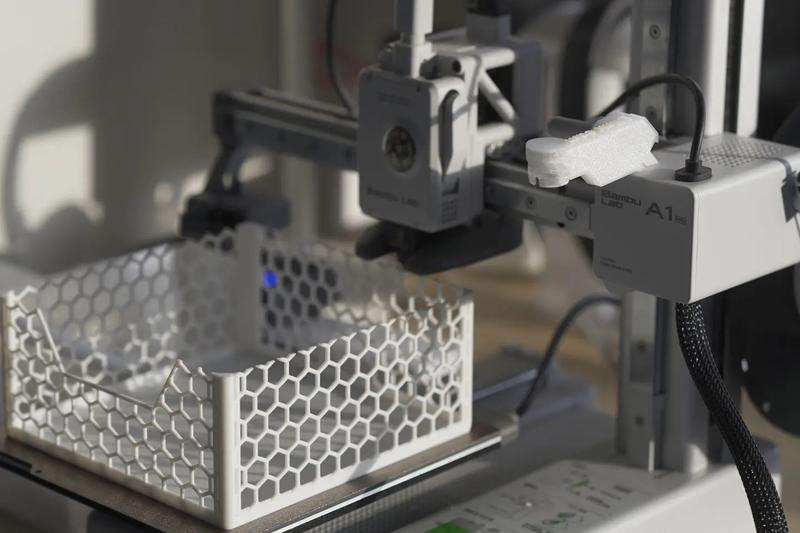
| Low-cost concept or fixture | Material extrusion with a qualified thermoplastic | Accessible setup and direct iteration can be useful | Do layer direction, warpage, bead texture and environment match the load? |
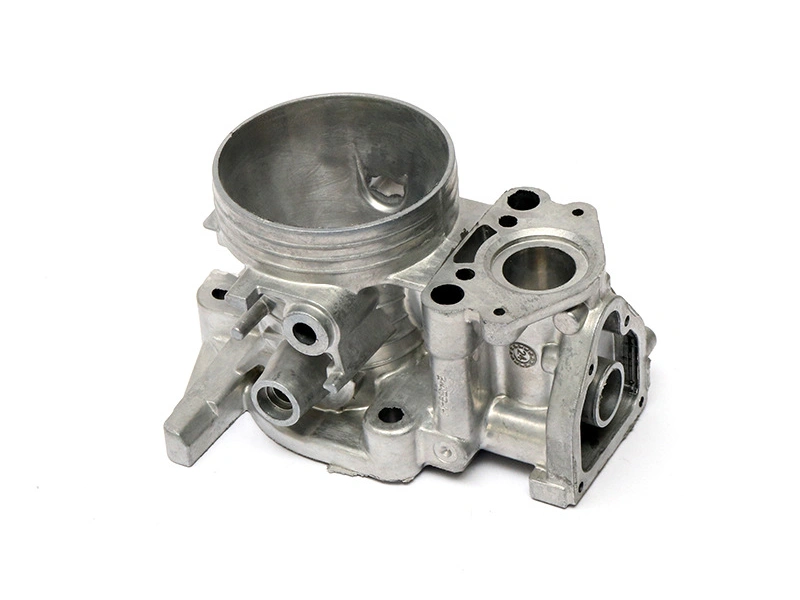
| Complex metal prototype | Metal powder-bed fusion or another qualified metal AM route | Near-net geometry may avoid dedicated forming tooling | What stress relief, support removal, machining, inspection and material evidence are required? |
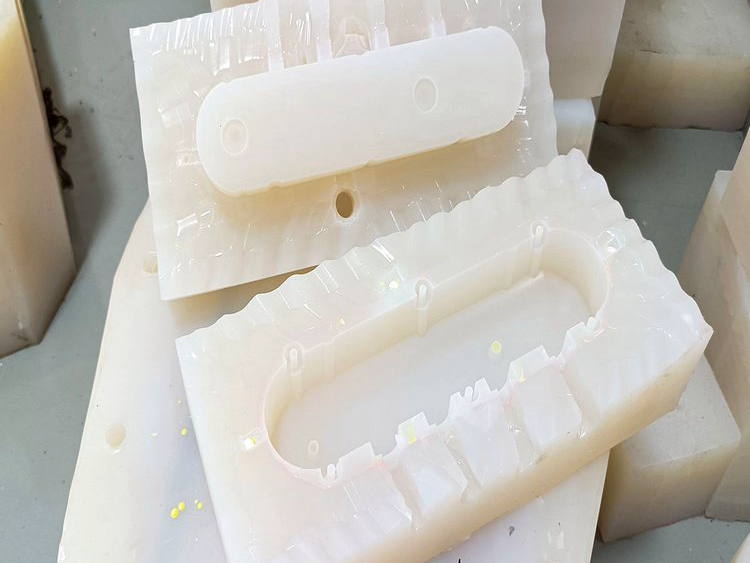
| Production-metal validation | Printed pattern or sand mold followed by casting | Toolless pattern/mold preparation may shorten low-volume casting launch | Which geometry changes when moving to the intended production casting route? |
The material discussion in the 3D printing material guide is a starting map, not a substitution table. PA12 from one powder-bed route is not equivalent to an injection-molded nylon, and a photopolymer sold as "ABS-like" is not ABS. Compare test method, specimen orientation, conditioning and supplier data to the actual requirement.
The Real Design-to-Delivery Workflow
1. RFQ and File Intake
The supplier checks that the revision is clear and the model can be opened as a watertight solid or otherwise prepared without changing intent. The buyer should provide native CAD or a suitable neutral solid format, units, drawing, quantity, material objective, finish, controlled features and delivery destination. Mesh files should have adequate resolution and a known scale.
Missing inputs stop the schedule even when a machine is free. An email requesting "the fastest option" cannot resolve whether appearance, heat resistance, food contact, pressure retention or assembly fit controls. A short, ranked requirement list usually saves more time than demanding an immediate quote from an incomplete file.
2. DfAM and Risk Closure
Design review identifies thin walls, unsupported spans, trapped powder or resin, inaccessible supports, closed volumes, sharp transitions, distortion risk and features below the selected process's practical resolution. The review also maps support/contact areas away from controlled or visible surfaces where possible. Proposed changes must be approved rather than silently applied.
For fast work, distinguish blockers from observations. A blocker prevents printing, safe depowdering, assembly or acceptance. An observation may affect appearance or yield but can be accepted for a learning part. Record every accepted deviation against the released revision so later test results are interpreted correctly.
3. Orientation, Nesting and Build Release
Orientation influences support volume, stair-stepping, directional strength, thermal history, distortion and which features face the build plane. Nesting influences machine utilization and may alter thermal or flow conditions. Buyers should approve orientation when it affects a load path, cosmetic face or controlled interface. A supplier should not promise identical behavior after rotating a functional part without technical review.
Machine availability is process- and material-specific. A nominally faster technology may have a longer queue, while an available machine with a qualified alternate material may finish sooner. Substitution requires buyer approval because the result may no longer answer the same engineering question.
4. Printing and Build Recovery
Machine time depends on build height, scanned or deposited area, layer settings, number of parts and process overhead. A compact but tall component can take longer than several low parts. Powder-bed systems may require controlled cooling before unpacking. Vat systems may need wash and post-cure. Metal builds may need plate removal, stress relief and safe powder handling. These are production operations, not optional administrative delay.
Build failure risk should appear in the schedule discussion. Thin unsupported features, recoater interference, support fracture, loss of adhesion, thermal distortion or interrupted material feed can require a rebuild. The supplier should explain whether the date assumes one successful build and how a failed-build decision will be communicated.
5. Post-Processing
Raw print completion is not shipment readiness. Polymer parts may require depowdering, washing, UV or thermal cure, support removal, tumbling, blasting, dyeing, painting or sealing. Metal parts may require stress relief, support and plate removal, heat treatment, surface cleaning, hot isostatic pressing where specified, machining and coating. Each operation has queue, fixture and inspection implications.
Post-processing can change dimensions and properties. Aggressive support removal can damage a thin wall. Blasting can soften edges and alter texture. Heat treatment can move a metal geometry. Machining needs stock and datums designed into the print. The final post-processing sequence must be included when quoting both delivery and acceptance.
6. Inspection and Shipment
Inspection should match the prototype decision. A visual model may need a revision and appearance check. A fit part may need a focused dimensional report at interfaces. A pressure, structural or end-use part may need material records, density or internal inspection, mechanical evidence and functional testing. Full CMM inspection of every nonfunctional surface adds time without necessarily reducing project risk.
Packaging protects thin features, finished faces and clean parts. Courier cutoff, customs documents and destination determine transit. Report print-complete, ship and delivery dates separately. That prevents the common error of treating a short machine cycle as a door-to-door commitment.
Lead-Time Control Matrix
| Schedule stage | Common delay | Buyer action before release | Release evidence |
|---|---|---|---|
| File intake | Wrong revision, open mesh, missing units or drawing | Send one controlled package and identify the decision owner | File/revision acknowledgement |
| Engineering review | Unresolved wall, support, tolerance or material conflict | Rank functional and cosmetic requirements; answer deviations quickly | Approved DfAM questions and orientation |
| Machine allocation | Material not loaded, queue or insufficient build envelope | State acceptable process/material alternatives with limits | Quoted machine family, material and start basis |
| Build and recovery | Long build height, cooling, cure or rebuild | Review split geometry or alternate orientation where function permits | Build plan and risk assumption |
| Finishing | Manual support removal, heat treatment, machining, paint or cure | Specify final condition and controlled surfaces at RFQ | Operation sequence and acceptance locations |
| Inspection | Undefined tolerance or late report request | Limit inspection to decision-relevant characteristics | Inspection plan and sample quantity |
| Logistics | Packaging, courier cutoff, customs or destination change | Provide ship-to details and import documentation early | Ship date, method and delivery scope |
How to Make the Schedule Shorter Without Losing the Answer
Freeze only the interfaces needed for the current decision. A prototype can intentionally omit texture, branding or nonfunctional details if those omissions are documented. Split a large housing when the test concerns envelope and access rather than pressure or stiffness. Print multiple design variants in one build when process interaction and labeling are controlled. Use standard material and finish where they answer the same question.
Do not shorten the schedule by hiding the requirement. Omitting heat exposure, chemical contact or a tight bore may deliver an unusable part quickly. Likewise, replacing a specified engineering polymer with an easy-print concept material changes the test. A fast route is valid only if its limitations are visible in the test plan.
The economics of tool-free 3D printing also need scope control. There may be no dedicated production mold, but setup, file preparation, supports, build plates, fixtures, finishing and qualification still cost time and money. "Zero tooling" should mean no dedicated forming tool, not zero manufacturing preparation.
Moving From Print to CNC or Casting
A printed prototype validates only the attributes it reproduces. It can expose assembly errors before machining stock or casting tooling is committed, but it does not prove cast shrinkage, porosity, draft, ejectability, alloy properties or machining behavior. Maintain a requirements matrix showing which result transfers and which must be revalidated in the production process.
A useful hybrid route may print a near-net metal shape and machine datums, bores, seals or threads. Another may use printed patterns or directly printed sand molds for prototype sand casting. The additive and CNC workflow can compress learning when stock, datum strategy and inspection are planned together.
Before production tooling, revise the model for the target process. Add draft, production wall rules, machining allowance, tool parting and realistic fillets as applicable. Keep the printed "design intent" model and the production-ready model under separate revisions. Otherwise a successful print can encourage a geometry that is difficult or uneconomic to cast.
Fast 3D Printing RFQ Checklist
controlled 3D file, drawing, units, revision and quantity for each design variant;
part purpose: visual, fit, functional test, tooling aid, bridge or end-use production;
preferred process/material or the performance requirements the supplier must screen;
load, direction, temperature, fluids, UV, electrical, cleanliness, pressure and life conditions that matter;
controlled datums, tolerances, threads, sealing faces, mating features and no-support zones;
cosmetic zones, texture, color and permitted contact/support evidence;
final condition: raw, cured, heat treated, smoothed, machined, dyed, painted, sealed or assembled;
inspection method, report, material traceability, test coupons and acceptance criteria;
requested ship-to date, destination, packaging and whether transit is included;
approved alternates and who can authorize design, material, orientation or schedule changes.
A rapid prototyping supplier should return a conditional schedule, not merely a machine-time estimate. The response should state file-release assumptions, process and material, build orientation where functional, post-processing, inspection, ship date and exclusions.
How to Evaluate a Fast Printing Supplier
Ask how the supplier controls revision, material identity and build disposition under expedited conditions. Speed increases the cost of ambiguity: an obsolete model can enter preparation before a conventional procurement review catches it. The quotation and traveler should carry the same part number, revision, units, quantity and final condition. File transfer must preserve geometry and customer confidentiality, while approval messages should remain linked to the order record.
Process range matters less than honest route selection. A supplier with many technologies should explain why one process answers the test and what compromise produces the shorter date. Review available build envelope, material inventory, queue, orientation capability, support-removal access, internal finishing and outside-process dependencies. If heat treatment, painting or CNC work is subcontracted, identify the responsible site and schedule owner.
Inspection capacity can be the hidden constraint. Confirm which dimensional tools, scan methods, leak tests or material records are available within the quoted window. Ask for a sample report before release when report format matters. A fast machine backed by an overloaded inspection department does not create a fast accepted part.
Finally, review failure communication. The supplier should define who evaluates a stopped or nonconforming build, when the buyer is told, which changes need approval, and whether a rebuild changes the date. A credible recovery process is more useful than an unconditional promise.
Project Boundaries for Rapid Work
Some requirements cannot be compressed merely by selecting additive manufacturing. Long-duration aging, fatigue, sterilization, flame, chemical soak or regulatory review still takes the time required by the method. A quickly printed specimen may start those tests sooner, but it cannot shorten the exposure without changing the evidence. State which schedule covers part manufacture and which covers validation.
Similarly, a rapid prototype is not a production process capability study. One build can answer a geometry or assembly question. Repeat builds, production nesting, material variation and final inspection are needed before making a stable supply claim. The project plan should show a deliberate gate from learning parts to controlled bridge or end-use production.
Final Decision
Fast 3D printing can produce a meaningful physical part in days, but the actual window is project-specific. Speed comes from a complete release package, a readily qualified process/material pair, geometry that does not create avoidable recovery work, and an inspection plan limited to the decision at hand. Quote the final inspected condition and separate shipment from delivery. That is how a team moves quickly without mistaking a fast print for a validated part.
FAQs