From CAD to Urethane Part in Days, Not Weeks
A CAD-to-urethane-part program can sometimes be organized as a days-scale path when the model is released, the prototype question is narrow, the master and silicone tooling route are available, and approvals happen at agreed times. The phrase "days, not weeks" is not a universal lead-time promise. Complex finishing, special resin, unresolved data, quantity, external operations or a remake can extend the critical path.
The correct schedule starts with the final milestone. A first raw casting, a dimensionally accepted assembly sample and a complete painted lot are different deliverables. Procurement should request calendar dates, owners and dependencies for the actual state required, rather than measuring speed from purchase order to an undefined "part."
Start with a Controlled Release
The supplier needs controlled CAD and drawing, revision, prototype purpose, quantity, target resin attributes, appearance zones, critical interfaces, inserts, finish, tests, reports, packaging and destination. A technically open purchase order creates activity, but it does not create a stable master.
Resolve conflicts between model and drawing before build data are frozen. Define which document controls geometry and color, who may accept deviations, and how quickly questions will be answered. A late wall, texture or connector change can invalidate the master, mold, trim aids, coating masks and cast work in process.
Define Three Delivery Milestones
First Raw Casting
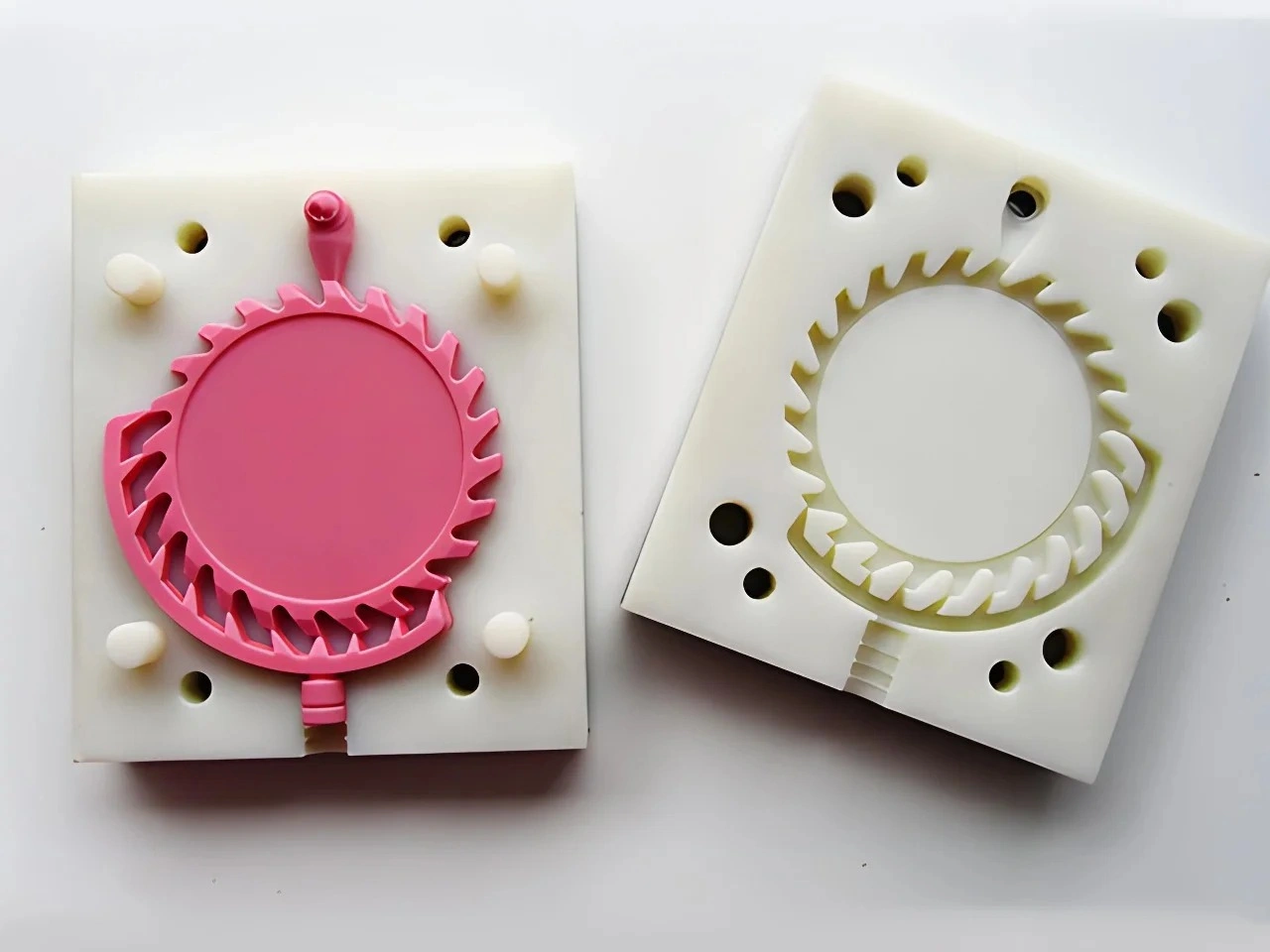
This milestone confirms that a master and silicone mold exist and that the selected resin can fill and demold the geometry. It can expose gates, vents, air, parting evidence, cure behavior and dimensional bias. It may not include final paint, inserts, assembly, reports or buyer approval.
First Accepted Part
This part meets the agreed prototype state. It may include the final resin route, trim, cosmetic treatment, inserts, critical dimensions and assembly test. Acceptance should state the drawing revision, part age/conditioning and inspection method. Only this milestone proves the process has reached the buyer's decision state.
Complete Finished Lot
The full accepted quantity includes recurring casting, mold-condition control, finishing, inspection, packaging and any shipment split. Its date depends on capacity after first-part approval. It should not be inferred by multiplying the first raw casting time by the number of pieces.
Build the Critical Path
| Stage | Required input | Can overlap with | Cannot close before |
|---|---|---|---|
| DFM and release | Controlled data and acceptance state | Resin/finish availability checks | Open deviations are resolved |
| Master production | Released build data and compensation plan | Inspection planning and hardware sourcing | Build, repair and surface prep are complete |
| Master approval | Dimension and appearance evidence | Final mold-material preparation | Authorized reviewer accepts the master |
| Silicone tooling | Approved master and mold plan | Resin/color trials where representative | Silicone cure and safe master removal |
| First casting | Ready mold, resin, inserts and traveler | Finish coupon or packaging preparation | Fill, cure, demold and trim |
| Acceptance | Conditioned part and specified finish | Limited work at risk if authorized | Inspection, assembly and buyer decision |
| Lot completion | Approved process and available capacity | Parallel molds and downstream operations | Accepted quantity, reports and packing |
Put a date and owner against every row. Highlight buyer decisions and outside vendors. A supplier can shorten queue and handoff time, but cure, inspection and approval remain physical or contractual dependencies. An honest fast schedule shows these constraints rather than deleting them.
Establish a Schedule Baseline and Change Log
Freeze the baseline after DFM disposition and identify the revision, required delivery state, accepted quantity, milestone dates and responsible parties. A schedule without a controlled starting definition will drift as optional finish, extra variants or new tests are added.
Every change should show the affected master, mold, resin, inserts, trim, finish, inspection and work in process. Classify it as no schedule effect, controlled overlap, rework or restart. The project team can then decide whether the additional learning is worth moving the date rather than quietly absorbing scope.
Track assumptions as well as changes. Resin on hand, hardware arrival, external paint capacity and reviewer availability may be true when quoted and false when released. Confirm each time-sensitive assumption at order and again before the dependent stage begins.
Choose the Master Route by Approval Time
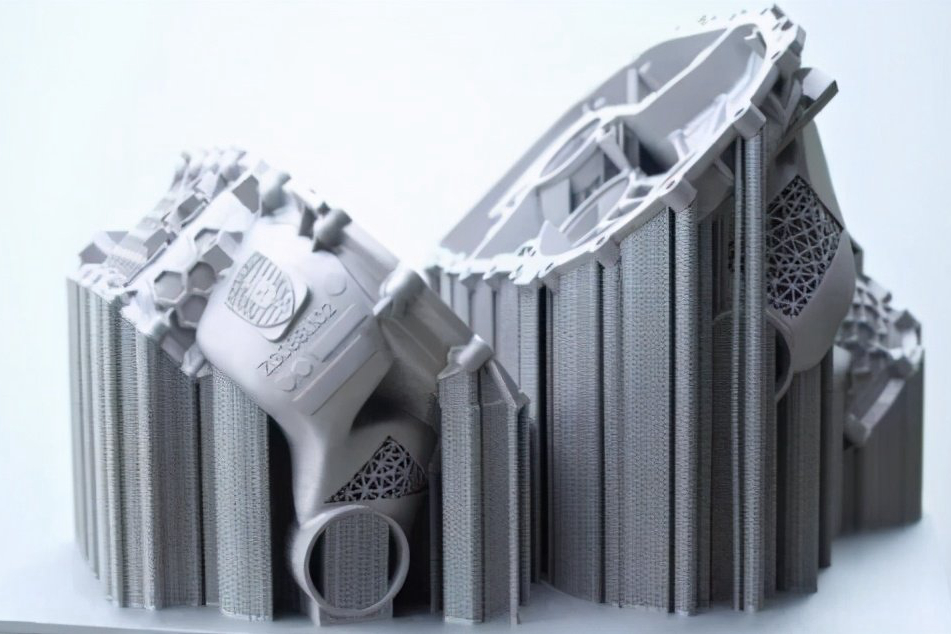
A 3D-printed master can handle organic geometry and digital revision with limited machining, but support removal, filling, sanding, priming, polishing and texture may control approval. CNC machining can establish accessible dimensions and clean surfaces in suitable stock, but complex freeform geometry and multiple setups can add time. A hybrid master may combine both.
Choose the route that reaches an approved master in the required condition, not the process with the shortest machine cycle. The 3D printing route and machining route should be quoted with all preparation and inspection included.
Inspect the master before molding. Silicone copies wanted texture and unwanted defects. A repair made once on the master is generally easier to control than the same repair repeated on every cast part. Mark cosmetic zones and functional interfaces so preparation effort follows the acceptance plan.
Freeze Mold Decisions Before Silicone Is Poured
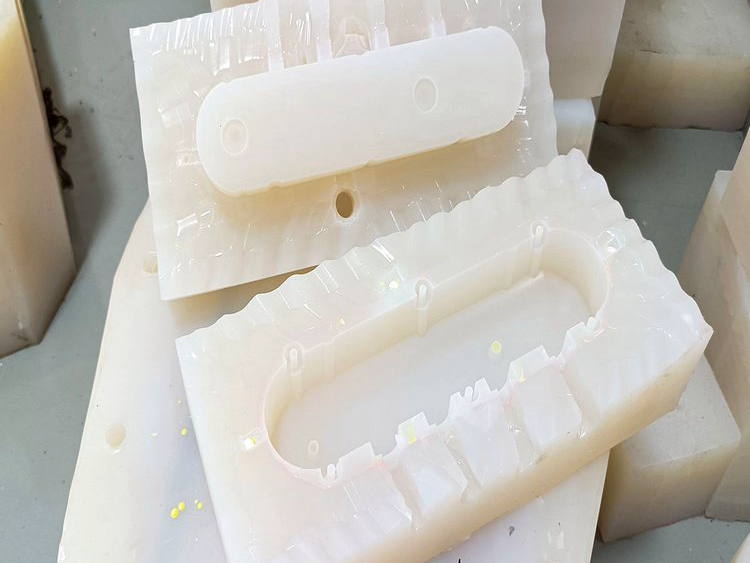
Flexible tooling can release geometry that would need slides in a rigid mold, but deep hooks, trapped cores, thin silicone sections and long extraction paths can tear or distort. Decide mold split, planned cuts, support shell, gates, vents and insert access before molding. A quick mold made from an unresolved plan can create a slow cycle of trim and repair.
Place gates and parting where witness marks are acceptable and trimming will not damage a datum. Vent high points and air traps based on the actual casting orientation. The silicone mold geometry review should distinguish a releasable undercut from one that consumes tool life or part quality.
Select Resin Before the Schedule Is Committed
Material selection affects availability, mix and vacuum handling, cure, safe demolding, conditioning, post-cure, paint compatibility and test readiness. State the attribute to be simulated: hardness, stiffness, flexibility, color, clarity, initial impact response or another bounded behavior. A family label such as "ABS-like" is not a complete release specification.
Confirm resin and additive availability before promising the casting milestone. If the test depends on a particular system, schedule pressure should not drive an unapproved substitution. The urethane material simulation guide is a screening tool; supplier data and project tests establish fitness.
Define when the part is ready to inspect or test. Demolding readiness and stable test condition may not be the same. Record part age, cure/post-cure if specified, storage and conditioning so early and later pieces are compared fairly.
Design for Flow, Demolding and Trimming
Wall distribution, thin flow paths, heavy masses, enclosed air pockets and fragile projections affect fill, exotherm, cure and removal. Avoid assuming that flexible silicone makes every CAD feature easy. A geometry can be technically releasable yet slow because each piece requires careful manipulation and repair.
Provide access to trim gates and vents without scarring a visible surface. Add or protect temporary handling features when the finish process needs them. Decide whether threaded hardware is cast in, bonded later or installed mechanically, and reserve procurement time for the actual insert.
The insert and secondary-operation review should be completed before the mold plan is fixed. Adding a precision insert after first casting can require a new locating strategy or mold.
Parallelize Information, Not Unknown Risk
Some tasks can overlap safely. Resin availability, hardware sourcing, inspection programming, paint coupons and packaging concepts may proceed while the master is built. Parallel work is useful when its inputs are stable and the consequence of change is understood.
Other overlaps create hidden work at risk. Pouring silicone before master approval or painting the lot before first-part acceptance can save calendar time only if no correction is needed. Document who authorizes the risk, which assets may become obsolete and how a rejection affects cost and date.
Make the Supply Chain Ready Before the Master Finishes
Use the front-end window to confirm resin lot and additives, silicone, release materials, inserts, magnets, fasteners, paint, graphics, adhesives and packaging. A minor purchased item can become the controlling path after castings exist. Substitution requires technical disposition when it changes function or appearance.
For outside finishing or inspection, reserve capacity against a defined arrival condition and quantity. State who transports parts, how they are protected and what happens if upstream approval moves. A nominal vendor slot is not useful if it expires before the parts can arrive.
Where only a few pieces are needed first, separate early hardware and finish requirements from the complete lot. This can support a representative partial delivery without consuming material or components intended for later accepted parts.
Control Approvals as Schedule Operations
Approval time is part of lead time. Identify reviewers for DFM deviations, master, raw first casting, color/texture and finished assembly. Provide a response deadline and the exact evidence submitted. A message saying "looks good" should not replace revision-controlled acceptance where tooling or batch work follows.
Use physical standards for color, gloss and texture when appearance matters. State lighting, viewing distance and permissible seam, gate and repair evidence. The finish-sample approval method should release a defined coating stack, not an adjective.
Finish Can Be the Longest Downstream Stage
Seam cleanup, sanding, primer, paint layers, graphics, masking, bonding and assembly are sequential where one operation depends on the previous state. Coating chemistry and cure must suit the selected urethane. A raw casting date says little about a multi-color presentation set unless finish capacity is also reserved.
Keep critical fits, threads, connector seats and bond areas clear of coating where required. Inspect assembly after final finish if coating thickness or masking edges can affect it. For a speed program, reducing unnecessary cosmetic zones can shorten work without weakening the development decision.
Inspect at Gates, Not Only at Dispatch
Check the master before mold making, the raw first casting before finishing, and the finished first article before completing the lot. Each gate prevents more value from being added to a known problem. Select dimensions and appearance criteria tied to the prototype question rather than measuring every modeled feature.
Flexible or thin parts need a defined measurement state: free, fixtured or assembled. Use functional gauges where they represent fit better than isolated dimensions. The critical-dimension plan should name datums, condition and method.
Use Partial Delivery with a Defined Purpose
An early accepted part can unblock assembly checks or stakeholder review while the remaining lot is cast and finished. Define which revision, mold, resin and finish the partial shipment represents and whether approval of that part releases continued work. Do not send a favorable raw piece as evidence for a finished lot.
Partial delivery adds inspection, reports, packing and freight events. It should shorten the buyer's decision path enough to justify those operations. If later parts use another mold or finish batch, state what comparison is needed to maintain the approved standard.
Plan Remake Contingency Before Release
The first casting may reveal incomplete fill, trapped air, surface transfer, dimensional bias or demolding damage. State whether correction requires a vent/gate adjustment, master repair, mold remake, resin change or revised cure. Put the next decision and capacity slot on the schedule before the first pour.
Mold condition may change during the lot. Define replacement triggers and whether parallel tools are needed for date or quality. Contingency does not mean failure is expected. It prevents a nominal fast path from hiding the time needed to recover an unacceptable part.
Pack and Close the Project in the Accepted State
Flexible walls, painted edges, clear surfaces and fine cosmetic texture can be damaged after final inspection. Packaging should support the actual part without creating pressure marks, rub or distortion. The urethane prototype packing plan should identify protective contact and assembly-test needs.
At project close, record delivered serials or quantities, master/mold revision, resin, finish, inspection results, deviations, buyer approvals and remaining assets. State storage and retention for the master, molds, physical standards and gauges. This record makes a later repeat order or design iteration start from known evidence rather than reconstruction.
Review the actual critical path against the baseline. Separate supplier queue, physical processing, approval, correction and transport time. That review gives procurement credible data for the next release without turning one project's duration into a universal capability claim.
Functional Prototype Does Not Mean Production Qualified
A urethane part can answer envelope, assembly, handling, user-interface and selected short-term property questions. It does not automatically prove the production thermoplastic, injection-flow effects, fiber orientation, long-term creep, environmental aging or mass-production capability. Record what each test demonstrates and what remains open.
The purpose of speed is earlier evidence, not premature closure. If a test requires production material or process, choose injection samples, CNC stock or another route for that gate. Fast urethane casting is valuable when it answers the right question soon enough to change the design.
Choose Another Route When It Closes the Question Sooner
Direct 3D printing may close an envelope or internal-routing question before a master and silicone mold are justified, particularly for one evolving part. CNC machining may close a precise-interface or stock-material question without the material substitution introduced by polyurethane. A production-intent injection sample may be necessary when resin flow, fiber orientation, weld lines or sustained material behavior govern the decision.
Urethane casting earns its place when repeated copies, molded surface, selected plastic-like behavior, embedded hardware or several assembly trials outweigh the additional master and mold stages. Compare routes at the same accepted test state. A raw print and a painted, assembled urethane unit are not equivalent milestones.
Hybrid routes can shorten learning when ownership is clear. A printed master can feed silicone tooling; a machined insert can establish a critical interface; direct prints can screen revisions before the final master. Quote each stage once and state which version becomes the controlled source.
Measure Decision Speed, Not Only Fabrication Speed
The useful lead-time metric is when the team receives evidence sufficient to accept, reject or revise the design. Record data-release date, first raw part, first accepted part, test completion and decision closure. These milestones expose whether delay came from fabrication, unclear requirements, reviewer response or a failed assumption.
Track avoidable loops. Repeated master repair, color reapproval, missing inserts or late tolerance clarification are process signals, not simply "prototype time." Correcting the source can shorten the next iteration more reliably than demanding a shorter nominal build quote.
Also record which parallel actions created value and which produced obsolete work. This protects future schedules from copying aggressive overlaps that succeeded only because no change occurred. Procurement can then compare suppliers on transparent milestone performance and recovery behavior instead of one headline duration.
CAD-to-Part RFQ Checklist
Send controlled CAD/drawing, revision, prototype question, quantity and cadence, target material attributes, appearance zones, color/texture reference, critical interfaces, inserts, finish, tests, reports, packaging and destination. State the required first milestone and final lot condition.
Ask the supplier to return the master route, mold split/gates/vents, resin basis, cure/test state, first-part gate, finish route, inspection, external operations, capacity, approval schedule, work-at-risk assumptions and remake path. Require a dated dependency plan.
CAD can become an accepted urethane part on a compressed schedule when release quality, process choices, parallel work and decisions are actively managed. The defensible promise is the supplier's project-specific calendar, not a generic conversion of the title into a fixed number of days.
FAQs
How quickly can urethane casting produce functional prototype parts?
What types of materials can urethane casting simulate for testing and validation?
How do silicone molds in urethane casting compare to metal tooling?
What design factors should be considered before starting a urethane casting project?
How does urethane casting support the transition to long-term production methods?