How quickly can urethane casting produce functional prototype parts?
Urethane casting can produce a functional prototype on a compressed schedule when CAD is released, the function to be tested is defined, a suitable master and silicone mold route are available, and resin, inserts, cure, inspection and buyer approvals are planned. No universal duration applies. Ask for dates from data closure to the first accepted test-ready part, not merely to the first demolding.
Define Functional Before Requesting Speed
A functional prototype might need connector fit, snap action, gasket compression, button feel, fluid routing or a bounded impact check. Each requirement changes resin selection, geometry, inserts, conditioning and inspection. A painted appearance model and a pressure-test article do not share the same readiness milestone.
State the load, temperature, medium, cycle or assembly state relevant to the test. Also state what the urethane substitution is not expected to prove. This prevents a supplier from accelerating a visually complete part that cannot answer the engineering question.
Functional Readiness Path
| Gate | Question | Evidence | Schedule owner |
|---|---|---|---|
| Data release | Are geometry, revision and test conditions complete? | Resolved DFM and controlled files | Buyer and supplier engineering |
| Master approval | Are critical interfaces and source surfaces acceptable? | Master inspection and appearance review | Named approver |
| First raw casting | Does the mold fill, cure and demold the geometry? | Raw-part review and process findings | Supplier |
| Test-ready condition | Are inserts, finish, conditioning and dimensions complete? | Inspection and assembly check | Supplier quality/engineering |
| Functional acceptance | Did the part answer the stated test? | Test result and limitation statement | Buyer test authority |
Master and Mold Route Control the Front End
A printed master may reduce complex machining, but support removal and surface preparation remain. A machined master may establish critical interfaces directly, yet require several setups. Choose the route by approval time in the required condition.
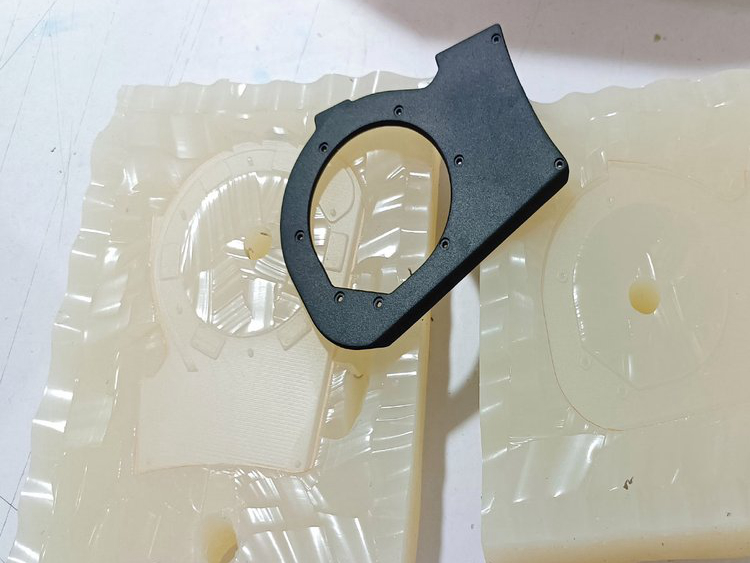
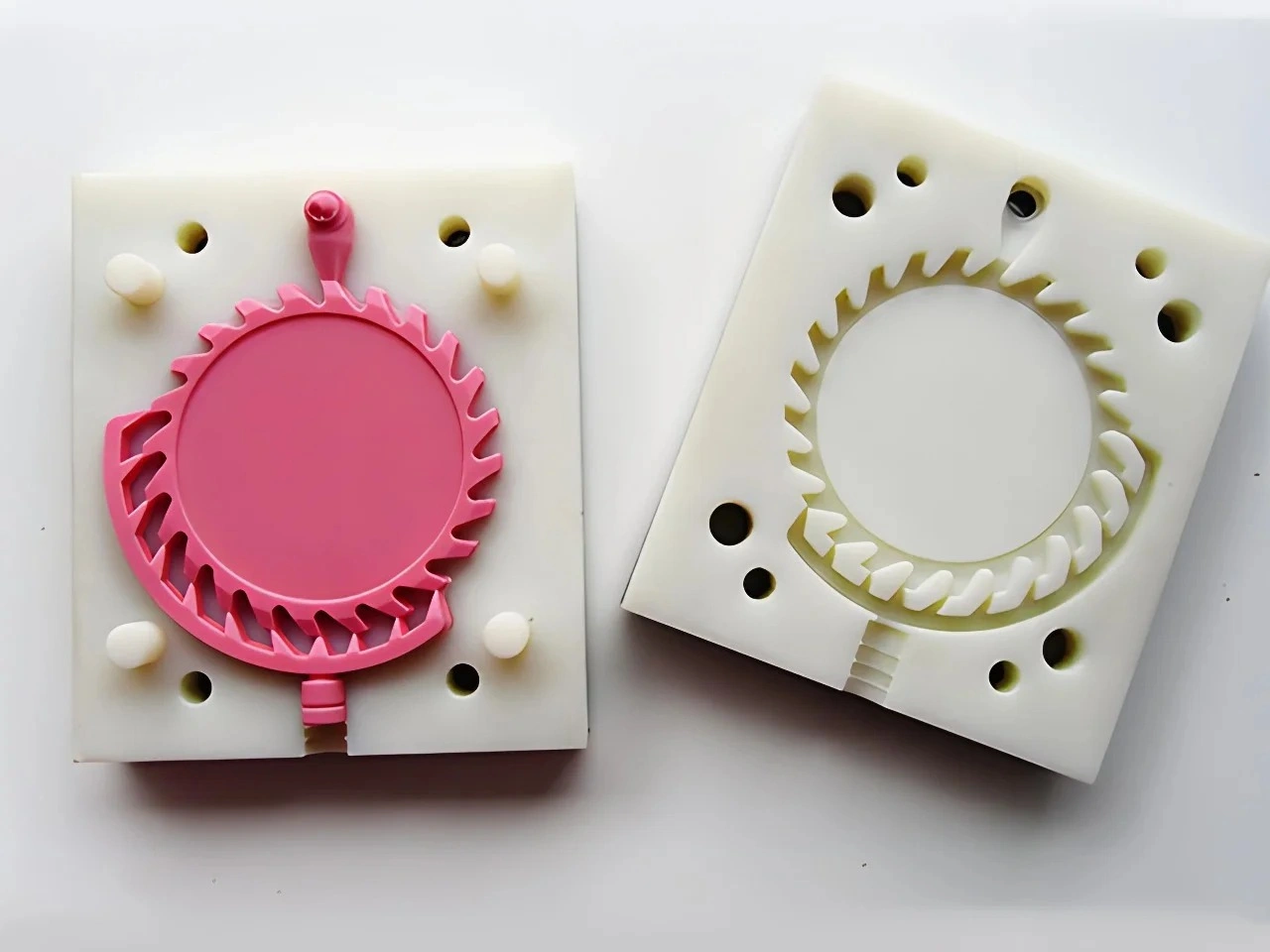
Silicone tooling starts after the master and mold plan are ready. Deep undercuts, fragile details, multi-piece molds, gates and vents can require development. The silicone mold flexibility review should identify demolding risk before calendar dates are committed.
Resin Readiness Is Not Only Availability
The selected polyurethane must fit the named attribute and be available with the required color or additive route. Mixing, vacuum handling, cure, safe demolding and conditioning affect when a part can be tested. A part that leaves the mold is not necessarily at its specified test state.
Record resin designation, cure/post-cure if specified, part age and conditioning. The functional resin screening guide helps form a shortlist; supplier data and the actual test confirm suitability.
Inserts, Finishing and Assembly Can Set the Date
Cast-in hardware, threads, bonded elements and purchased components need their own availability and locating plan. Painting, masking, seam repair and adhesive cure can extend the route after raw castings exist. Reserve these capacities when they are part of functional readiness.
Protect connector seats, threads, sealing areas and bond zones from coating where required. Inspect after final operations if they can change fit. A raw part schedule cannot stand in for a finished assembly schedule.
Link the First Part to the Commercial Release
State whether the first functional part is included in the delivered quantity, consumed by testing or retained as a reference. If destructive testing is required, plan enough castings and identify which results release the remaining lot. Nominal casting quantity and accepted delivery quantity are not necessarily equal.
Define the consequence of a failed test. Geometry correction may require a new master and mold; a resin mismatch may require material reselection; an assembly issue may be corrected outside the tested feature. Price and schedule these paths before urgency forces an improvised decision.
Approvals Must Have Response Times
Name who approves DFM deviations, master, first raw casting and test-ready part. Define the evidence and response deadline at each gate. Work may overlap only when the input is stable or the buyer knowingly accepts the risk of obsolete work.
For urgent programs, a short approval window can matter as much as fabrication capacity. Send dimension results, photographs or physical samples in a format that supports a clear disposition: accept, correct, proceed at risk or stop.
Include a Recovery Path
The first casting can reveal trapped air, incomplete fill, dimensional bias, surface transfer or demolding damage. Identify whether the correction needs a vent/gate change, master repair, mold remake, resin adjustment or revised conditioning. Put the next available slot and approval step into the schedule.
A dated recovery path does not imply poor quality. It distinguishes a capacity-backed project plan from an optimistic date that assumes every first attempt is accepted.
Functional Prototype RFQ
Send controlled CAD/drawing, prototype purpose, functional test and condition, critical interfaces, resin attributes, inserts, finish, quantity, reports, packaging and destination. Identify the required first milestone and whether partial delivery is useful.
Urethane casting is quick when the project removes ambiguity and manages the physical dependencies. The supplier's dated path to an accepted test-ready part is the credible answer; a generic duration is not.