What factors affect the lead time in fast 3D printing?
Fast 3D printing lead time is set by seven linked factors: file readiness, process and material availability, geometry and orientation, build size and quantity, recovery and post-processing, inspection, and logistics. The slowest required stage controls the ship date. Part size alone is not a reliable predictor; build height, scanned area, support access, cooling or cure, material changeover, machine queue and final finish can matter more. A supplier must review the released file and delivery scope before committing a date.
Lead-Time Factor Matrix
| Factor | How it changes time | Buyer control | Supplier evidence |
|---|---|---|---|
| File readiness | Repair, missing units, revision conflict and unanswered DfAM questions stop release | Send one controlled model/drawing package and name an approver | File acknowledgement and question log |
| Process/material | Machine queue, loaded feedstock, changeover and qualification limit start options | Rank performance needs and approve bounded alternates | Named route, material and schedule basis |
| Geometry/orientation | Supports, trapped powder, tall builds, distortion and inaccessible features add risk | Identify load, visible and controlled faces; approve changes without delay | Orientation/build preview and risk notes |
| Quantity/nesting | More pieces may share a build or require additional builds and handling | Separate urgent quantity from total demand | Pieces per qualified build and number of builds |
| Final condition | Cure, heat treatment, support removal, machining, coating and assembly add queues | Specify raw versus final condition at RFQ | Operation sequence and external-process assumptions |
| Inspection | Programming, fixtures, destructive tests and reports add work after finishing | Mark decision-relevant characteristics and sampling | Inspection plan and report date |
| Logistics | Packaging, courier cutoff, customs and destination set transit | Provide address and documents before release | Ship method and included transit scope |
File Readiness Is the First Gate
A closed solid or usable mesh is not automatically production-ready. The supplier needs scale, revision, quantity, material or performance target, finish, controlled tolerances and purpose. Thin walls, unsupported features, closed powder traps and impossible support access require resolution. Every clarification has response time on both sides.
Fast projects benefit from a decision hierarchy. State which features are mandatory, which may change, and which can be omitted for this iteration. Give one person authority to accept an orientation, split line, support witness or local thickening. Repeated stakeholder review can consume more calendar time than printing.
Process Physics Shape the Build
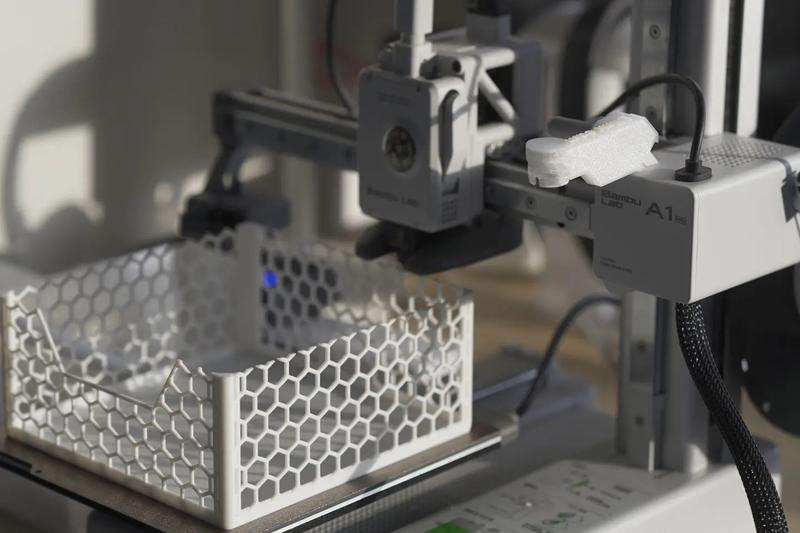
Material extrusion duration follows deposited path length, layer settings, infill and supports. Vat process timing includes exposure strategy plus wash and post-cure. Powder-bed polymer and metal systems can process multiple nested parts, but build height, thermal cycle, cooling and unpacking remain. Metal routes add support/plate removal and often heat treatment. There is no cross-process "hours per cubic centimeter" formula that reliably predicts shipment.
Orientation trades schedule against quality and function. Rotating a part may reduce height but increase support on a seal face or orient layers unfavorably to the load. Splitting a component may shorten or simplify a build but introduces joints and assembly error. Approve these changes against the part's test objective, not speed alone.
Quantity and Capacity Do Not Scale Linearly
Additional parts may fit into unused build space with little effect on machine cycle, or they may force another full build. Nesting can affect packing, thermal behavior and identification. An urgent project should identify the minimum pieces required for the first decision, then schedule the balance separately where practical.
Queue status is transient. A quote should state its validity and what release event secures capacity. Dedicated or expedited scheduling may reduce waiting but cannot eliminate required cooling, curing, heat treatment or inspection. Material already installed on the machine may start faster than an alternate that requires clean changeover and parameter verification.
Finishing and Inspection Are Part of Manufacturing
Support removal can be manual and geometry-sensitive. Powder must be removed from cavities. Resin requires cleaning and cure. Blasting, tumbling, dye, seal, paint and coating add their own preparation and cure. Metal stress relief, machining and inspection often set the final date. The 3D printing post-processing guide helps define the purchased condition.
Inspection requested after completion is a scope change. Mark datums, interface dimensions, surface expectations and report requirements at RFQ. Allow the supplier to propose a focused plan. A concept part does not need production-level inspection; a functional or end-use part should not be released merely because it looks complete.
Schedule Risk and Change Control
Build interruption, distortion, support failure, feedstock issue or failed inspection may require rebuild. The quote should say whether its date assumes one successful build, whether contingency capacity is reserved, and when the buyer will be notified. No supplier can remove technical risk through a fast-service label.
A revision after slicing or build start can invalidate the setup and consumed capacity. Establish a freeze point and price/date rule for changes. If a late change affects only a noncritical label, it may be deferred; if it affects an interface or safety condition, restart the technical review.
Lead-Time RFQ
Send the controlled model and drawing, units, revision, quantity, minimum urgent quantity, purpose, process/material target, controlled features, final finish, inspection and destination. State the requested ship date and the event it supports. The delivery planning answer explains why ship and arrival dates should remain separate.
Ask the additive manufacturing supplier for each milestone, machine/material assumptions, qualified build quantity, post-process routing, inspection release, failure response and logistics scope. Fast lead time is achieved by closing dependencies early and protecting a valid result, not by reporting only the shortest possible print cycle.