What post-processing steps are typically required for 3D-printed parts?
Typical post-processing for 3D-printed parts includes removing loose material and supports, cleaning, applying the required cure or thermal treatment, finishing functional surfaces, and inspecting the final condition. The exact sequence depends on the printing process. Vat resin needs washing and controlled post-cure; polymer powder-bed parts need depowdering; extrusion parts need support cleanup where supports are present; metal powder-bed parts can require stress relief, plate and support removal, heat treatment and machining. Not every optional finish belongs on every part.
Separate Required and Optional Operations
Required operations make the process complete or establish the specified material condition. Examples include removing uncured resin, recovering loose powder, executing a qualified resin cure or metal thermal cycle, and removing supports that interfere with function. Conditional operations solve a drawing requirement: machining a sealing face, installing an insert, smoothing a cosmetic zone, coating an exposed surface or testing leakage.
The distinction matters for quotation and change control. An operation described as cosmetic may still change dimensions or fatigue behavior. An operation described as standard may be unnecessary for the specific material. Ask the 3D printing supplier to return a route sheet with mandatory steps, optional steps and final inspection points.
Process-Specific First Steps
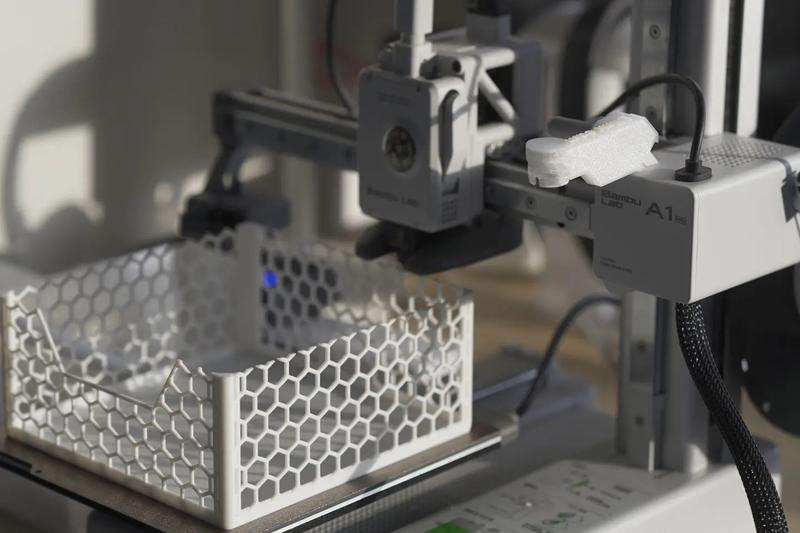
Extrusion parts may have brims, rafts or breakaway and soluble supports. Mechanical removal can mark surfaces; soluble support introduces wash and drying controls. Polymer powder-bed parts must cool under the qualified route, be excavated and cleaned of loose powder, especially in blind holes and passages. Blasting may improve surface consistency but can round small edges.
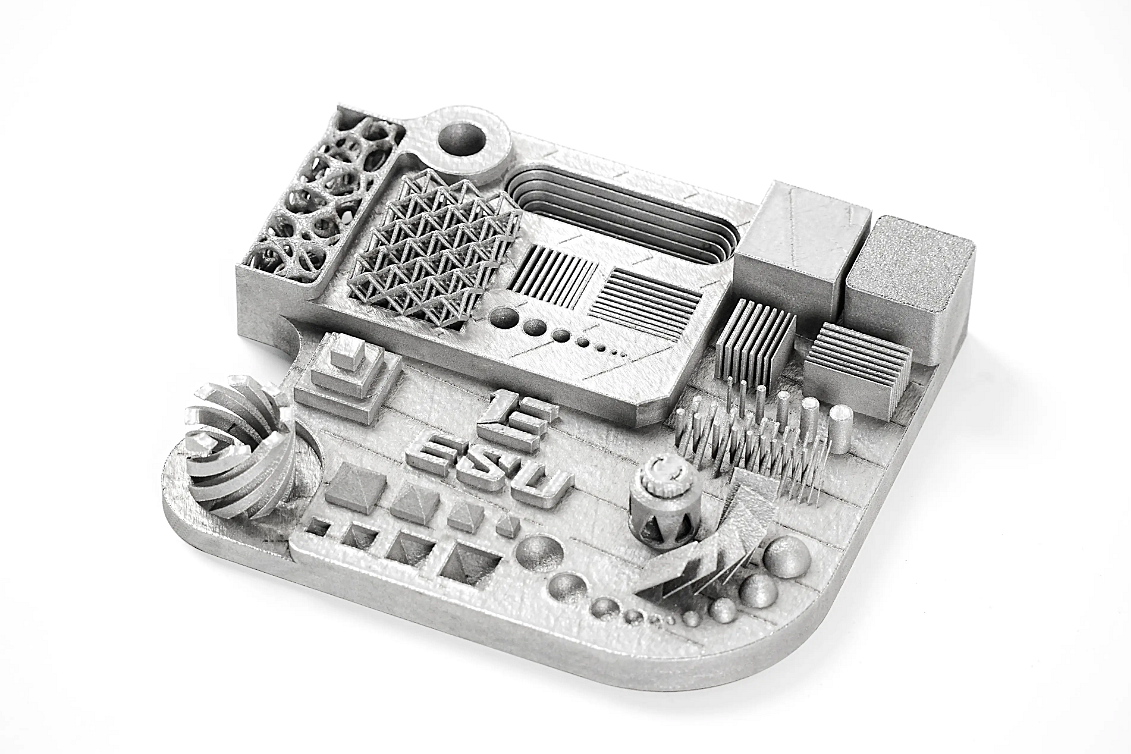
Vat-photopolymer parts leave the machine coated with uncured resin. They need the specified wash, drain and dry sequence before controlled post-cure. Support timing affects deformation and witness marks. Metal powder-bed parts require safe powder recovery and cleaning. Thermal treatment and plate-removal order are selected for alloy, geometry and distortion control; fused supports then require mechanical removal.
Five Post-Processing Functions
| Function | Example operations | Release risk |
|---|---|---|
| Remove process material | Depowder, wash resin, remove supports, trim brim | Trapped media, damaged thin features or contaminated passages |
| Set material condition | UV/thermal cure, stress relief, alloy heat treatment, controlled anneal | Under-process, distortion or condition unlike qualification |
| Create interfaces | Machine datums, ream bores, cut threads, install inserts | Datum error, low wall, insert damage or lost allowance |
| Modify surface | Blast, tumble, sand, polish, dye, paint or compatible coating | Dimensional change, edge loss, exposed filler or poor adhesion |
| Verify delivery | Dimension, visual, clean, leak, load or suitable NDT | Test does not detect the defect governing function |
Cure and Thermal Treatment
Resin post-cure is part of the material definition. Wavelength, time, temperature, orientation and part thickness can affect outcome. Use the supplier's qualified route, then test the cured condition. Annealing a thermoplastic can change crystallinity and dimensions; it should not be added casually after final measurement.
Metal thermal operations depend on alloy and required final condition. Stress relief may manage residual stress before or after separation under a qualified sequence. Further heat treatment changes mechanical response. Hot isostatic pressing is only used when justified by the defect risk and specification. Measure critical dimensions after operations capable of movement.
Machining and Inserts
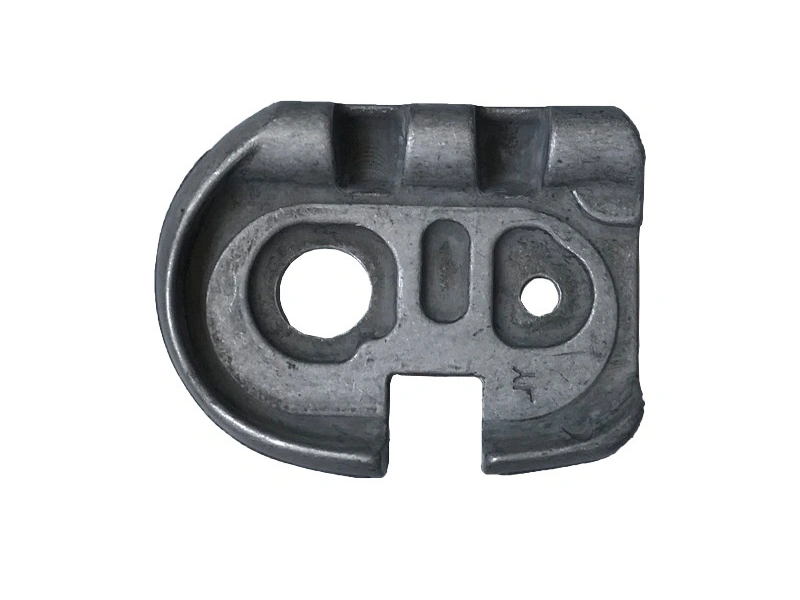
As-printed processes do not economically satisfy every precision interface. Reserve CNC machining for datums, bearing or seal seats, threads and bores that require it. Include stock in the model, provide tool access and select stable fixture datums. Support removal and thermal movement must occur in a sequence compatible with that setup.
Polymer parts may use heat-set, ultrasonic or mechanically retained inserts according to material and geometry. Define installation method, edge distance, torque and pull-out criteria. Repeated assembly can govern an insert joint even if the printed body passes static load.
Surface Finish Is Process- and Material-Specific
Sanding, tumbling, blasting, vapor smoothing, dyeing, painting and coating each have a limited substrate range. Vapor smoothing uses a compatible chemistry and controlled process; it does not guarantee pressure tightness. Powder coating is not a default treatment for thermoplastic prints. Anodizing applies only to suitable metal and surface conditions. Confirm masking, dimensional buildup, edge coverage and adhesion.
Mark cosmetic zones and functional zones separately. Use an approved appearance sample with lighting and viewing conditions when visual consistency matters. A smoother surface may reduce a fatigue initiation site or improve cleaning, but excessive material removal can weaken a thin wall. The drawing should state why the finish exists.
Cleanliness and Internal Passages
Internal geometry can retain powder, resin, support solution, abrasive media or chips. Add escape and access features during design. Define permitted residue and verification. A borescope, mass check, flush validation or cleanliness extraction may be useful depending on the passage and consequence; each method has limits.
Do not coat over uncertain contamination. Cleaning must be compatible with the material and subsequent finish. Fluid parts need separate leak or pressure evidence because a clean passage is not automatically sealed. Record the final cleaning step after machining and finishing.
Inspection and Hold Points
Place hold points before costly irreversible work. Check major metal distortion after thermal treatment and separation before detailed machining. Check resin completeness after wash and before cosmetic labor. Approve a first article through the full sequence before releasing a repeat batch. Final measurement follows every dimension-changing operation.
Send CAD, drawing, process or material constraints, critical dimensions, finish zones, cleanliness, functional tests and documentation with the RFQ. Request the proposed sequence, included operations, inspection stage and exclusions. The complete route, not the raw build, determines whether a 3D-printed part is ready for delivery.