How Low Volume Aluminum Casting Helps Buyers Validate Production Parts
How Low Volume Aluminum Casting Helps Buyers Validate Production Parts
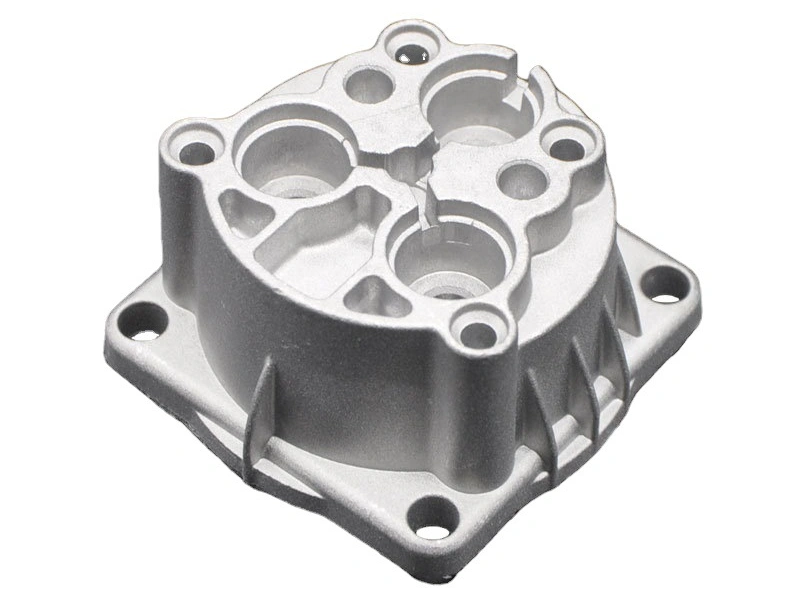
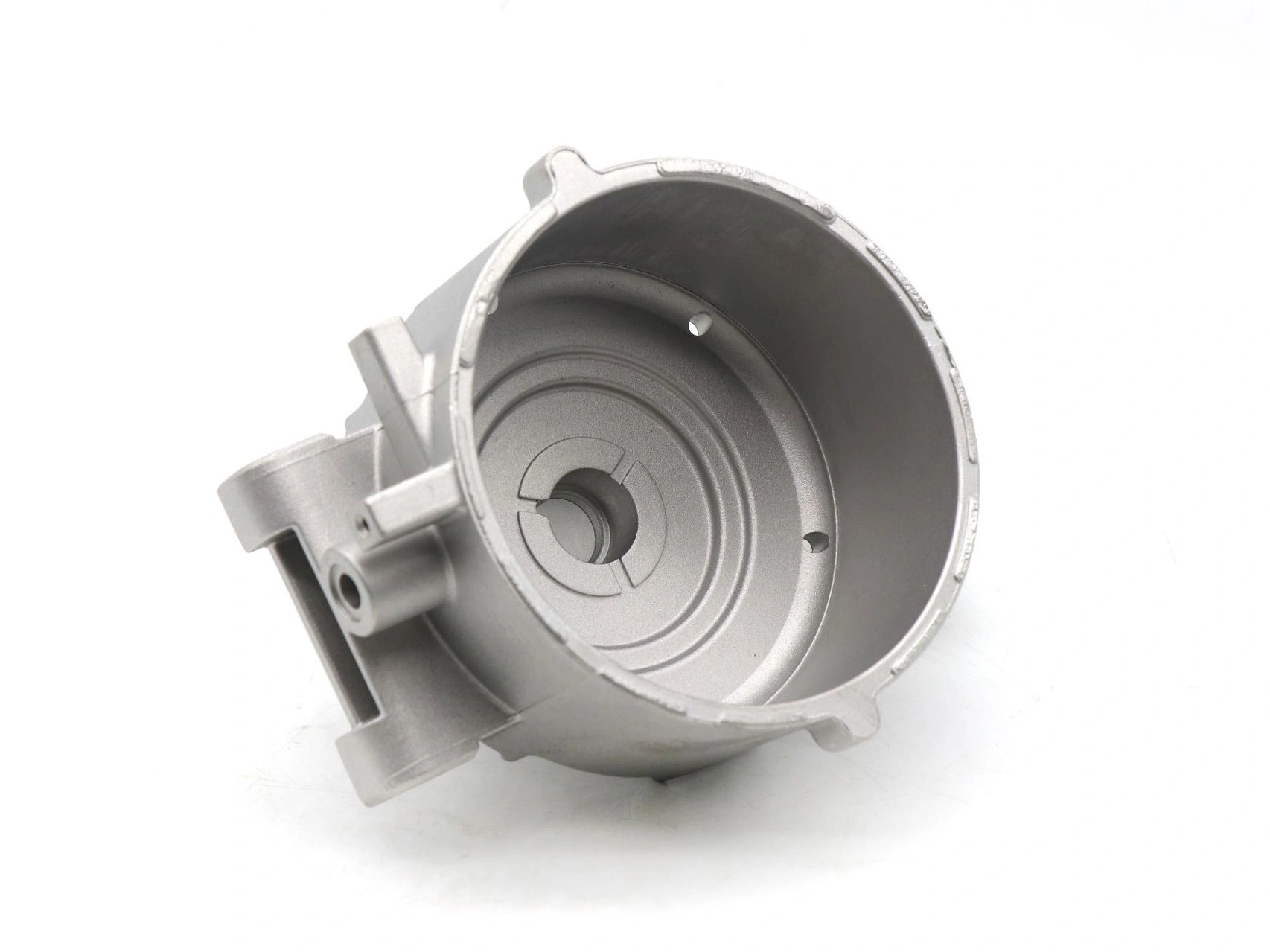
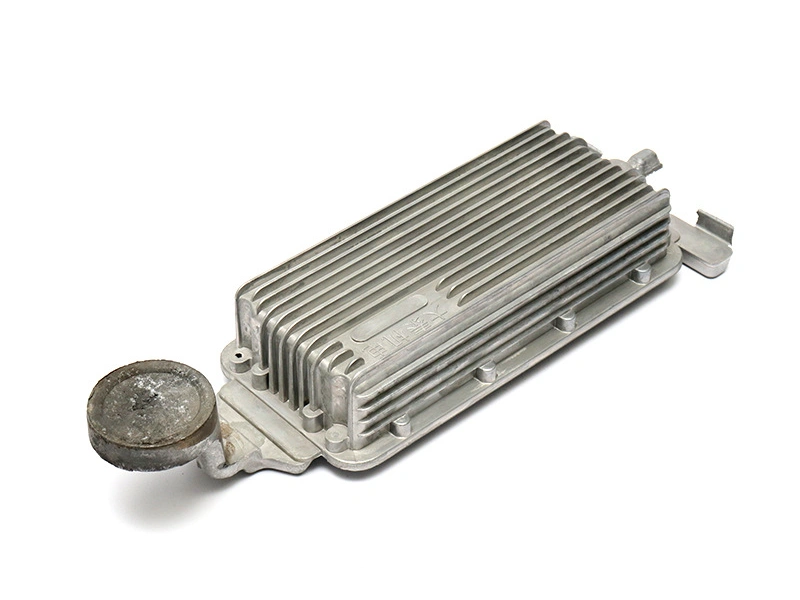
Low volume aluminum casting helps buyers produce custom aluminum parts when the project is beyond a simple concept model but not yet ready for full mass production. It is useful for pilot batches, bridge production, market validation, engineering verification, assembly trials and early production supply. The goal is not only to make a small number of parts. The goal is to learn whether the part can be cast, machined, finished, inspected and repeated reliably.
Buyers usually search this topic when CNC machining is becoming expensive, 3D printing cannot represent the final metal behavior, or full production tooling feels too early. They may need aluminum housings, brackets, covers, heat sink bodies, motor parts, pump components, electronic enclosures or industrial parts in controlled quantities. A successful low-volume route should reduce risk before the buyer commits to a larger production standard.
Low volume aluminum casting can involve different manufacturing routes depending on the part and quantity. Some projects use prototype or soft tooling. Some use sand casting or permanent mold-style routes. Some use aluminum die casting when the geometry, annual demand and repeat order plan justify tooling. The right decision depends on the part design, tolerance, material, surface finish, machined features, schedule and expected scale-up path.
When Low Volume Aluminum Casting Is the Right Route
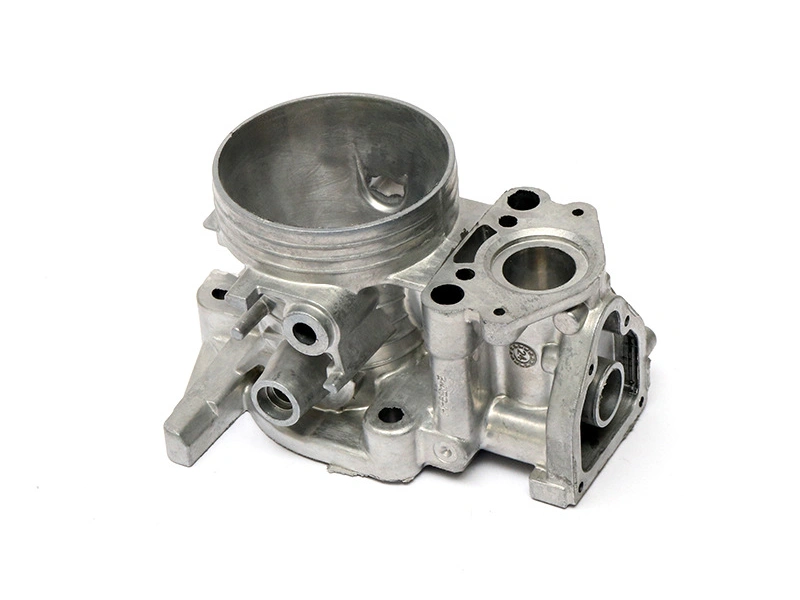
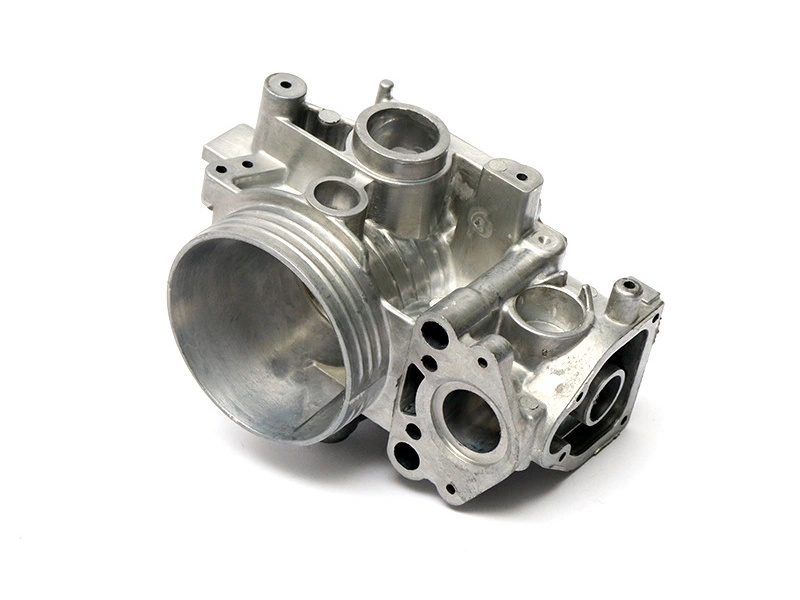
Low volume aluminum casting is the right route when the buyer needs real cast aluminum behavior, not only a visual prototype. It is suitable when wall thickness, ribs, bosses, sealing areas, mounting features, weight, strength, heat dissipation, machining stock and surface finish must be validated before production. It can also help when a buyer needs early units for testing, customer samples or limited launch supply.
The route is less suitable when the design is changing every few days, the quantity is extremely small, the part is a simple plate or block, or every surface must be CNC machined to tight tolerance. In those cases, CNC machining or another prototype method may be faster. The buyer should decide what must be proven: shape, function, casting behavior, assembly fit, finish, cost, or production repeatability.
For projects that sit between prototype and production, low-volume manufacturing can help buyers organize material selection, trial production, inspection and short-run delivery without pretending the project is already a mature mass-production program.
Buyer Situation | Why Low Volume Aluminum Casting Helps | Decision Point |
|---|---|---|
Design is mostly stable | Allows cast aluminum validation before large tooling commitment | Confirm remaining design risks before tooling |
CNC cost is too high | Casting forms near-net shape and reduces machining scope | Compare tooling plus unit cost, not sample price only |
Assembly testing is needed | Real cast parts show fit, fastener and sealing behavior | Define critical dimensions and inspection plan |
Surface finish must be approved | Coating and cosmetic standards can be tested on real castings | Approve finish samples before repeat orders |
Future production is expected | Pilot data can guide mass production tooling and process control | Record material, tooling, machining and QC results |
Low Volume Aluminum Casting vs CNC Machining
CNC machining is often faster for a few simple aluminum parts, especially when the geometry is block-like, the design is still changing, or the project needs only one or two samples. Low volume aluminum casting becomes more attractive when the part has cast-friendly geometry such as ribs, bosses, curved housings, thin walls, hollow forms or features that would waste too much billet material if fully machined.
The comparison should be based on total project cost and validation value. A CNC sample can confirm geometry and assembly fit, but it may not reveal die casting fill, shrinkage, porosity, draft, parting line, ejector marks or coating behavior on cast surfaces. A low-volume casting route can show whether the final manufacturing concept works before larger production begins.
Many buyers use both routes. CNC machining may be used for early design checks, while low volume aluminum casting is used once the design is stable enough to validate castability and production risk. When functional features still need tight control, CNC machining can finish holes, threads, sealing faces and datums after casting.
Route | Best For | Limitation |
|---|---|---|
CNC machining | Very small quantities, simple geometry and fast design changes | May not represent casting behavior or production cost |
Low volume aluminum casting | Cast geometry validation, pilot batches and bridge production | Needs tooling or pattern planning and stable design direction |
Full production die casting | Repeat orders and lower unit cost at larger volume | Requires stronger tooling commitment and locked requirements |
Tooling Choices for Low Volume Aluminum Casting
Tooling is the main decision that separates low volume aluminum casting from one-off prototyping. Buyers may use prototype tooling, soft tooling, simplified tooling or production-intent tooling depending on quantity and risk. The tooling choice affects part accuracy, lead time, unit cost, design change flexibility and the usefulness of the data for future production.
If the design may still change, a lower-cost tooling route can reduce upfront risk. If the buyer expects repeat orders, production-intent tooling may be more useful because it can validate gate location, cooling, ejection, machining stock and cosmetic surfaces more realistically. The wrong tooling decision can make the project look cheaper at first but more expensive after modifications, rework or process transfer.
For die cast projects, tool and die making should be reviewed with the expected production path. Buyers should ask whether the low-volume tool is only for samples or whether it can support pilot runs and future repeat orders.
Tooling Route | Use Case | Buyer Risk |
|---|---|---|
Prototype tooling | Validate shape, fit and early casting feasibility | May not represent production cycle time or long-term wear |
Soft or simplified tooling | Bridge quantities before full tooling | May limit repeatability or surface quality |
Production-intent tooling | Pilot batches with future scale-up | Higher upfront cost and less design-change flexibility |
Full production tooling | Stable design with repeat demand | Poor choice if the design is not frozen |
Material Planning for Low Volume Aluminum Casting
Material planning should match the casting route. A380 and ADC12 are common for aluminum die casting. A360 may be reviewed when corrosion resistance is important. A413 may be considered when fluidity or pressure-tight behavior matters. A356-T6 may be suitable for other aluminum casting routes when heat treatment and mechanical performance are important. Buyers should not assume that one aluminum material can be used in every casting process without trade-offs.
For low-volume projects, the material decision should prove more than raw strength. It should prove whether the part fills correctly, machines cleanly, accepts finishing, meets assembly requirements and can be sourced consistently. If future mass production is expected, the material used in low-volume validation should be close enough to the intended production material to make the test meaningful.
Buyers should include material grade, application environment, load, heat, corrosion, finish and inspection requirements in the RFQ. If the material is open, the supplier should recommend the route based on the part rather than simply choosing the lowest-cost option.
CNC Machining and Surface Finishing After Low Volume Casting
Low volume aluminum casting often produces a near-net part, not a finished component. CNC machining may still be needed for threads, holes, flat pads, sealing faces, bearing bores and datum surfaces. Surface finishing may be needed for appearance, corrosion resistance, brand color, touch feel or environmental protection. These steps should be included in the low-volume plan from the beginning.
Machining validation should confirm fixture location, machining allowance, burr control, thread quality and inspection method. Surface finishing validation should confirm visible surfaces, coating thickness, masking, adhesion, color, texture and packaging protection. A low-volume run is the right time to discover whether coating creates pinholes, whether threads need masking, or whether machined faces expose porosity.
When the casting needs coating or other finishing, powder coating and related finishing requirements should be tested on actual castings before the buyer approves repeat production.
Validation Item | What Buyers Should Check | Output |
|---|---|---|
CNC machining | Threads, bores, datums, sealing faces and burr level | Machining report and approved fixture route |
Surface finishing | Color, texture, masking, adhesion and defects | Finish master or approved sample |
Inspection | Critical dimensions, fit, finish and functional checks | First article or pilot batch report |
Packaging | Scratch protection, labeling and handling method | Delivery standard for repeat orders |
What Buyers Should Include in a Low Volume Aluminum Casting RFQ
A low volume aluminum casting RFQ should give the supplier enough information to judge both the small-batch requirement and the future production direction. Buyers should provide a STEP or X_T file, a PDF drawing, target quantity, expected annual demand, material direction, critical dimensions, machined features, surface finish, inspection requirement, application environment and delivery target. If the order is a pilot batch, bridge order or repeat low-volume program, that should be stated clearly.
The RFQ should also explain which features are still under design review. If the buyer expects possible design changes after testing, the tooling route should allow that flexibility. If the design is already released and the buyer expects repeat production, the tooling and inspection plan should be closer to production intent. This prevents a quote that is technically possible but commercially misaligned with the project stage.
Buyers should define what the low-volume batch must prove. Some batches prove assembly fit. Some prove machining. Some prove coating. Some prove customer demand. Some prove whether the part can transfer to mass production. A supplier can make better recommendations when the validation goal is clear.
RFQ Item | Why It Matters | What It Helps Decide |
|---|---|---|
3D model and 2D drawing | Shows geometry, tolerances, datums and critical surfaces | Tooling route and machining scope |
Quantity and annual demand | Shows whether tooling investment is justified | Prototype, soft or production-intent tooling |
Material direction | Affects casting route, machining and finish | A380, ADC12, A360, A413 or other route |
Finish requirement | Controls surface preparation, masking and approval samples | Coating plan and packaging protection |
Validation goal | Clarifies why the buyer needs low volume parts | Inspection depth and approved scale-up file |
Risk Signals in Low Volume Aluminum Casting Projects
Several warning signs show that a low volume aluminum casting project may be underplanned. One risk is quoting only the raw casting while ignoring CNC machining, finishing, inspection and packaging. The buyer may think the part is inexpensive, but the delivered component may still need important work before it can be assembled.
Another risk is choosing the cheapest tooling route without asking what the tool will prove. A tool made only for rough samples may not support accurate cost, finish or repeatability data. A third risk is approving one sample without checking a small batch. A single good part does not prove that dimensions, burrs, coating and assembly fit will remain stable across repeated parts.
Low volume projects also fail when pilot data is not recorded. If tooling changes, machining fixtures, material records, finish samples and inspection notes are not saved, the next order may start from memory instead of controlled production evidence. This creates avoidable disputes when the buyer expects the same result and the supplier has no locked standard.
How Cost and Lead Time Should Be Evaluated
Low volume aluminum casting cost should be evaluated as a total manufacturing route. The buyer should compare tooling cost, casting unit cost, machining time, finishing cost, inspection cost, packaging and the value of production learning. A route with a lower first quote may become more expensive if it causes rework, design changes or poor transfer to repeat production.
Lead time should also include more than casting time. Tooling or pattern preparation, trial casting, CNC machining, finishing, inspection, sample approval and packaging all affect the schedule. If buyer approval is required after trial samples or finish samples, that review time should be included in the plan. This is especially important when low-volume parts are needed for customer trials or launch schedules.
A practical quote should state what is included and what remains open. Buyers should ask whether the price includes machining, finishing, inspection reports, masking, packaging and future repeat order support. This makes supplier comparisons cleaner and prevents hidden cost from appearing after the order starts.
How to Evaluate a Low Volume Aluminum Casting Supplier
A low volume aluminum casting supplier should be evaluated by engineering response, not only by whether the supplier accepts small orders. Buyers should look for DFM feedback, material guidance, tooling explanation, machining review, finish planning, inspection capability and a clear method for recording pilot batch results. A supplier that only quotes a part price without asking about critical features may miss the reason the buyer needs low-volume validation.
The supplier should explain what will be cast, what will be machined, what surfaces need finishing, which dimensions will be inspected and what records will be delivered. For parts with sealing faces, threads, bores or visible surfaces, the supplier should identify risk areas before the order starts. This helps the buyer decide whether the low-volume batch is only a sample order or a serious step toward production.
Buyers should also confirm communication during trial production. If the first trial shows filling issues, porosity, machining problems or finish defects, the supplier should report the issue and propose a correction rather than quietly shipping parts that may fail assembly. A transparent pilot process is more valuable than a fast shipment with unclear results.
How Low Volume Aluminum Casting Transfers to Mass Production
The value of low volume aluminum casting is highest when the data can transfer into repeat production. Buyers should capture material records, tooling changes, casting parameters, CNC fixture notes, inspection results, finish samples, packaging standards and approved drawings. Without this record, the pilot batch may pass but the next order may repeat the same problems.
Before scaling, the buyer and supplier should review whether the same tooling can continue or whether new production tooling is required. They should also confirm whether machining fixtures, inspection methods and finish standards are ready for larger quantities. If the low-volume run used temporary methods, those methods should not be copied blindly into mass production.
For larger repeat orders, mass production planning should lock the production release package. Neway can help buyers connect low volume aluminum casting with material selection, tooling, CNC machining, surface finishing, inspection and repeat delivery so the project can move from validation to stable supply with fewer surprises.
The final release package should include approved drawings, material grade, tool version, casting notes, CNC program or fixture reference, finish master, inspection checklist and packaging standard. When these records are complete, the low-volume batch becomes a controlled bridge to production rather than a temporary workaround. It also gives purchasing teams a stable basis for repeat quotations instead of asking suppliers to reinterpret the same part every time demand changes.
Screening Quantities for Low Volume Aluminum Casting
Quantity bands are process-screening guides, not supplier MOQs. Sand casting may be practical from roughly 5-500 parts, permanent mold routes often become more attractive around 100-5,000 parts, and production-intent high-pressure die casting usually needs several hundred parts or more to justify tooling and setup. Buyers should compare total delivered cost and the next production stage.
For sample-stage planning, aluminum die cast prototypes for low-volume validation help separate design learning from production tooling.
When several parts must prove repeatability, small-batch die casting controls provide a better reference than one ideal sample.
For bridge supply, buyers can compare low-volume manufacturing for custom casting before selecting a temporary tool route.
Process standards should follow the selected route: ASTM B26/B26M for aluminum sand castings, ASTM B108/B108M for permanent-mold castings and ASTM B85 for die castings. Buyers comparing tooling economics can use tooling and production-volume cost factors to keep the pilot route connected to the later production plan.
When HPDC is one candidate, production-volume fit for aluminum pressure die casting should be reviewed before a low-volume tool is approved.
Short Case: Low-Volume Aluminum Control Cover
A buyer needed 180 aluminum control covers for field validation before committing to a larger die. The risk was not only the outside shape: the cover had a machined gasket face, four threaded bosses and a powder-coated exterior. The selected low-volume route left 1.5 mm stock on the sealing face and used a pilot batch to check flatness, thread fit and coating pinholes.
The buyer approved the finished pilot parts rather than the raw castings. That evidence showed which features needed production-tool correction and prevented the larger tool from repeating the same sealing and masking risks.
FAQ