Which materials are best for rapid 3D printing?
The best material for rapid 3D printing is the available material-process combination that answers the part's immediate engineering question with the least qualification and finishing. Standard photopolymer can suit a detailed visual model; PA12 from a powder-bed process can suit many fit or functional prototypes; an extrusion thermoplastic can suit a concept or fixture; and a qualified metal additive alloy can suit a near-net metal study. None is universally fastest or best. Select by load, environment, surface, tolerance, evidence and schedule.
Material Name Alone Is Not a Specification
Printed behavior comes from feedstock, machine process, parameters, orientation, geometry, post-treatment and conditioning. "Nylon" may describe PA12 or another polyamide processed by powder bed or extrusion, with different moisture response and directional properties. An "ABS-like" photopolymer is a resin designed to resemble selected behavior; it is not injection-molded ABS. A metal alloy designation does not erase porosity, surface, residual stress or orientation effects created by its additive route.
Request the exact trade or grade designation when relevant, process, color, recycled-feedstock policy, build orientation and final condition. Review supplier data with the test method, specimen direction and conditioning visible. If the printed part will substitute temporarily for a molded or cast part, list which properties are intended to correlate and which are not.
Selection Matrix for Fast Materials
| Immediate objective | Candidate material/process | Why it may be fast | Do not assume |
|---|---|---|---|
| Visual detail, texture or master | Standard or application-selected photopolymer in SLA/DLP | Fine layers and direct finishing can support presentation work | Long-term UV, impact, heat or chemical behavior without data |
| Fit, duct, clip or housing study | PA12 or another qualified powder-bed polymer | Parts can be nested and generally avoid attached supports | Injection-molded surface, isotropy, pressure tightness or production-grade finish |
| Low-cost concept, fixture or large form | PLA, PETG, ABS-family or engineering extrusion grade as justified | Machine access and direct toolpaths may suit quick iteration | Properties across layers equal properties along the bead path |
| Flexible seal or grip study | TPU or flexible resin in a compatible process | Direct custom geometry avoids dedicated soft tooling | Compression set, fluid life or tear performance without application testing |
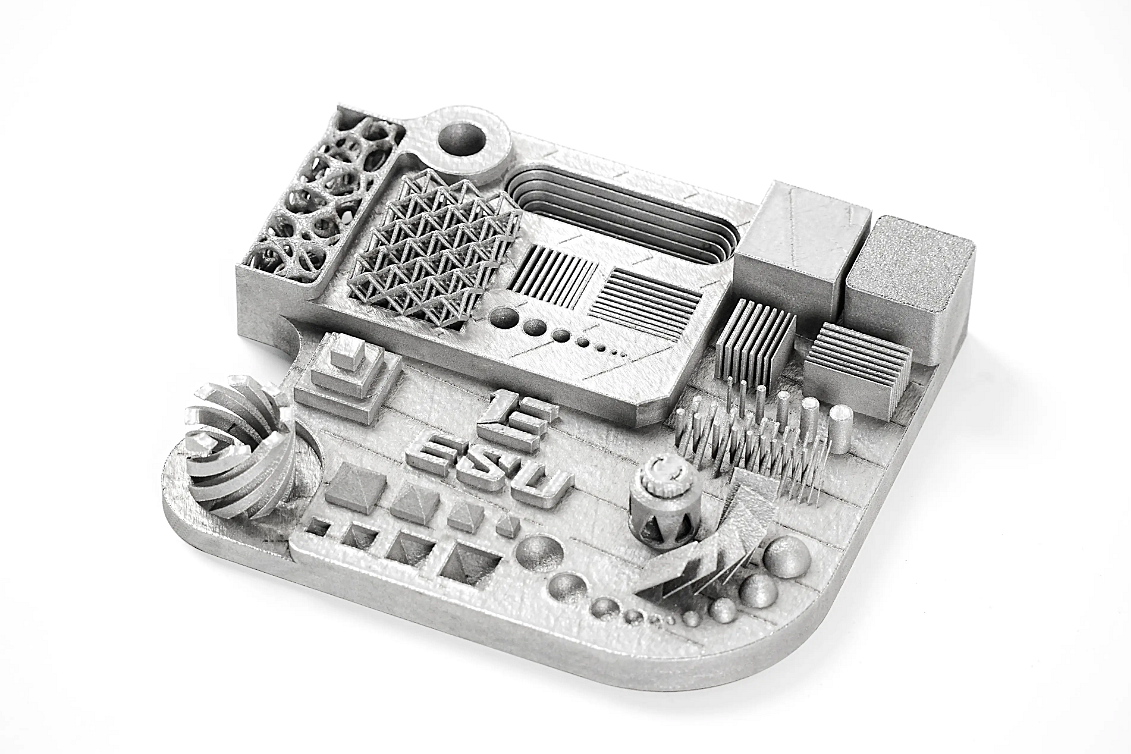
| Metal geometry and hybrid machining | Qualified aluminum, stainless, titanium or other route-specific AM alloy | Near-net complexity may avoid a dedicated forming tool | Machined/wrought/cast properties, medical approval or finished tolerance as printed |
Speed Factors for Polymers
Photopolymers can support rapid visual work, but wash, support removal and post-cure belong to the material condition. Thin unsupported walls can distort, and brittle or aging behavior may invalidate a mechanical test. Use a resin only when its cure state and environment fit the decision.
Powder-bed PA12 is useful for many complex polymer geometries because the powder supports surrounding features. The route still needs cooling, unpacking, depowdering and optional dye or seal. Small internal passages may trap powder. Surface texture and tolerance depend on orientation and feature size, so "no supports" does not mean no design restrictions.
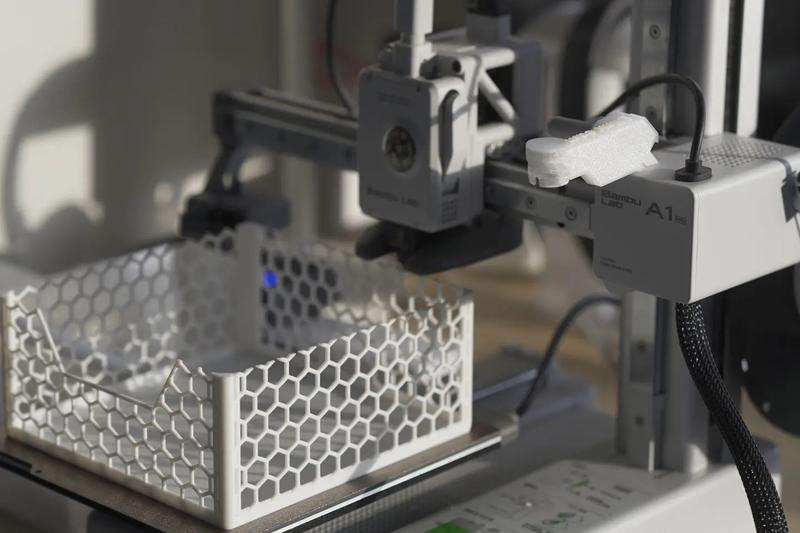
Material extrusion can be quick and economical for concepts and tools. Layer bonding, warpage, support scars and bead texture can govern performance. PLA may print easily for a room-temperature visual or fit check but should not be selected for heat or long-term load without evidence. ABS-family, PETG, polycarbonate, PEI, PEEK and filled materials have different machine, chamber, moisture and parameter requirements; higher nominal performance often adds process control and queue constraints.
Speed Factors for Metal
Metal printing should be quoted in its final required condition. Stress relief, heat treatment, support and build-plate removal, surface cleaning, hot isostatic pressing if specified, and CNC machining can exceed the visible build time. Alloy powder availability and machine qualification narrow substitution options. A fast raw metal build may not be a fast inspected component.
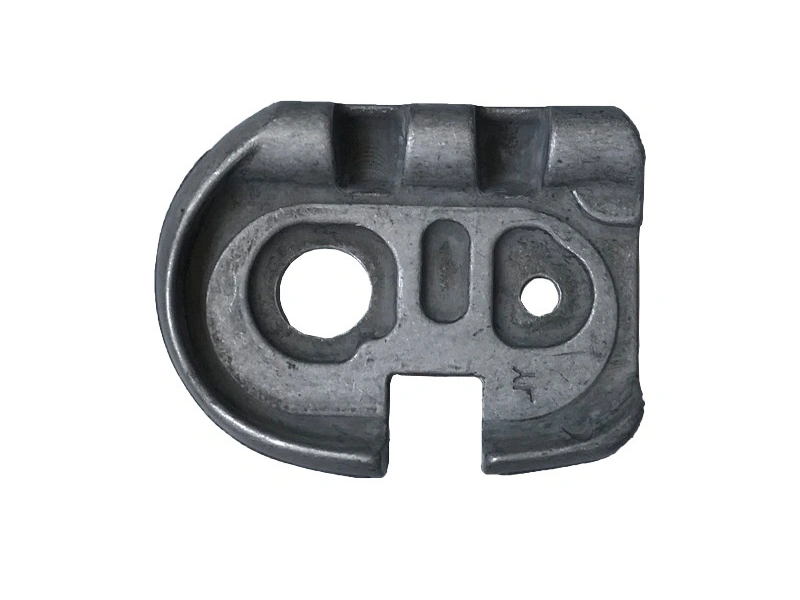
If the objective is production-metal behavior rather than additive geometry, a printed pattern or sand mold followed by casting may answer the question better. If the objective is a precision interface on a complex printed body, reserve machining stock and datums. Material route follows the test purpose.
Match Evidence to the Application
For a visual model, confirm color, cure, appearance and fragility. For an assembly part, measure interfaces after the final finish and conditioning. For a load-bearing part, define load direction, cycles, temperature, fluid and allowable deformation; then test specimens or parts made in the representative orientation and build condition. For pressure or fluid service, inspect internal paths and test leakage under the intended medium and pressure.
End-use, aerospace, medical, electrical, flame or food-contact claims require the relevant documentation and product-level validation. A material datasheet does not approve a geometry, and a polymer family name does not prove compliance. The temperature and chemical selection guide is useful only when exposure and test method are defined.
Material RFQ
Tell the supplier whether the part is for appearance, fit, function, tooling or sale. Provide load, direction, temperature, fluid, UV, electrical, flame, cleanliness and duration requirements that matter. State the finish, color, controlled dimensions, permitted orientation evidence, quantity and requested date. The broader 3D printing material guide can help create the shortlist.
Ask for exact material and process, availability, machine family, orientation, layer/build condition, post-treatment, data source, lot traceability and tests. Also ask which readily available alternate would preserve the same decision if the first choice delays the build. The best rapid material is not the one with the strongest adjective; it is the one whose known limitations still allow the part to produce valid evidence on schedule.