What makes rapid sand casting faster than traditional casting?
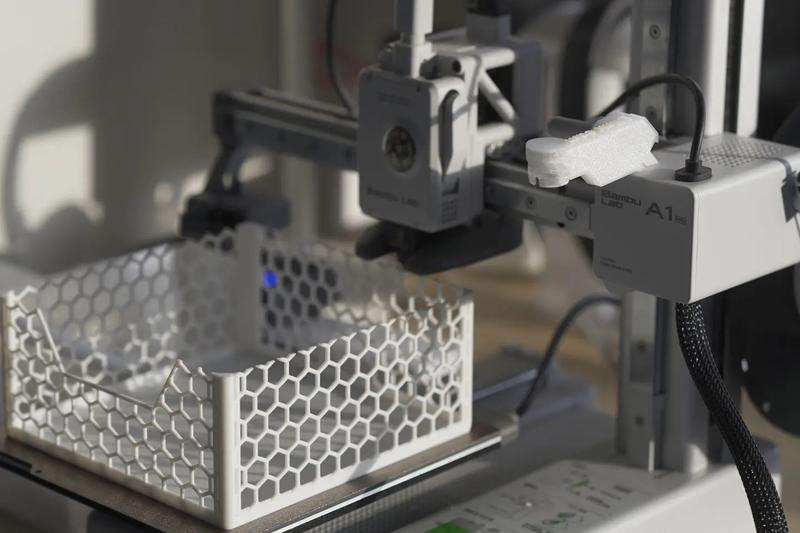
Rapid sand casting is faster mainly because digital pattern-making or direct sand printing shortens the mold-preparation stage. A disposable pattern can be 3D printed or quickly machined from released CAD, avoiding a long-life production pattern. Alternatively, binder-jet equipment can print the sand mold and cores directly, removing the physical pattern and core-box steps. Neither route inherently shortens melting, safe pouring, alloy-dependent cooling, cleaning, heat treatment, machining or inspection.
Two Ways to Compress Mold Preparation
In the rapid-pattern route, the supplier applies shrinkage and machining allowances, splits the pattern, adds core prints and creates a physical master. The foundry then makes the sand mold conventionally around that pattern. This route can be economical for several molds and may use familiar foundry handling. Pattern print time, stability, surface and withdrawal geometry affect the result.
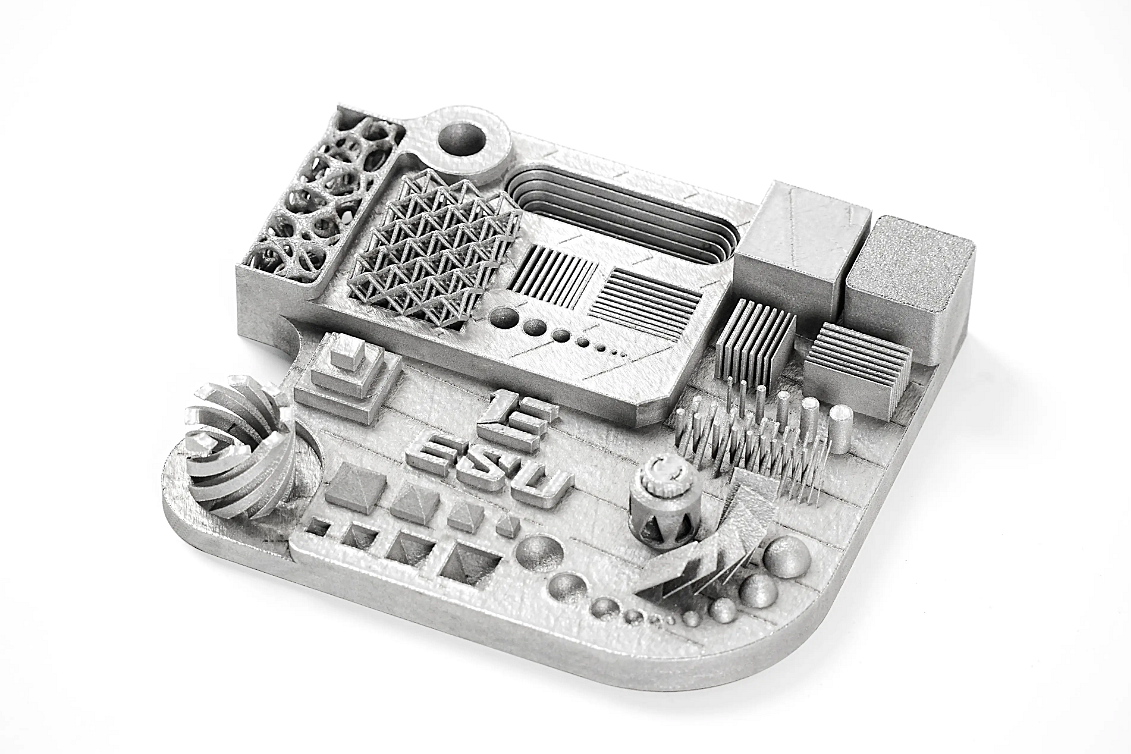
In the directly printed sand route, digital mold and core files go to a sand binder-jet machine. Pattern withdrawal and a dedicated core box are not required. This helps with intricate core geometry or very low quantities. Build-box availability, sand/binder system, printed resolution, depowdering, mold strength and transport still need control. Direct printing is not automatically the faster route if machine queue or outsourced logistics dominate.
Route Comparison
| Question | Rapid physical pattern | Directly printed sand |
|---|---|---|
| Where time is saved | Quick disposable pattern instead of durable pattern equipment | No physical pattern or core box for the printed mold set |
| Geometry limit | Pattern withdrawal, parting and core assembly remain | Withdrawal constraint reduces, but handling and cleaning remain |
| Repeat molds | Pattern may be reused if it remains stable | Each mold set is printed from controlled data |
| Main schedule risk | Pattern build, correction and foundry mold slot | Print capacity, outsourced transport and mold damage |
Digital Data Must Be Foundry-Ready
A product CAD file is not automatically mold-ready. The casting team still defines parting, draft where the route needs it, cores, vents, gates, runners, risers, filters, allowances and datum targets. Direct sand printing can form geometry that a reusable pattern cannot withdraw, yet unsupported sand, thin mold sections and difficult core removal can make the concept impractical.
Early engineering review saves time by resolving these questions before pattern or mold files are printed. Freeze the product revision and mold-data revision separately so a fast correction does not create an unidentified casting.
Modern Sand Systems Do Not Remove Process Control
Chemically bonded sands and green-sand systems have different preparation, strength, collapsibility, gas and reclamation behavior. One is not universally faster or more accurate. For a prototype, the foundry selects a system compatible with alloy, section thickness, mold size, surface requirement, ventilation and available equipment.
Binder cure and mold handling must fit the schedule. A strong rigid mold can preserve geometry but may complicate shakeout or hot tearing for some combinations. Printed sand binder level affects strength, gas and surface. The supplier should identify the selected system and the controls relevant to the part rather than treating "rapid sand" as one standard material.
Parallel Work Reduces Calendar Time
Machining-fixture design, inspection programming, alloy sourcing and finish sample preparation can overlap with mold-data preparation after their inputs are stable. This is where project coordination saves calendar time. Starting every task immediately is not the goal; starting independent tasks after a controlled release is.
Use milestone approvals for DFM, mold concept, pattern or printed-sand data, first pour and final inspection. State who can approve deviations and how quickly responses are expected. Buyer response time can become the critical path even when the foundry's physical work is fast.
Pour to Delivery Still Needs Time
Alloy procurement and furnace scheduling precede pouring. Cooling depends on material and section and cannot be compressed without review. Shakeout, core removal, gate and riser cutting, grinding and blasting follow. Heat treatment, post-machining, coating and external tests can exceed mold-preparation time.
A schedule should show these stages and dependencies. The buyer can reduce scope by machining only functional interfaces or deferring a cosmetic finish if the prototype purpose allows. Any reduced scope must be identified on the delivery condition so an unfinished sample is not mistaken for a production-equivalent part.
When Rapid Sand Casting Is Not the Fastest Route
A simple block-like part may be faster to CNC machine from available stock. A small internal geometry may suit metal additive manufacturing if build and post-processing capacity are ready. A polymer model may answer an assembly question without waiting for a metal pour. Choose the minimum process capable of answering the test question.
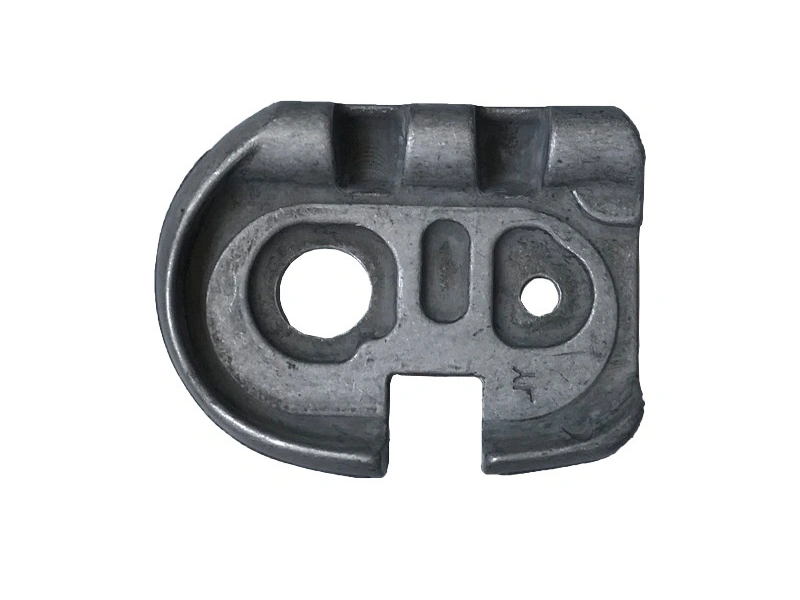
Rapid sand casting is a strong candidate when a foundry alloy, cast geometry, large envelope or several near-net metal blanks matter and permanent tooling is not justified. Request route-specific schedules rather than deciding from the word rapid.
RFQ Information
Send released CAD and drawing, alloy, quantity, prototype purpose, critical sections, machining zones, final finish, material and functional tests, inspection reports and required date. Ask the supplier to return the pattern or direct-sand route, outsourced stages, approvals, furnace and machining assumptions, delivery condition and critical path. Rapid sand casting is faster when digital mold preparation and the rest of the foundry workflow are planned as one controlled schedule.