When Do Cast Parts Need CNC Machining Services for Low Volume Production?
When Do Cast Parts Need CNC Machining Services for Low Volume Production?
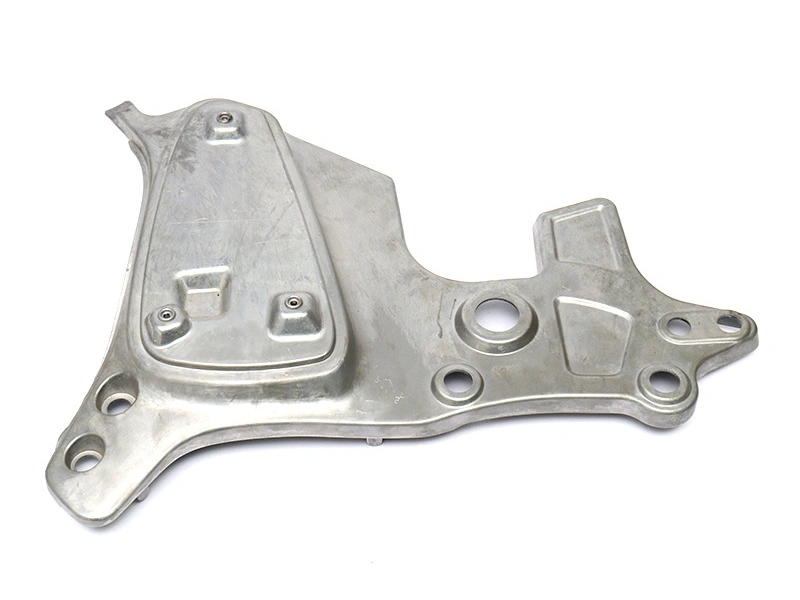
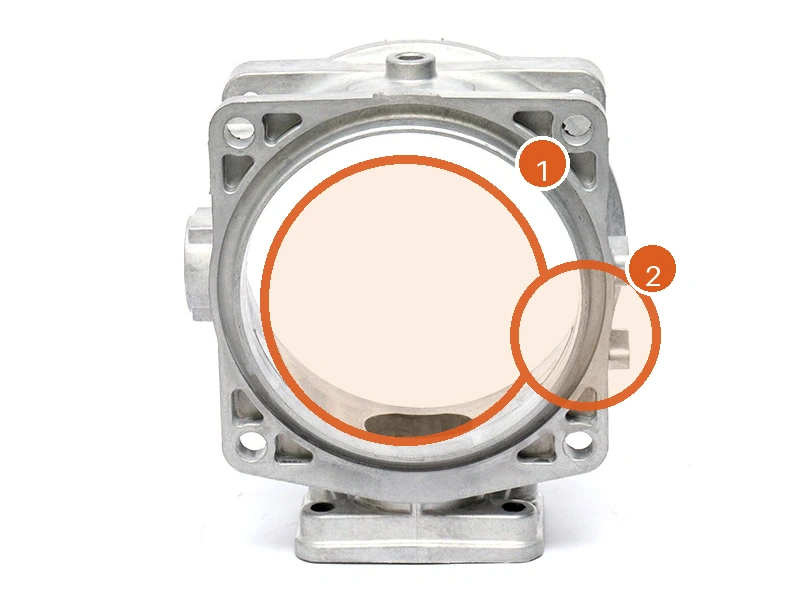
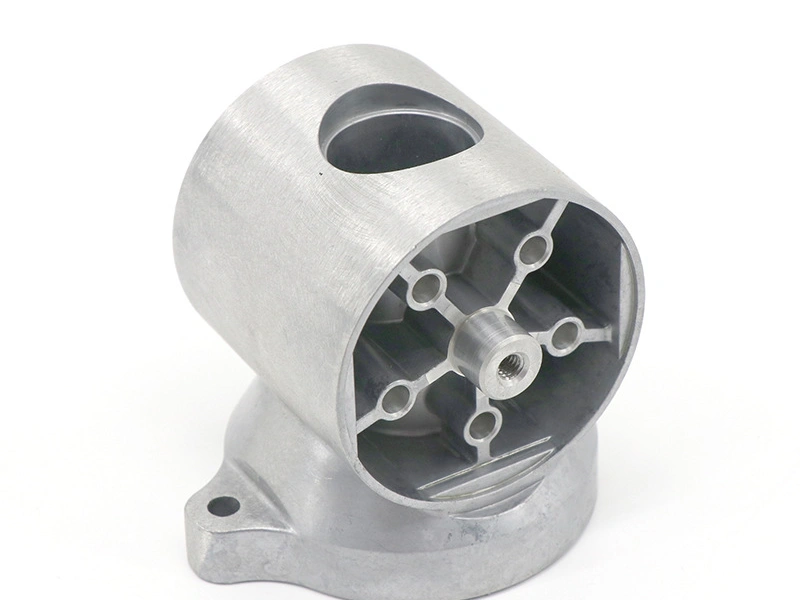
Cast parts need CNC machining services for low volume production when as-cast features cannot meet the part's functional requirements. Common triggers include threaded holes, sealing faces, bearing bores, locating surfaces, flat mounting pads, precise slots, gasket areas and datum surfaces. The part may be cast near-net shape, but these features still need controlled machining to support assembly, sealing, fastening, movement or inspection.
For buyers, the decision is not whether CNC machining is technically possible. The decision is which features justify machining in a low-volume production batch. Machining every surface can raise cost without improving performance. Machining too little can create assembly problems, leakage, loose fasteners or inconsistent inspection results. A practical machining plan separates as-cast surfaces, machined functional surfaces and cosmetic surfaces before the first batch starts.
For low-volume post-machining, buyers can review CNC post-machining for assembly fit and functional reliability and why die cast parts need CNC machining after casting.
Post machining is normally justified when assembly needs about +/-0.05 to +/-0.10 mm, controlled thread geometry, a sealing surface or a specified roughness such as Ra 1.6-3.2 micrometers. Nonfunctional walls and ribs should remain as-cast when possible. The drawing must identify that boundary before suppliers quote cycle time.
Common Signals That Post Machining Is Needed
Signal | Why As-Cast May Not Be Enough | Typical CNC Operation |
|---|---|---|
Threaded holes | Thread pitch, depth and alignment need controlled cutting | Drilling, tapping, thread milling and deburring |
Gasket or sealing face | Flatness and surface roughness affect sealing | Facing, roughness control and flatness inspection |
Bearing or shaft bore | Roundness and diameter usually exceed casting capability | Boring, reaming or precision finishing |
Locating feature | Assembly position depends on feature relationship | Datum machining, drilling and CMM verification |
Mounting pad | Flat contact area controls installation stability | Face milling and height measurement |
Why Low Volume Changes the Machining Decision
Low-volume production changes the cost balance. A dedicated fixture may be justified if the feature relationship is critical, but a complex fixture may not be necessary for a simple clearance feature. A buyer ordering 30 cast housings may need a different machining plan than a buyer ordering 3,000 parts. The process should use enough fixture control and inspection to protect function, without adding mass-production tooling cost that the quantity cannot absorb.
Low-volume batches also reveal whether the process can repeat. If the first ten castings vary in stock condition, the machining supplier must handle that variation without constant manual adjustment. This is why cast blank review matters before quoting. The supplier should know whether the castings are die cast, sand cast, trimmed, heat treated, blasted or supplied in raw condition.
How Buyers Should Mark the Drawing
Buyers should mark which features are critical and which surfaces can remain as-cast. The drawing should identify datum surfaces, threaded holes, sealing faces, bores, flatness requirements, surface roughness and any true position callouts. If the drawing applies tight tolerances to every surface without a functional reason, the quote may become expensive and the inspection plan may become harder than necessary.
A useful drawing tells the supplier where CNC machining adds value. For example, a cast motor cover may need a machined bearing seat and bolt circle, but the outer ribs can remain as-cast. A valve cover may need the gasket face machined and leak-tested, but hidden pockets may only need cleaning and deburring. Clear marking prevents both under-processing and over-processing.
When Machining Should Not Be Added
Machining should not be added just because a surface looks rough in CAD or because the buyer wants a perfect sample. If the surface is hidden, non-contact and not tied to assembly, as-cast condition plus deburring may be enough. Adding CNC machining to these areas can increase cost, create extra fixture setups and introduce new burrs without improving the product.
Buyers should also avoid machining cosmetic surfaces before confirming the final finish route. A blasted or powder-coated surface may hide minor casting texture, while a machined cosmetic surface may show tool marks or require additional polishing. The better approach is to connect machining decisions with function, finish and inspection instead of treating CNC as a default cleanup step.
When in doubt, buyers can ask the supplier to classify every surface as functional, cosmetic or non-critical. This quick review often removes unnecessary machining while protecting the features that actually decide product approval. It also gives purchasing a clearer way to compare quotations because suppliers are pricing the same machining scope.
Neway Support for Low Volume Post Machining
Neway supports low-volume cast part projects through post machining, CNC machining, finishing and inspection. When the project includes cast blanks, the machining review can consider casting allowance, parting line cleanup, fixture access and functional surfaces together. This is especially useful for buyers who need a small production batch that still must assemble and perform reliably.
The best decision is usually feature-specific. Machine the faces, holes and bores that control function. Leave non-functional surfaces as-cast when they do not affect fit or customer acceptance. Then verify the first batch with inspection evidence that matches the drawing and the real application. This keeps low-volume production efficient while still giving the buyer reliable parts. It also creates a clear standard for repeat orders and later revisions.