Casting vs Machining: How Buyers Choose the Right Route
Casting vs Machining: How Buyers Choose the Right Route
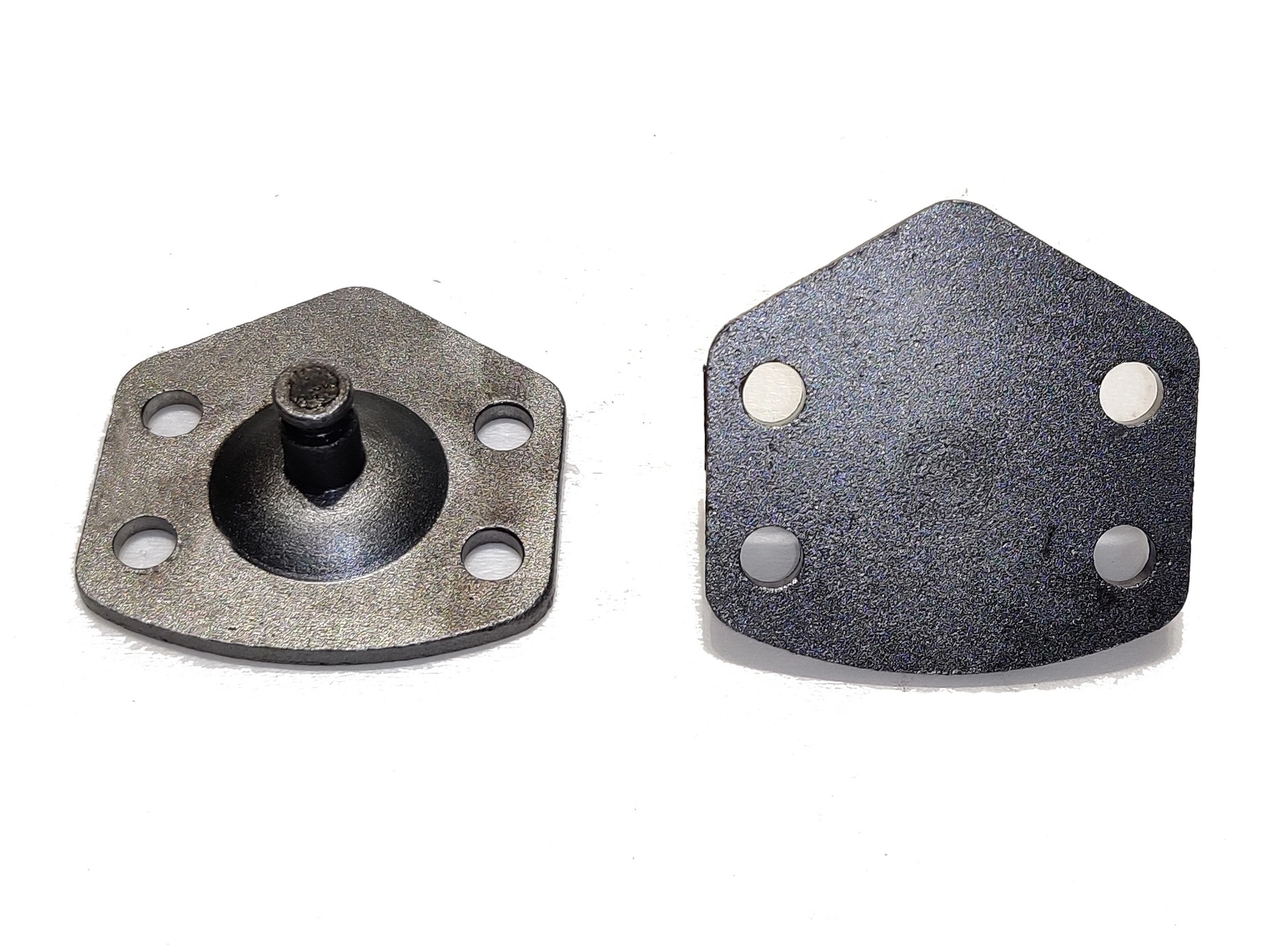
Casting vs machining is a route decision for custom metal parts. Casting forms a near-net shape from molten metal using a mold, die or pattern. Machining cuts material from billet, plate, bar or casting blanks to create accurate features. Many production parts use both methods, but the buyer first needs to decide which route should carry the main shape and which route should finish critical features.
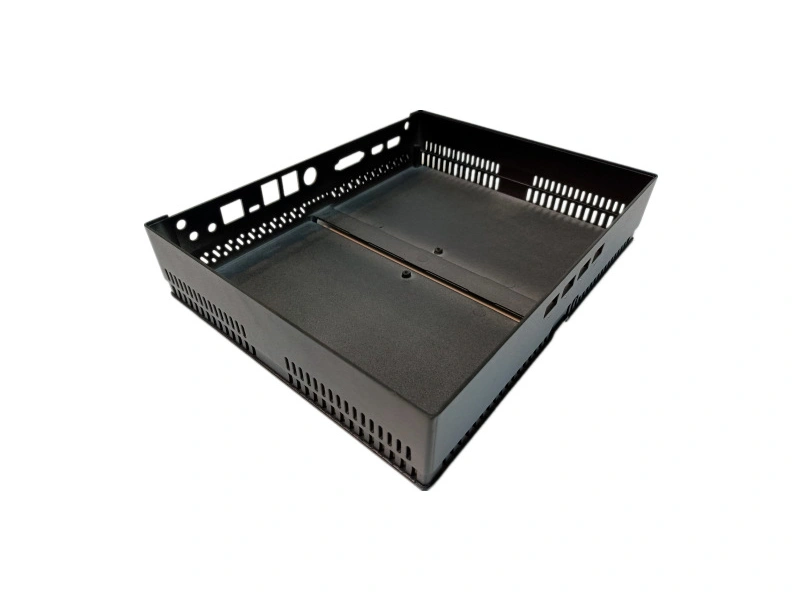
Buyers compare casting and machining when they need housings, covers, brackets, pump bodies, gear cases, lighting bodies, motor covers, fixtures or custom metal components. The best route depends on geometry, volume, material, tolerance, lead time, tooling budget, surface finish and production stage. A simple precision plate may be better machined. A hollow housing with ribs and bosses may be better cast, then locally machined.
The wrong route can create high cost or weak production evidence. Machining every part from billet can waste material and time when the part is hollow or complex. Casting too early can waste tooling cost when the design is still changing. A practical decision compares the part's shape, accuracy requirements and future volume before committing.
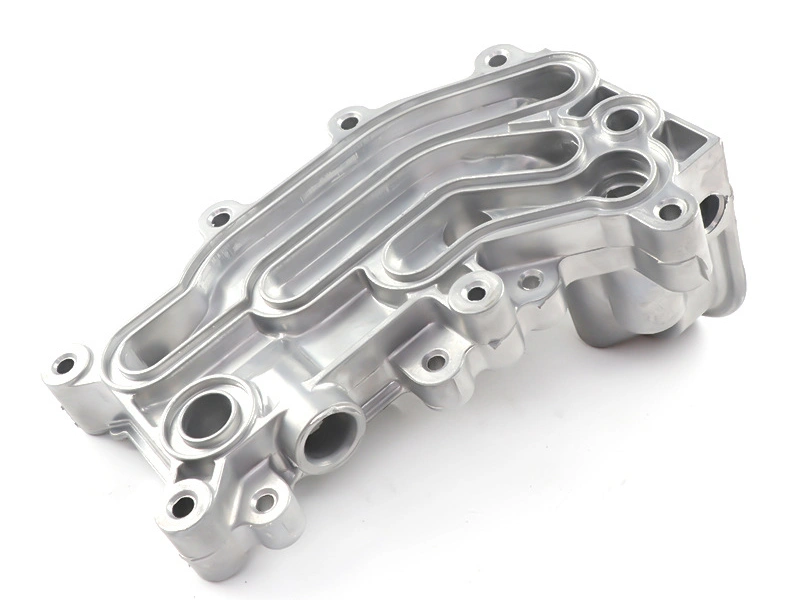
Quick Comparison of Casting and Machining
Casting is usually stronger when the part has a complex outer shape, internal cavities, ribs, bosses, curved surfaces or medium-to-high production volume. Machining is usually stronger when the part needs very tight tolerances, frequent design changes, low quantity or material properties from wrought stock. The decision is not about which process is better overall; it is about which process answers the part's current requirement.
Decision Factor | Casting | Machining |
|---|---|---|
Complex hollow shape | Usually efficient after tooling | Can waste material and time |
Very tight tolerance | Often needs local machining | Strong fit for precision features |
Early design change | Tooling changes can be costly | Flexible for prototypes |
Production volume | Tooling can reduce unit cost | Unit cost may remain higher for complex parts |
Material waste | Near-net shape reduces waste | Billet machining can remove large stock |
Surface finish | Depends on casting route and finishing | Machined finish is more directly controlled |
When Casting Is the Better First Route
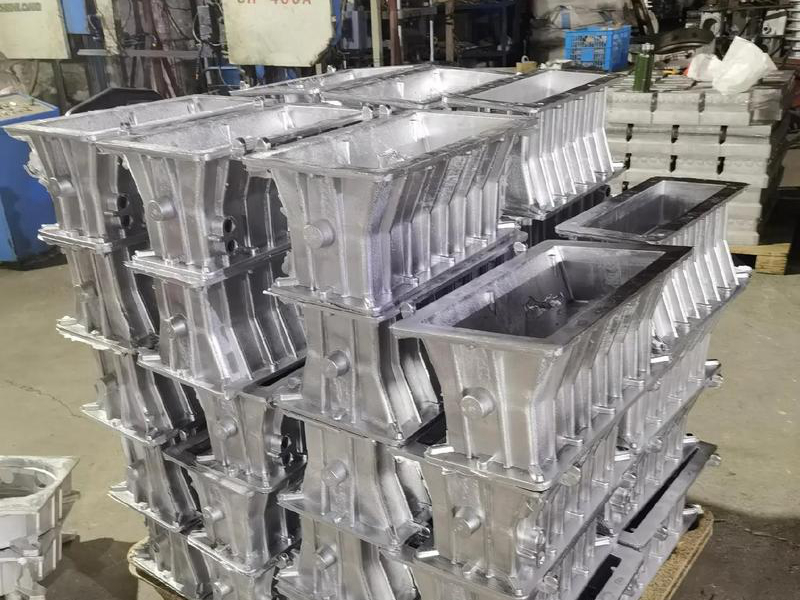
Casting is often the better first route when the part has a shape that would be inefficient to machine from solid stock. Housings, pump bodies, covers, gear cases, motor shells, handles and large brackets often have hollow sections, ribs, bosses, curved walls or material distribution that casting can form more efficiently. Casting can reduce material waste and create the main form before local machining. When functional features need tighter control, casting and machining service for precision custom metal parts helps define which areas should be machined after casting.
Casting also makes sense when the design is stable enough to justify tooling or pattern work and when future volume can spread tooling cost across multiple parts. The buyer should still define which features need CNC machining after casting. Sealing faces, threaded holes, bearing bores, datum pads and tight assembly features often need machining even when the main shape is cast. For quote review, whether casting and machining is more cost-effective than full CNC machining helps buyers see which requirement is actually moving the unit price.
When Machining Is the Better First Route
Machining is often the better first route when the buyer needs only a few parts, expects design changes, needs tight tolerances on many features or requires wrought material properties. CNC machining can produce accurate prototypes quickly without tooling. It is useful for early engineering validation, fixture parts, precision blocks, plates, small batches and parts with many machined features. When holes, threads or datum faces control assembly, tolerances in CNC post-machining after casting gives buyers a useful check before releasing the drawing.
Machining may also be better when every surface is precision-controlled. If a casting would need nearly every surface machined, the casting route may not save enough cost. Buyers should compare the full process, including tooling, casting, machining, finishing and inspection.
Where Casting and Machining Overlap
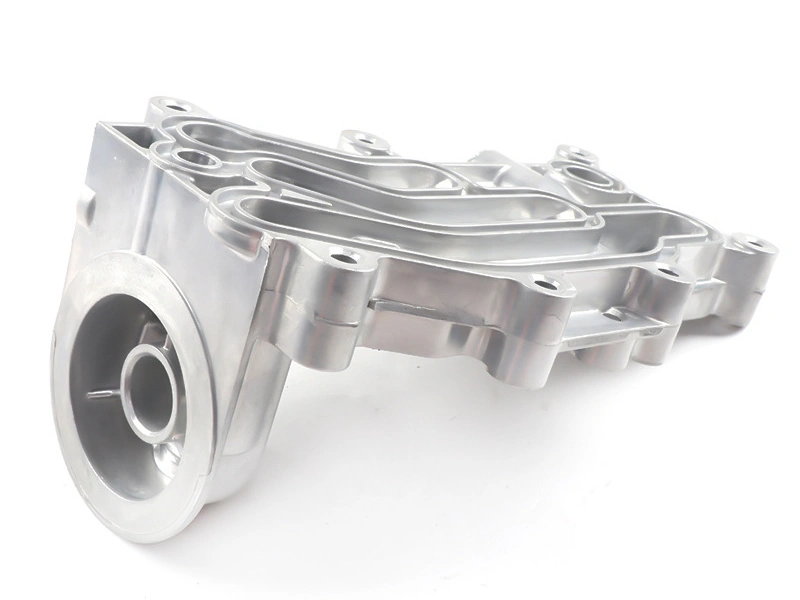
Many production parts use casting for the main shape and machining for precision areas. This is common for pump housings, valve covers, gear cases, motor covers and aluminum enclosures. The cast blank forms the near-net shape. CNC machining finishes threaded holes, sealing faces, bores, slots and datum surfaces.
The overlap creates a third decision: not casting or machining alone, but which features should be cast and which should be machined. Buyers should mark functional features on the drawing and separate as-cast surfaces from machined surfaces. This reduces unnecessary machining while protecting assembly and sealing requirements.
Cost Comparison: Casting vs Machining
Casting often has higher upfront tooling cost but lower unit cost at volume. Machining often has lower upfront cost but higher material and cycle cost for complex parts. The crossover depends on part size, complexity, material, quantity, tooling cost, machining time and finishing requirements. Buyers should compare total cost at the target quantity, not only prototype price.
A machined billet housing may be cheaper for two samples. A cast housing with CNC-machined critical features may be cheaper for 200 or 2,000 parts. A casting route can also provide production evidence that billet machining cannot. The buyer should decide whether the current order is for learning, pilot validation or repeat supply.
Tolerance and Inspection Differences
Machining can hold tighter tolerances than most as-cast surfaces, but casting can be accurate enough for many non-critical features. A practical drawing uses casting tolerance for general form and machining tolerance for functional features. Over-tolerancing every cast surface increases cost and can create unnecessary disputes.
Inspection should follow the route. Cast features may be checked for fill, flash, porosity, parting line and general dimensions. Machined features may use CMM, thread gauges, plug gauges, height gauges or fixture checks. The buyer should identify which dimensions are critical before requesting reports.
Prototype, Low-Volume and Production Decisions
Prototype stage often favors machining because it allows fast design changes. Low-volume stage may use CNC machining, prototype casting or bridge tooling depending on what must be proven. Production stage often favors casting when part geometry and volume justify tooling. A staged route can reduce risk: CNC for shape, casting for manufacturing validation, production tooling after demand and design are stable. For machined interfaces, when prototype casting is better than CNC machining or 3D printing should be reviewed before tooling so allowance and fixture access are not missed.
For low-volume projects, buyers should decide whether they need parts or evidence. CNC can deliver accurate parts. Casting can deliver evidence about material flow, surface, machining stock and finish. The correct route depends on what the next decision requires.
Short Example: Pump Housing
A buyer needed a pump housing with a hollow body, mounting bosses, a gasket face, threaded holes and a powder coated exterior. CNC machining from billet could make early prototypes, but material waste was high and the future part needed casting. The production route used casting for the main housing and CNC machining for the gasket face and threaded holes.
The buyer did not choose casting to avoid machining. The buyer chose casting to create the main shape efficiently, then used machining where precision mattered. That distinction is the heart of casting vs machining decisions.
What to Include in a Casting vs Machining RFQ
A casting vs machining RFQ should include the 3D model, 2D drawing, quantity, future volume, material, application, critical dimensions, tolerance requirements, surface finish, inspection needs and target production stage. The buyer should ask suppliers to recommend which features should be cast, which should be machined and what evidence each route provides.
Neway can review casting and CNC machining routes for custom metal parts. This helps buyers choose a practical path based on part geometry, quantity, tolerance and finished-part risk.
Material Choice in Casting vs Machining
Material choice can push a part toward casting or machining. A machined prototype may use 6061, 7075, stainless steel, brass or other wrought stock. A cast production part may use A380, ADC12, A356-T6, zinc alloy, ductile iron or another casting alloy depending on the process. Buyers should not assume a machined prototype material will behave like the future casting material.
If material properties are critical, the route should be chosen carefully. Wrought material may provide different strength, elongation or anodizing response than a cast alloy. Cast material may provide better near-net shape efficiency but require porosity and machining review. The RFQ should state whether the buyer needs material equivalence, functional testing or only shape validation.
Design Features That Change the Decision
Design features often decide the route. Deep cavities, enclosed shapes, large pockets, curved housings, ribs and bosses favor casting when volume justifies tooling. Flat plates, precision blocks, simple brackets and parts with many tight features favor machining. Undercuts, thin walls, draft, corner radius and wall transitions should be reviewed before casting. Tool access, internal corners, deep holes and thin walls should be reviewed before machining.
Feature | Route Pressure | Buyer Action |
|---|---|---|
Hollow housing | Often favors casting | Review cores, die design and machining stock |
Tight bearing bore | Favors machining for the bore | Cast main shape, machine bore if volume supports |
Many design revisions | Favors machining first | Delay tooling until design freeze |
Large billet waste | Favors casting after validation | Compare material removal and tooling cost |
Cosmetic coated surface | Could fit either route | Approve finish samples from actual route |
Risks When Buyers Choose the Wrong Route
Choosing machining when casting is the better production route can create high unit cost, heavy material waste and poor scale-up evidence. A billet-machined housing may fit perfectly in prototype form but still leave the buyer without information about casting shrinkage, porosity, coating on cast surfaces or production tooling. The buyer may need another validation cycle later.
Choosing casting when machining is the better early route can create tooling waste and long correction loops. If the design changes after first samples, the tool may require modification or replacement. If the part needs only a few pieces, casting may add unnecessary cost and lead time. The buyer should match the route to the current decision stage.
Inspection Evidence for Route Selection
Inspection evidence should match the chosen route. A machined part may need CMM reports, surface finish measurements, thread gauges and material certificates. A cast part may need dimensional inspection, porosity review, flash inspection, finish samples and local machining checks. A cast-and-machined part needs both casting evidence and machined feature evidence.
Buyers should define approval items before ordering. For example, a cast pump body may need raw casting review, machined sealing face inspection, leak test and coating sample. A machined fixture may need CMM, flatness and material certificate. The evidence should answer the route decision, not create paperwork without purpose.
How to Stage the Decision With Less Risk
A low-risk path often uses staged evidence. First, CNC machining can prove geometry and assembly. Second, prototype casting or bridge casting can prove castability and finished surface behavior. Third, production tooling can be released after design, material and volume are stable. This staged approach prevents the buyer from over-investing too early while still building evidence for production.
The stages should be documented. The buyer should record what CNC approved, what casting approved and what remains open before production. This prevents teams from treating a machined prototype approval as casting approval, or a raw casting approval as finished-part approval.
Casting vs Machining Release Checklist
Before choosing the route, buyers should confirm part function, required quantity, future volume, material, critical dimensions, machined features, surface finish, inspection method, sample purpose and production plan. If the route uses casting, tooling and sample correction should be included. If the route uses machining, material stock, setup count, fixture plan and cycle time should be included.
The chosen route should be released with a clear reason. A part may be machined because the design is still changing. A part may be cast because the shape and volume justify tooling. A part may combine casting and machining because each process handles the features it does best. The release reason helps future sourcing teams avoid restarting the same debate.
Supplier Workflow for Route Comparison
A useful supplier workflow starts by reviewing the part without forcing it into one process. The supplier should look at geometry, material, quantity, tolerance, surface finish, inspection and future volume. Then it should identify which route answers the buyer's current question: CNC machining for fast geometry, casting for near-net production evidence, or casting plus post machining for finished production parts. For fit-critical features, how CNC machining improves dimensional accuracy in die casting parts helps define which dimensions need final confirmation after casting, coating or machining.
The supplier should also identify feature ownership. The main housing shape may belong to casting. The gasket face may belong to machining. The powder coated surface may belong to finishing. The threaded holes may belong to tapping and gauge inspection. This feature-by-feature logic gives buyers a route they can approve instead of a generic process recommendation.
Final Recommendation for Casting vs Machining
Choose machining when the project needs flexibility, low quantity, tight direct-cut features or early design feedback. Choose casting when the project needs near-net shape, lower material waste, repeat production economics or proof of cast material behavior. Choose casting plus local machining when the part has a complex cast body but still needs precision holes, faces, bores or datums.
The best decision is documented. Buyers should record the quantity assumption, route reason, critical features, required evidence and next stage. If demand grows or the design freezes, the route can be reviewed again. This keeps the manufacturing path aligned with the product instead of locked to the first sample method.
Buyer Questions Before Choosing the Route
Before selecting casting or machining, buyers should answer several practical questions. Is the design frozen enough for tooling? How many parts are needed now and later? Which features control assembly or sealing? Which material must be used in production? Which surfaces are cosmetic? What inspection evidence is required? A supplier can recommend the route more accurately when these answers are clear.
Question | If the Answer Points to Casting | If the Answer Points to Machining |
|---|---|---|
Is the geometry complex? | Hollow, ribbed, curved or near-net shape | Simple block, plate or direct-cut geometry |
Is the design stable? | Tooling can be justified | Design changes are still expected |
Is quantity growing? | Tooling cost can be spread across batches | Low quantity remains the main case |
Are tight features local? | Cast body plus local machining | Machine most of the part directly |
These questions keep the route choice grounded in the part. They also help suppliers quote comparable routes instead of giving isolated process prices.
Buyers should keep the answers with the RFQ and quote record. When the order quantity changes, the design freezes or the finish requirement changes, the team can review the route again without losing the original reasoning. This is especially useful when a project starts with CNC prototypes and later moves toward casting for production.
The record should also state which features are cast, which are machined and which are still open for validation.
This prevents a prototype decision from being mistaken for a production release.
Keep the route basis visible.
Every time.
FAQ