How Do Tolerances Differ Between Casting and Machining?
How Do Tolerances Differ Between Casting and Machining?
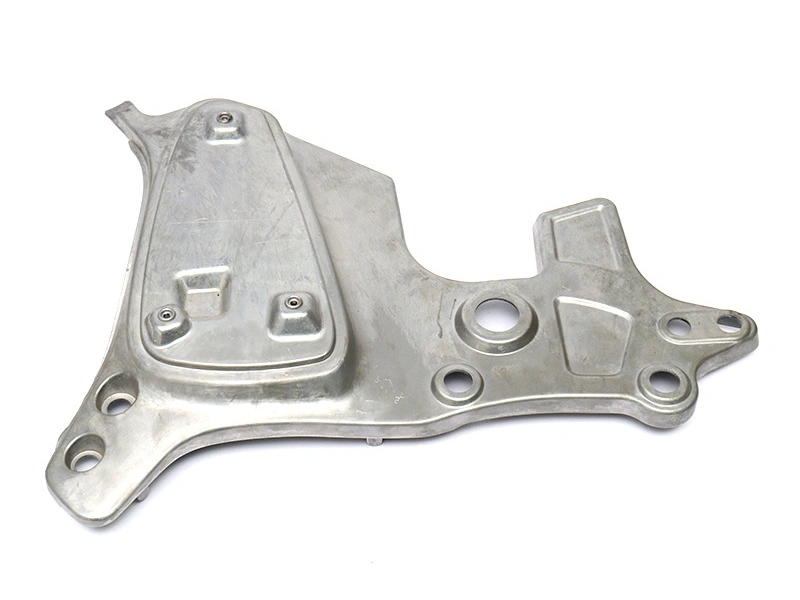
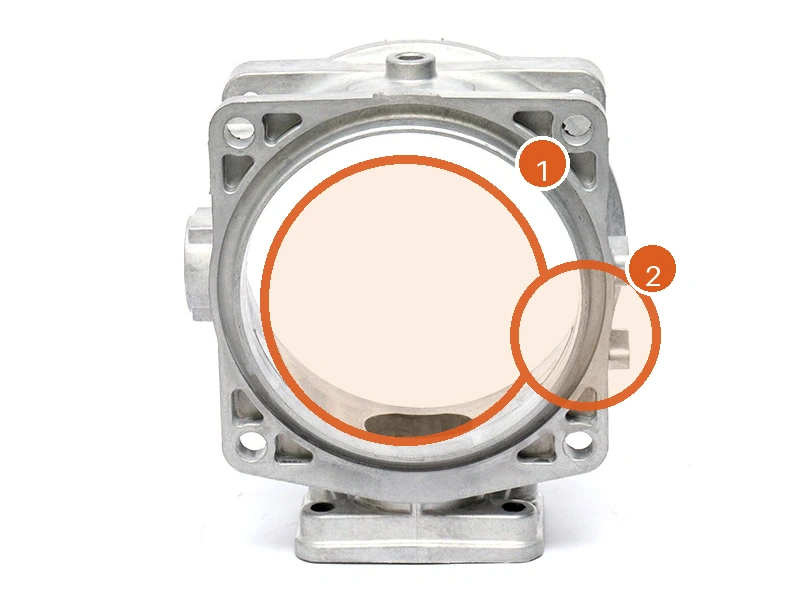
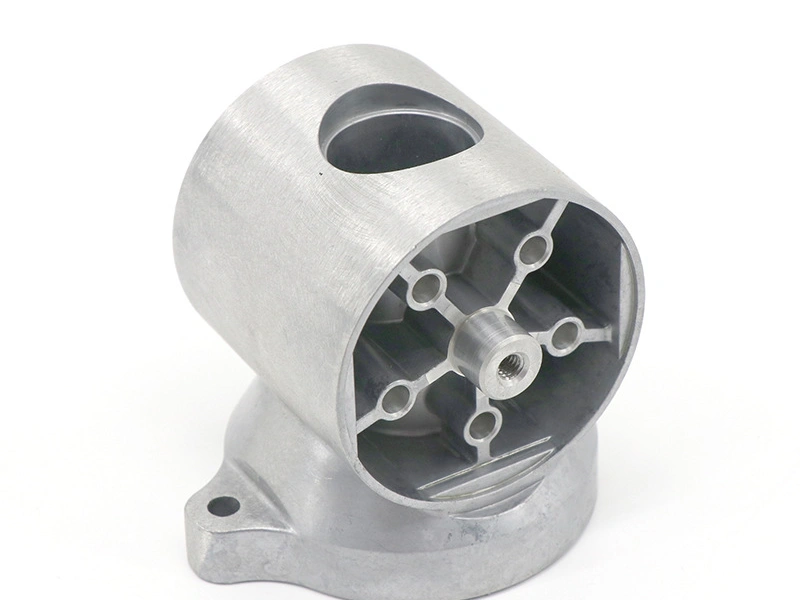
Tolerances differ because casting forms the part in a mold or die and machining cuts features directly with CNC tools. Machining can usually hold tighter tolerances on holes, bores, faces and datums. Casting can hold practical tolerances for general shape, but critical features often need post machining. The best drawing separates as-cast features from machined features.
Buyers should avoid applying tight CNC-style tolerances to every cast surface. That raises cost and may force unnecessary machining. Instead, critical features should be machined and inspected, while non-critical cast surfaces use appropriate casting tolerances.
For tolerance planning, buyers can review tolerances achievable in CNC post-machining after casting and how CNC machining enhances dimensional accuracy in die casting parts.
Tolerance Planning Table
Feature | Best Route | Inspection Method |
|---|---|---|
General wall shape | As-cast if tolerance allows | Caliper or fixture check |
Threaded hole | Machined or tapped | Thread gauge |
Sealing face | Machined after casting | Flatness and surface check |
Bearing bore | Machined | Plug gauge or CMM |
Cosmetic surface | Cast plus finishing | Visual standard |
Datum Strategy
Datum strategy is important when casting and machining are combined. The supplier should know which surfaces locate the part during machining and inspection. If datums are unstable, machined features may drift even if the CNC program is accurate. Buyers should mark datums and critical relationships on the drawing.
CMM inspection may be useful for critical feature relationships. Thread gauges, plug gauges and fixture checks may be more efficient for repeated production features.
Practical Tolerance Decision
Buyers should use machining for features that control assembly, sealing, movement or alignment. They should leave non-critical surfaces as-cast when possible. This route keeps cost controlled while protecting product function.
Tolerance Mistakes
A common mistake is applying tight tolerance to every surface because the buyer is used to machined drawings. On a casting, this may force unnecessary machining and raise cost. Another mistake is leaving critical holes or sealing faces as-cast when they should be machined. Both mistakes come from failing to separate functional and non-functional features.
The drawing should show which surfaces are machined, which are as-cast and which are cosmetic. Notes should also identify datums, critical dimensions and inspection methods. This gives the supplier a clear route.
Inspection After Route Choice
Inspection should match the chosen route. For machined billet parts, CMM or gauges may verify most important features. For cast parts, inspection may include casting defect review plus machined feature inspection. For cast blanks with CNC post machining, the buyer should inspect the final machined condition.
Neway can support post machining and inspection for cast parts, helping buyers use machining only where the tolerance requires it.
Sample Approval
Sample approval should not mix route standards. A CNC prototype tolerance approval does not automatically approve casting tolerance. A raw casting approval does not approve machined sealing faces. Buyers should record which route and condition were approved.
How to Mark the Drawing
The drawing should mark machined surfaces, as-cast surfaces, datums, critical dimensions and cosmetic zones. Machined surfaces may need tighter tolerances and surface roughness notes. As-cast surfaces may use general casting tolerance. Cosmetic zones may need visual standards rather than tight dimensional tolerances.
Buyers should also identify inspection requirements. A CMM report may be needed for datum relationships. Thread gauges may be better for tapped holes. A flatness check may be needed for sealing faces. Matching the inspection method to the feature makes the tolerance plan practical.
Tolerance Risk if Route Changes
If a part changes from CNC prototype to cast production, tolerance assumptions should be reviewed. Some features that were easy to machine from billet may need design changes or local machining after casting. If a part changes from casting to full machining, the cost and setup strategy should be reviewed again.
The tolerance plan should follow the real production route.
Always.
Feature-Level Tolerance Planning
Feature-level tolerance planning helps buyers reduce cost. A machined bearing bore may need tight diameter and roundness. A gasket face may need flatness. A threaded hole may need position and gauge fit. A hidden rib may only need casting tolerance. Treating these features differently is normal and usually more economical.
The supplier should review the drawing and mark which tolerances can be met as-cast and which need machining. If a tolerance cannot be met economically, the supplier should recommend a design or process change before production.
Tolerance and Volume
Volume affects tolerance strategy. For one prototype, full CNC machining may be easiest. For production, casting plus local machining may be more economical. The buyer should decide whether the tight tolerance is needed on every part and whether the tolerance relates to function or habit.
Inspection frequency can also change with volume. First samples may need full reports, while stable production may use a defined sampling plan.
Neway Post-Machining Support
Neway can support cast parts with post machining for threaded holes, bores, sealing faces and datums. This helps buyers use casting for shape and machining for tolerance-critical features.