Should Prototypes and Low-Volume Parts Use Casting or Machining?
Should Prototypes and Low-Volume Parts Use Casting or Machining?
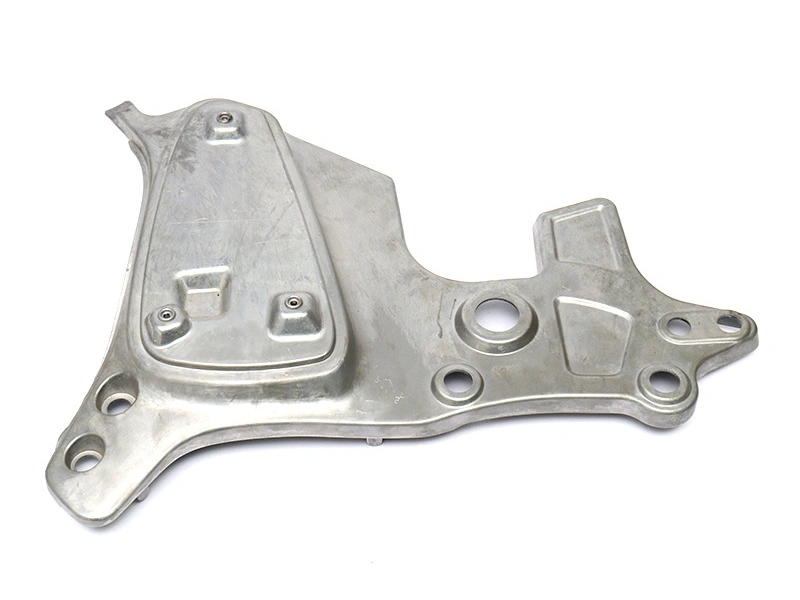
Prototypes and low-volume parts should use machining when the design is changing quickly, the quantity is very small or the buyer needs fast precision samples. They should use casting when the buyer needs to validate cast material behavior, surface finish, machining allowance, porosity, tooling concept or pilot production before full tooling.
CNC machining is often the fastest way to prove early geometry. Prototype casting or low-volume casting becomes more useful when the future production part will be cast and the buyer needs manufacturing evidence. The route should follow the question the buyer needs to answer.
For prototype and low-volume decisions, buyers can review when prototype casting is better than CNC machining or 3D printing and low-volume manufacturing for custom casting solutions.
Prototype Route Table
Project Stage | Best Route | Reason |
|---|---|---|
Early concept | CNC machining or rapid prototype | Fast shape changes |
Design validation | CNC or prototype casting | Depends on whether cast behavior matters |
Customer trial | Low-volume machining or casting | Choose based on required evidence |
Pilot production | Prototype casting or bridge tooling | Validates production route |
Repeat production | Casting plus local machining if geometry fits | Balances unit cost and function |
What CNC Prototypes Prove
CNC prototypes can prove geometry, fit, hole location and early function. They are excellent when the buyer expects design changes. However, CNC prototypes do not prove cast surface quality, parting line, porosity, shrinkage or casting finish response.
What Prototype Casting Proves
Prototype casting can prove whether the design can be cast and whether the casting can be machined and finished. It is useful before production tooling when the buyer needs to reduce manufacturing risk. Neway can help buyers compare prototype machining and casting routes for custom parts.
When Low-Volume Machining Is Better
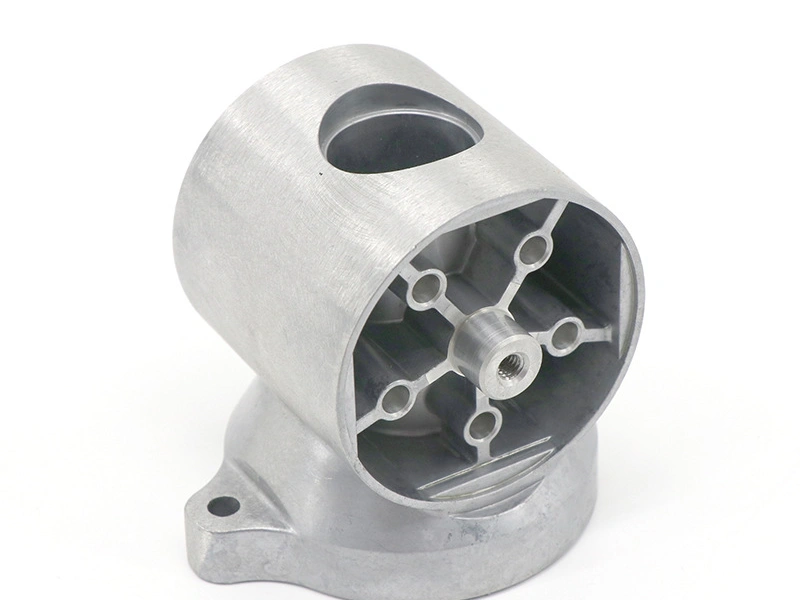
Low-volume machining is better when the part quantity is small, the design is still moving or tight accuracy is needed on many features. It avoids tooling and lets the buyer update the model quickly. This is useful for engineering trials, fixture parts and early customer samples.
The limitation is production evidence. A machined part may not show how a future casting fills, shrinks, finishes or exposes porosity. If those questions matter, machining alone may not be enough.
When Low-Volume Casting Is Better
Low-volume casting is better when the buyer needs to validate the future manufacturing route. It can show casting surface, wall thickness, machining allowance, coating behavior and pilot batch variation. It may need more lead time than CNC, but it answers different questions.
Buyers should define whether the low-volume parts are for appearance, functional testing, customer trials or production release. The route should match that purpose.
Staged Validation
A staged plan often works best: CNC for early fit, prototype casting for manufacturing evidence and production tooling after design freeze. The buyer should record which stage closed which risk.
Low-Volume Buyer Questions
For low-volume parts, buyers should ask how many parts are needed, whether the design is frozen, whether the future production route is known and what the parts must prove. If the goal is customer fit and the design may change, CNC machining is often practical. If the goal is to prove casting before production, low-volume casting or bridge tooling may be better.
Buyers should also ask whether the parts will be used internally or shipped to customers. Customer-facing low-volume parts may need finished surfaces, packaging and inspection that early prototypes do not require.
Pilot Batch Evidence
A pilot batch should show variation across several parts. For machined parts, this may mean setup repeatability and dimensional stability. For cast parts, it may mean casting quality, machining allowance, finish consistency and inspection results. The pilot batch should answer whether the route can repeat.
If the pilot batch exposes problems, the buyer should decide whether to revise design, change process or run another validation batch before production.
Route Record
The route record should state why prototypes or low-volume parts were machined or cast. This helps the next phase decide whether to stay with the same route or move toward tooling.
Prototype Risk if the Wrong Route Is Used
If the buyer uses CNC prototypes when casting evidence is required, the team may approve a shape but still face casting problems later. Wall thickness, draft, parting line, porosity and coating on cast surfaces remain untested. If the buyer uses casting while the design is still changing, tooling changes can slow the project and add cost.
The prototype route should answer the next decision. For investor or customer fit review, CNC may be enough. For production readiness, prototype casting may be necessary. For launch quantity, a bridge route may be needed.
Low-Volume Finished Parts
Low-volume parts may still need finished-part quality. If parts are shipped to customers, the buyer should include machining, finishing, inspection and packaging. A low-volume casting or machining route should not ignore delivery condition just because quantity is small.
Neway can help review low-volume casting and machining options based on whether the buyer needs fast parts, manufacturing evidence or bridge production.