When Should Buyers Choose Casting Instead of Machining?
When Should Buyers Choose Casting Instead of Machining?
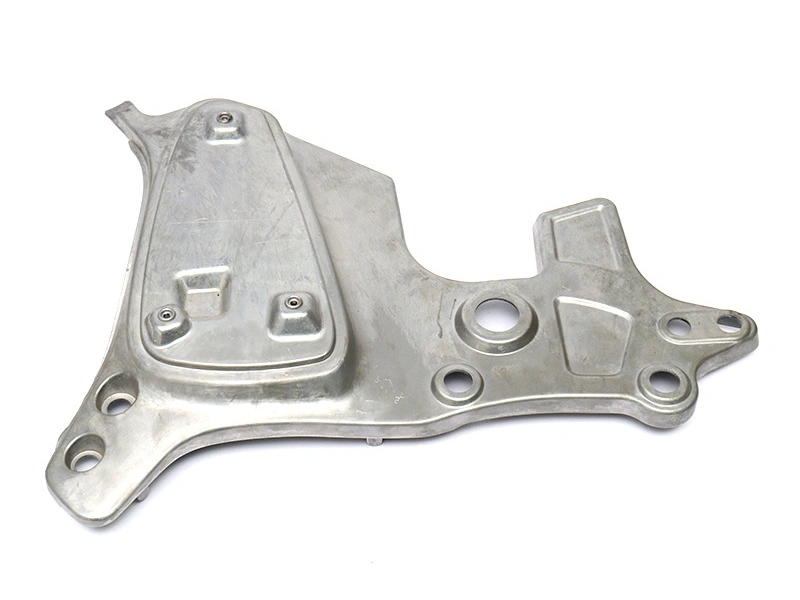
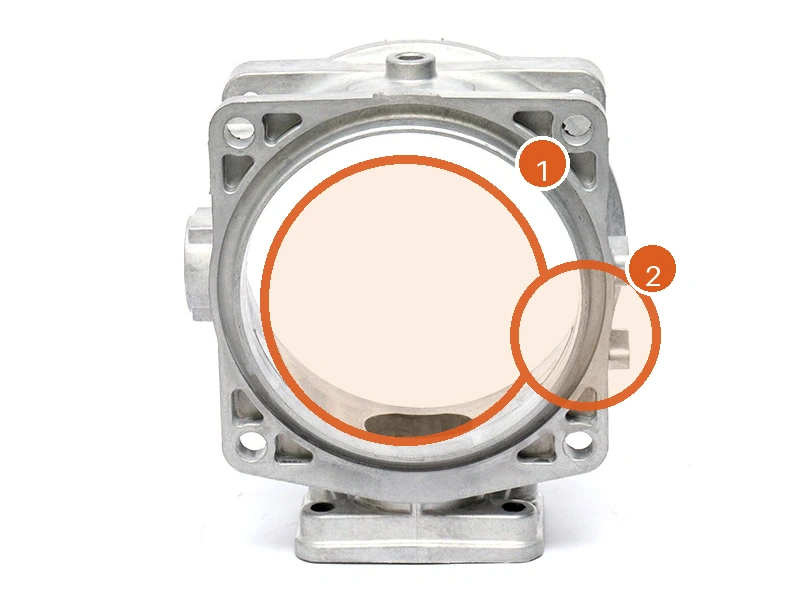
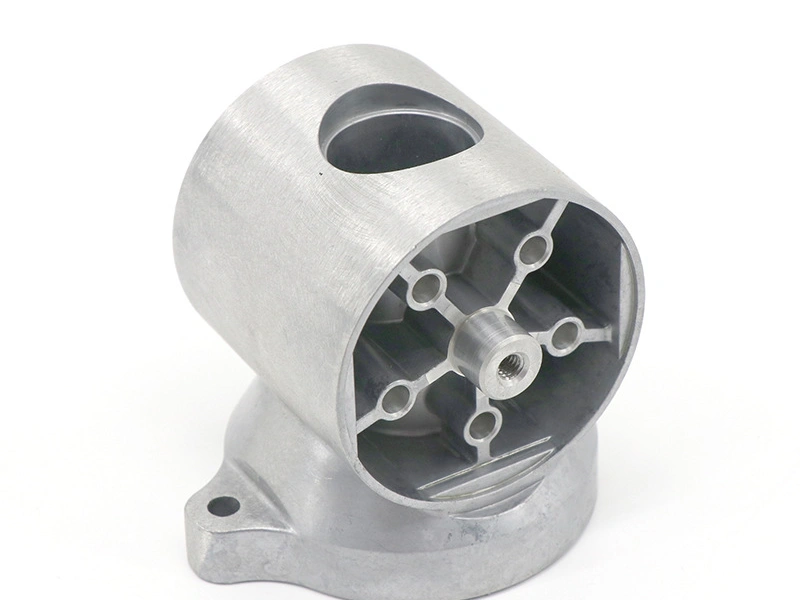
Buyers should choose casting instead of machining when the part has complex shape, hollow sections, ribs, bosses, curved walls, large material removal, medium or high production volume, or a future need for near-net-shape manufacturing. Casting can form the main geometry more efficiently than machining every surface from billet, especially for housings, pump bodies, gear cases, covers and brackets.
Casting is strongest when the design is stable enough to justify tooling or pattern work. If the design still changes often, machining may be faster for early samples. If the design is close to final and future volume is expected, casting can reduce material waste and create production evidence.
For route selection, buyers can compare CNC machining versus casting and when metal casting is the most cost-effective manufacturing option.
Casting Selection Table
Part Condition | Why Casting Helps | Buyer Check |
|---|---|---|
Hollow body | Forms internal or near-net geometry | Confirm cores, die design or pattern route |
Ribs and bosses | Forms structural features without heavy machining | Review wall thickness and draft |
High material waste from billet | Reduces removed stock | Compare total cost at target quantity |
Repeat production | Tooling can lower unit cost | Confirm volume and design stability |
Need cast surface evidence | Shows porosity, parting line and finish behavior | Approve finished samples |
When Machining May Still Be Better
Machining may still be better when the buyer needs only one or two parts, the design is unstable, the part is simple, or most surfaces require tight tolerance. Machining avoids tooling and can respond quickly to design changes. If every surface must be precision machined, casting may not save enough cost.
Buyers should compare the route by current project stage. Prototype stage often favors machining. Production stage may favor casting. Low-volume stage may use either route depending on the validation goal.
Casting Plus Local Machining
Choosing casting does not mean avoiding machining. Many cast parts still need local CNC machining for threads, bores, sealing faces and datums. The buyer should choose casting for the main shape and machining for the features that require precision.
Neway can review casting and post-machining requirements together so buyers can decide which features belong to each route.
Production Volume and Design Stability
Casting becomes stronger when the design is stable and repeat production is likely. Tooling or pattern cost needs enough parts to justify the investment. If the buyer expects only a few parts or major revisions, machining can reduce risk. If the buyer expects repeat orders and the part shape is casting-friendly, casting may create better economics and better production evidence.
Buyers should ask whether the current order is a prototype, pilot run, bridge order or regular production order. The answer changes the route. Prototype orders usually value speed and flexibility. Production orders value repeatability and unit cost.
Surface and Material Considerations
Casting can create a different surface and material condition than machining from billet. A machined 6061 prototype will not show die cast aluminum surface texture or porosity. A cast iron part will not behave like machined steel. If the final material behavior matters, casting evidence may be needed before production release.
Surface finish should also be reviewed. Painting, powder coating, polishing or machining marks may look different on cast and machined surfaces. Buyers should approve samples from the intended route.
Route Release Question
Before choosing casting, buyers should ask: what production risk will casting prove that machining cannot? If the answer is castability, material use, surface behavior or unit cost at volume, casting deserves review. If the answer is unclear, machining may be safer for early work.
Short Example: Housing vs Plate
A hollow aluminum housing with ribs, bosses and a gasket face is often a better casting candidate than a solid machined part. Casting forms the hollow body and local machining finishes the gasket face and threaded holes. A flat mounting plate with several tight holes may be better machined because the shape is simple and precision features dominate the cost.
This comparison shows why buyers should not choose by process preference. The part geometry decides where each route has value.
Buyer Approval Before Tooling
Before approving casting tooling, buyers should confirm design stability, expected quantity, material, critical machined features, surface finish and inspection requirements. Tooling should not be released if major geometry changes are still likely. If only the first prototype is needed, machining may still be the safer path.
If casting is chosen, the buyer should request a sample plan that includes raw casting checks and finished feature checks. This ensures casting proves the right risks.
Neway Route Support
Neway can review cast part geometry and post-machining requirements together. This helps buyers decide whether the main shape should be cast, machined or handled through a staged route.
The final decision should name the production assumption. A route chosen for a field trial may change when the buyer moves to repeat production.
Record the reason with the quote.
Always.
Documented.