How to Choose Aluminum Die Casting Materials for Custom Parts
Aluminum Die Casting Materials for Production Parts
Aluminum die casting materials should be selected around the finished part requirement, not around a material name alone. Buyers need to confirm whether the alloy can fill the die, control porosity, support CNC machining, accept the surface finish, and remain stable across repeat orders.
For custom aluminum die cast parts, the material decision usually affects tooling, wall thickness, ribs, bosses, machining stock, threaded holes, sealing faces, coating behavior, inspection records, and long-term production consistency. A drawing that only says "aluminum" leaves too much room for quotation mismatch.
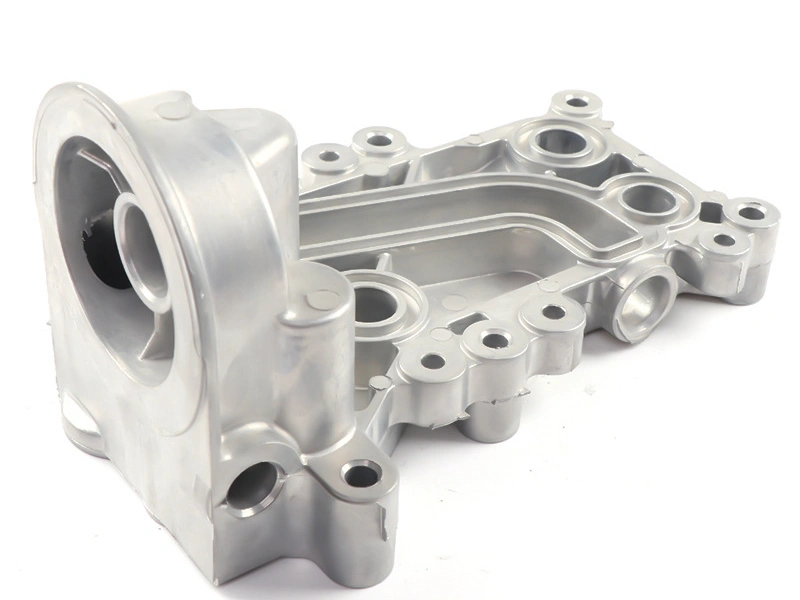
Common Aluminum Die Casting Material Directions
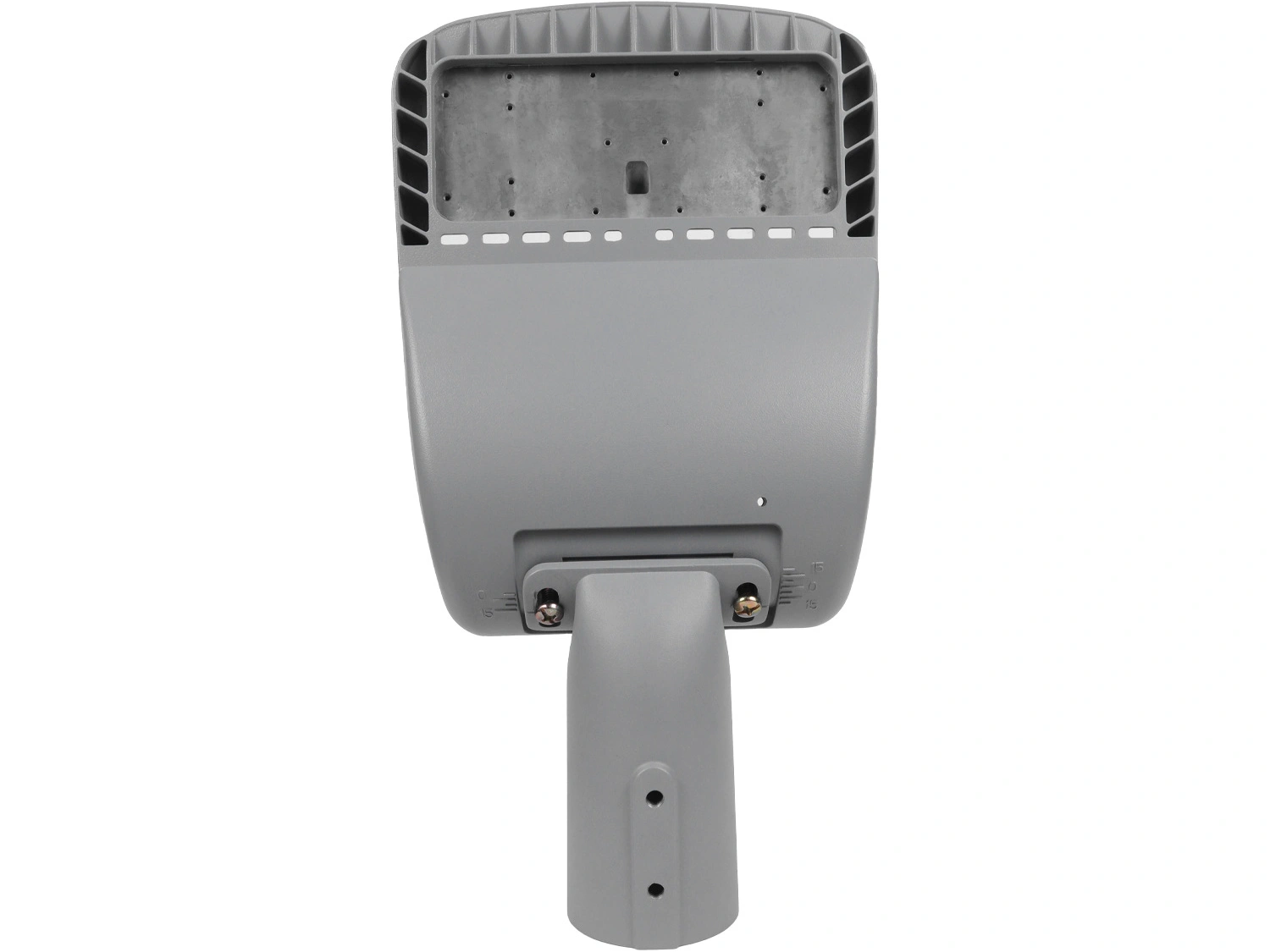
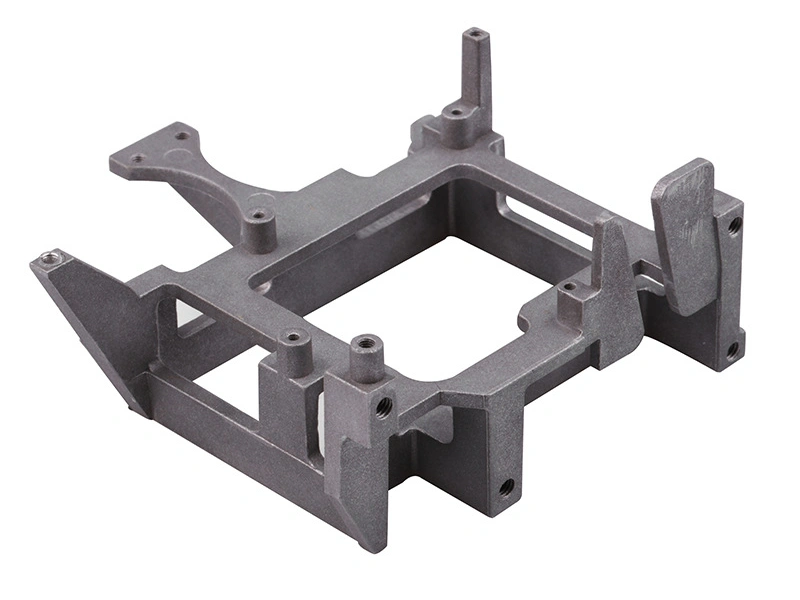
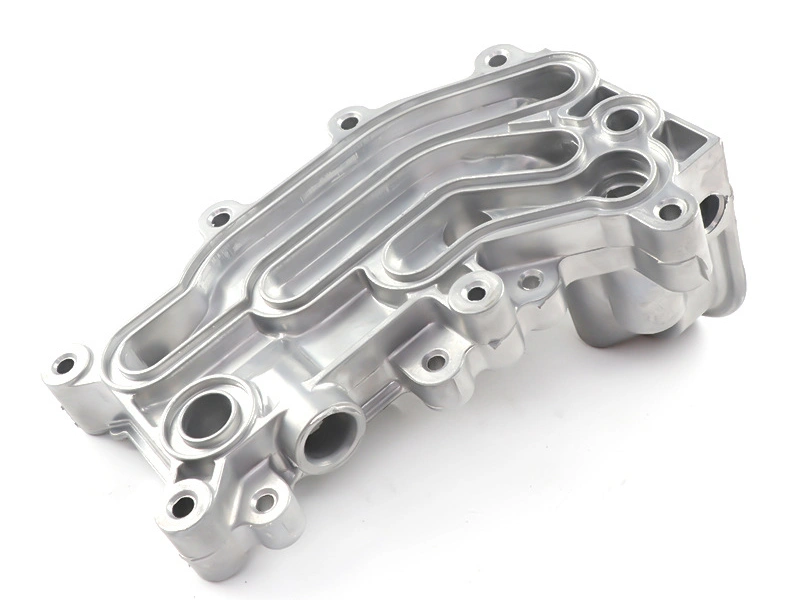
Common aluminum die casting material directions include A380, ADC12, A360, A413, and equivalent aluminum-silicon die casting alloys. A380 and ADC12 are often used for housings, covers, brackets, motor parts, and industrial components because they balance castability, cost, machining behavior, and production availability.
A360 may be considered when corrosion resistance matters more than general cost, while A413 may be reviewed for fluid housings or pressure-related parts where porosity control, sealing surfaces, and leak testing become important. A356-T6 is a useful casting alloy, but buyers should confirm whether the intended route is sand casting, gravity casting, or low pressure casting rather than standard high pressure die casting.
Buyers should also be careful with 6061 or 6063 callouts on die cast part drawings. These are common wrought aluminum directions for CNC machining, extrusion, or fabricated parts, but they are not default high pressure die casting materials. If a legacy drawing says 6061 or 6063, the RFQ should confirm whether the project needs CNC from billet, extrusion, or an approved die casting alloy equivalent.
Material Direction | Typical Buyer Use | Planning Concern |
|---|---|---|
A380 or equivalent | General housings, covers, brackets, and equipment parts | Balance castability, strength, machining, finish, and cost |
ADC12 or equivalent | Automotive, electronics, lighting, and mechanical die cast parts | Confirm equivalent grade acceptance and supplier standard |
A360 direction | Parts with higher corrosion exposure | Check availability, cost, coating, and environment |
A413 direction | Fluid-related housings or pressure-sensitive parts | Review porosity control, sealing faces, and leak testing |
A356-T6 direction | Sand, gravity, or low pressure cast aluminum parts | Confirm the casting process before quoting as die casting |
6061 or 6063 callout | CNC, extrusion, or legacy aluminum part drawings | Do not treat as a default HPDC alloy without written equivalent approval |
How Material Choice Affects Tooling and Casting Quality
Material choice affects how the molten aluminum fills thin walls, ribs, bosses, deep pockets, and local thick sections. The tooling plan must match the alloy behavior through gate position, runner balance, venting, cooling, overflow design, ejector layout, and machining allowance.
If material and tooling are reviewed separately, buyers may receive acceptable first samples but unstable repeat batches. Typical risks include cold shut, shrinkage, gas porosity, warpage, flash growth, visible parting lines, and exposed pores after machining or coating.
Tooling or Casting Factor | Material Connection | Buyer Should Confirm |
|---|---|---|
Wall thickness | Affects filling and solidification stability | Keep thin areas manufacturable and avoid abrupt heavy sections |
Gate and venting | Controls flow direction and trapped gas risk | Ask how porosity risk will be managed around critical areas |
Machining allowance | Leaves stock for threads, sealing faces, bores, and datums | Mark machined features before die design |
Cooling layout | Controls shrinkage, warpage, and dimensional drift | Review thick bosses, ribs, and flatness-sensitive faces |
How CNC Machining and Surface Finishing Change Material Requirements
Aluminum die casting can form the near-net shape, but many production parts still need CNC machining for threads, bearing bores, gasket faces, mounting holes, datum surfaces, and flatness-controlled features. Material selection must leave enough quality and stock for those secondary operations.
Surface finishing also changes the material discussion. Powder coating, painting, polishing, blasting, and protective coatings can reveal pores, parting lines, ejector marks, and gate removal areas. Buyers should define visible surfaces, coating thickness, masking areas, color, texture, and acceptance samples before production release.
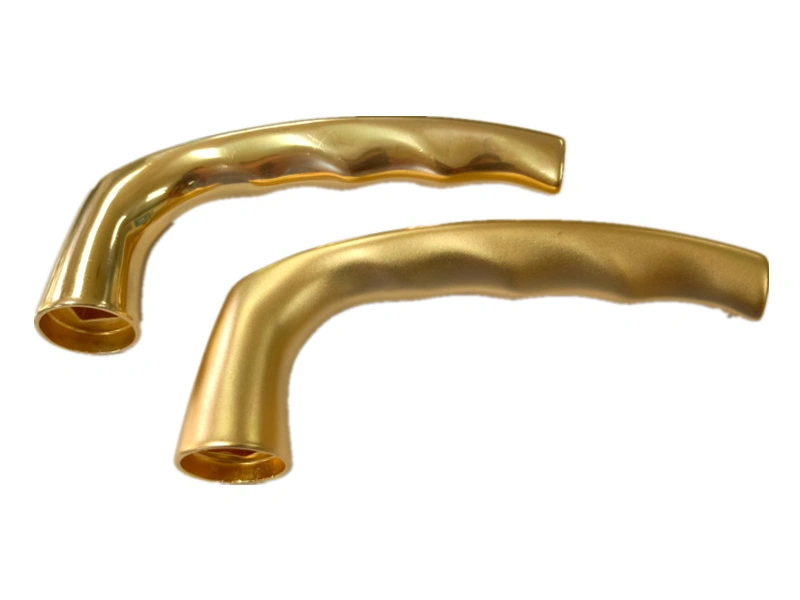
Decorative anodizing needs extra caution on common high pressure die casting alloys because silicon content, copper content, porosity, and casting skin condition can make color and appearance less predictable than on wrought aluminum. If the part needs a premium appearance, the finish route should be confirmed with the alloy, visible surface location, and sample approval standard.
Finished Part Need | Material and Process Risk | Confirmation Before Tooling |
|---|---|---|
Threaded holes | Threads usually need drilling and tapping after casting | Call out thread size, depth, and gauge requirement |
Sealing face | Porosity or flatness variation can cause leakage | Define machining, flatness, surface finish, and leak test if needed |
Powder coating | Coating can affect holes, threads, and mating surfaces | Confirm masking, coating thickness, and visible defect standard |
Cosmetic surface | Flow marks, ejector marks, or pores may remain visible | Mark appearance-critical faces before die layout |
What to Include in an Aluminum Die Casting Material RFQ
An aluminum die casting material RFQ should include STEP or X_T files, a 2D drawing, target alloy or allowed equivalent, annual volume, first order quantity, application environment, critical dimensions, machined surfaces, surface finish, inspection documents, and required production stage.
If a buyer is unsure whether to specify A380, ADC12, A360, or another equivalent, the RFQ should describe the application and performance target. For example, an outdoor lighting housing may prioritize coating quality and corrosion exposure, while a pump cover may prioritize porosity control, sealing-face machining, and leak testing.
Short Engineering Example
An electronics housing originally called out only "aluminum casting" on the drawing. During review, the supplier proposed an A380 or ADC12 equivalent route, added machining stock for four M4 threaded bosses, marked a gasket face for CNC machining, and defined powder coating masks around threads and grounding areas. The buyer approved the alloy together with the tooling, machining, coating, and inspection plan.
FAQ