
Revestimientos Resistentes al Desgaste para Piezas de Fundición a Presión Explicados
Introducción
Los componentes de fundición a presión se utilizan cada vez más en entornos de alta carga y alto ciclo donde el deslizamiento, el impacto y la abrasión son inevitables. Las herramientas eléctricas, los sistemas de cierre, los mecanismos automotrices y el hardware de consumo exigen piezas que mantengan su función y apariencia después de millones de ciclos de funcionamiento. Las aleaciones base, como el aluminio, el zinc y el cobre, pueden proporcionar una excelente resistencia y estabilidad dimensional; sin embargo, sin la ingeniería de superficie adecuada, son vulnerables al desgaste, los arañazos y la degradación del revestimiento.
En Neway, tratamos los revestimientos resistentes al desgaste como una parte integral del servicio de fundición de metales en general, en lugar de una idea tardía. Al vincular la selección de aleaciones, el diseño del molde y los procesos de postratamiento, creamos sistemas de superficie que resisten el contacto mecánico severo, la fricción y los contaminantes, al tiempo que cumplen con exigentes requisitos estéticos.
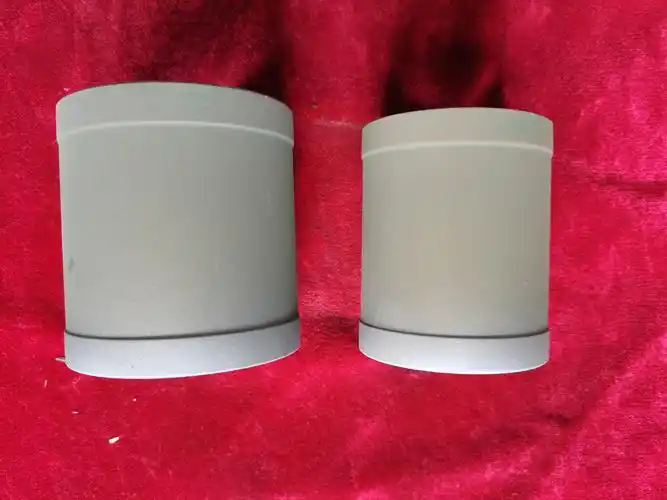
Por qué las Piezas de Fundición a Presión Necesitan Revestimientos Resistentes al Desgaste
Las carcasas, palancas, engranajes, soportes y molduras decorativas de fundición a presión suelen estar expuestas a:
Contacto por deslizamiento repetido entre piezas emparejadas
Cargas de impacto por caídas accidentales o desalineación
Partículas abrasivas como polvo, virutas de metal o arena
Agentes de limpieza, aceites y contaminantes ambientales
El aluminio y el zinc sin revestimiento pueden sufrir agarrotamiento, arañazos o pulido irregular en tales condiciones, alterando los juegos y comprometiendo la sensación del producto. Las aleaciones a base de cobre pueden empañarse o perder brillo, lo cual es inaceptable en aplicaciones de consumo visibles. Los revestimientos resistentes al desgaste mejoran la dureza superficial, reducen la fricción y estabilizan la apariencia, extendiendo así la vida útil y minimizando el riesgo de garantía.
Estos revestimientos deben ser compatibles tanto con la aleación subyacente como con la ruta de fabricación, que abarca la fundición a presión de aluminio o la fundición a presión de zinc, así como el mecanizado, la limpieza y la inspección final. El resultado es un sistema holístico, no solo una capa sobre el metal.
Influencia de la Selección de Aleación en el Rendimiento del Revestimiento de Desgaste
La aleación del sustrato define las propiedades mecánicas básicas, la expansión térmica y la reactividad química del material debajo de un revestimiento. Por ejemplo, los grados de aluminio ampliamente utilizados A380 y ADC12 de nuestro portafolio de aleaciones de aluminio para fundición a presión ofrecen una excelente estabilidad dimensional y permiten un pretratamiento robusto para pintura en polvo o anodizado.
Las aleaciones de zinc, como las series Zamak y ZA, ofrecen una fluidez excepcional y una calidad superficial en bruto de fundición. Cuando se obtienen de aleaciones de zinc para fundición a presión diseñadas, pueden acabarse con revestimientos de película delgada o sistemas decorativos que combinan apariencia y resistencia al desgaste. Los sustratos de cobre y latón seleccionados de nuestra familia de aleaciones de cobre y latón para fundición a presión permiten interfaces conductoras o de deslizamiento, a menudo combinadas con plateado o capas superiores tribológicas.
En la etapa inicial de diseño, Neway ayuda a los clientes a vincular los requisitos mecánicos y de desgaste con los metales base apropiados a través de la plataforma consolidada de selección de material de fundición. Esto garantiza que tanto las propiedades principales como la compatibilidad superficial se equilibren desde el principio.
Opciones Clave de Revestimientos Resistentes al Desgaste para Piezas de Fundición a Presión
Se pueden aplicar múltiples procesos de revestimiento a componentes de fundición a presión, cada uno con sus fortalezas, limitaciones y casos de uso ideales. Las categorías principales incluyen revestimientos de película orgánica, capas de conversión inorgánicas y sistemas híbridos avanzados.
Pintura en Polvo
Para carcasas estructurales y componentes externos sometidos a abrasión, la pintura en polvo suele ser la primera opción. A través de nuestro dedicado servicio de pintura en polvo, se aplica polvo cargado electrostáticamente y se cura para formar una película densa y relativamente gruesa con una fuerte resistencia al impacto y a las astillas. El espesor típico de la película oscila entre 60 y 120 μm, proporcionando tanto amortiguación mecánica como protección contra la corrosión.
La pintura en polvo es particularmente adecuada para grandes envolventes de aluminio, cuerpos de herramientas eléctricas y hardware para exteriores donde se espera contacto frecuente, impacto de herramientas y contaminación. El acabado texturizado o liso también puede enmascarar irregularidades menores del sustrato originadas en el proceso de fundición.
Sistemas de Pintura Líquida
Cuando se requiere un control estricto del color, sistemas multicapa o revestimientos delgados, se utilizan pinturas diseñadas. Neway integra pilas de imprimación y capa superior a través de sus soluciones de pintura líquida, donde el espesor de la película y la dureza pueden adaptarse para equilibrar la flexibilidad con la resistencia al desgaste.
Aunque las películas de pintura son generalmente más delgadas que las de polvo, los sistemas modernos de dos componentes y curados con UV pueden lograr una excelente resistencia a los arañazos y durabilidad química. Se utilizan con frecuencia en componentes visibles de fundición a presión de zinc y geometrías intrincadas donde se necesita enmascaramiento detallado o efectos de degradado.
Anodizado y Anodizado Duro
Para piezas de aluminio sujetas a deslizamiento o manejo repetido, las capas de óxido anódico proporcionan una superficie dura y resistente al desgaste similar a la cerámica. Nuestros tratamientos de anodizado de aluminio pueden producir revestimientos con una dureza superficial significativamente aumentada, una resistencia a la abrasión mejorada y una excelente estabilidad del color.
Para entornos más exigentes, tecnologías asistidas por plasma como el anodizado por arco para aluminio de fundición a presión crean capas de óxido más gruesas y densas con microestructura mejorada. Estos revestimientos son particularmente efectivos para componentes expuestos tanto al desgaste como a la corrosión, ofreciendo robustez mecánica combinada con estabilidad térmica y a los UV.
PVD y Revestimientos Duros Decorativos
Cuando los productos deben ofrecer tanto alta resistencia al desgaste como estética premium, los revestimientos duros delgados depositados por deposición física de vapor (PVD) o métodos similares son opciones atractivas. Un ejemplo ilustrativo es el proyecto de espejo PVD de zamak, donde un sustrato de zinc de fundición a presión recibe un sistema de revestimiento decorativo pero duradero.
Estas películas, a menudo basadas en nitruros, carburos o pilas multicapa, proporcionan una excelente resistencia a los arañazos, estabilidad del color y profundidad visual "similar al metal". Se aplican con frecuencia sobre un sistema de plateado intermedio o capa base para optimizar la adhesión y las propiedades de barrera.
Preparación de Superficie y Control del Postproceso
Incluso la mejor tecnología de revestimiento fallará prematuramente si el sustrato no está preparado adecuadamente. El rendimiento del revestimiento resistente al desgaste depende en gran medida de cómo se eliminen las rebabas, óxidos, aceites y microdefectos antes del acabado. Neway combina varias operaciones de postproceso para piezas de fundición a presión en rutas consistentes y documentadas:
desbarbado basado en vibrado para el acondicionamiento de bordes y la eliminación de microrebabas
chorreado con arena de piezas de fundición a presión para texturas mate uniformes y alivio de defectos incrustados
Después de estos tratamientos mecánicos, las interfaces de precisión se definen mediante el mecanizado CNC de piezas de fundición a presión, asegurando que las superficies de deslizamiento y apoyo cumplan con los requisitos de tolerancia. Esto crea una base estable y predecible para la adhesión del revestimiento, minimizando las concentraciones de tensión localizadas que pueden acelerar el desgaste.
Papel del Utillaje y Diseño del Molde en el Rendimiento del Revestimiento
Los revestimientos resistentes al desgaste son más efectivos cuando la geometría subyacente está optimizada para un espesor de película consistente y una distribución de tensiones. Las esquinas afiladas, los bolsillos ciegos profundos y los huecos sin ventilación pueden causar defectos en el revestimiento o áreas delgadas que se desgastan prematuramente.
A través de nuestro especializado servicio de ingeniería de utillaje y moldes, ajustamos los radios de empalme, el ángulo de desmoldeo, la ubicación de la entrada y los rebosaderos teniendo en cuenta el revestimiento. Esto ayuda a:
Reducir los bordes afilados que de otro modo se astillarían rápidamente
Mejorar el flujo de material y la calidad superficial para una mejor apariencia
Permitir un pretratamiento y una cobertura de revestimiento más uniformes
Para programas que requieren ensamblajes complejos de múltiples piezas, como los de los flujos de trabajo de ensamblaje de piezas de fundición a presión, diseñar teniendo en cuenta el revestimiento desde el principio reduce significativamente el retrabajo y los problemas en campo.
Ejemplos de Aplicación en Diferentes Industrias
Las estrategias de revestimiento resistente al desgaste difieren según la industria, el caso de carga y las expectativas visuales. Algunos ejemplos incluyen:
Carcasas y accesorios de herramientas eléctricas comparables al programa de hardware de herramientas eléctricas Bosch, donde las carcasas de aluminio y zinc pintadas en polvo deben resistir caídas, vibraciones y entornos abrasivos de obra.
Dispositivos de consumo premium, como la carcasa de fundición a presión de zamak para afeitadora Philips, requieren superficies de zinc pintadas o plateadas que resistan arañazos y desgaste estético por el manejo diario.
Los módulos y soportes automotrices siguen patrones similares a los vistos en el programa de componentes de fundición a presión de aluminio BYD, donde los revestimientos resistentes al desgaste se combinan con requisitos de protección contra la corrosión y gestión térmica.
Cada aplicación requiere emparejar perfiles de carga, expectativas estéticas y exposición ambiental con pilas de revestimiento específicas y parámetros de proceso.
Prototipado, Pruebas y Garantía de Calidad
Antes de comprometerse con programas de revestimiento a gran escala, Neway fomenta la validación temprana a través de servicios de prototipado rápido. Las piezas prototipo pueden producirse mediante utillaje blando, impresión 3D de metal o plástico, o fundición de tirada corta, y luego someterse a revestimientos de prueba.
El rendimiento al desgaste se cuantifica utilizando pruebas estandarizadas de abrasión, arañazos e impacto, así como ciclos funcionales específicos del cliente. Todas las mediciones están respaldadas por la infraestructura de metrología disponible en nuestro centro de equipos de prueba para piezas de fundición a presión, incluyendo medición de espesor, comprobaciones de adhesión por corte cruzado, medición de brillo y verificación dimensional.
Una vez confirmado un rendimiento aceptable, la producción a gran escala se implementa a través de nuestra solución integral de fundición a presión y acabado de un solo paso, asegurando que los procesos de fundición, mecanizado y revestimiento permanezcan sincronizados y trazables.
Conclusión
Los revestimientos resistentes al desgaste transforman los componentes de fundición a presión de estructuras en bruto en piezas duraderas, visualmente estables y de alto rendimiento. Al combinar aleaciones apropiadas, utillaje de precisión, postprocesos controlados y tratamientos de superficie avanzados, Neway entrega sistemas de revestimiento que resisten el contacto mecánico, la exposición ambiental y las expectativas del consumidor.
Ya sea que la aplicación sea una herramienta eléctrica resistente, un dispositivo cosmético premium o un mecanismo automotriz crítico para la seguridad, la estrategia de revestimiento correcta—diseñada y validada en paralelo con el proceso de fundición—puede extender significativamente la vida del producto y reducir el costo del ciclo de vida. Como socio enfocado en la ingeniería, Neway ayuda a los clientes a navegar estas decisiones e implementar soluciones de revestimiento robustas e industrializadas adaptadas a sus productos.
Preguntas Frecuentes
¿Qué aleaciones de fundición a presión son las más adecuadas para el anodizado duro y otros revestimientos de alto desgaste?
¿Cómo se comparan la pintura en polvo y la pintura líquida en términos de resistencia al desgaste para piezas de fundición a presión?
¿Qué pasos de preparación de superficie se requieren antes de aplicar revestimientos resistentes al desgaste a piezas de fundición a presión?
¿Pueden los acabados PVD decorativos proporcionar suficiente resistencia al desgaste para componentes manejados con frecuencia?
¿Cómo prueba y valida Neway la durabilidad del revestimiento antes de la producción en masa?
