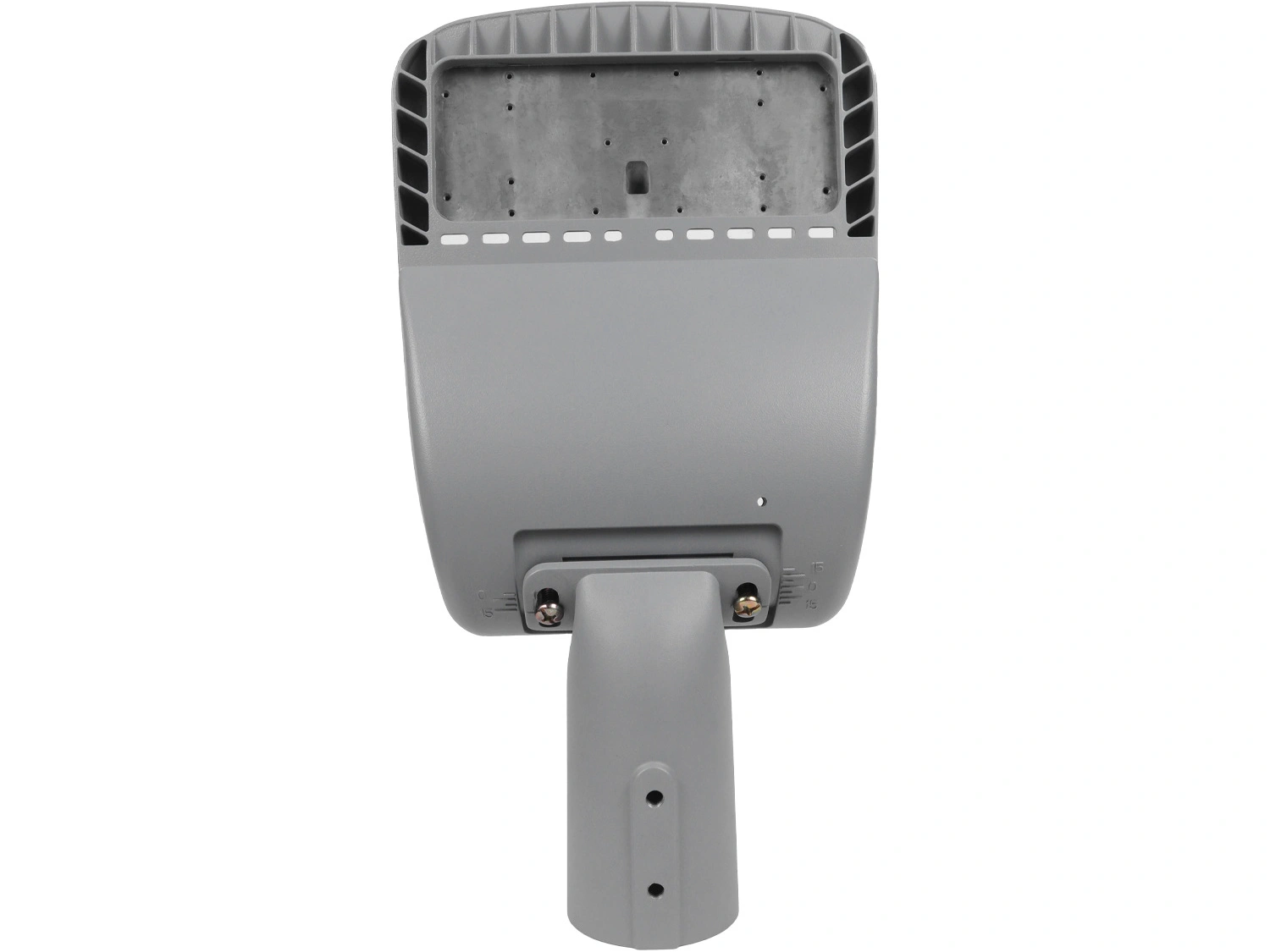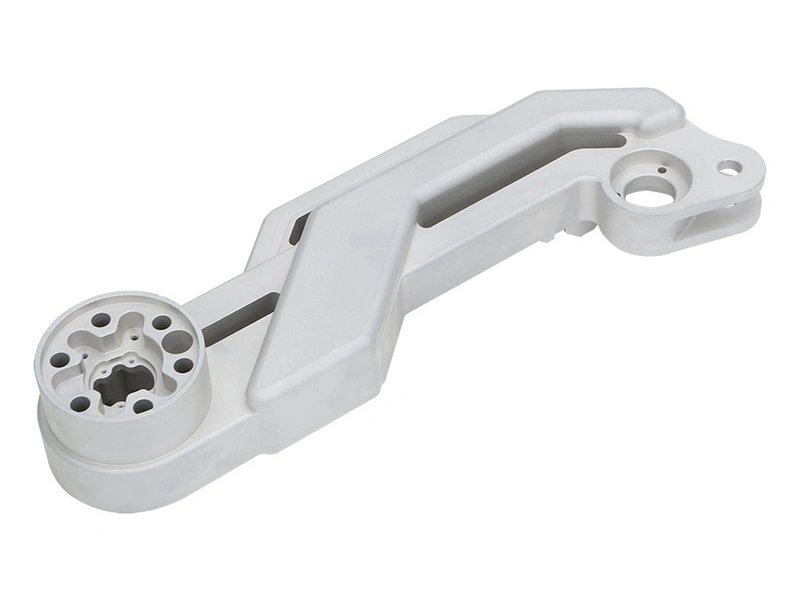
Private-Label Bezel Rings: Casting, Plating, Color Match
A private-label bezel ring program repeats through four documents: the drawing revision, the customer chip, the plating specification with its tests, and the lot with tool ownership. The ring itself does not change between orders; the documents are what make the second order match the first.
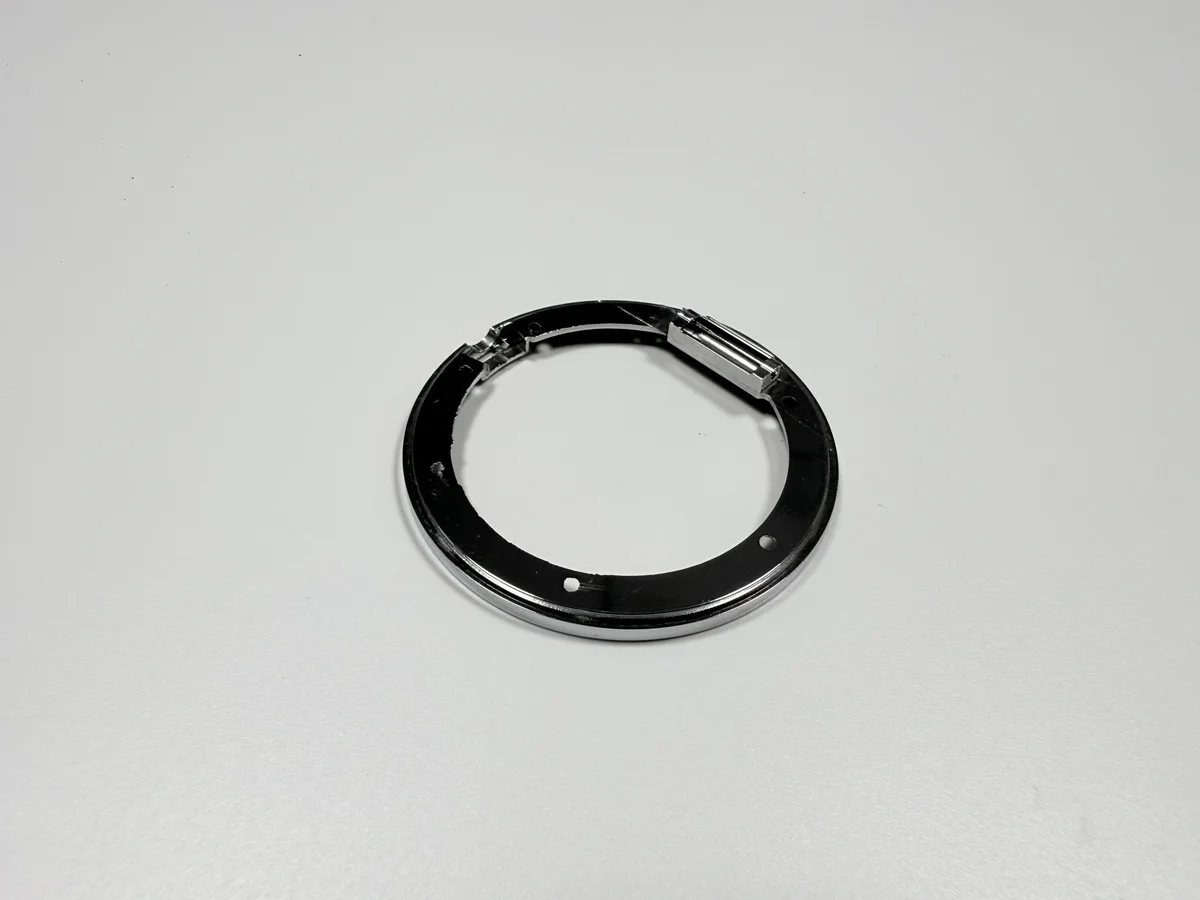
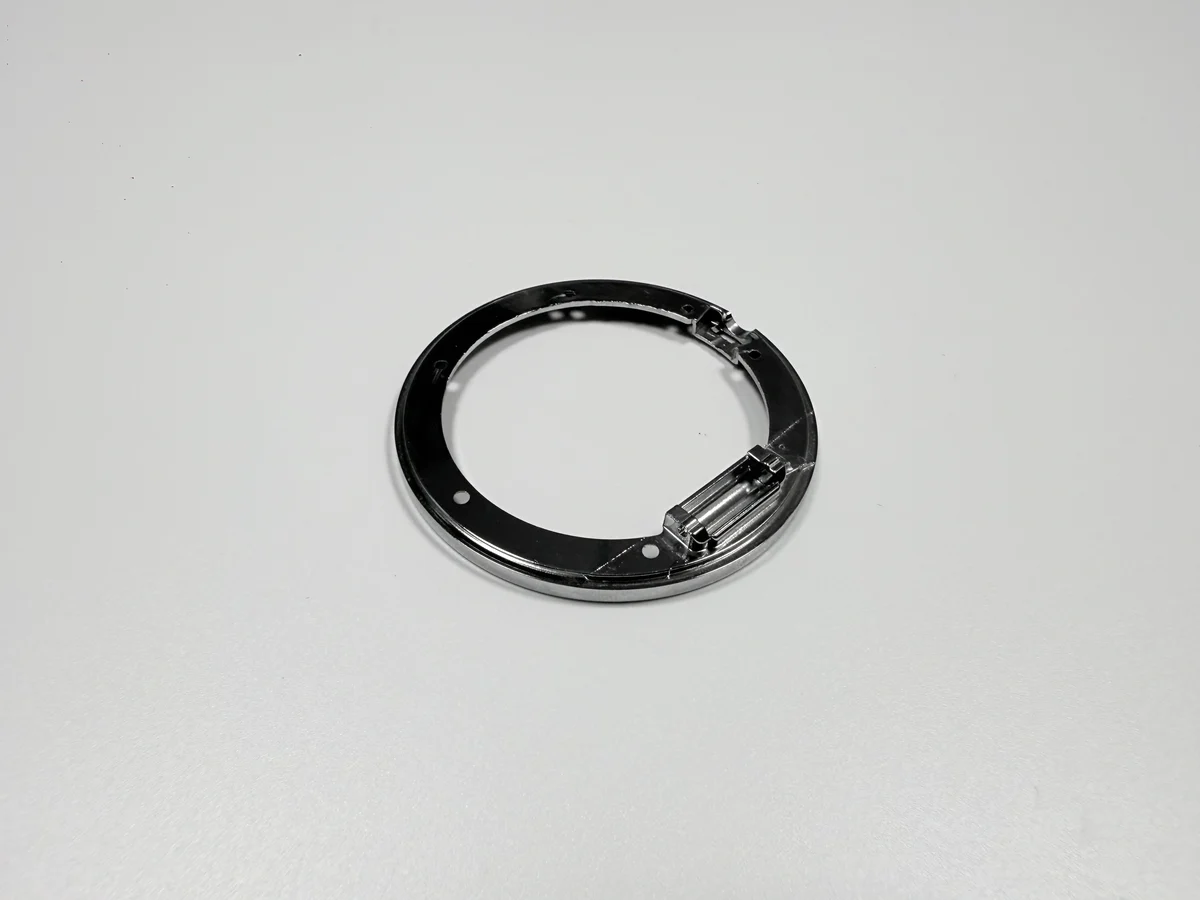
The part is a Ø35.0 mm bezel in Zamak 5 to ASTM B86 AC41A, 1.8±0.05 mm high and 4.5±0.5 g. It carries 18–27 µm of Cu/Ni/Cr and a press fit of 0.02–0.05 mm. The die casting fixes the form once; the documents carry it forward.
What must be fixed before the mold is cut?
Five dimensions, one coating stack and one colour chip. The five are the outer diameter, the bore, the height, roundness and flatness; the stack is Cu 8–12, Ni 10–15 and Cr 0.1–0.3 µm; the chip is the customer's reference for ΔE ≤1.
A mold cut before those are fixed turns every later change into tool work: a bore change moves the steel, a flatness change moves the polishing sequence.
The wall belongs to the same decision: 1.5–1.8 mm casts and holds 0.05 mm roundness when the tool is designed for it, and after the tool exists a wall change is a new tool.
Which documents does a bezel program run on?
Four: a 2D drawing with the coating callout, a 3D model for the faces a section cannot show, a customer chip or master for colour, and the lot size with tool ownership.
The drawing carries the tolerances and the stage at which each applies; without the stage, a plated ring is inspected against a pre-plate size.
The chip is a physical reference, not a photograph. A screen or a printed photo carries its own colour cast, and a ring approved against a photo is approved against the photographer.
How does lot size change the tooling share?
Tooling is priced once and divided by the lot. A six-cavity tool designed for 400,000 shots spreads its cost over 2.4 million rings at design life, and the share per ring falls as the order grows.
Small lots carry the tool heavily: at a few hundred pieces the tooling line can exceed casting, polishing and plating combined.
Tool ownership changes the second order. A customer-owned tool carries no tooling line when the program repeats; a supplier-owned tool is amortised again or quoted with a new share.
Where does a bezel program slip first?
Two places: a colour approved on a screen that fails under a colourimeter, and a colour change quoted as a swap rather than as a new first article.
The first slip is a schedule slip. A chip that does not match means a new plating run, a new first article and a new trial press, and the launch date moves with them.
The second slip is a fit slip. A colour change can move the nickel thickness, which moves the total coating and the interference fit; the ring that pressed before the colour change may not press after it, as in another thin-wall watch part.
What belongs in the quote?
Four lines: tooling amortisation, casting and trim, polishing and turning, and plating with the trial fit. The trial is its own line because it repeats with every colour and every case lot.
The quote should also state what it excludes: a price that leaves out the trial, the chip comparison or the salt-spray test has moved those costs to the first lot.
The post-machining line is where two quotes usually diverge. One supplier counts one turning setup, another counts two, and the difference shows up in the roundness the ring holds rather than in the price alone.
What repeats on the second order?
Four documents and the process window repeat: drawing revision, chip, plating specification, lot and tool ownership, plus the plating parameters from the first article.
When the four are in place, the second order runs as a continuation. When one is missing, it restarts as a new job and pays for a first article and a trial fit again.
The colour record is the one most often lost. The approved chip number and the date of approval are what a third order is compared against; without them, the comparison drifts to the last lot produced rather than the one that was approved.
| Document | What it fixes | Number that must appear |
|---|---|---|
| 2D drawing with coating callout | Contour, bore, step, stage | Ø35.0±0.1, Ø32.0 +0.05/0, 0.05, 0.03, 18–27 µm |
| 3D model (STEP or IGES) | Faces a section cannot show | Form only, no tolerance |
| Customer chip or master | Colour under a stated light | ΔE ≤1 |
| Lot and tool ownership | How tooling is divided, who holds it | 400,000-shot design target |
Send the four documents with the enquiry. The turning setup can then be quoted against a drawing rather than against a description, and the colour against a chip rather than a name.
FAQ