What post-processing steps are required for metal vs plastic prints?
Metal prints commonly require powder removal, stress-relief or other specified thermal treatment, separation from the build plate, metal support removal, blasting and machining of functional interfaces. Plastic post-processing depends more strongly on process: extrusion parts need support removal and cleanup; polymer powder-bed parts need thorough depowdering; vat-photopolymer parts need washing, support removal and controlled post-curing. Painting, smoothing or polishing is optional only when function allows. Cleaning, cure, dimensional stabilization and inspection can be functional requirements, not cosmetic extras.
Identify the Printing Process First
Metal versus plastic is too broad for routing. Laser powder-bed metal fuses powder and anchors many parts to a build plate with supports. Bound-metal routes add debinding and sintering with substantial shrinkage control. Extrusion deposits thermoplastic roads and may use breakaway or soluble supports. Polymer powder bed leaves unfused powder around the part. Vat processes produce resin-coated parts that need washing and additional cure.
Each process creates different residue, support, stress and dimensional risks. The quotation should name the route and list included secondary operations. A generic finished print description hides decisions that affect fit, cleanliness, properties and price.
Typical Metal Powder-Bed Route
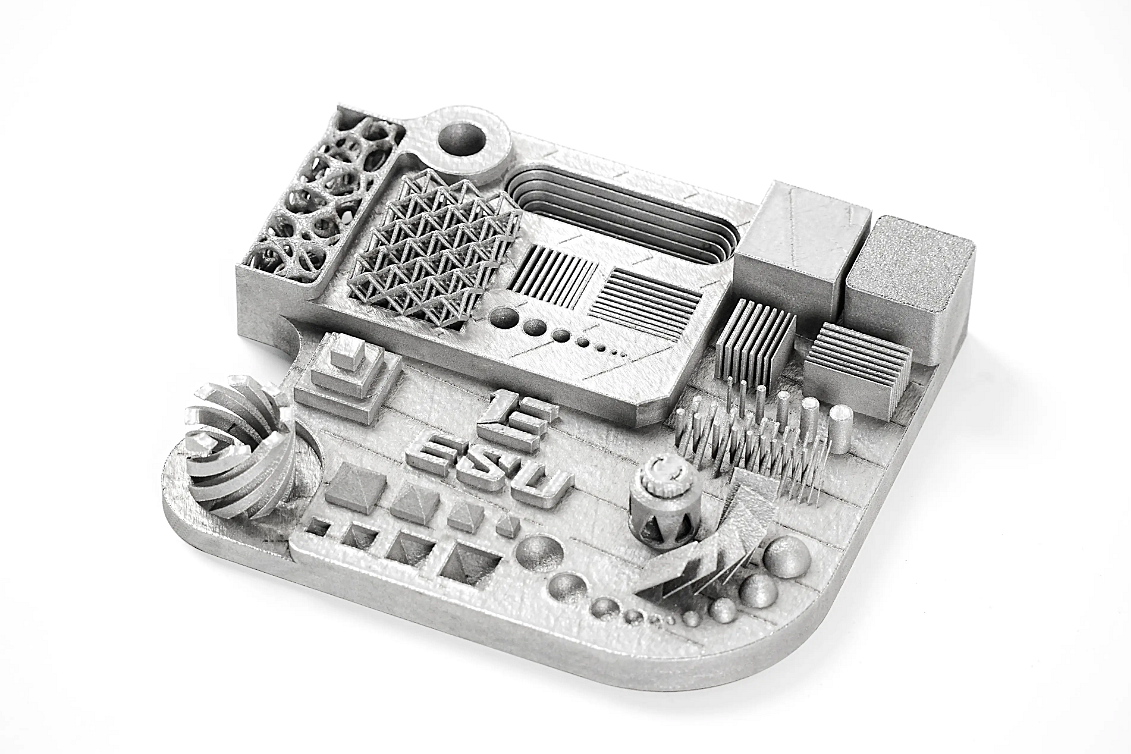
After the build, loose powder is recovered and the part must be cleaned in a manner compatible with its passages and cavities. The supplier may perform stress relief before plate separation to manage residual stress; the required sequence depends on alloy, geometry and qualified procedure. Parts are then removed from the plate, and fused supports are cut, machined or otherwise removed. These operations can release distortion and leave witness surfaces.
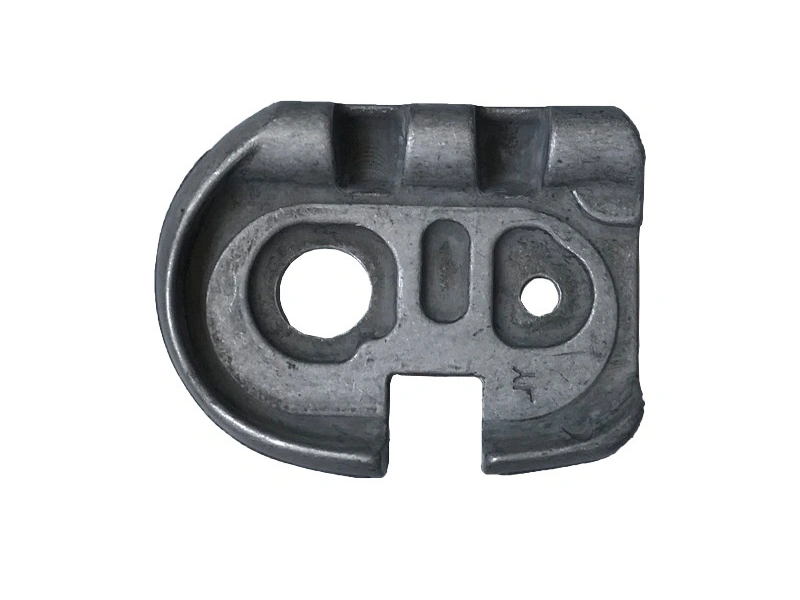
Further heat treatment is selected to achieve a stated final material condition. Hot isostatic pressing is used only when the design, defect risk and qualification plan justify it; it is not mandatory for every metal print and does not remove every surface-connected or geometric defect. Blasting can create a uniform finish and remove residue. CNC machining establishes precision datums, threads, bores and sealing faces. Final cleaning and inspection follow all operations that can change the part.
Plastic Route by Process
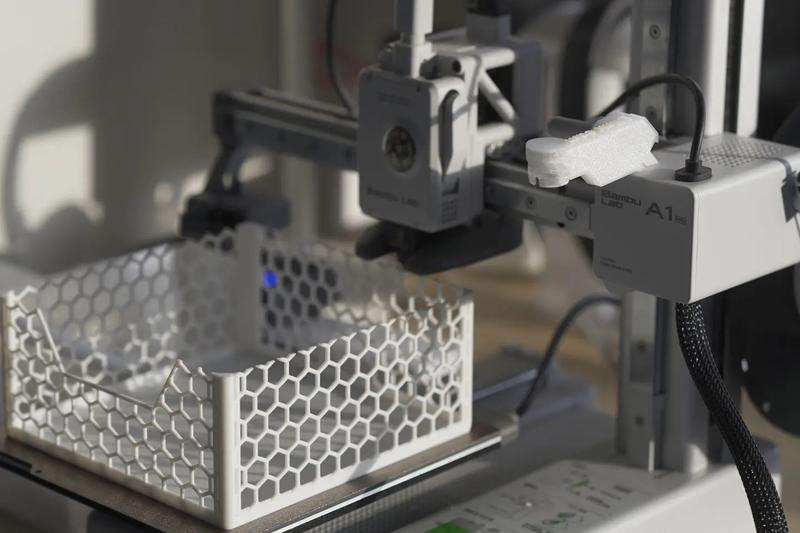
Extrusion parts first need support and brim removal. Support contact, stringing and layer steps may be trimmed or sanded. Soluble support requires a controlled wash and complete drying, especially where internal cavities can retain solution. Annealing is process- and material-specific and can alter dimensions, so it must be planned before final measurement.
Polymer powder-bed parts require depowdering, including internal channels and blind features. Blasting or tumbling may improve surface consistency, but aggressive finishing can soften edges or change small features. Dyeing, sealing or coating may follow when specified. Vat-resin parts require the qualified wash, drying and post-cure schedule. Supports are removed at a defined point in the sequence, and support marks may be dressed. Under-cure, overexposure, trapped wash fluid and unsupported thin features all affect the result.
Workflow Comparison
| Process family | Normally required steps | Conditional steps | Release concern |
|---|---|---|---|
| Metal powder bed | Depowder, plate/support removal, specified thermal route, clean and inspect | HIP, machining, blasting, polishing, coating | Distortion, residual support, rough fatigue surfaces and passage cleanliness |
| Thermoplastic extrusion | Support or brim removal, cleanup and dimensional check | Anneal, sand, vapor smooth, insert, machine, paint | Layer direction, support scars, heat distortion and trapped wash media |
| Polymer powder bed | Cool under control, excavate, depowder and inspect | Blast, tumble, dye, seal, machine | Powder retention, thin-feature damage and conditioned dimensions |
| Vat photopolymer | Wash, dry, support removal, post-cure and inspect | Sand, polish, clear coat, paint | Cure state, resin residue, support marks and aging |
The exact order can change with geometry and qualified practice. Record it because machining before versus after heat treatment, or support removal before versus after cure, can change dimensions and surface condition.
Specify Finish from Function
Do not request smooth everywhere unless every surface needs it. Mark sealing lands, bearing seats, electrical contacts, cosmetic zones, cleanable channels and surfaces allowed to remain as printed. Assign roughness only where it supports a function and define visual acceptance with an approved sample or inspection conditions. Surface post-processing should follow these zones.
Some combinations are inappropriate. Powder coating is a thermal application generally associated with suitable metal substrates, not a default finish for printed thermoplastics. Vapor smoothing depends on polymer and solvent compatibility. Anodizing applies to suitable aluminum or titanium conditions, not every printed metal. Ask the finisher to confirm substrate, preparation, dimensional buildup and masking.
Plan Datums, Allowance and Hold Points
Machined surfaces need sufficient stock and accessible fixturing. Choose datums that remain stable after support removal and thermal operations. Protect holes and threads from blasting or coating where buildup would impair fit. For flexible or thin polymer parts, define how they will be restrained and measured; free-state and constrained dimensions answer different questions.
Use hold points before irreversible or costly work. A metal part can be checked for major distortion after stress relief and plate removal before detailed machining. A resin part can be visually checked after washing before finish labor. First articles should confirm the full sequence before a repeat batch is released.
Inspection Must Follow the Final Operation
Measure dimensions after all operations that can change them. Verify thread gauges, sealing surfaces, coating coverage and internal cleanliness as applicable. A leak or pressure requirement needs its own test. Where internal discontinuities matter, select a nondestructive method based on material, thickness, geometry and defect size; no single inspection method proves universal internal quality.
Trace inspection to build, material lot, thermal or cure batch and machining revision according to project risk. When a supplier changes sequence, tooling, heat treatment, cure or finish, review the approval impact. The relevant guidance on post-processing printed parts should be converted into a part-specific traveler, not referenced as a generic promise.
RFQ Checklist
Send the native CAD or neutral model, drawing, quantity, alloy or polymer requirement, printing process if mandated, load and environment, datums, machining zones, roughness, cosmetic standard, color, coating, cleanliness and inspection requirements. Identify internal passages and surfaces inaccessible after printing. Ask the supplier to return the proposed orientation, supports, thermal or cure sequence, removal method, finish steps, inspection points and exclusions.
The main difference is operational: metal powder-bed routes commonly depend on thermal and mechanical finishing to reach the delivered state, while plastic routes vary among cleanup, depowdering, washing and cure. Both can require functional post-processing. Buy the complete final condition and its evidence, not an unspecified as-printed part followed by an assumed cleanup step.