Which materials work best for additive manufacturing without tooling?
No single material works best for additive manufacturing without tooling. The absence of a dedicated mold comes from building the geometry directly, not from choosing nylon, resin, aluminum or another feedstock. Use photopolymer for detailed visual or narrowly qualified parts, thermoplastic extrusion or powder bed for suitable polymer prototypes and low-volume components, reinforced polymer where directional stiffness helps, and metal powder-bed routes where metallic behavior justifies their higher processing burden. The winning combination must meet the part's load, environment, geometry and final acceptance plan.
Choose a Process and Material Together
A material name cannot be separated from its printing route. Extruded thermoplastic has deposited bead paths and often needs supports. Polymer powder bed surrounds the part with powder and supports complex nesting, but requires cleaning. Vat photopolymer is washed and post-cured. Metal powder bed adds powder controls, residual stress, fused supports and thermal processing. The delivered property set comes from material, process, orientation and final condition.
Ask which requirement would reject a candidate: excessive deflection, creep, impact fracture, heat, chemical attack, electrical conductivity, leakage, wear, dimensional movement or appearance. Then use 3D printing data and representative tests from that process state. Molded-polymer or wrought-metal datasheets may screen chemistry, but they do not certify a printed part.
Photopolymers for Detail and Controlled Duty
Vat resins can create fine features, smooth visual surfaces, transparent-looking models and patterns without a part mold. They often suit concept verification, appearance review, small detailed geometries and selected tooling aids. Product labels such as tough, flexible or heat-resistant are relative within a supplier family. Wash, cure, thickness, light exposure and aging affect performance.
Choose resin when detail or surface outweighs long-term structural uncertainty and the actual exposure can be tested. A visual prototype need not carry field load. A functional resin part requires documented cure, orientation, service environment and retained-property evidence. Do not infer production-plastic behavior from similar appearance.
Thermoplastics for Functional Iteration
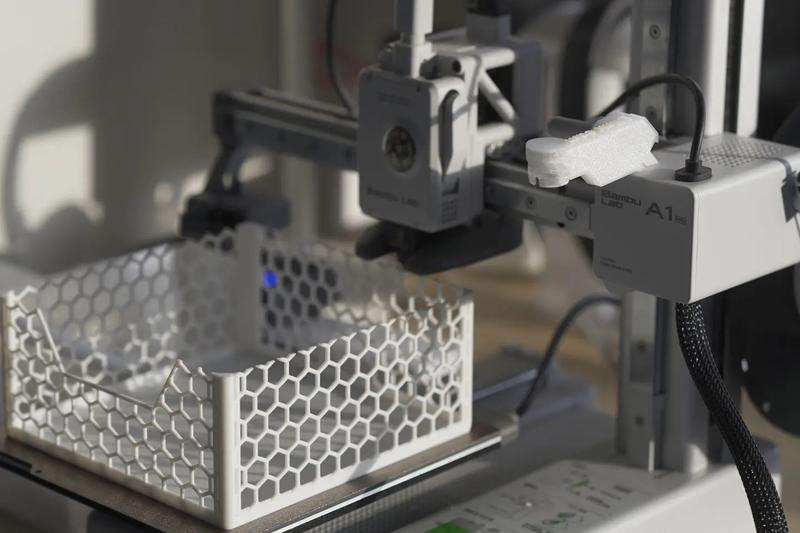
Extruded thermoplastics support fit models, fixtures, housings, ducts and low-volume parts across a broad equipment range. Powder-bed polyamides and related materials can produce nested parts and geometries without attached supports, although trapped powder and conditioned dimensions require attention. Candidate grades differ in impact, creep, moisture uptake, chemical behavior and layer-direction response.
Unfilled polymers often tolerate strain better than heavily filled grades. They can be useful for clips, guards and housings. Sustained fastener loads may need inserts, and warm loaded service may be governed by creep rather than short-term strength. The geometry should use process-appropriate ribs, radii, wall transitions and build orientation.
Reinforced and Flexible Options
Short glass- or carbon-fiber-filled polymers can increase stiffness and alter dimensional response, making them candidates for fixtures, brackets and lightweight tooling aids. Continuous-fiber systems reinforce selected paths. Both are directional and can lose ductility or expose fibers during finishing. Validate holes, insert loads, corners and weak directions in representative geometry.
Flexible polymers can support grips, bellows, covers and seal-geometry trials. Hardness alone does not establish tear resistance, compression set or fluid compatibility. A flexible printed sample may validate installation while a conventionally produced elastomer remains necessary for service. State that boundary in the drawing and test report.
Metals When Metallic Function Is Required
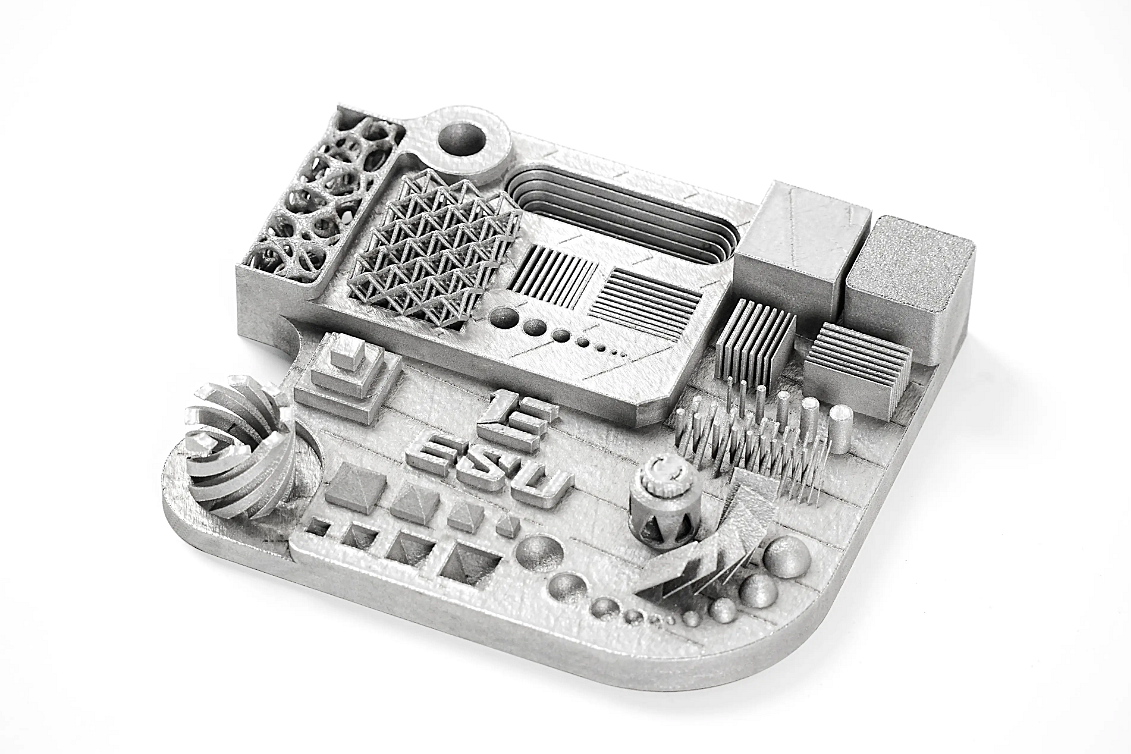
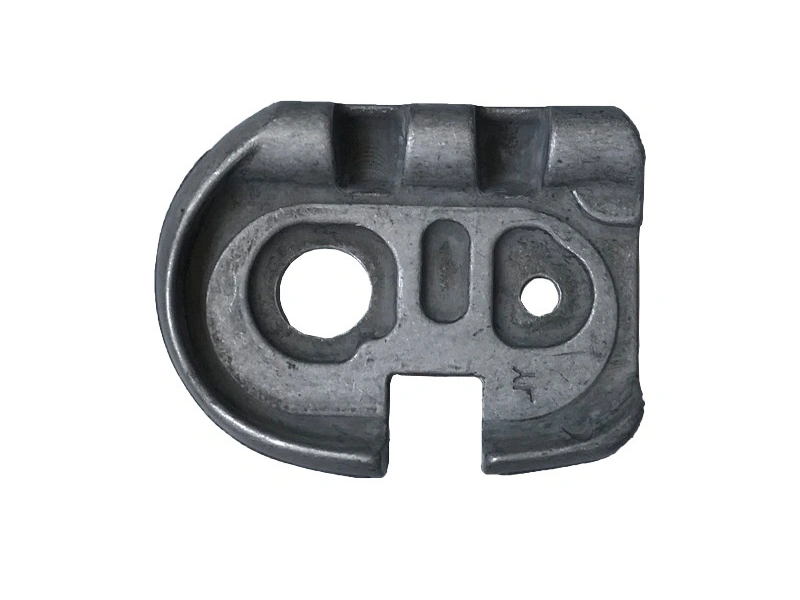
Printed aluminum, stainless, titanium or nickel alloy families may be evaluated when the part needs metallic stiffness, temperature response, conductivity, wear behavior or a compact internal passage. Availability and properties are supplier-specific. A printed alloy is not automatically equivalent to a similarly named cast or wrought alloy; microstructure, direction, surface and heat treatment differ.
Metal also brings cost that a no-mold headline can hide: build supports, stress management, plate separation, heat treatment, blasting, machining and inspection. Use metal when those steps are justified by function or consolidation, not merely because a prototype was originally designed as a casting.
Selection Matrix
| Candidate | Useful no-mold application | Main qualification question |
|---|---|---|
| Vat photopolymer | Detailed visual parts, patterns and controlled-duty prototypes | Does the washed and cured state survive aging and exposure? |
| Extruded thermoplastic | Fit checks, fixtures, housings and configurable components | Do layer direction, creep and supports affect the load path? |
| Polymer powder bed | Nested low-volume parts and complex polymer geometry | Can powder be removed and conditioned dimensions controlled? |
| Reinforced polymer | Stiff lightweight brackets, jigs and end-of-arm tooling | Are weak directions, inserts and environmental effects validated? |
| Metal powder bed | Metallic-duty parts and compact integrated passages | Does final heat, surface and machined condition pass function? |
Cost and Evidence Before Release
Compare accepted-part cost after support removal, cleaning, cure or heat, post-machining, inserts, finish and inspection. A lower-cost feedstock can become expensive if it needs repeated finishing or replacement. A more expensive material can be justified if it removes assemblies or meets a duty unavailable from the alternatives, but that value must be demonstrated.
Send CAD, quantity, load, temperature, chemicals, life, datums, tolerances, finish and acceptance tests. Request exact material designation, process, orientation, final condition and relevant data. Use the related composite end-use qualification where reinforcement is proposed. Select the route on project evidence, not on the idea that any particular material creates tooling-free economics by itself.
Buyer Decision
Start with the least costly material-process route that can answer the current engineering question. It may be a visual resin for appearance, an unfilled polymer for fit, a reinforced polymer for a loaded fixture or metal for the final functional boundary. If the part moves to recurring production, freeze the qualified state and reassess total cost and capacity. Avoiding a mold is valuable only when the chosen printed material still delivers an acceptable part.