ADC14
Material Introduction
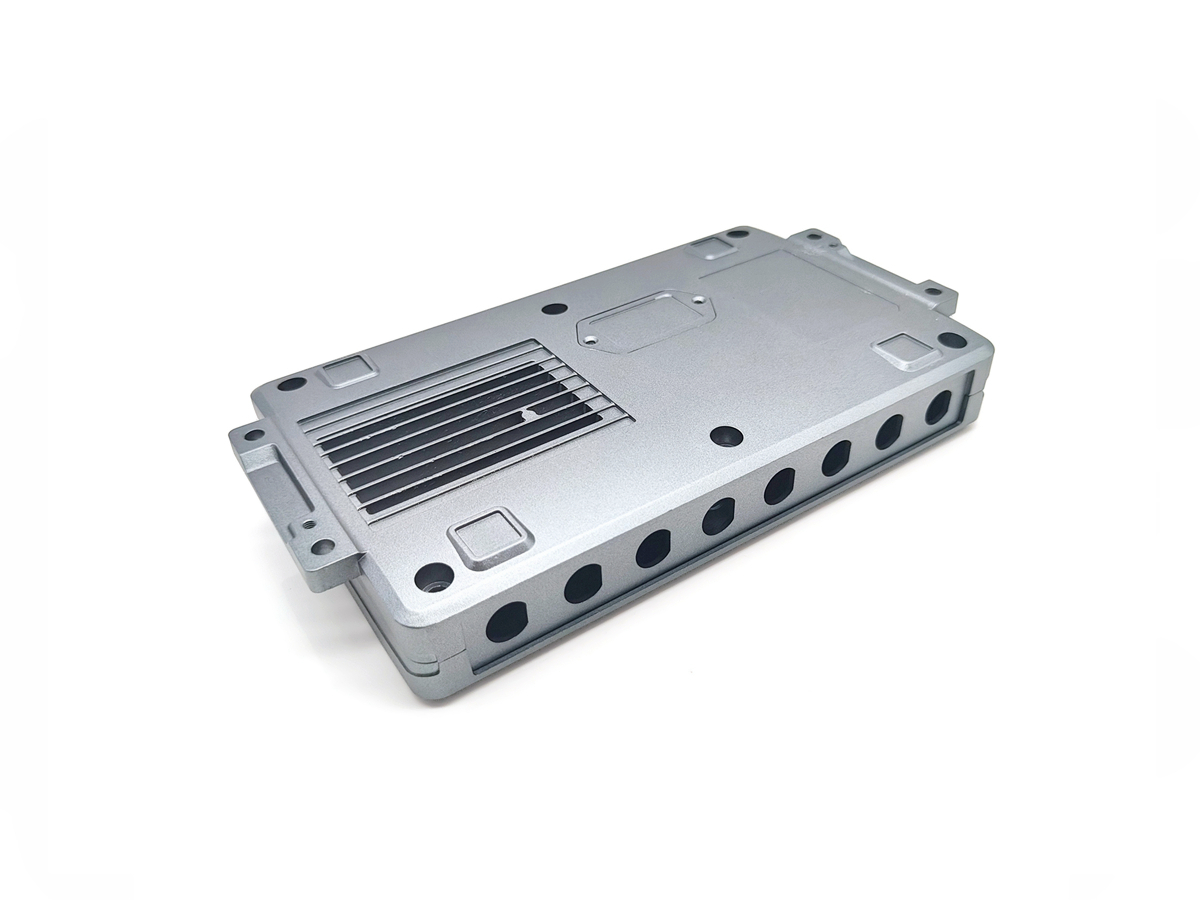
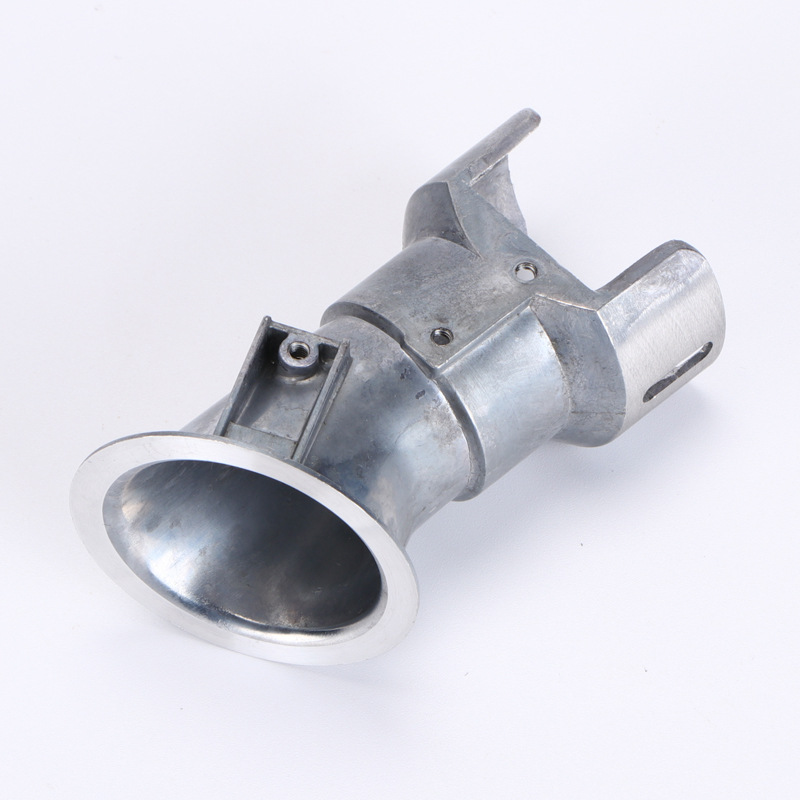
ADC14 is a premium aluminum–silicon–copper casting alloy engineered for high-performance aluminum die casting applications requiring exceptional dimensional precision, excellent thin-wall castability, and strong mechanical performance. Compared to general-purpose alloys such as ADC10 or ADC12, ADC14 offers a more optimized balance of silicon and copper, enabling superior fluidity for intricate mold features, higher strength for load-bearing parts, and improved fatigue resistance for long-service-life components. When produced through Neway’s advanced tool and die making systems and controlled molten metal management, ADC14 consistently delivers stable results across large injection cycles, making it a reliable choice for automotive structural parts, electronic housings, and complex precision mechanisms.
Alternative Material Options
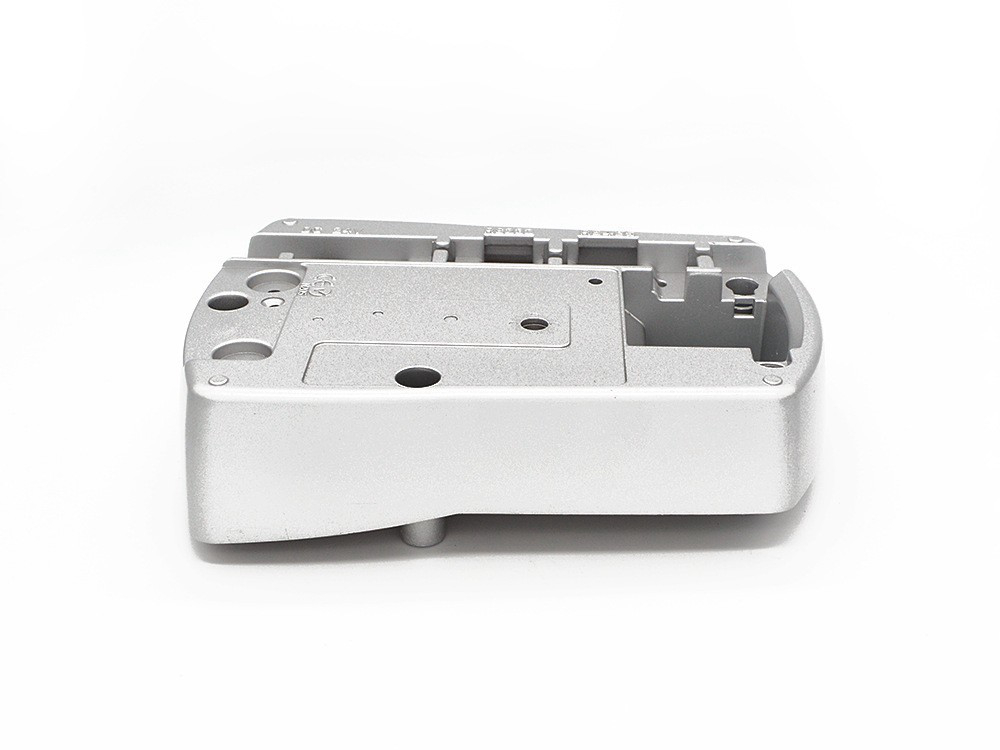
If ADC14’s specific balance of performance and castability does not fully align with project goals, several high-quality alternatives are available. For superior fluidity, better corrosion resistance, and greater global availability, A383 / ADC12 is frequently chosen. When structural performance and excellent ductility are required, especially for heat-treatable parts, A356 or EN AC-43500 (AlSi10Mg) are strong options. For applications requiring maximum pressure tightness or leak prevention, A413 is the preferred choice. For premium surface finishing or decorative product lines, copper-based alloys such as Brass 380 or broader copper-brass alloys may be recommended. If ultra-thin walls or extremely high-fluidity casting is critical, silicon-rich alloys such as A413 or AC4C can be used.
International Equivalent / Comparable Grade
Country/Region | Equivalent / Comparable Grade | Specific Commercial Brands | Notes |
Japan (JIS) | ADC14 | JIS-compliant aluminum casting alloy suppliers | Baseline reference for automotive housings and structural parts. |
USA (AA/ASTM) | A380 Variant (AA380.x optimized) | Kaiser / Alcoa A380 series | Comparable in composition but ADC14 offers slightly improved casting behavior. |
Europe (EN) | EN AC-46000 (AlSi9Cu3) | Rheinfelden / Hydro AlSi9Cu3 | European standard equivalent used widely in automotive and industrial applications. |
UK (BS) | LM24 | BS1490 LM24 ingots and castings | UK industry alloy with similar mechanical and casting performance. |
Germany (DIN) | GD-AlSi9Cu3 | DIN EN 1706 foundries | Close chemical and mechanical match for ADC14 applications. |
China (GB) | YL113 / AlSi9Cu3 | Chinese AlSi9Cu3 producers | Widely used domestic equivalent with similar casting characteristics. |
Design Purpose
ADC14 was developed to provide a highly stable die-casting alloy that can produce intricate, thin-wall components with consistent quality across mass-production runs. The alloy’s optimized silicon content enhances fluidity, enabling precise filling of narrow channels, complex mold geometries, and deep ribs. The copper content reinforces mechanical strength and hardness, making ADC14 suitable for load-bearing designs. It targets applications where dimensional accuracy, durability, and reduced porosity are critical—such as transmission housings, heat-spreading enclosures, brackets, and high-precision mechanical structures. Paired with Neway’s engineering and prototyping support, ADC14 allows engineers to streamline multi-piece assemblies into a single robust die-cast component.
Chemical Composition
Element | Aluminum (Al) | Silicon (Si) | Copper (Cu) | Magnesium (Mg) | Zinc (Zn) | Iron (Fe) | Others (Mn, Ni, Ti, etc.) |
Composition (%) | Balance | 8.5–10.5 | 2.0–3.0 | ≤0.30 | ≤1.0 | ≤1.3 | Total ≤0.5 |
Physical Properties
Property | Density | Melting Range | Thermal Conductivity | Electrical Conductivity | Thermal Expansion |
Value | ~2.73 g/cm³ | ~545–610°C | ~90–110 W/m·K | ~23–28% IACS | ~21–23 µm/m·°C |
Mechanical Properties
Property | Tensile Strength | Yield Strength | Elongation | Hardness | Fatigue Behavior |
Value | ~230–290 MPa | ~130–180 MPa | ~2–4% | ~80–100 HB | Good fatigue resistance for mechanical housings |
Key Material Characteristics
Outstanding castability for intricate, thin-wall aluminum die-cast components.
Excellent fluidity supports deep ribs, sharp corners, and high-detail mold features.
High strength and improved fatigue life due to copper-reinforced matrix.
Stable dimensional accuracy suitable for precision mechanisms.
Balanced thermal properties ideal for housings and heat-dissipating structures.
Good compatibility with post machining for tight-tolerance surfaces.
Low porosity with proper gating design and vacuum die casting.
Excellent coating adaptability including powder coating, painting, and specialty finishes.
Reliable strength-to-weight ratio ideal for load-bearing parts.
Supports multi-functional part integration, reducing assembly count.
Manufacturability And Post Process
High-pressure aluminum die casting: Primary method offering excellent repeatability and precision.
Sand casting: Useful for prototyping ADC14 alloy structures before full die production.
Insert casting: Direct integration of steel shafts, threads, and brass inserts into ADC14 bodies.
Post machining: Good machining performance enables ±0.02–0.05 mm tolerances.
Tumbling for edge smoothing and aesthetic refinement.
E-coating, chromate conversion, and powder coating for enhanced corrosion protection.
Assembly integration with other mechanical or electronic components.
Suitable Surface Treatment
Powder coating: Highly durable exterior finish with strong adhesion.
Liquid painting: Ideal for consumer-facing components with aesthetic requirements.
Anodizing: Limited protectiveness due to copper content, but excellent decorative effect on prepared surfaces.
Arc anodizing: Enhanced wear resistance for industrial hardware.
Bead blasting: Uniform surface texture for premium feel and improved coating adhesion.
E-coating and chromate conversion: Corrosion-resistant coatings suitable for automotive and electronics.
Common Industries and Applications
Automotive housings, brackets, and transmission components similar to BYD die-cast parts.
Consumer electronics frames and heat-dissipating modules aligned with Huawei and Apple precision projects.
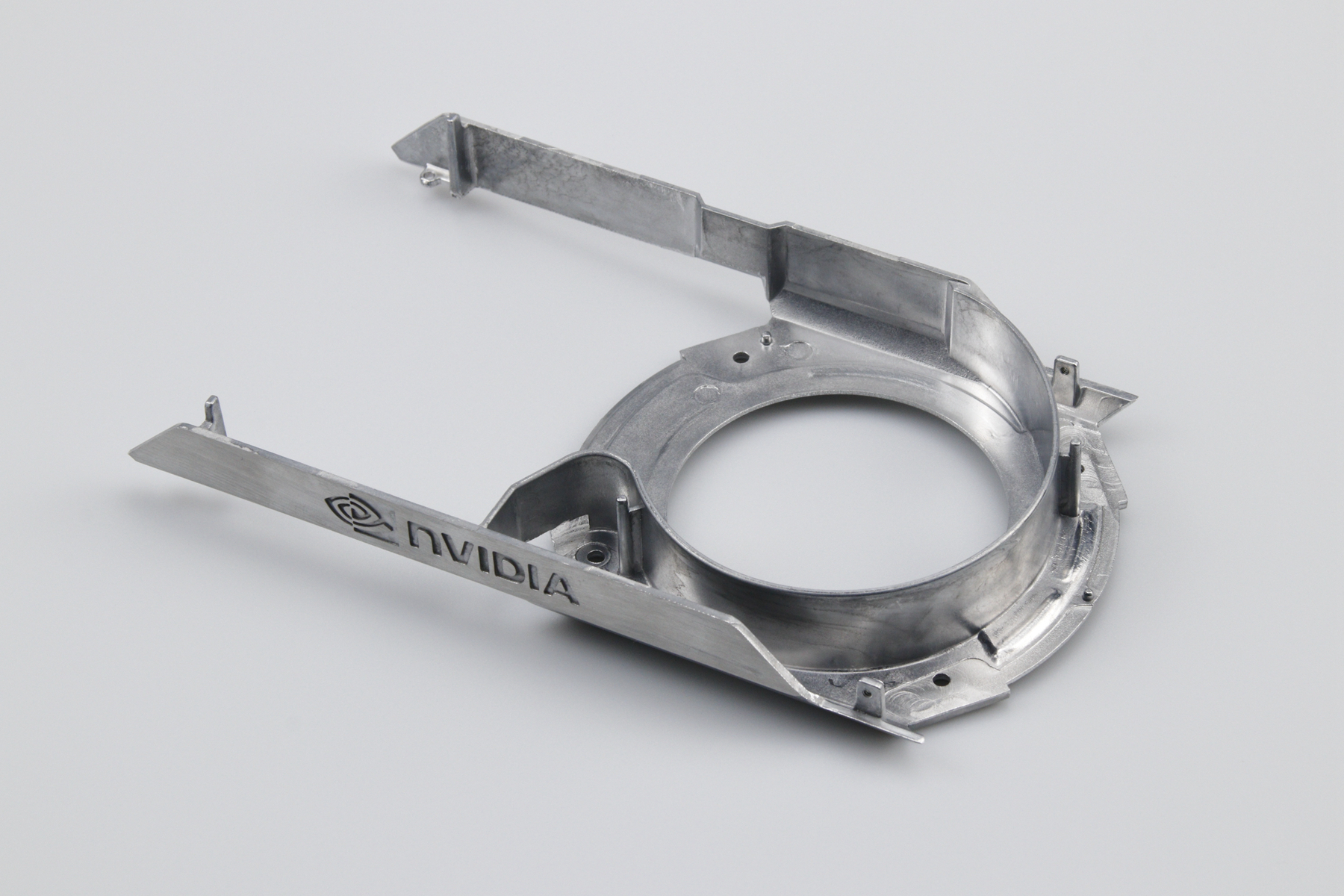
Computer hardware frames and high-rigidity mounts similar to Nvidia and Gigabyte GPU frames.
Industrial machinery housings, mechanical interfaces, and lightweight structural supports.
Power tools and durable mechanical components similar to Bosch projects.
Home appliances and small machines requiring high rigidity and thermal balance.
When to Choose This Material
For thin-wall, high-detail casting: Excellent fluidity supports 0.8–1.2 mm wall thickness designs.
For strength-critical components: Higher strength and stability than ADC10/ADC12 for structural housings.
For precision mechanical assemblies: Stable dimensions with minimal deformation in mass-production cycles.
For high heat dissipation needs: Good thermal conductivity suitable for electronics housings.
For complex, multi-piece consolidation: Excellent for integrating brackets, ribs, bosses, and channels into one casting.
For applications requiring premium finishing: Supports a wide range of coatings and textures.
For automotive and industrial environments: Balanced strength, weight, and durability under continuous load.
For one-stop development: Ideal when leveraging Neway’s one-stop service from design to assembly.
Explore Related Blogs