AlMg5Si2Mn
Material Introduction
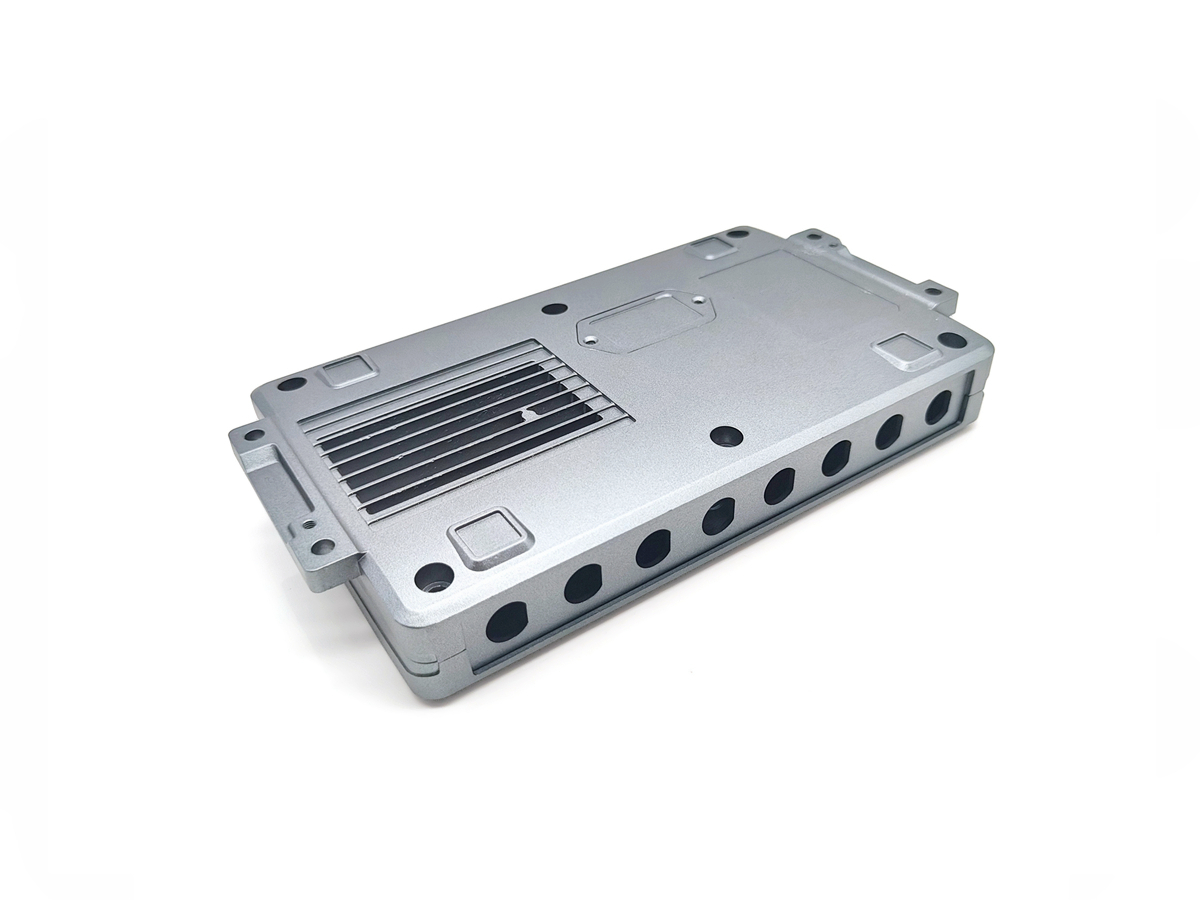
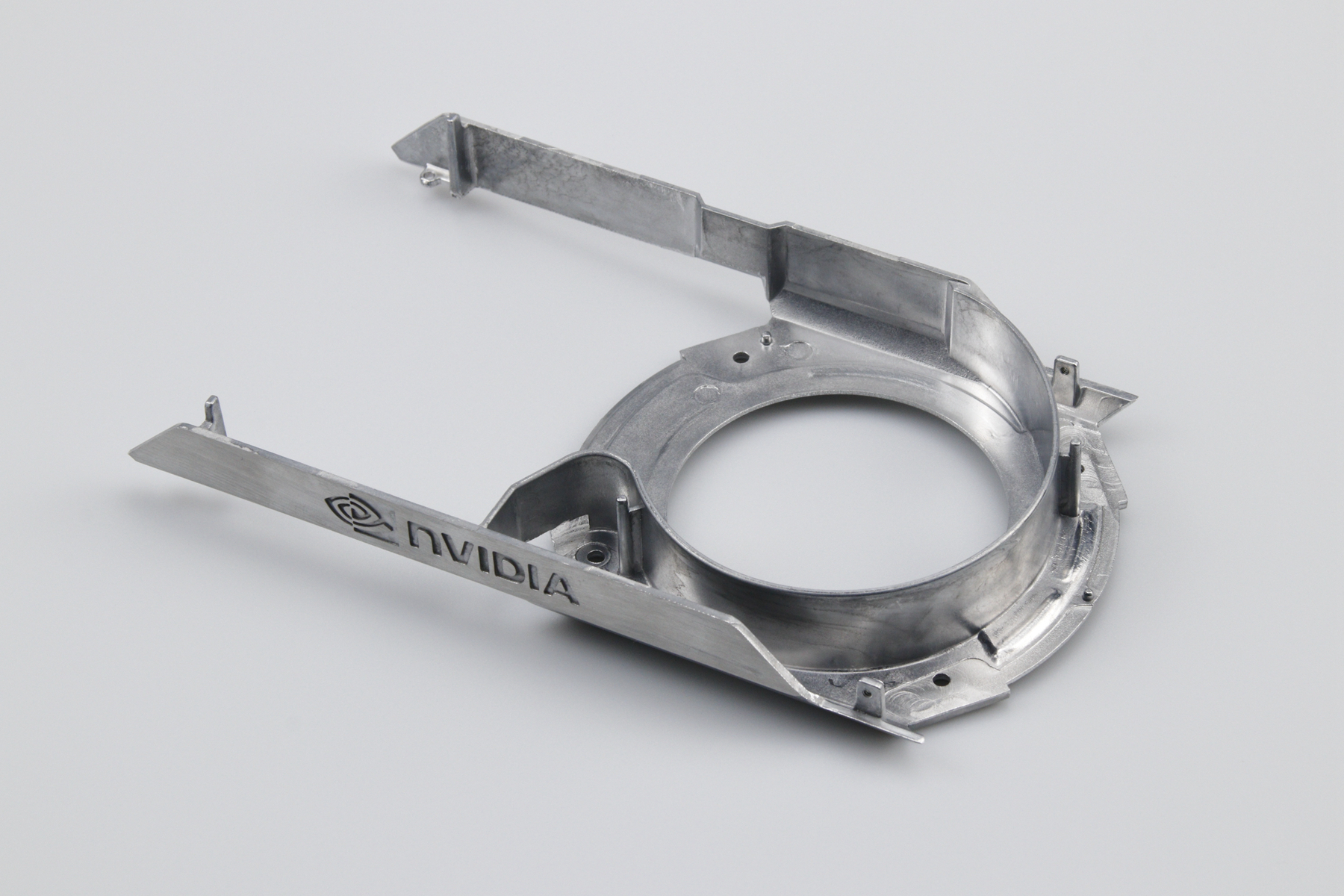
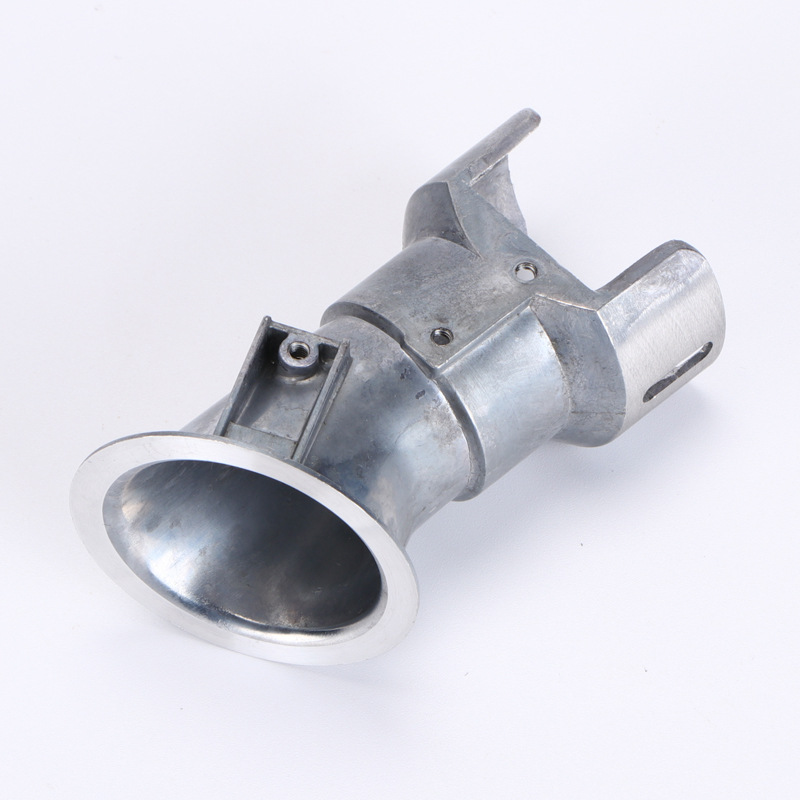
AlMg5Si2Mn is a high-performance aluminum–magnesium–silicon–manganese alloy engineered for demanding aluminum die casting applications where strength, corrosion resistance, and weldability must coexist. Compared with traditional Al–Si or Al–Si–Cu casting alloys, AlMg5Si2Mn offers superior toughness, excellent resistance to salt spray environments, and a lower density-to-strength ratio—making it ideal for lightweight structures in automotive, marine, energy, and electronics enclosures. The alloy’s Mg–Si strengthening mechanism provides a refined microstructure, while Mn enhances toughness and reduces hot cracking. When processed with Neway’s optimized tool and die making systems, the alloy enables high-integrity castings with low porosity and consistent dimensional performance.
Alternative Material Options
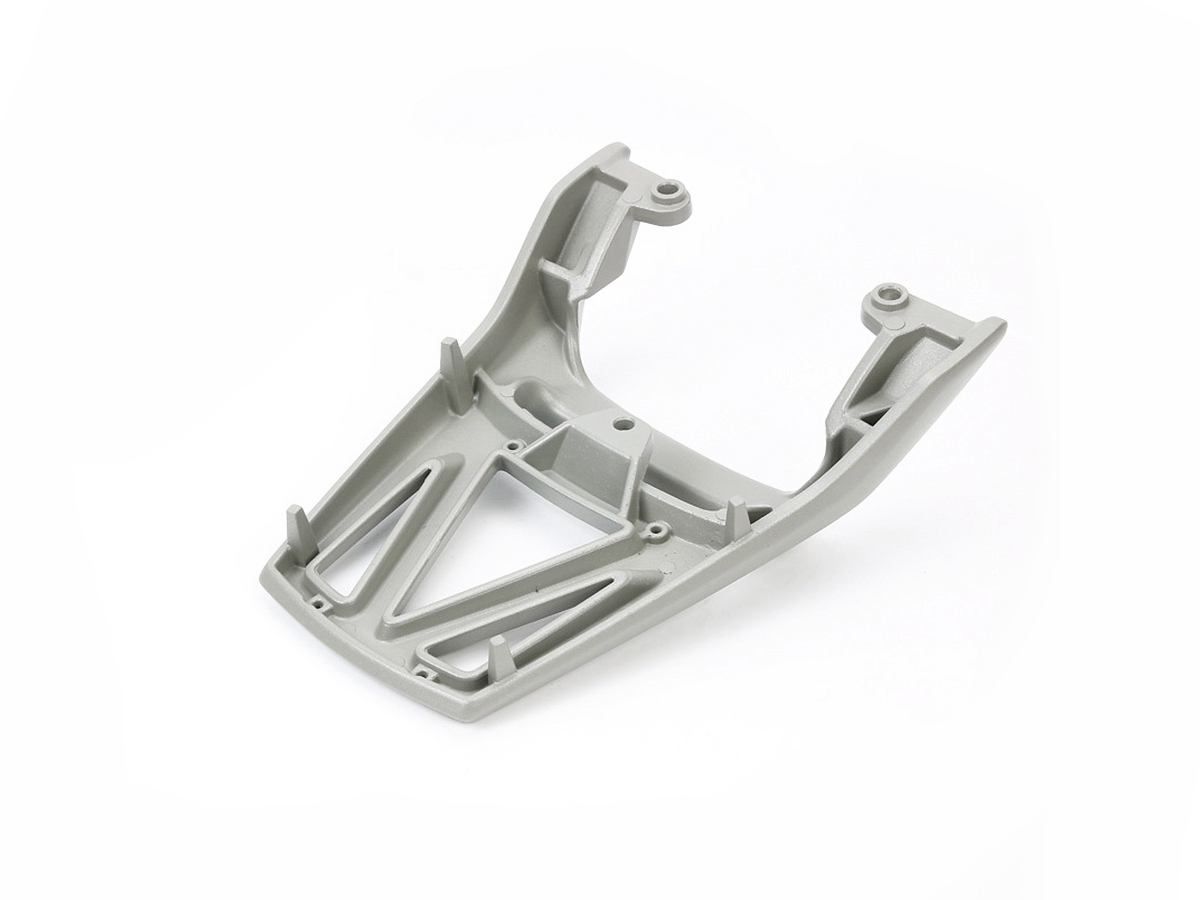
For applications requiring higher fluidity or more complex thin-wall features, A380 or ADC12 may be more suitable due to their Si-rich composition. If enhanced ductility and weldability are required, AlSi10Mg is a suitable alternative. For marine-grade corrosion performance, AC7A provides excellent seawater resistance. When extreme strength or wear resistance is required, Cu-rich alloys such as A201 or hard-phase alloys like A390 can be selected. Each provides distinct advantages depending on structural load, thermal exposure, and environmental conditions.
International Equivalent / Comparable Grade
Country/Region | Equivalent / Comparable Grade | Specific Commercial Brands | Notes |
Europe (EN) | EN AC–Mg5Si2Mn family | Hydro Mg–Si–Mn Cast Series | Closest standardized series for Mg–Si–Mn die-cast alloys. |
USA (ASTM/AA) | A535 / Mg-rich casting alloys | AA535-type alloy suppliers | Not compositionally identical; mechanical class is comparable. |
China (GB/T) | Similar to ZL family Mg–Si–Mn | Chalco Mg–Si–Mn Foundry Series | Functional equivalent for structural Mg–Si aluminum castings. |
Japan (JIS) | AC4xx Mg–Si alloy family | UACJ / Daiki AC4-series | Used where weldability and corrosion performance matter. |
ISO | Mg–Si–Mn casting alloy group | ISO-standard Mg-strengthened alloys | General classification for Mg–Si–Mn structured castings. |
Design Purpose
AlMg5Si2Mn was developed for lightweight components that must deliver high structural performance without sacrificing corrosion resistance or weldability. Its Mg–Si precipitation hardening responds well to aging, allowing designers to target specific mechanical profiles. The Mn content improves hot-tear resistance and contributes grain refinement, making the alloy suitable for medium-wall castings, dynamic load-bearing brackets, heat-dissipation shells, marine structural parts, and automotive chassis elements. In electrical and electronic housings, the alloy provides stable thermal conductivity and excellent electromagnetic compatibility when combined with Neway’s post machining processes. Its design intent centers on delivering a versatile, environment-resistant alloy that performs consistently in both static and dynamic conditions.
Chemical Composition
Element | Magnesium (Mg) | Silicon (Si) | Manganese (Mn) | Iron (Fe) | Zinc (Zn) | Titanium (Ti) | Aluminum (Al) |
Composition (%) | ~5.0 | ~2.0 | ~1.0 | ≤0.30 | ≤0.20 | ≤0.20 | Balance |
Physical Properties
Property | Density | Melting Range | Thermal Conductivity | Electrical Conductivity | Thermal Expansion |
Value | ~2.63 g/cm³ | ~580–640 °C | ~90–110 W/m·K | ~27–30% IACS | ~22–23 µm/m·°C |
Mechanical Properties
Property | Tensile Strength | Yield Strength | Elongation | Hardness | Fatigue Strength |
Value (aged) | ~240–300 MPa | ~150–200 MPa | ~6–10% | ~75–95 HB | Good high-cycle fatigue performance |
Key Material Characteristics
Excellent corrosion resistance, particularly in marine and salt-spray environments.
Good weldability compared with Al–Cu or high-Si casting alloys.
High elongation and toughness suitable for dynamic loading.
Balanced strength-to-weight ratio ideal for lightweight structures.
Stable mechanical performance after artificial aging.
Good thermal conductivity for heat-dissipation housings.
Reduced hot cracking due to Mn grain refinement.
Machinability improves after aging heat treatment.
Lower density contributes significantly to mass reduction strategies.
Manufacturability And Post Process
Die casting with optimized flow control: Because AlMg5Si2Mn has lower fluidity than Al–Si alloys, Neway adjusts gate velocity, die temperature, and intensification pressure to ensure cavity fill without cold shuts. Its medium freezing range supports stable feeding for medium-wall components.
Vacuum die casting for integrity-critical parts: Vacuum-assisted filling reduces gas entrapment, essential for castings intended for welding or for components requiring high fatigue resistance.
Aging heat treatment: Artificial aging (T5/T6) enhances strength and stabilizes the Mg–Si precipitation microstructure. This process significantly boosts yield strength and fatigue resistance.
Post machining: Critical sealing faces, bearing bores, and mounting surfaces are processed using CNC machining for tolerance control of ±0.02–0.05 mm.
Surface smoothing and deburring: Edge finishing using tumbling or brushing prepares the component for coating or assembly.
Welding and joining compatibility: The alloy’s excellent weldability supports TIG/MIG welding for assembly operations or post-casting modifications.
Dimensional and structural inspection: High-cycle fatigue components undergo CMM measurement, X-ray checks, and Neway’s inspection processes to ensure internal and surface quality.
Suitable Surface Treatment
Anodizing: More uniform and stable than on Cu-rich alloys; provides corrosion protection and decorative appearance.
Hard anodizing: Builds a thick ceramic-like layer suitable for wear-exposed surfaces and marine structural parts.
Powder coating: Offers strong corrosion resistance and impact durability for outdoor industrial components.
Liquid painting: Enables fine cosmetic finishes for consumer housings, with good adhesion after pretreatment.
Chemical conversion coatings: Enhance corrosion resistance and provide a good base for further coatings while maintaining conductivity.
Bead blasting: Produces consistent matte textures and improves coating adhesion.
Laser marking: Suitable for traceability and identification with minimal heat impact.
Common Industries and Applications
Marine hardware, brackets, and corrosion-resistant enclosures.
Automotive lightweight structural components.
Electric vehicle battery housings and thermal-management frames.
Industrial machinery parts exposed to cyclic loads.
Electronics housings requiring corrosion and impact resistance.
When to Choose This Material
When high corrosion resistance is required, especially in marine or salty environments.
When weldability is needed for multi-part assemblies.
When superior ductility and toughness are required under dynamic loads.
When lightweight but strong structures are essential for design efficiency.
When heat dissipation and EMI stability matter in electronic housings.
When environmental durability outweighs the need for extreme thin-wall casting.
Explore Related Blogs