English

Can Aluminum Die Cast Prototypes Use the Final Production Alloy?

Table of Contents
Can Aluminum Die Cast Prototypes Use the Final Production Alloy?
1. When Prototypes Should Use the Final Production Alloy
2. When a Faster or More Economical Prototype Material May Be Enough
3. How Aluminum Alloy Selection Affects Prototype Results
4. Common Aluminum Alloys for Die Cast Prototypes
5. How to Choose Between A380, A356, A413, and ADC12
6. What Buyers Should Provide Before Choosing the Prototype Alloy
7. Why Final Alloy Validation Can Reduce Production Risk
8. Summary

Can Aluminum Die Cast Prototypes Use the Final Production Alloy?

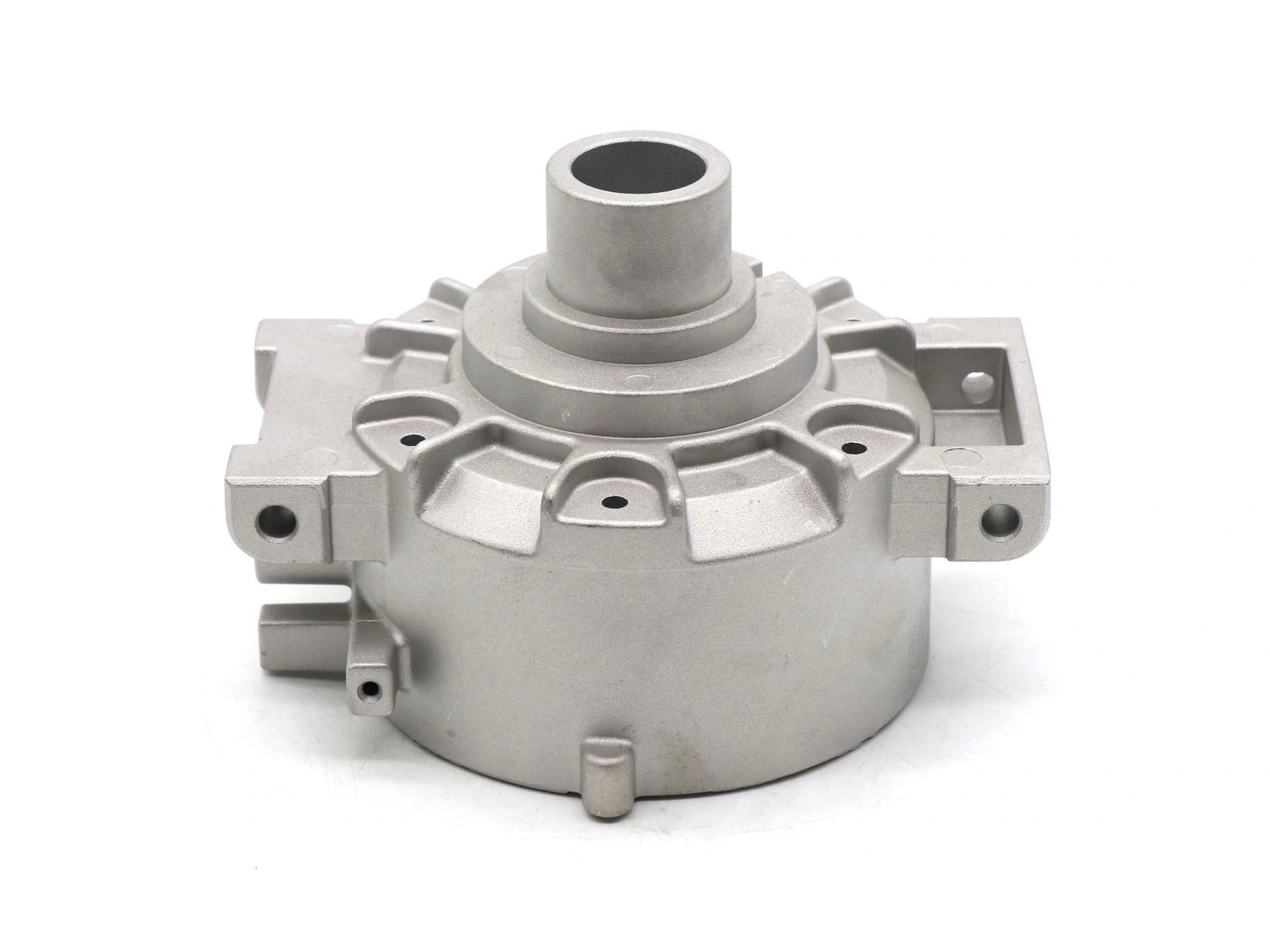
Yes, aluminum die cast prototypes can use the final production alloy, but the best choice depends on the project goal. If the buyer wants to validate final product performance, strength, weight, thermal behavior, corrosion resistance, surface treatment, post-machining quality, or mass production consistency, it is better to use the final aluminum alloy or a material very close to the final production grade.

If the prototype is only used to check appearance, assembly fit, basic structure, or design layout, buyers may choose a faster or more economical prototype method. However, material selection should still be discussed early because different aluminum die casting alloys can affect mechanical strength, casting quality, surface finishing, CNC post-machining, corrosion resistance, and final unit cost.

1. When Prototypes Should Use the Final Production Alloy

Using the final production alloy is recommended when the prototype must represent real production performance. This is especially important when the part will face load, heat, vibration, corrosion, sealing requirements, surface finishing, or strict assembly conditions.

Prototype Goal

Why Final Alloy Matters

Buyer Benefit

Strength validation

Different aluminum alloys have different mechanical behavior

More reliable test results before production

Weight confirmation

Material density and part geometry affect final product weight

Helps confirm product handling, assembly, and application suitability

Thermal performance testing

Alloy choice can affect heat transfer and temperature stability

Useful for heat sinks, housings, motor parts, and electronics components

Surface finish validation

Different alloys may respond differently to coating, blasting, polishing, or other finishes

Reduces cosmetic and post-process risk before mass production

Mass production consistency

Final alloy helps validate casting behavior and process stability

Improves confidence before tooling and batch production

2. When a Faster or More Economical Prototype Material May Be Enough

Not every prototype needs the final aluminum alloy. If the buyer only wants to check shape, assembly layout, mounting position, appearance direction, or basic structural concept, a faster or more economical prototype route may be enough. This can help reduce early development cost before the design is fully confirmed.

However, buyers should understand that a prototype made from a different material may not fully represent final strength, heat behavior, corrosion resistance, surface finishing result, or CNC machining behavior. If those factors matter to the final product, the supplier should recommend a closer production alloy.

Prototype Purpose

Final Alloy Needed?

Reason

Appearance review

Not always required

The buyer may only need to confirm shape, size, and visible design

Assembly fit check

Sometimes required

Final alloy is useful if deformation, tolerance, or post-machining behavior matters

Functional load test

Recommended

The material must represent real strength and mechanical performance

Thermal test

Recommended

Thermal behavior depends on the actual alloy and part geometry

Production process validation

Recommended

Final alloy helps evaluate casting, machining, finishing, and inspection consistency

3. How Aluminum Alloy Selection Affects Prototype Results

Material choice can change how an aluminum die cast prototype performs. The alloy can affect strength, hardness, weight, thermal performance, corrosion resistance, casting flow, shrinkage behavior, surface finish compatibility, and CNC post-machining quality. This is why aluminum die casting alloys should be selected based on the final product requirement rather than only availability or price.

Material Factor

How It Affects the Prototype

Buyer Should Check

Mechanical strength

Affects load-bearing, impact resistance, and structural reliability

Load, vibration, assembly force, and service condition

Thermal behavior

Affects heat dissipation, temperature stability, and product performance

Operating temperature, heat source, and cooling requirement

Corrosion resistance

Affects outdoor, humid, or chemical exposure performance

Use environment, coating needs, and service life

Surface finishing

Affects painting, coating, blasting, polishing, or cosmetic result

Visible surfaces, finish standard, coating thickness, and color requirement

Post-machining

Affects holes, threads, sealing faces, datums, and surface roughness

Machined features, tolerances, inspection points, and assembly needs

4. Common Aluminum Alloys for Die Cast Prototypes

Different aluminum alloys are suitable for different prototype and production goals. A380, A356, A413, and ADC12 are commonly considered in aluminum die casting projects, but the right choice depends on part function, casting method, production plan, surface requirements, and final application.

Aluminum Alloy

Typical Use Direction

Buyer Evaluation Point

A380 aluminum die casting

Commonly used for general aluminum die cast parts requiring good production balance

Check strength, castability, surface finish, and production volume needs

A356 aluminum die casting

Often considered when mechanical performance and casting quality are important

Check load, heat treatment needs, structural function, and application environment

A413 aluminum die casting

Can be considered for parts requiring good casting behavior and pressure-related performance

Check sealing, pressure, wall thickness, and casting feasibility

ADC12 aluminum die casting

Commonly used for many commercial die cast aluminum parts and production applications

Check cost target, surface finish, machinability, and mass production plan

5. How to Choose Between A380, A356, A413, and ADC12

The choice between A380, A356, A413, ADC12, or another aluminum alloy should be based on the prototype’s real purpose. If the prototype is used for final functional testing, the supplier should recommend an alloy close to the production material. If the prototype is only used for early assembly or appearance review, a faster or more cost-effective route may be acceptable.

Buyer Requirement

Material Selection Logic

Why It Matters

General production validation

Consider common production alloys such as A380 or ADC12

Helps evaluate cost, casting behavior, and batch consistency

Structural performance

Review alloys based on strength, load, and application condition

Prevents underperforming material in final use

Pressure or sealing application

Evaluate alloy and post-machining requirements together

Reduces leakage and sealing surface failure risk

Visible surface requirement

Check surface finish compatibility before prototype production

Prevents cosmetic mismatch between prototype and production parts

Mass production planning

Use a production-relevant alloy when consistency matters

Improves confidence before tooling and batch manufacturing

6. What Buyers Should Provide Before Choosing the Prototype Alloy

Before selecting the prototype alloy, buyers should provide the product use environment, strength requirement, temperature condition, corrosion exposure, surface treatment requirement, post-machining needs, expected production quantity, and whether the prototype must represent mass production consistency. This information helps the supplier recommend the right aluminum alloy instead of choosing a material only by availability.

Buyer Information

Why It Matters

How It Helps Alloy Selection

Use environment

Outdoor, humid, hot, chemical, or mechanical environments affect alloy choice

Helps evaluate corrosion resistance, strength, and surface treatment

Strength requirement

Load-bearing parts need suitable mechanical performance

Helps decide whether a general alloy or performance-focused alloy is needed

Surface treatment

Finish requirements can affect material and process selection

Helps avoid coating, polishing, blasting, or cosmetic problems

Estimated production volume

Volume affects whether the prototype should closely match final production

Helps connect prototype decisions with future tooling and mass production

Need for production consistency

Some prototypes must represent final production performance and process behavior

Supports better validation before low volume or mass production

7. Why Final Alloy Validation Can Reduce Production Risk

Using the final production alloy or a close equivalent can reduce risk when the prototype is used for serious engineering validation. It helps buyers check whether the material can meet strength, heat, corrosion, finishing, machining, and assembly requirements before production tooling and batch manufacturing begin.

If the prototype uses a different material, test results may not fully represent the final part. This may create risk when the project enters production, especially if the part has strict performance, surface finish, or post-machining requirements.

Validation Area

Risk with Different Prototype Material

Benefit of Final Alloy Prototype

Mechanical testing

Strength and deformation results may not match production parts

More realistic performance validation

Thermal testing

Heat behavior may not represent final use conditions

Better prediction of production part performance

Surface finishing

Coating or cosmetic result may differ from final parts

More reliable finish approval before mass production

Post-machining

Machining quality, burrs, threads, or surface roughness may differ

Better CNC process planning and cost estimation

Production consistency

Prototype may not reveal real casting behavior or batch risk

Improves confidence before production scaling

8. Summary

Question

Answer

Can aluminum die cast prototypes use the final production alloy?

Yes. If the buyer needs real performance validation, the prototype should use the final production alloy or a close equivalent.

When is the final alloy most important?

It is important when testing strength, weight, heat behavior, corrosion resistance, surface finish, post-machining, and production consistency.

When can another prototype material be used?

If the buyer only needs to check appearance, basic structure, or assembly layout, a faster or more economical prototype option may be acceptable.

Which aluminum alloys are commonly considered?

A380, A356, A413, ADC12, and other aluminum die casting alloys may be selected depending on the project requirement.

What should buyers provide for alloy recommendation?

Buyers should provide the use environment, strength needs, surface treatment, expected quantity, post-machining needs, and mass production plan.

In summary, aluminum die cast prototypes can use the final production alloy when buyers need accurate performance validation before low volume or mass production. If the prototype is only for shape, assembly, or appearance review, a faster or more economical prototype route may be acceptable. Because aluminum alloy selection affects strength, weight, thermal performance, corrosion resistance, surface finishing, post-machining, and production consistency, buyers should provide the working environment, strength requirements, surface treatment, expected volume, and mass production plan during quotation so the supplier can recommend the most suitable aluminum alloy.

Copyright © 2026 Diecast Precision Works Ltd.All Rights Reserved.