Can Aluminum Die Casting Materials Be Anodized, Painted or Powder Coated?
Can Aluminum Die Casting Materials Be Anodized, Painted or Powder Coated?
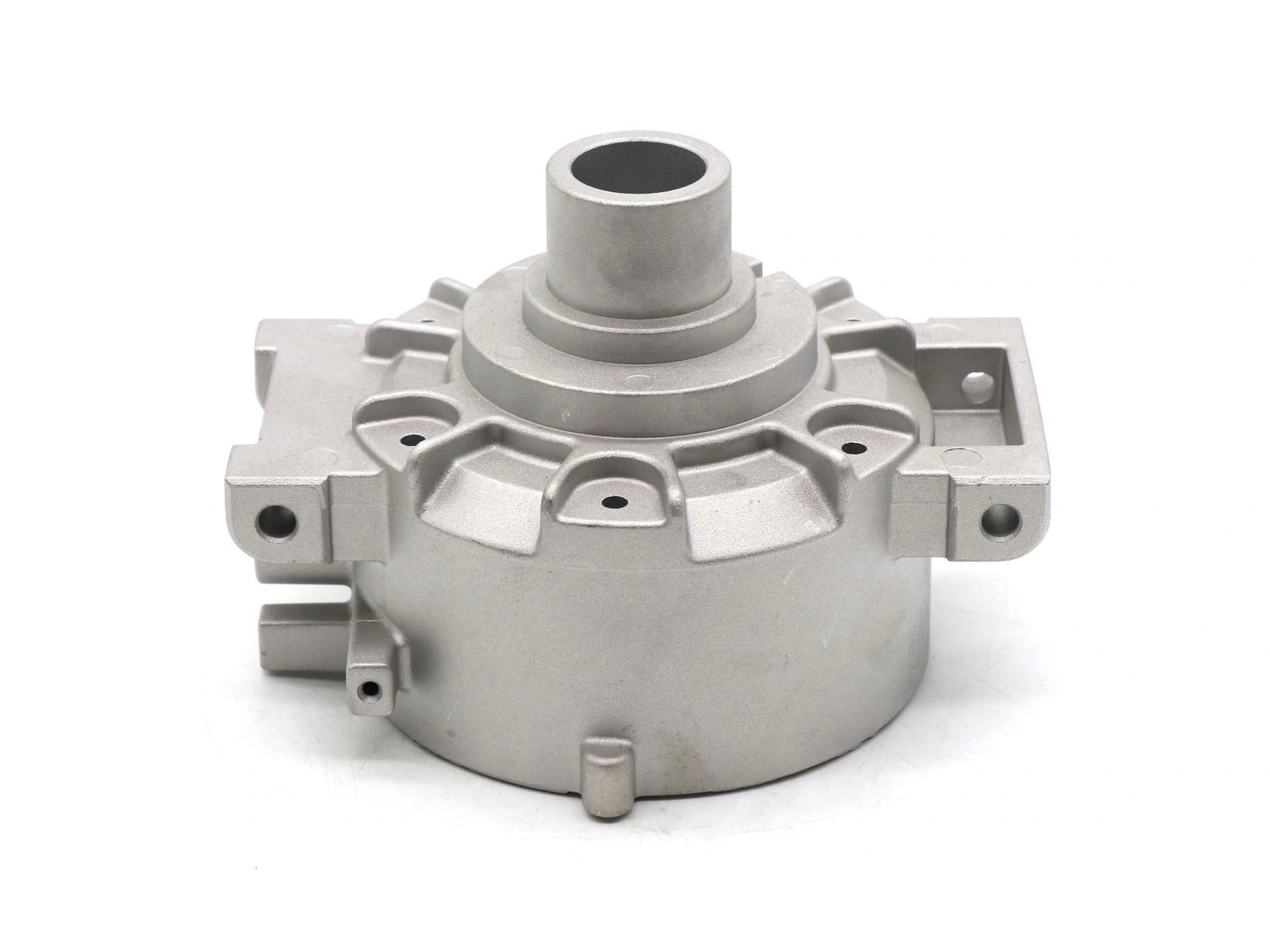
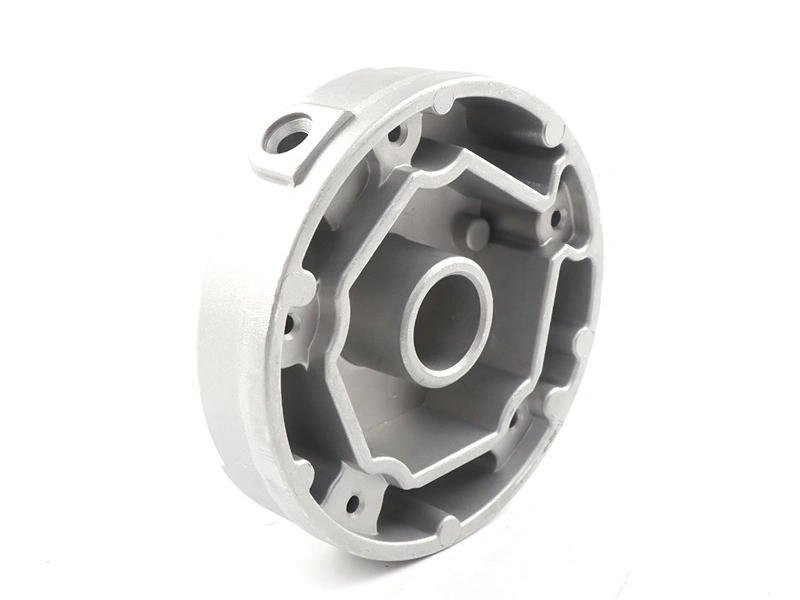
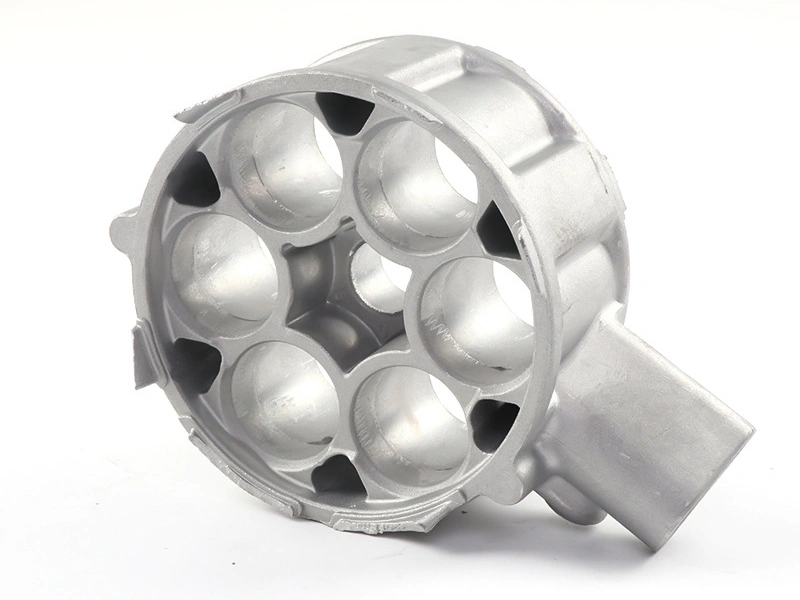
Aluminum die casting materials can often be painted or powder coated, and some can be anodized for functional or appearance purposes, but buyers must confirm the finish expectation before choosing the alloy and production route. Die cast aluminum does not behave like wrought 6061 or 6063 during decorative anodizing. Alloy chemistry, silicon content, cast surface condition and porosity can affect color, gloss and uniformity.
Painting and powder coating are usually more practical for many aluminum die cast parts. They can provide color, corrosion protection and cosmetic coverage, but they still require pretreatment, cleaning, masking, thickness control and defect standards. If the part has threads, sealing faces, bores or sliding areas, the finish can change fit and must be included in sample approval.
The finish decision should be made with the material decision. A buyer that needs a black cosmetic electronics enclosure, a corrosion-resistant outdoor housing or a machined sealing face should not treat the alloy and finish as separate choices. The selected material must accept the intended surface route with acceptable risk.
For finish compatibility, buyers can review surface finish compatibility for aluminum alloy die cast parts and A380 and ADC12 color variation after anodizing.
Finish Compatibility Table
Finish | How It Fits Die Cast Aluminum | Buyer Risk to Check |
|---|---|---|
Painting | Useful for color and cosmetic coverage | Adhesion, pores, scratches and color standard |
Powder coating | Strong option for durable colored surfaces | Outgassing, masking and coating thickness |
Decorative anodizing | Limited and alloy-sensitive for die cast materials | Uneven color, dark tone and visible casting texture |
Hardcoat anodizing | May be used for wear or functional surfaces in selected cases | Thickness buildup, fit change and alloy suitability |
Polishing | Can improve visible surfaces before plating or coating | Pores, waves, parting line and labor cost |
Why Decorative Anodizing Is Difficult on Die Cast Aluminum
Decorative anodizing is often associated with machined 6061 or 6063 parts, but aluminum die casting materials contain alloying elements that can affect anodized appearance. Silicon and other elements can create darker, uneven or less predictable color. Cast surface texture and porosity can also show through the finish.
If the buyer needs a premium decorative anodized appearance, the supplier should review whether die casting is the right route. In some cases, machining from wrought aluminum may be more suitable. In other cases, painting or powder coating can deliver the required appearance more reliably on a die cast part.
Painting and Powder Coating Planning
Painting and powder coating can work well on aluminum die castings when pretreatment and defect standards are clear. Buyers should define visible surfaces, hidden surfaces, acceptable pores, color requirement, gloss level, masking areas and packaging protection. If the part has a machined face, that area may need masking or post-finish machining.
Powder coating thickness can affect holes, threads and assembly clearances. A part that fits before coating may become tight afterward. Prototype or first article samples should be checked in finished condition, especially for parts with threaded bosses, sliding tabs or sealed interfaces.
How Material Choice Affects Finish Risk
Different aluminum die casting materials may respond differently to finishing because chemistry, porosity and cast surface quality vary. A material selected only for cost may create more rework if cosmetic finish is strict. A material selected for corrosion resistance may still need a coating system that matches the environment.
Buyers should ask for finish samples made from actual castings. Flat coupons or unrelated samples cannot prove the buyer's part because gates, parting lines, ejector marks and machining areas affect real appearance.
Finish Requirements to Include in the RFQ
The RFQ should include finish type, color, gloss, coating thickness, masking areas, visible surface zones, acceptable defect level, environmental exposure and packaging requirement. If anodizing is requested, the buyer should state whether appearance or function is the goal. If powder coating is requested, the buyer should mark threads, bores and contact faces that must stay free of buildup.
Finished Sample Approval
Finished sample approval should be tied to the actual aluminum die casting material. A finish approved on a flat coupon or a machined 6061 sample does not approve a die cast A380 or ADC12 part. The sample should include the same casting surface, parting line cleanup, machining areas and masking details expected in production.
Buyers should keep one approved finish sample or clear photo standard for visible zones. The approval should describe acceptable pores, flow marks, edge buildup, color range and handling marks. This prevents the first production batch from being judged by a different standard than the prototype.
Neway can review aluminum die casting material selection together with anodizing, painting, powder coating, machining and inspection requirements. This helps buyers avoid choosing a material that casts well but fails the required surface finish.
When a finish affects fit, the final inspection should happen after finishing. Thread gauges, plug gauges, masking checks and visual review should use the same condition the buyer will receive. This is especially important for coated holes, gasket faces, sliding surfaces and customer-facing covers.