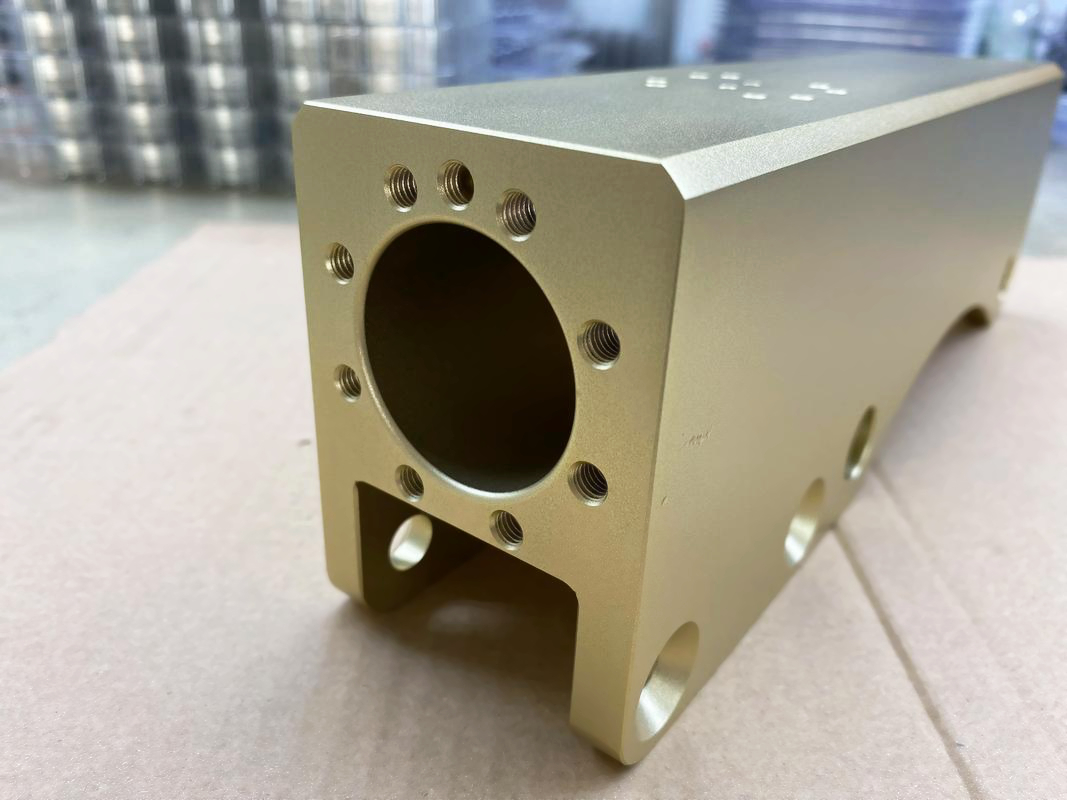
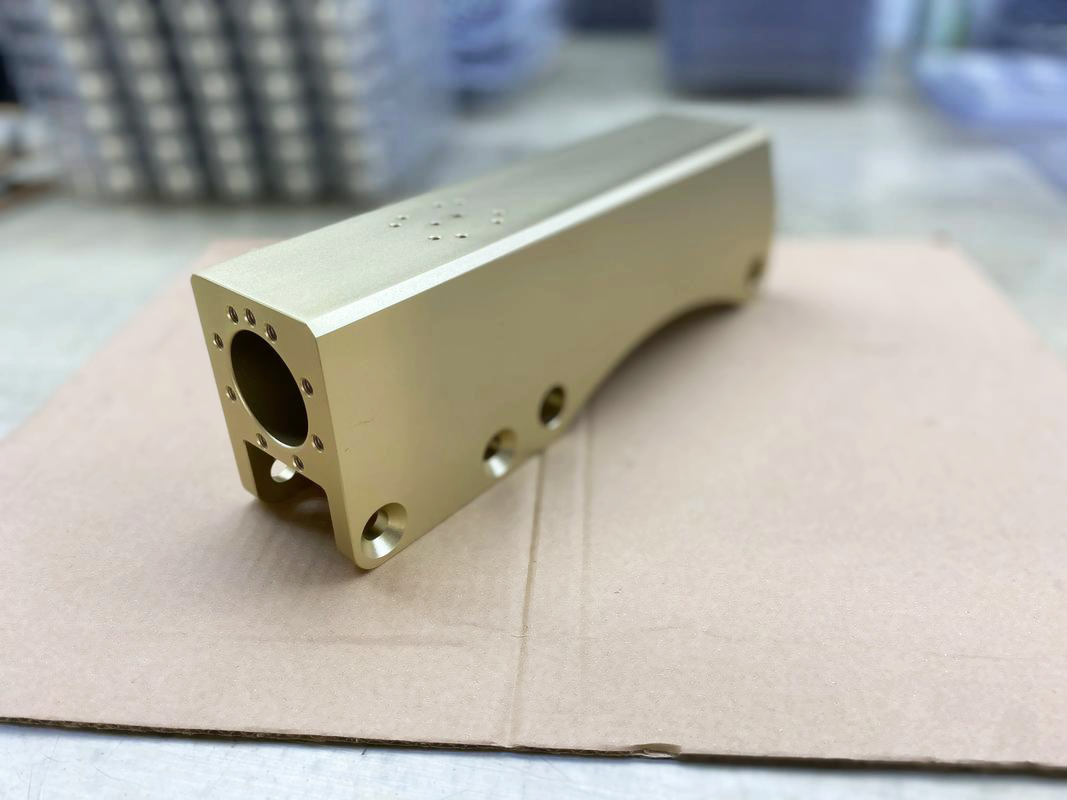
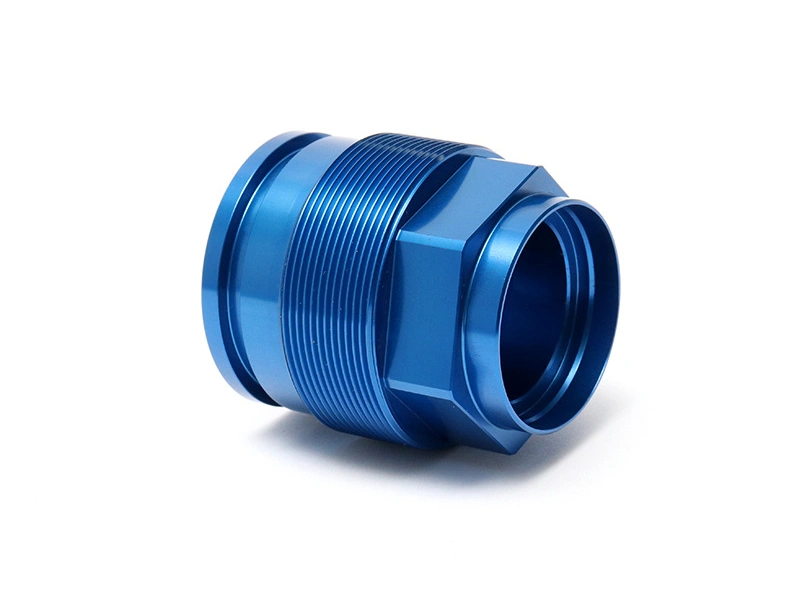
Why do A380 and ADC12 alloys show color variations after anodizing?
A380 and ADC12 can show color variation after anodizing because their silicon-rich casting microstructures, copper- and iron-bearing phases, local solidification history and surface condition do not convert into oxide uniformly. Pretreatment and translucent anodic film reveal those differences as gray or brown tone, mottling, speckling or flow-shaped bands. Variation is common, but it should not automatically be accepted as "just the alloy." Casting defects, contamination and unstable finishing must still be investigated.
A380 and ADC12 are casting designations, not color standards
Both alloys are widely used where fluidity, die filling and production behavior matter. Their exact chemistry requirements are defined by the applicable material specification; A380 and ADC12 should not be called exact equivalents without checking that specification and the ordered limits. Within an allowed chemistry range, changes in constituent phases and impurity levels can affect anodized tone. A generic material certificate therefore helps establish identity but does not predict a cosmetic result by itself.
ADC12 or A383-family casting guidance and A380 guidance are useful starting points for DFM. The production team still needs the controlled drawing specification, melt certificate or analysis plan, casting process and finishing route. If appearance is a release characteristic, approve a defined chemistry and process window through samples rather than accepting any material sold under a broad commercial name.
Why the anodized surface appears mottled
Anodizing converts the exposed aluminum matrix. Silicon particles and intermetallic constituents react, dissolve or remain differently during cleaning, etching, desmutting and oxide growth. The resulting surface is not optically uniform. Light passes through or reflects from the oxide, residual phases and substrate topography. Small differences become visible as tone and gloss variation, especially under directional light or on broad flat areas.
Solidification adds a spatial pattern. Metal near a cold die surface cools differently from metal at a flow junction, thick boss or late-filled region. Gate flow, die temperature, venting and local pressure can change skin integrity and phase distribution. A flow-shaped stain after anodizing may therefore originate in the casting, but a similar shape can also result from residual release agent or uneven pretreatment. Appearance alone does not identify the cause.
Machining and blasting change what the bath sees
A machined surface cuts beneath the as-cast skin and may expose pores or a different microstructure. If one decorative face includes both as-cast and machined areas, a distinct shade boundary is plausible. Bead blasting can make gloss more diffuse and visually soften some patterns, yet it also changes roughness and can embed contamination if media and cleaning are not controlled. Aggressive chemical etching may expose still more silicon-rich regions or open porosity.
The pretreatment recipe must match the production surface. A trial on polished laboratory coupons will not represent blasted A380 housings. Conversely, rejecting the alloy based on a poorly cleaned sample may hide a correctable process issue. Include as-cast, machined and transition zones in a finishing trial, and record each operation before anodizing.
Match the symptom to evidence
| Observed symptom | Plausible source | Useful check | Possible response |
|---|---|---|---|
| Flow-shaped light/dark bands | Solidification pattern, skin condition or surface residue | Compare raw surface, cleaned sample and parts from different cavities | Review gating/thermal condition, cleaning and cosmetic-zone placement |
| Isolated dark pits | Opened porosity, inclusion or local pretreatment attack | Cross-section or controlled microscopy at representative defects | Address casting integrity, machining depth or pretreatment severity |
| Machined area differs from as-cast face | Different microstructure and roughness | Run both areas through one documented finish batch | Finish the whole cosmetic field consistently or accept deliberate contrast |
| Lot-to-lot hue shift | Chemistry, casting, pretreatment, dye, seal or bath change | Review traceability and retained standards by lot | Identify the changed input before adjusting color |
| Random wipe or fingerprint pattern | Handling, oil, release agent or cleaning failure | Residue review and controlled cleaning comparison | Improve contamination control; do not classify it as normal alloy mottling |
Dark dye is a mitigation, not a cure
A dark finish can reduce the visibility of some base-tone differences, but dye cannot fill pits, remove flow marks or equalize roughness. It may also expose seal, rinse or handling variation of its own. "Black anodize" needs a physical standard and allowable boundaries just as a light color does. A buyer should never approve black solely because a supplier says it hides high-silicon alloy variation.
When a bright, clean metallic color is mandatory, changing the entire manufacturing route may be more sensible than forcing the finish. An opaque paint or powder coating can cover substrate tone, though it introduces different thickness, edge, adhesion and appearance controls. A lower-risk anodizing alloy may affect die filling, mechanical performance or supply. Compare those consequences before revising the drawing.
Set an approval route for production
Make samples from the specified alloy, production-intent die and real prefinish operations. Include representative cavities, visually demanding regions and any machining transitions. Evaluate under agreed lighting and orientation. Keep approved master and boundary samples, but also retain the recorded process route and lot identity. The visual standard without its manufacturing context is incomplete.
During production, connect color inspection to alloy and casting traceability. A chemistry or process change should trigger review when it can alter appearance. If a lot shifts, separate material/casting evidence from anodizing-batch evidence before deciding on rework. That protects both buyer and supplier from calling every mismatch a finishing defect or every finishing defect an unavoidable alloy feature.