Can aluminum die castings replace steel in load-bearing structures?
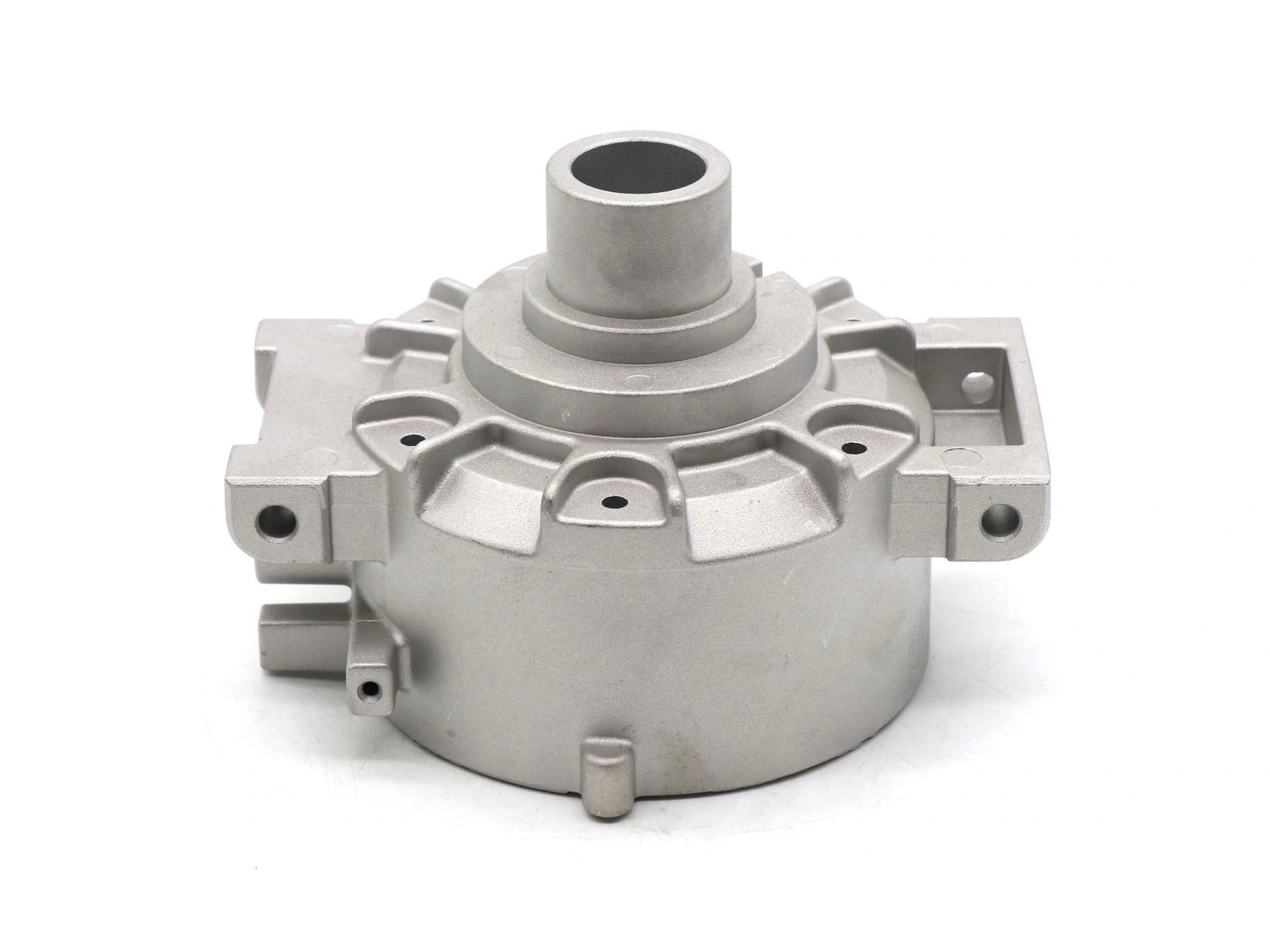
Aluminum die castings can replace some steel load-bearing structures, but only through a redesigned and validated load path. They are not drop-in equivalents. The decision depends on stiffness, yield and ultimate loads, fatigue, impact, temperature, joints, corrosion, allowable deflection, package space and manufacturing discontinuities. Keep steel when the aluminum concept cannot meet those requirements within the available geometry, process and inspection plan.
Define the structural duty before comparing materials
List every normal, peak, misuse and transport load, including direction, frequency and duration. Add fastener preload, vibration, shock, thermal expansion and any pressure or sealing force. Define the consequence of failure and the required life endpoint. A support that only locates a cover is a different structural problem from a suspension, lifting or occupant-protection component.
Deflection often governs before static strength. Aluminum has lower elastic stiffness than steel, so a same-shape aluminum copy generally deflects more under the same load. The redesign may need deeper sections, closed profiles, ribs or a different span. If package space fixes the original thin steel envelope, the substitution may stop at this stage.
Steel replacement decision table
Decision area | Question for the aluminum concept | Evidence |
|---|---|---|
Stiffness | Can geometry limit displacement and joint rotation? | Analysis correlated with component load test |
Static strength | Do local sections and joints carry all factored loads? | Material basis, production parts and proof or destructive test |
Fatigue | Are stress ranges, surfaces and discontinuities represented? | Duty cycle and representative component testing |
Impact and damage | Is deformation or fracture behavior acceptable? | Product-specific impact test and failure criteria |
Temperature | Do properties and clamp loads remain adequate in service? | Temperature-conditioned analysis and test |
Manufacturing | Can the loaded zones be cast, ejected and inspected reliably? | DFM, tool trial, process window and defect map |
Lifecycle value | Do mass and consolidation benefits exceed tooling and validation risk? | Equivalent delivered-assembly comparison |
Redesign the load path for casting
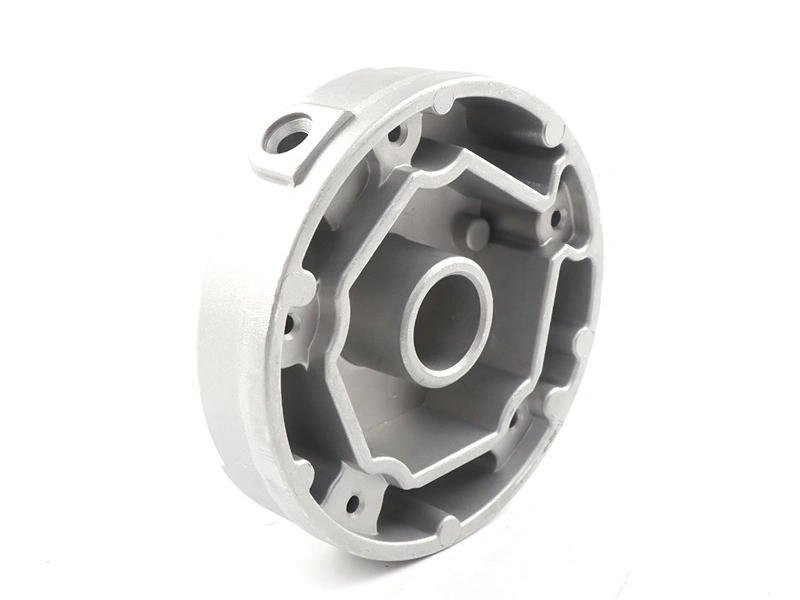
Trace load from each interface through the body to its reaction point. Place ribs in that path and support bosses against pull-through, bending and rotation. Use gradual transitions between walls, ribs and pads. A thick isolated junction may appear strong in CAD while creating a hot spot, shrinkage risk or local property variation in production.
Part consolidation can remove welded seams and tolerance stacks, yet it also changes redundancy. Failure of one integrated casting may disable the complete assembly. Consider replaceability, crash repair, service access and the cost of a late product revision. The design review should compare the steel and aluminum architectures at product level.
Choose material and process together
Do not approve a casting from a handbook alloy name alone. Alloy, melt control, high-pressure filling, vacuum assistance if used, heat treatment, section thickness and local discontinuities affect available properties. A grade commonly used in another casting process does not automatically have the same production route or property basis in high-pressure die casting.
Ask for the exact alloy and condition, governing specification, process route, property source and permitted repairs. Match test specimens to the actual tool and critical region where practical. The proposed aluminum die-casting route must be qualified as a system rather than inferred from a material page.
Joints can control the design
Fastener holes, threads, inserts, bearing seats and bonded interfaces concentrate load. Check bearing stress, edge distance, pull-out, preload retention, relaxation and repeated service. A stronger bolt does not fix a weak boss. Machined threads may cut into variable subsurface material; cast threads or inserts introduce different tooling and assembly risks.
When aluminum meets steel fasteners or a steel frame, review galvanic exposure and drainage. Coatings can protect surfaces but may alter grounding, fit or clamp behavior. Validate the complete joint after the intended finish and environmental conditioning, not only the bare casting.
Address casting-specific failure modes
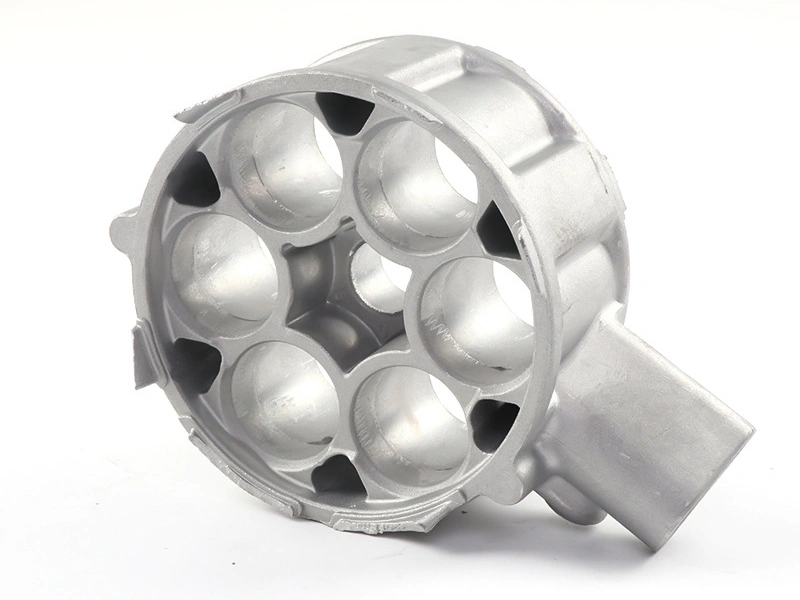
Gas porosity, shrinkage, oxide films, cold shuts, flow-related surface laps, trimming damage and distortion do not have equal structural significance. Their effect depends on size, orientation and position relative to stress. A generic porosity percentage is not an acceptance plan. Define critical zones, likely mechanisms and the inspection or proof method for each.
Radiography can identify selected internal indications, dimensional inspection controls geometry, and mechanical tests establish behavior under stated conditions. None alone proves structural life. Use representative mechanical testing and component loading to close the relevant failure modes.
Validate the substitution in gates
First, compare concepts using controlled loads and boundary conditions. Second, review casting flow, thermal balance, die release, machine basis and machining stock. Third, test production-intent samples by cavity after the process window is stable. Finally, test finished assemblies under static, fatigue, impact, temperature, corrosion and joint conditions required by the product.
Record what each test proves and its acceptance threshold. Machined-from-wrought prototypes can validate geometry and some load paths but do not reproduce die-cast skin, local solidification or process discontinuities. Do not use their result as final casting qualification.
Make the commercial decision on equivalent assemblies
Compare die, trim tool, machining fixtures, gauges, sample qualification, casting, machining, finish, assembly, inspection, maintenance and expected stage yield. Include mass reduction and removed components, but also product-change exposure, inventory, repair and replacement. An aluminum part can cost more individually while reducing assembled cost, or appear cheaper while shifting validation and rejection risk downstream.
RFQ inputs and final answer
Provide CAD and drawing, steel baseline, all load cases, allowable deflection, life and failure criteria, temperature, environment, joining, finish, critical zones, demand, release size, inspection, reports and regulatory or customer requirements. Ask for a marked load-path DFM, alloy-process basis, tool concept, risk map and validation proposal.
The answer is yes only when a cast-specific aluminum design meets the same defined structural and service requirements with production-representative evidence. If stiffness, fatigue, temperature, impact, joining, inspectability or package constraints remain unresolved, steel should not be replaced merely to claim lower mass.