How Can Buyers Reduce Cost in Aluminium Die Casting Projects?
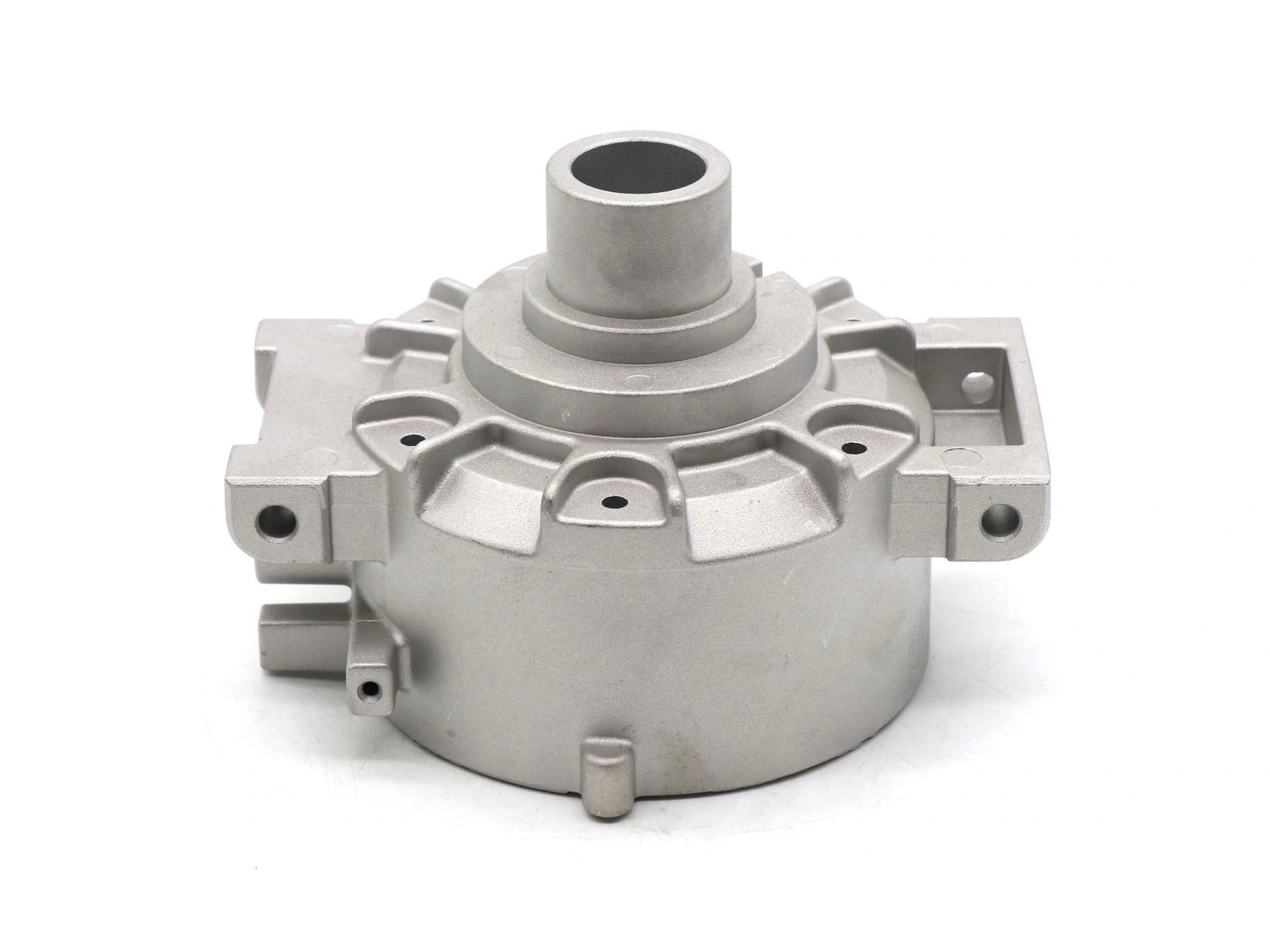
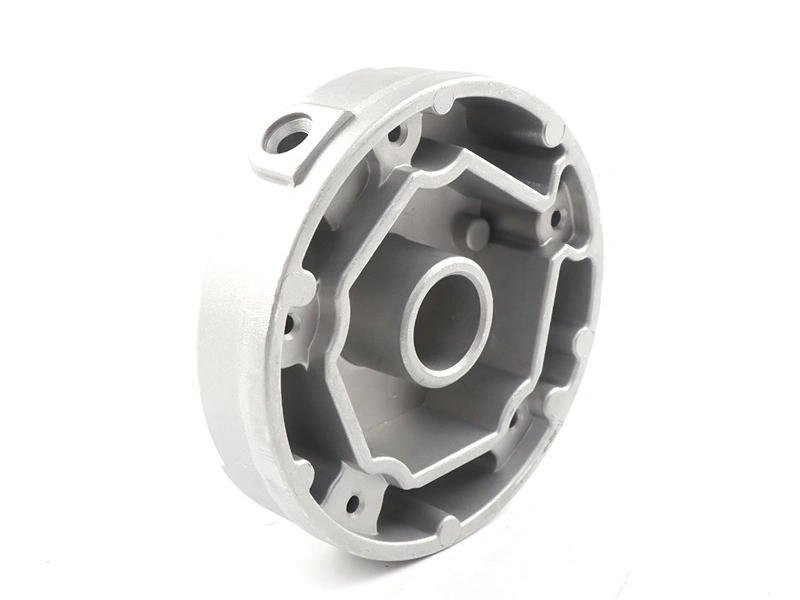
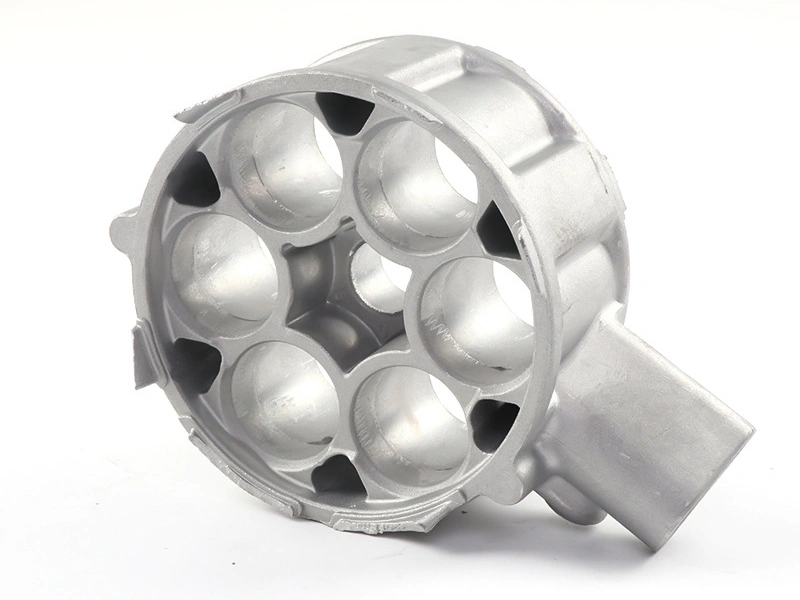
Buyers reduce aluminium die-casting cost by removing requirements and operations that do not create product value, while protecting function and process stability. The largest levers usually sit in design maturity, tool architecture, casting yield, alloy specification, machining coverage, finish scope, inspection and change control. Compare total program cost under realistic demand scenarios; a lower piece price can be outweighed by tool changes, scrap, rework or duplicated secondary operations.
Build a cost tree before cutting the die
Separate one-time costs from recurring costs. One-time items can include DFM, simulation where justified, casting and trim tooling, fixtures, sample processing and validation. Recurring items include alloy, melting and casting time, trim, machining, finish, inspection, packaging, yield loss and maintenance. Design changes can create both categories again.
Model forecast ranges, not one optimistic volume. Cavity count and automation should follow demand and cycle constraints rather than an assumed need for the lowest theoretical unit cost. A more complex multi-cavity tool can increase balance, maintenance and validation work. A single-cavity route may cost less initially but fail capacity needs. Ask the supplier to state assumptions behind each option.
Cost lever | Useful action | Guardrail and evidence |
|---|---|---|
Design maturity | Close assembly, load, machining and finish decisions before hard-tool release | Controlled drawing, unresolved-question list and prototype evidence |
Part geometry | Remove nonfunctional undercuts; use balanced walls, ribs and supported bosses | DFM, fill/ejection review and structural validation |
Tool architecture | Match cavities, slides, inserts and spares to demand and wear risks | Capacity model, tool concept and maintenance plan |
Machining | Generate precision only on functional features | Datum, stock, fixture and final inspection plan |
Finish | Limit coatings and cosmetic control to defined surfaces and exposure | Alloy-specific trials, masking map and appearance standard |
Yield and quality | Target the causal defect by cavity and process condition | Defect map, process data, tests and correction revalidation |
Simplify geometry without moving cost downstream
Removing an unnecessary side undercut can eliminate a slide, but changing it to a drilled feature adds recurring machining. Reducing a heavy boss can lower metal and cooling demand, but inadequate support may fail load or thread engagement. Part consolidation can remove fasteners and tolerance stack-up, yet make the die larger or turn a local defect into rejection of a more valuable component.
Evaluate each redesign across tooling, casting, machining, assembly, service and quality. Use conclusion, condition and verification: for example, remove a side core if the feature can be generated from the main draw or machined at lower total cost, then validate assembly and recurring cycle. Avoid generic "make walls thinner" instructions; feasible section depends on alloy, flow length, tool and product loads.
Control tolerances and inspection by function
A blanket tight tolerance can force conservative tooling, extra machining, fixtures and inspection. Identify critical characteristics and their functional relationships. Let noncritical as-cast surfaces use an appropriate casting tolerance, and machine only the features requiring generated precision. Define datum, measurement stage and reaction plan so suppliers do not price ambiguity.
Inspection should follow risk. CMM time on every nonfunctional surface does not improve a sealing face, while an omitted leak test may leave the real requirement unchecked. Choose dimensional, visual, radiographic, sectioning, leak or material tests according to the failure mode and acceptance standard. Sampling and frequency must be agreed from consequence and process evidence, not invented as universal practice.
Improve yield through causal correction
Scrap reduction can outweigh small purchase-price differences, but only when defect data are separated by tool revision, cavity and operation. Gas porosity, shrinkage, cold fill, flash, distortion and coating rejection have different causes. Link defects to gate/vent condition, die temperature, process data, machining location or pretreatment before changing the process.
Track first-pass acceptance through casting, machining and finish rather than hiding rework in separate departments. A casting that requires hand selection before machining is not demonstrating the same route as unsorted production. Tool corrections and process changes should repeat the affected validation, then update the approved baseline.
Prevent costly scope change
Late alloy, tolerance, machining, finish or appearance changes can modify the die, fixtures, tests and approved samples. Establish drawing revision, change authority and commercial treatment before build. When a change is necessary, document which tool components, process steps, stock, masking and inspection are affected.
Supplier integration can reduce handoff risk, but a "one-stop" label does not automatically reduce cost. Verify who owns the datum scheme, machining allowance, finish masking, nonconformance decision and delivery schedule, including subcontracted operations. Clear responsibility is the benefit; consolidating purchase orders without technical control is not.
Use a complete RFQ for comparable quotes
Provide controlled CAD/drawing, alloy or performance specification, demand scenarios, batch pattern, critical characteristics, machining, finish, tests, packaging and launch status. Ask for separate tooling, part and secondary-operation scope plus assumptions for cavities, machine, yield, validation, maintenance and included corrections.
Compare this model with the broader aluminium die-casting cost reduction framework and the project's tooling-cost scope. Do not request or accept an unsupported savings percentage. Verify savings against the same requirements, forecast and acceptance route.
Buyer decision
Reduce cost by freezing the right requirements early, designing castable geometry, matching the die to demand, controlling defects by evidence and limiting machining, finishing and inspection to functions that need them. Track total accepted finished-part cost and change exposure. A cheaper quote is a saving only when it delivers the same approved part and production risk boundary.