How Do Aluminum Die Cast Prototypes Reduce Mass Production Risk?
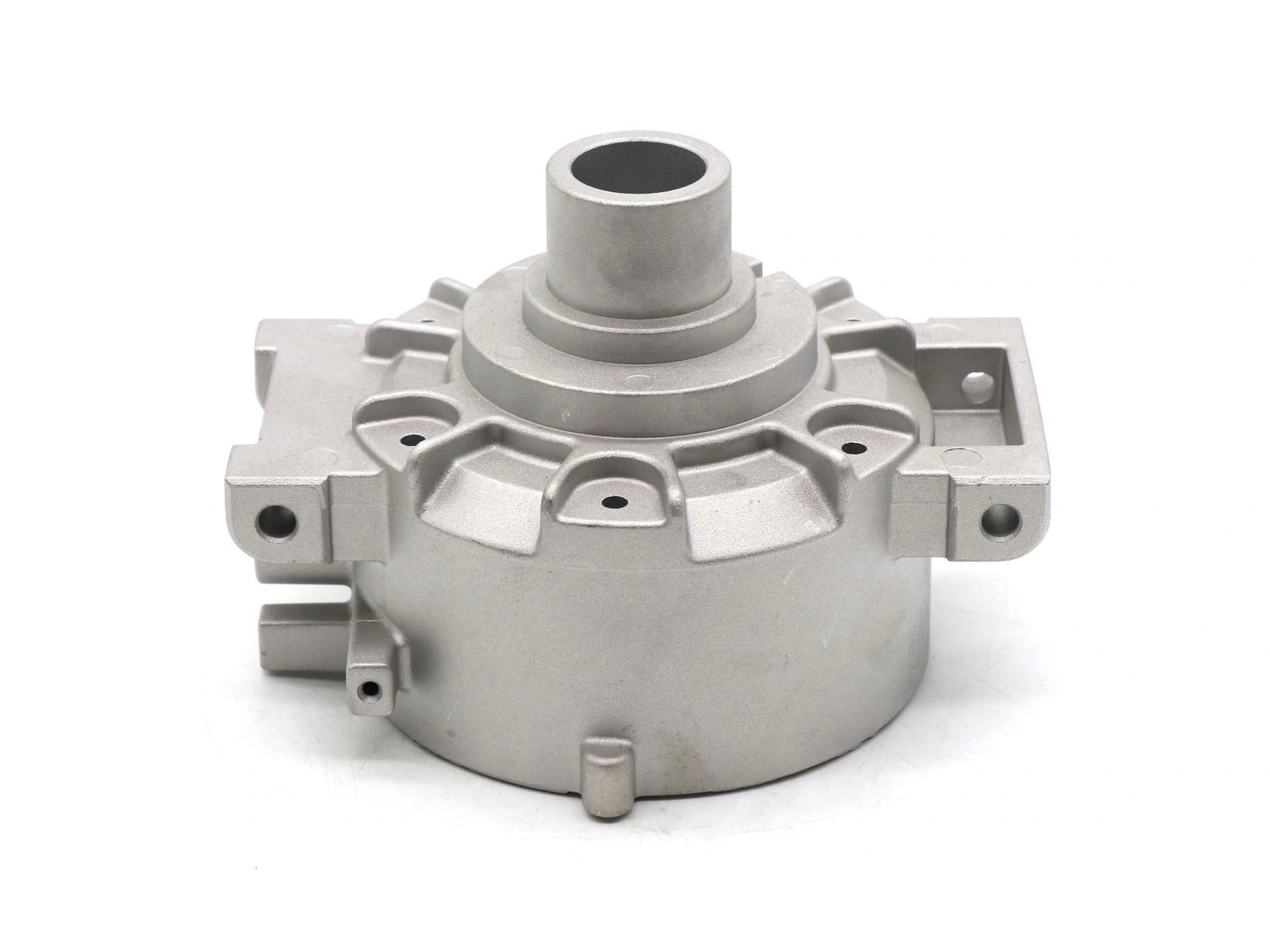
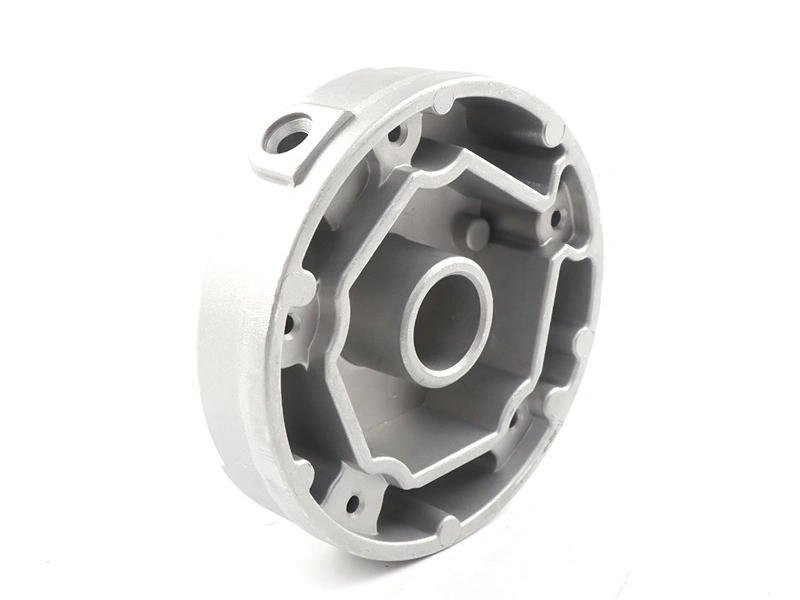
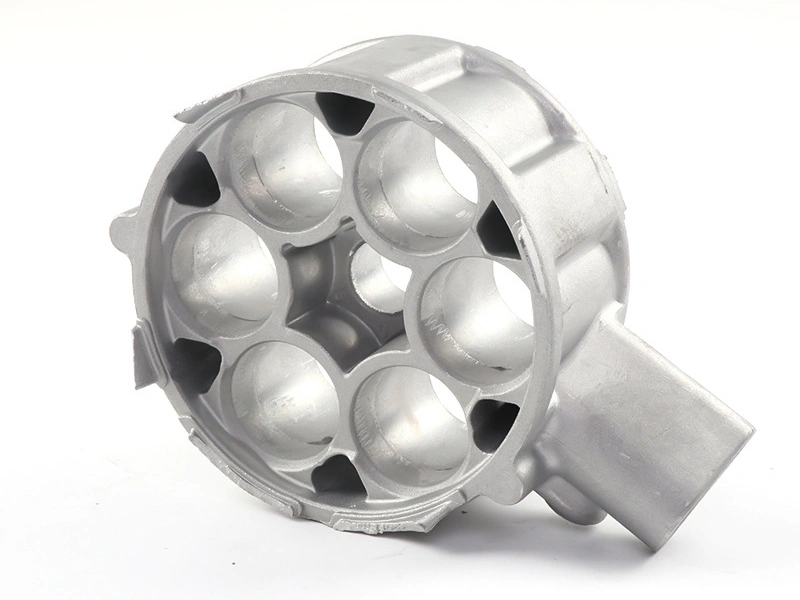
Aluminum die cast prototypes reduce mass-production risk by exposing design and process problems while the affected quantity and cost are still limited. They work only when each risk is matched to representative evidence, failed results create controlled actions, and production changes are revalidated. A successful CNC surrogate or selected cast sample does not eliminate risks from tooling, cavity balance, porosity, machining, finish or repeated lots that it did not reproduce.
Convert unknowns into a risk register
Before making samples, list likely failure modes and their consequence. Examples include incomplete fill at a thin rib, distortion after ejection, a bore shifting within the cast wall, exposed porosity at a sealing land, coating in a thread, and assembly interference. Assign an owner, sample route, method and acceptance criterion to each item.
This prevents a common failure of prototype programs: making a visually good part, approving it broadly, and discovering later that no one tested the pressure boundary or production locator. The prototype is a vehicle for evidence, not the evidence by itself.
Risk | Representative check | Production action |
|---|---|---|
Thin feature does not fill | Relevant alloy and pressure-die trial across the intended process window | Revise local geometry, gate/vent plan or process limits and retest |
Machined feature misses cast wall | Representative blanks located in intended fixture and fully machined | Adjust stock, locator, datum or casting control |
Machining opens pores at seal | Finished cast parts tested by the specified leak or pressure method | Change internal-quality controls, feature location or acceptance plan |
Finish causes fit or appearance failure | Actual cast substrate, production preparation, masking and finish | Release finish standard and post-finish inspection |
One sample passes but route is unstable | Repeated parts across relevant cavities or lots | Define monitoring and containment before scale |
Find design problems before tooling freezes them
Physical assembly can reveal access, interference and stack-up problems before hard tooling fixes the geometry. Die-casting DFM can identify draft, parting, undercut, rib, boss and wall-transition issues. The two reviews are complementary: an assembly-perfect shape may still be difficult to cast, and an easily filled casting may still fail its product interface.
Close findings through the controlled drawing and model. A note in a meeting or a hand modification to one sample is not a production correction. Link the revised requirement to the retest and approver.
Test the cast-to-machined chain
Cast prototypes are particularly valuable where final function depends on CNC work. They show whether normal blank variation can locate in the fixture, whether every surface cleans up, and whether material removal changes shape or reveals internal discontinuities. Measure final features from the intended datum reference frame.
Run threads, sealing faces, inserts and downstream tests in the correct sequence. Where leakage matters, test the completed pressure boundary under agreed conditions. The machining-risk guidance for HPDC parts provides related planning questions.
Use failures to build production controls
A prototype defect should lead to prevention or detection at the earliest practical stage. Incomplete machining cleanup may justify a cast-stock gauge. Finish damage may require a handling fixture and visual standard. Hole drift may require a different locator plus an in-process check. The resulting control belongs in the route, not only in a prototype report.
Retain failed and passing data. Track material, tool, cavity, casting lot, machining program and finish batch as relevant. This lets engineers separate random handwork from a repeatable correction and gives purchasing a clear view of open risk.
Reopen risk after relevant changes
A closed prototype risk can become open again when its controlling condition changes. Moving a gate, thickening a wall, changing alloy, relocating an ejector, removing more machining stock or changing coating cure can invalidate earlier evidence. Change review should identify affected tests and repeat only what the new condition can alter.
This targeted revalidation avoids two extremes: repeating every prototype test after a minor note change, or carrying an old approval into a materially different production route. Keep a simple link between requirement, risk, evidence and current revision.
Include logistics and assembly learning
Mass-production risk is not confined to the casting cell. A finished prototype can reveal whether machined faces are damaged in trays, whether residual media or chips reach an assembly, and whether labels preserve lot identity. Use limited builds to test packaging orientation, cleanliness and the actual receiving inspection where these affect the product.
Assembly feedback should distinguish part defects from mating-part and fixture variation. Record the identities and revisions used in the trial. Otherwise, a casting may be modified to compensate for an unrelated assembly condition and create a new problem when production mating parts arrive.
Revalidate what changes at scale
Production may use a different cavity count, die steel, cooling layout, cycle, automation, fixture, machine or finisher. Any difference that can affect an accepted requirement needs review and, where appropriate, repeated evidence. Prototype tooling cannot qualify a production condition that does not yet exist.
Use a controlled low-volume stage to observe repeatability across normal lots and handoffs before increasing output. The small-batch validation guide explains how to preserve this learning. Mass-production risk is reduced, not erased, when evidence follows the real route and remaining unknowns stay visible.
Buyer decision
Approve scale-up only when named high-consequence risks have representative evidence, failed items are closed by controlled changes, and the production control plan contains what the prototype taught. Keep any unrepresented risk open. That discipline turns a few samples into useful prevention rather than false confidence.