How Do Machining and Surface Finish Affect Die Cast Aluminum Material Choice?
How Do Machining and Surface Finish Affect Die Cast Aluminum Material Choice?
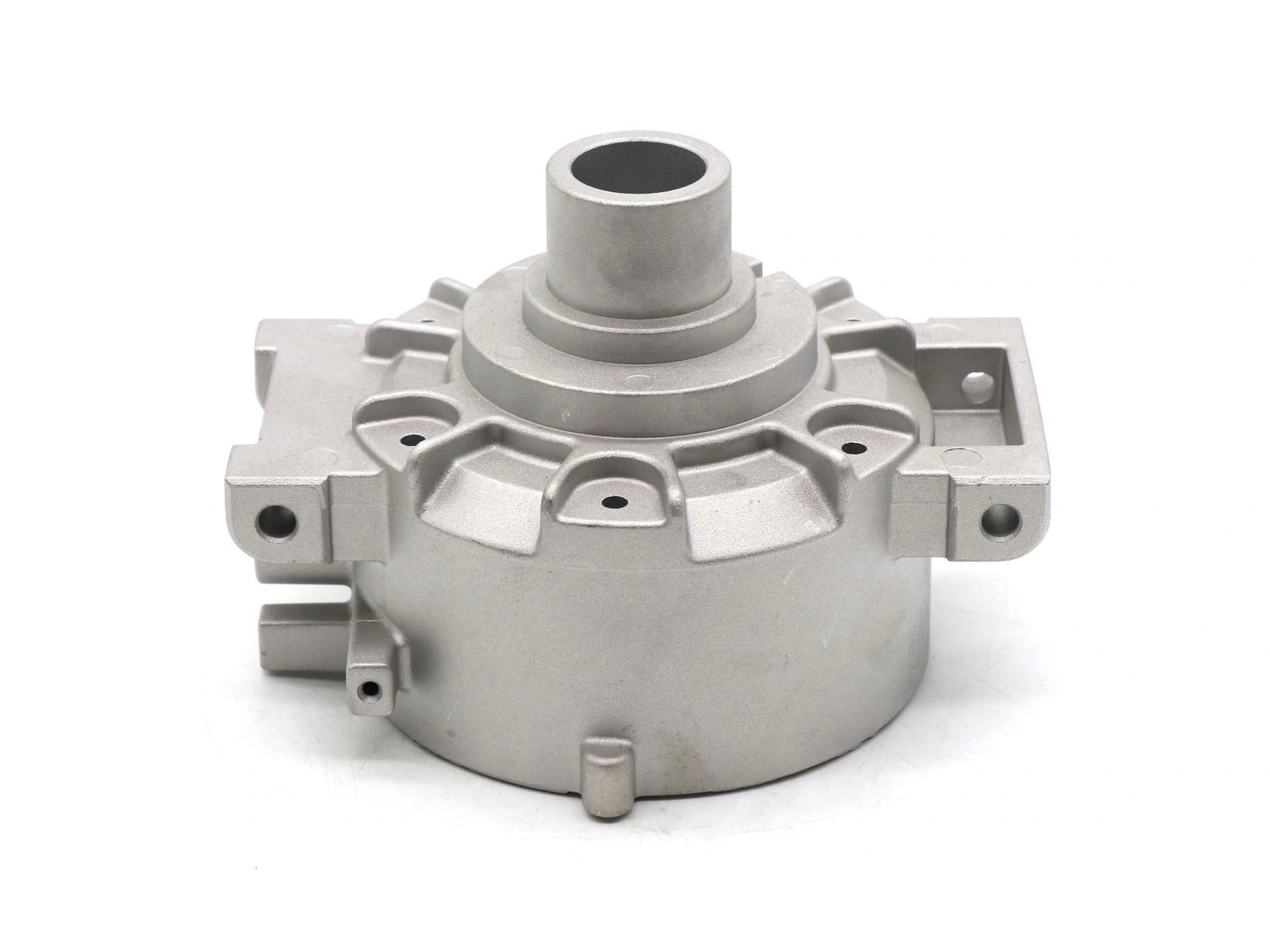
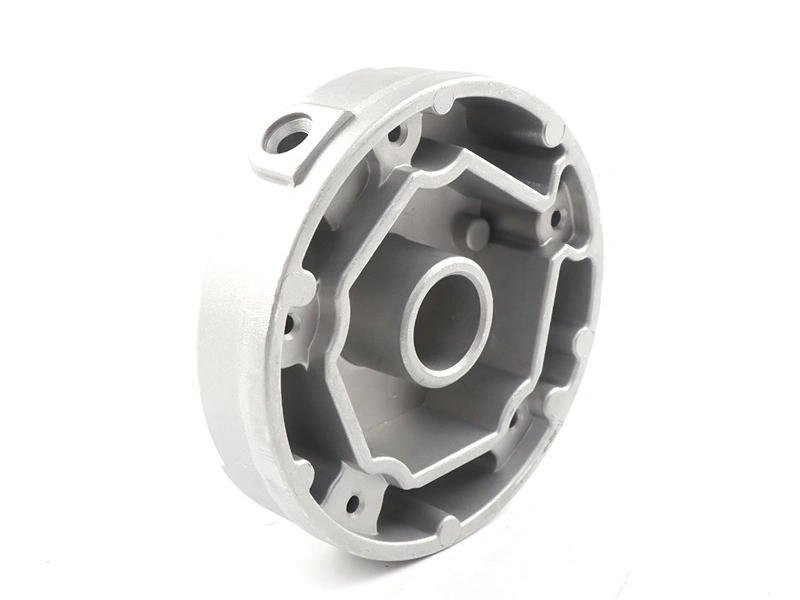
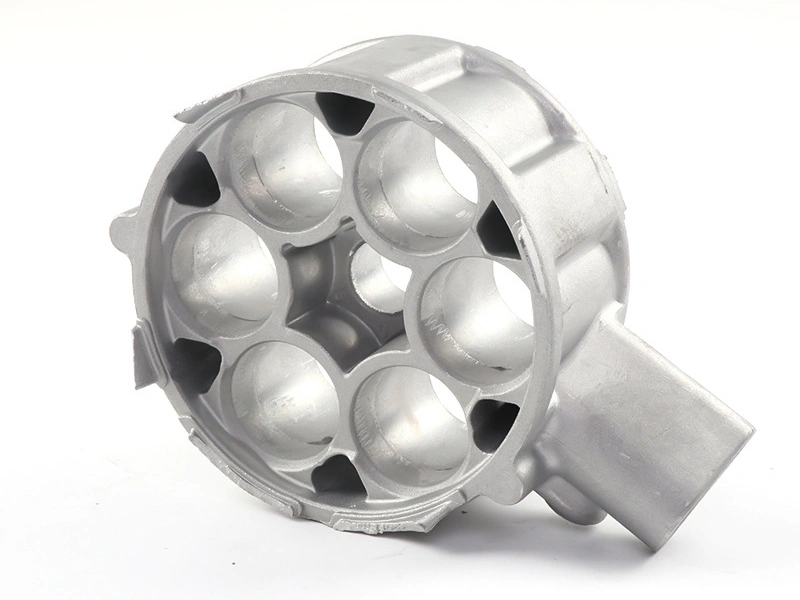
Machining and surface finish affect die cast aluminum material choice because the final part is rarely accepted as a raw casting only. Threaded holes, sealing faces, bearing bores, datum pads and mounting surfaces may require CNC machining. Exterior faces may need deburring, blasting, painting, powder coating or selected anodizing review. The chosen material must support these operations with acceptable risk.
A material that fills the die well can still create problems if machining exposes porosity on a sealing face. A material that is acceptable for a hidden bracket may not satisfy a premium cosmetic finish. A coating process can affect threads, bores and grounding points. Buyers should choose die cast aluminum material with the finished part in mind.
The drawing should separate as-cast surfaces, machined surfaces, cosmetic surfaces and masked areas. This helps the supplier decide whether A380, ADC12, A360, A413 or another direction is practical.
For machining and finish risk, buyers can review how alloy selection affects machined features and assembly fit and surface finish compatibility for aluminum alloy die cast parts.
Machining and Finish Risk Table
Finished-Part Need | Material/Process Risk | Buyer Action |
|---|---|---|
Machined gasket face | Porosity may be exposed after cutting | Mark sealing zone and request sample inspection |
Threaded holes | Boss porosity or coating buildup can affect fastening | Define thread depth, gauge check and masking |
Bearing bore | Roundness and position require CNC control | Define bore tolerance and inspection method |
Powder coating | Pinholes, bubbles or thickness on fit areas | Approve finish sample and masked zones |
Anodizing review | Die cast alloy appearance may be uneven | Test sample and consider alternate finish if needed |
Why Machined Surfaces Drive Material Review
Machined surfaces often reveal the true quality of a die cast aluminum part. A raw casting may look acceptable, but a cut gasket face can expose gas pores. A threaded boss can show weak material if the boss is too thick or poorly fed. A bearing bore may fail if the casting moves or if the machining datum is unstable.
Buyers should mark critical machined features before tooling. The supplier can then review local wall thickness, gate flow, venting and material direction. This reduces the chance of discovering the problem only after the tool is built and samples are late.
Machining also affects inspection. Threads may need gauges, bores may need plug gauges or bore gauges, and datum relationships may need CMM. If the material produces exposed pores on a critical face, the supplier and buyer should decide whether the acceptance standard is functional, cosmetic or both.
Machining also affects inspection. Threads may need gauges, bores may need plug gauges or bore gauges, and datum relationships may need CMM. If the material produces exposed pores on a critical face, the supplier and buyer should decide whether the acceptance standard is functional, cosmetic or both.
Why Finish Drives Material Review
Finish drives material review because surface appearance and coating performance depend on both alloy and casting quality. Powder coating and painting can cover some texture variation, but they may also reveal pinholes, scratches or poor preparation. Anodizing on die cast aluminum requires caution because color and appearance may differ from wrought aluminum.
Buyers should define visible surfaces, hidden surfaces, color, gloss, coating thickness, masking and packaging. A finished sample should be approved before production. Material approval without finish approval can leave the buyer with a technically correct casting that fails appearance.
Packaging belongs in the finish plan. Powder coated die cast aluminum parts can be scratched after inspection if faces touch during shipment. If the buyer needs finished cosmetic parts, separators, caps or protective wrapping should be defined.
Material Choice for Pressure or Sealing Features
Pressure or sealing features require more careful material and process review. The alloy may influence the direction, but gate design, venting, local wall thickness, machining and leak testing determine whether the finished part passes. Buyers should mark these zones clearly.
For cosmetic parts, the buyer should define the acceptable surface before choosing material. A-side faces, hidden faces, coating thickness, gloss, color and acceptable pores should be known. Otherwise a supplier may quote a material that casts acceptably but cannot meet the buyer's appearance standard after finishing.
For functional machined parts, the buyer should request inspection after machining. A material decision based on raw casting appearance can miss exposed pores, thread issues or datum problems that only appear after CNC work.
Material approval should therefore include finished-part tests when sealing or assembly fit matters. A raw casting sample cannot prove coated threads, machined bores or gasket faces in final condition.
Neway Finished-Part Material Review
Neway can review die cast aluminum material together with CNC machining, powder coating, painting and post-process inspection. This helps buyers choose material based on the finished component.
The review should identify machined areas, masked features, visible surfaces, coating requirements and inspection methods. When these items are clear, material selection becomes a practical manufacturing decision instead of a catalog choice.