How Does A360 Affect Machining and Surface Finishing?
How Does A360 Affect Machining and Surface Finishing?
A360 affects machining and surface finishing by changing the buyer's expectations for threads, sealing faces, bores, corrosion protection, coating and inspection. A360 can be a useful material direction for aluminum die cast parts that need corrosion or pressure-related confidence, but the final part still depends on machining allowance, porosity control, coating preparation and finished sample approval.
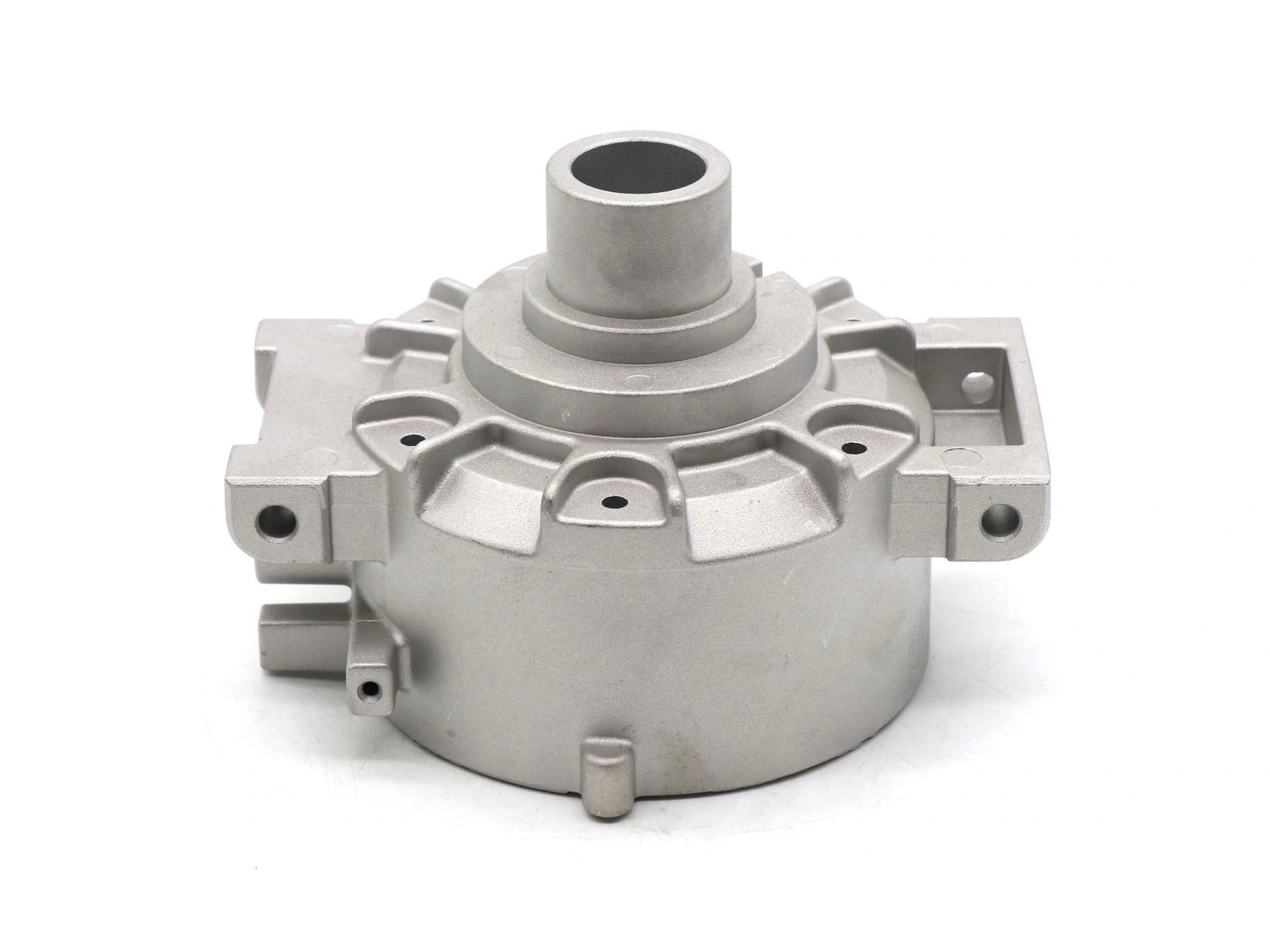
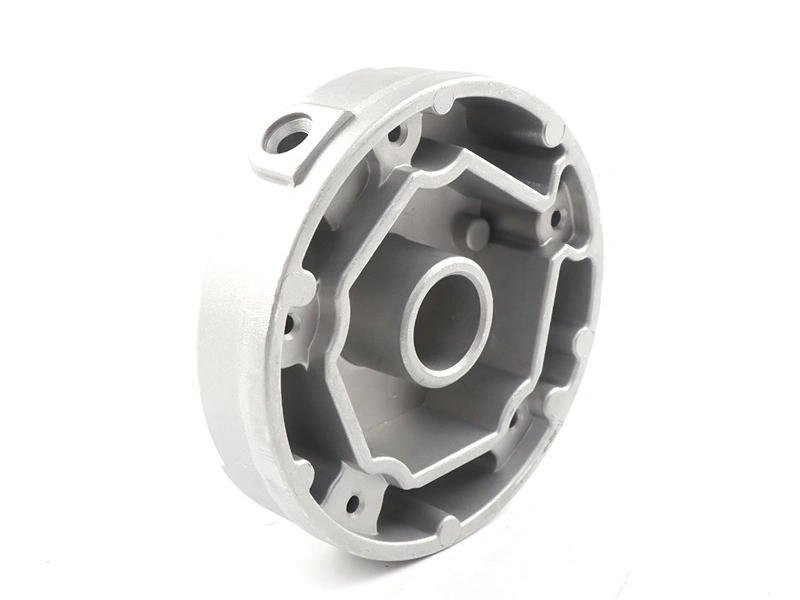
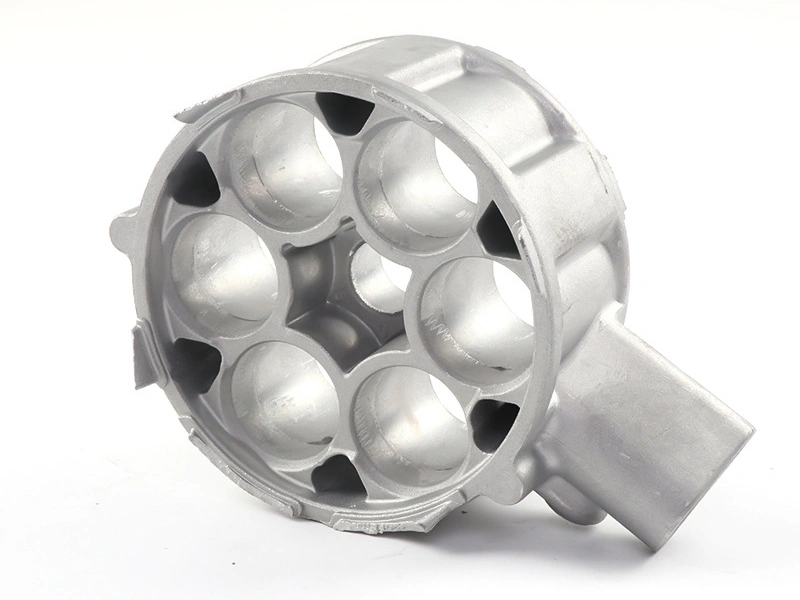
Buyers should define which features are as-cast and which features are machined. Threaded holes, flat gasket faces, mounting pads and bores often need CNC machining. Surface finishing may include painting, powder coating, polishing or other protective treatments. The A360 choice should be reviewed together with these operations.
If the part is evaluated only as a raw casting, machining and finish risks remain open. A finished sample is usually needed for real approval.
For machining and finish review, buyers can compare A360 die casting material and surface finish compatibility for aluminum alloy die cast parts.
Machining and Finishing Table
Feature or Finish | A360 Planning Point | Buyer Evidence |
|---|---|---|
Threaded holes | Tap quality, depth and coating effect | Thread gauge after final process |
Sealing face | Flatness, pore exposure and machining stock | Surface inspection and leak review |
Bores and datums | Fixture location and dimensional stability | CMM or gauge report |
Powder coating | Pretreatment, masking and coating thickness | Finished sample and thickness check |
Anodizing review | Die cast appearance may vary | Appearance sample before production |
Machining Risk
Machining can expose pores or reveal insufficient stock. For A360 parts with sealing faces or threaded ports, the supplier should plan gate, venting and machining allowance around those critical zones. Buyers should ask whether inspection happens after machining, because raw casting checks do not prove final surfaces.
If a feature is critical, it should be marked on the drawing. This allows the supplier to plan tooling and machining around functional needs.
Surface Finish Risk
A360 parts can be painted or powder coated with proper pretreatment and masking. The buyer should define visible surfaces, color, gloss, coating thickness and acceptable defects. If threads, bores or gasket faces must remain free of coating, masking should be shown before samples are made.
Decorative anodizing on die cast aluminum should be tested before production. The buyer should not assume the appearance will match machined 6061 or 6063.
Neway Secondary Process Support
Neway can connect A360 die casting with CNC machining, powder coating, anodizing review and inspection. Buyers should approve the finished part condition before production release.
Machining Sequence and Inspection
The machining sequence should be planned around functional areas. A gasket face may need machining before coating, while threads may need protection during coating or gauge inspection after finishing. Bores may need a stable datum, and mounting pads may need flatness control. The supplier should describe this sequence before production.
Inspection should follow the final condition. If coating affects holes or threads, inspect after coating. If machining exposes a sealing surface, inspect after machining. If a finish sample defines cosmetic acceptance, retain the sample for future batches. These steps make A360 secondary operations repeatable.
Finish Sample Risks
Finish samples should be produced from actual A360 castings. A flat coupon does not show gate cleanup, parting line, casting skin or local pores. Buyers should approve visible and hidden zones separately. For customer-facing parts, packaging should also be reviewed so the finish is protected during shipment.
If anodizing is requested, the buyer should review sample appearance before approving production. The expectation should be written clearly because die cast aluminum may not match wrought aluminum appearance.
Quote Scope
The A360 quote should state whether machining, coating, masking, inspection and packaging are included. A raw casting quote cannot be compared directly with a finished part quote. Buyers should normalize scope before choosing a supplier.
Secondary Operation Failure Modes
Secondary operation failures can hide the value of A360 if they are not controlled. A tapped hole can fail because coating buildup changes fit. A machined sealing face can fail because porosity is exposed. A powder coated surface can fail because pretreatment is weak or handling scratches the finish. The alloy may still be correct, but the finished-part route must be corrected.
Buyers should ask the supplier to separate casting issues from machining and finishing issues during sample review. This prevents unnecessary alloy changes when the real problem is fixture location, coating masking or polishing.
Finished Sample Approval Record
The approval record should list machined features, thread gauges, coating standard, visual zones, masking requirements and inspection reports. For A360 parts selected for outdoor or sealing use, this record protects the material decision during repeat orders. It also helps purchasing compare future quotes fairly.
Neway can keep machining, finishing and inspection connected to the A360 casting route so the approved sample reflects the delivered part.
For repeat orders, buyers should ask whether the same machining fixture, finish sample and inspection gauges will be used. This prevents the approved A360 result from changing after the first order.
Consistency protects performance.
Always.