How Does Alloy Choice Affect Tooling and Filling in Die Casting?
How Does Alloy Choice Affect Tooling and Filling in Die Casting?
Alloy choice affects tooling and filling because each aluminum die casting material has different behavior during high-speed injection, solidification, cooling and ejection. The die must guide molten metal through gates, runners, vents and overflow areas so the selected alloy fills thin walls, ribs, bosses and cosmetic surfaces without unacceptable porosity, cold shuts or flow marks.
A380 may be a practical general choice, but it still needs proper gate and venting design. ADC12 may fit a supply chain standard, but tooling must still protect machined and cosmetic areas. A360 or A413 may be reviewed for specific corrosion, pressure or fluidity needs, but they still require die design that matches the part.
Buyers should review tooling and filling before the die is built. Once the die is cut, changing gates, slides, cooling or parting lines can be expensive. Early DFM is the best time to connect alloy choice with tooling strategy.
For tooling and filling risk, buyers can review how alloy choice reduces failure risk before tooling and how aluminum die casting mold design affects cost and part quality.
Tooling and Filling Control Table
Tooling Item | How Alloy Choice Matters | Buyer Risk if Ignored |
|---|---|---|
Gate position | Controls how the selected alloy enters the cavity | Cold shuts, flow marks or cosmetic defects |
Runner balance | Supports stable filling across complex features | Uneven filling and dimensional variation |
Venting | Helps trapped gas escape during fast injection | Gas porosity and exposed pores after machining |
Cooling | Controls solidification and shrinkage behavior | Warpage, shrinkage and unstable dimensions |
Ejection | Protects part release and mark placement | Drag marks, sticking or visible ejector damage |
How Part Geometry Changes Filling
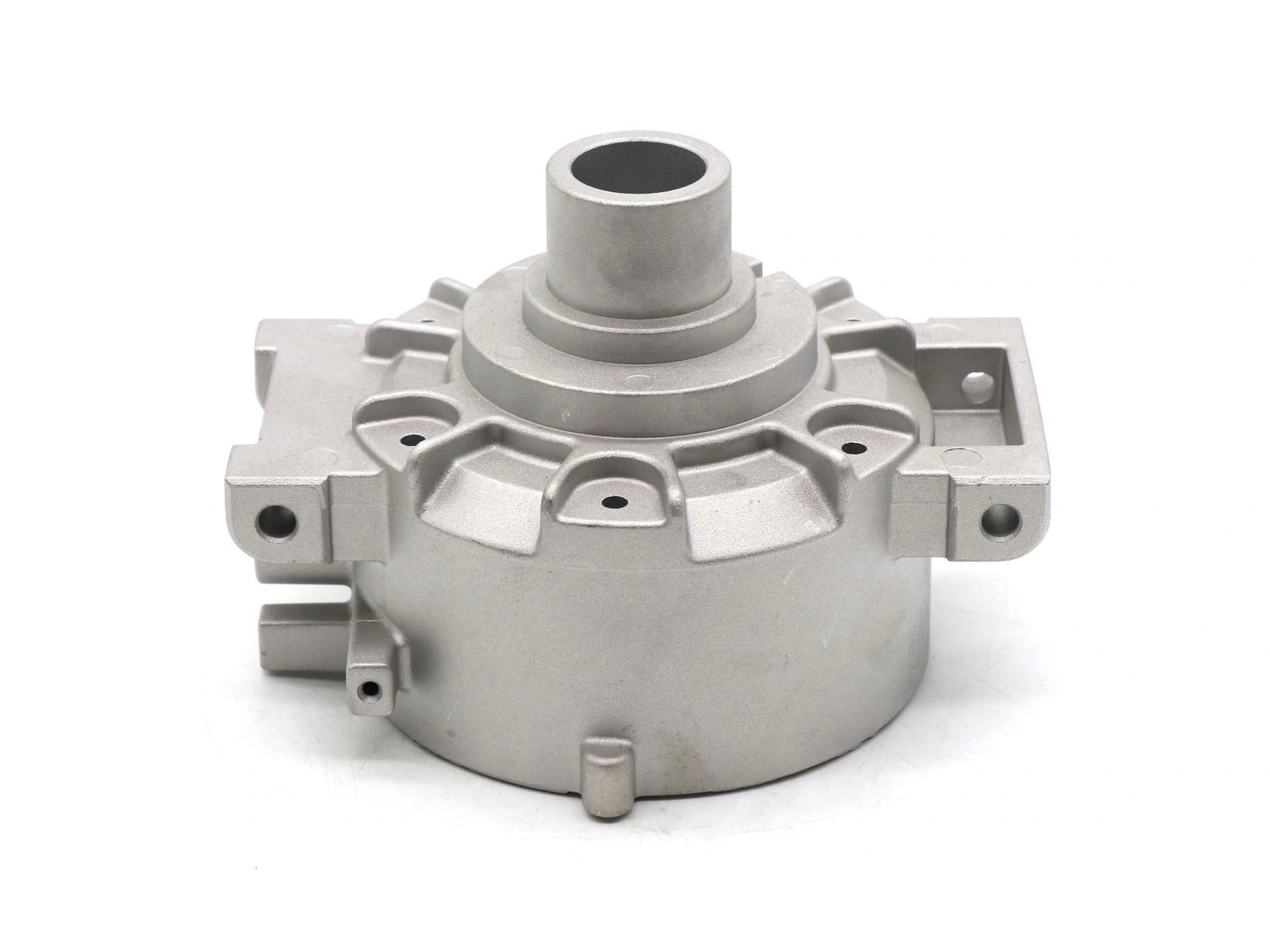
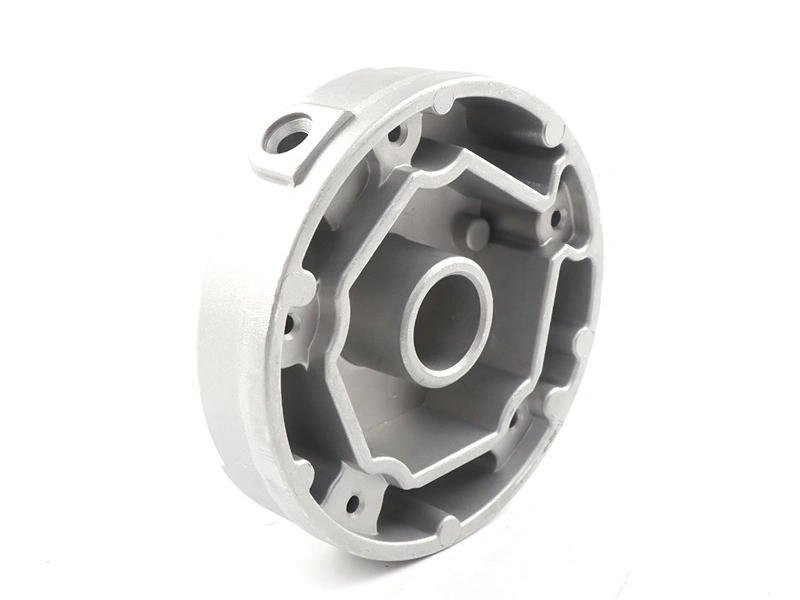
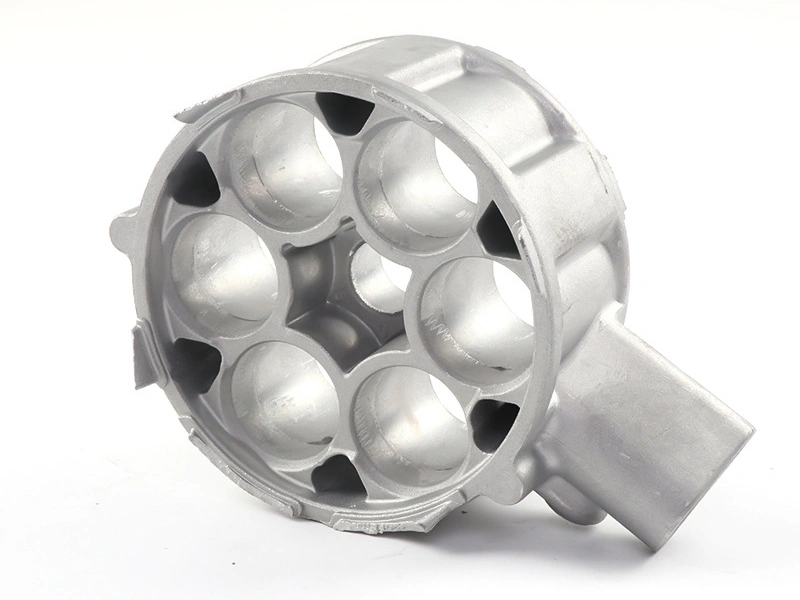
Part geometry often matters as much as material. Thin walls need enough flow and venting. Heavy bosses can create heat concentration and porosity. Long ribs can restrict fill. Deep pockets may require slider or venting review. A material that works well in one housing may struggle in another design if the geometry is not balanced.
Buyers should send the 3D model and 2D drawing for DFM review. The supplier should identify fill risks, gate marks, ejector marks, parting line, overflow positions and machined zones. These details decide whether the selected alloy can produce acceptable samples.
Porosity and Tooling Review
Porosity is one of the most important tooling-related risks. Gas porosity may come from trapped air or poor venting. Shrinkage porosity may appear near thick sections. If machining later cuts through a porous zone, the part may fail sealing, appearance or strength requirements. Tooling review should identify these zones before trial.
For pressure or leak-sensitive parts, the buyer should define test conditions and critical zones. The supplier can then review alloy direction, wall thickness, venting and inspection. Material selection and tooling review must work together.
Cosmetic areas also need tooling review. A material may fill the part acceptably, but a gate mark or ejector mark on a visible face can still fail the buyer's appearance standard. Buyers should mark A-side surfaces before tool design.
Trial Sample Evidence
Trial samples should show whether the selected alloy and die design work together. Buyers should review filling, flash, porosity, gate removal, ejector marks, machined features and cosmetic surfaces. If issues appear, the correction should identify whether the cause is design, tooling, process or material.
For repeat production, trial corrections should be recorded. This record helps the supplier repeat the accepted process and helps the buyer understand why the final die differs from the first design idea.
Buyers should ask which trial evidence will be reviewed before approval. Useful evidence may include filled sample photos, trimmed samples, porosity review, machined surface checks, dimensional reports and finish samples. The evidence should match the part's risk.
When Design Change Is Better Than Alloy Change
Sometimes a design change is more effective than changing alloy. A heavy boss can be cored. A thin rib can be adjusted. A gate can be moved away from a cosmetic face. If the root problem is geometry or tooling, a material switch may add cost without solving the defect.
Buyers should ask suppliers to separate required DFM changes from optional improvements. Required changes protect casting quality, while optional changes may reduce cost or improve cosmetic results. This helps buyers make controlled decisions.
They should also ask whether tooling changes after first trial are included in the schedule. Gate, venting or trim corrections can affect lead time and sample approval.
Clear trial expectations reduce disputes after first shots.
They also make sample approval faster.
Records matter.
So does traceability.
Neway Tooling and Flow Review
Neway can review alloy choice together with tool and die making, gate planning, venting, CNC machining and inspection. This helps buyers understand whether the selected aluminum alloy can be supported by the die casting route.
The practical output should identify the alloy assumption, tooling risks, sample checks and any design changes needed before the die is released. That reduces trial delays and helps the buyer approve production with clearer evidence.