How Does Part Geometry Affect Aluminum Die Casting Part Quality?
How Does Part Geometry Affect Aluminum Die Casting Part Quality?
Part geometry has a direct impact on the quality of aluminum die casting. Wall thickness, ribs, bosses, corners, deep pockets, large flat areas and metal flow paths all influence filling, shrinkage, porosity, deformation and dimensional stability. A part may look simple in a 3D model, but if the geometry is not suitable for die casting, it can create quality problems during tooling, trial production and mass production.
1. Why Geometry Matters in Aluminum Die Casting
Aluminum die casting depends on controlled metal flow, cooling and solidification. If the wall thickness changes too quickly, molten aluminum may not fill the cavity evenly. If some areas are too thick, shrinkage and internal voids may appear. If thin walls are too long or poorly connected, cold shuts, misruns or flow marks may occur.
This is why buyers should not send complex drawings directly to tooling without a geometry review. Before mold design, Neway can support die casting design optimization through design support, engineering evaluation and manufacturability review.
Geometry Factor | Possible Risk | Recommended Action |
|---|---|---|
Uneven wall thickness | Shrinkage, porosity and deformation | Optimize wall transition and avoid sudden thickness changes. |
Deep bosses | Internal voids or sink marks | Add radii, reduce local thickness or reserve machining allowance. |
Large flat areas | Warpage and flatness instability | Add ribs or adjust structure for better stiffness. |
Sharp corners | Stress concentration and filling difficulty | Add fillets to improve flow and strength. |
Thin walls | Cold shuts, misruns or visible flow marks | Review filling path, gate design and alloy suitability. |
2. Common Geometry Problems in Die Cast Aluminum Parts
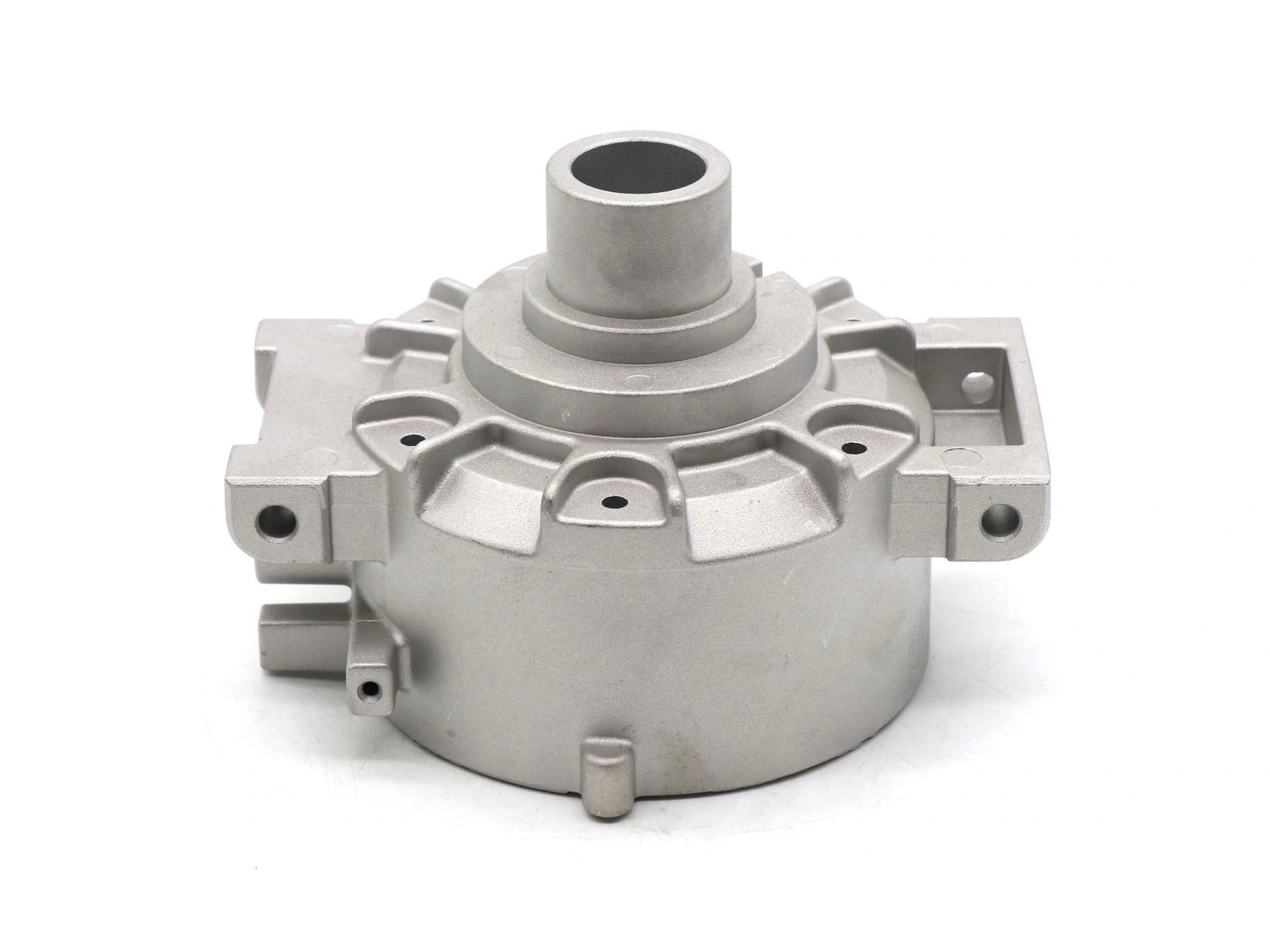
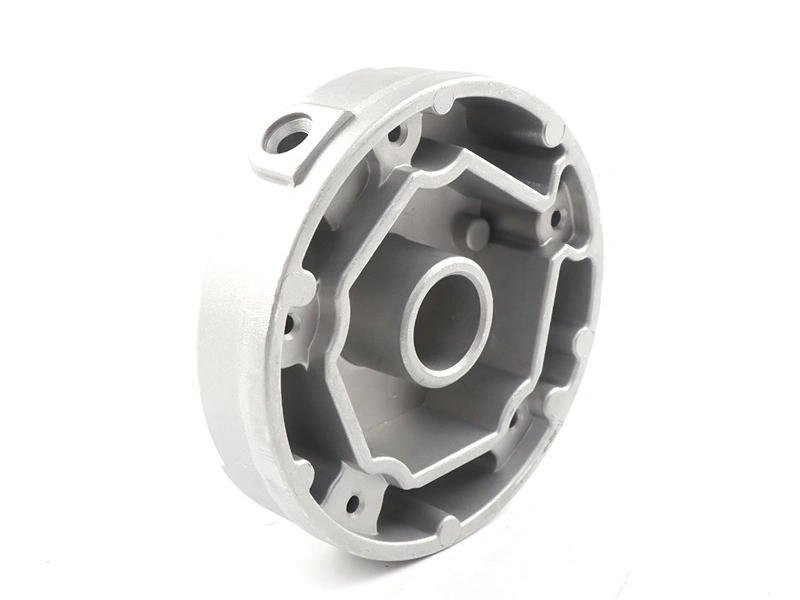
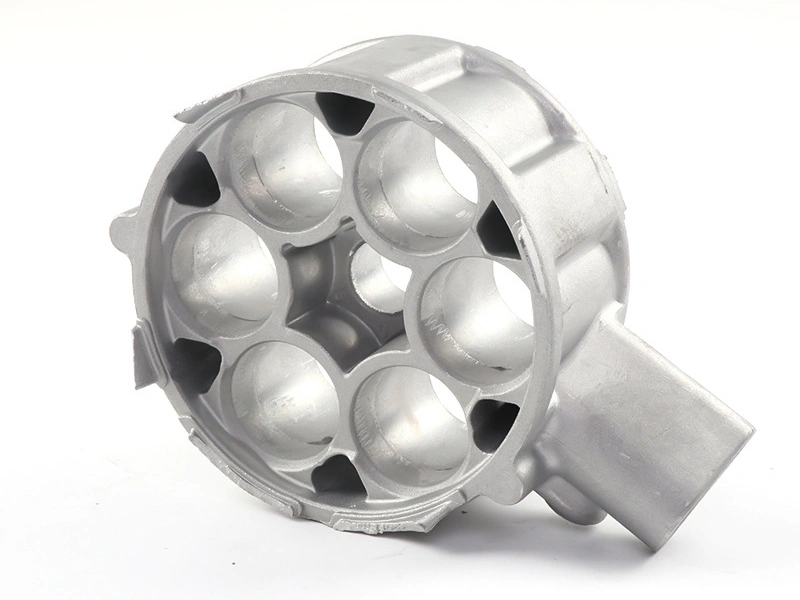
Several geometry issues are commonly found in custom aluminum die casting parts. Thick bosses connected to thin walls may cause shrinkage. Large unsupported flat surfaces may warp after ejection or cooling. Sharp internal corners may restrict flow and increase stress concentration. Deep pockets, blind holes and complex internal cavities may require redesign, core planning or post-machining.
Ribs are also important. Buyers often add thick ribs to improve strength, but oversized ribs can create local shrinkage and casting defects. A better design balances strength, wall thickness, flow path and manufacturability. This is where optimized component designs can help reduce casting risk before tooling begins.
3. How Mold Flow Analysis Reduces Geometry Risk
For parts with thin walls, ribs, deep cavities, bosses or large flat areas, mold flow analysis can help evaluate filling behavior, air trapping, hot spots and potential shrinkage. Mold flow analysis for aluminum casting allows engineers to review gate position, flow balance, venting and cooling strategy before the tool is manufactured.
This process helps buyers avoid repeated mold trials. Instead of discovering geometry problems after tooling is complete, the supplier can identify risks earlier and adjust the part design, tooling design or machining strategy.
Engineering Step | Purpose | Buyer Benefit |
|---|---|---|
Structure assessment | Review wall thickness, ribs, bosses and parting direction. | Identify manufacturability risks before tooling. |
Die casting feasibility review | Confirm whether the geometry is suitable for aluminum die casting. | Reduce the risk of redesign after trial production. |
Mold flow evaluation | Analyze filling, shrinkage, air trapping and hot spots. | Improve casting quality and process stability. |
Post-machining planning | Define which features need machining after casting. | Protect functional dimensions and assembly fit. |
Tooling design | Convert the optimized part into a production-ready mold. | Improve sampling success and production consistency. |
4. Why Buyers Should Review Geometry Before Tooling
If a buyer starts custom die casting tooling without a geometry review, the project may face repeated mold modification, porosity, deformation, unstable dimensions or poor assembly performance. Some problems can be corrected by machining, but geometry-related casting defects are often difficult or expensive to fix after the mold is complete.
A better approach is to review geometry, material, tooling and post-machining together. This helps create manufacturable aluminum die casting parts with stable quality, controlled cost and better long-term production reliability.
Summary
Buyer Concern | Best Action |
|---|---|
The part has uneven wall thickness. | Review transitions and optimize the structure before mold design. |
The part has bosses, ribs or deep pockets. | Check shrinkage, machining allowance and mold flow risk. |
The part has large flat surfaces. | Add stiffness features or review deformation control. |
The part is complex and close to production. | Use engineering review and mold flow analysis before tooling. |