How Does Surface Finish Affect Aluminum Casting Alloy Selection?
How Does Surface Finish Affect Aluminum Casting Alloy Selection?
Surface finish affects aluminum casting alloy selection because different alloys and casting routes produce different surface texture, porosity behavior, coating response and anodizing appearance. A part that will be powder coated may use a common die casting alloy if masking and surface preparation are controlled. A part that needs decorative anodizing may require careful alloy review because die cast aluminum can anodize unevenly compared with wrought 6061 or 6063.
Buyers often choose an alloy for strength or cost, then discover later that the finish requirement changes the decision. That creates avoidable problems. If the part needs color, gloss, corrosion protection, electrical contact, masking, cosmetic inspection or a specific coating thickness, those requirements should be discussed before the alloy and route are locked.
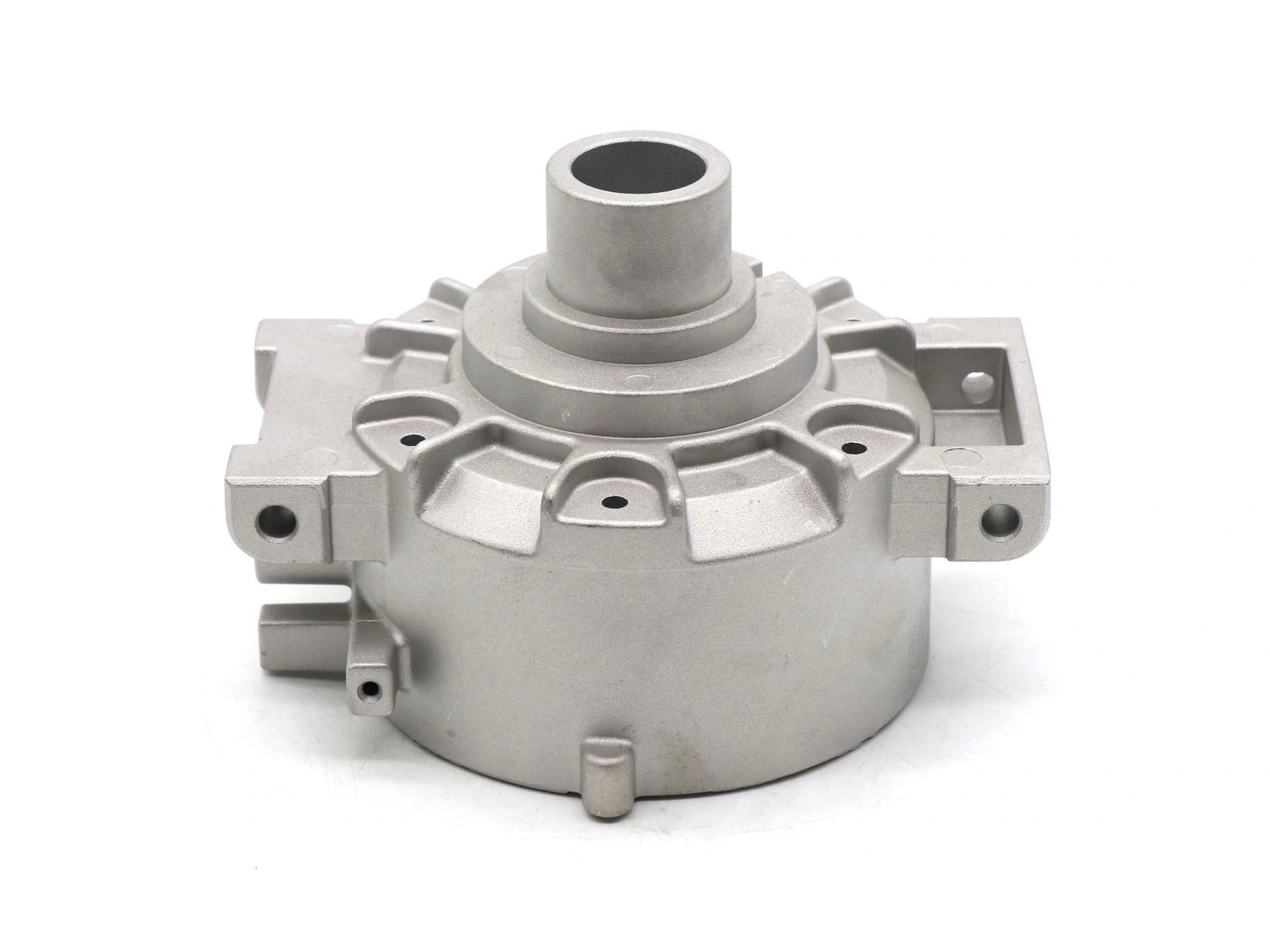
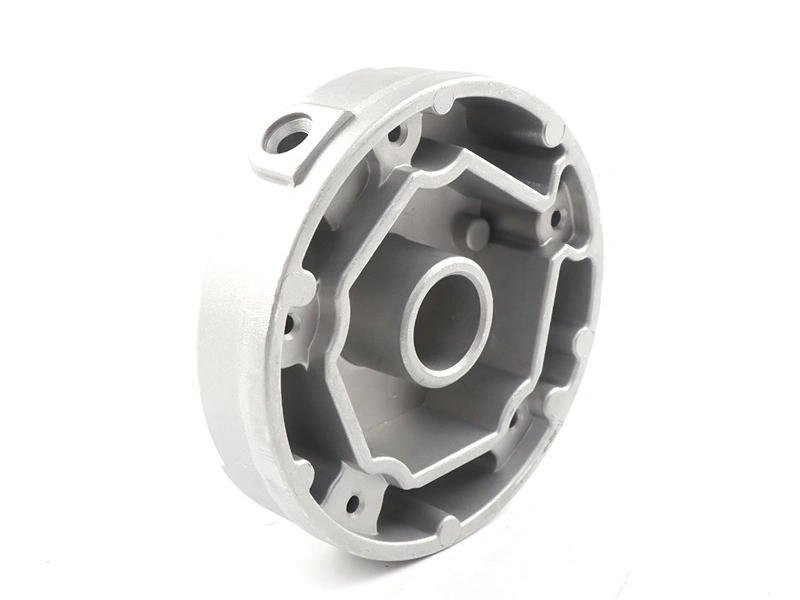
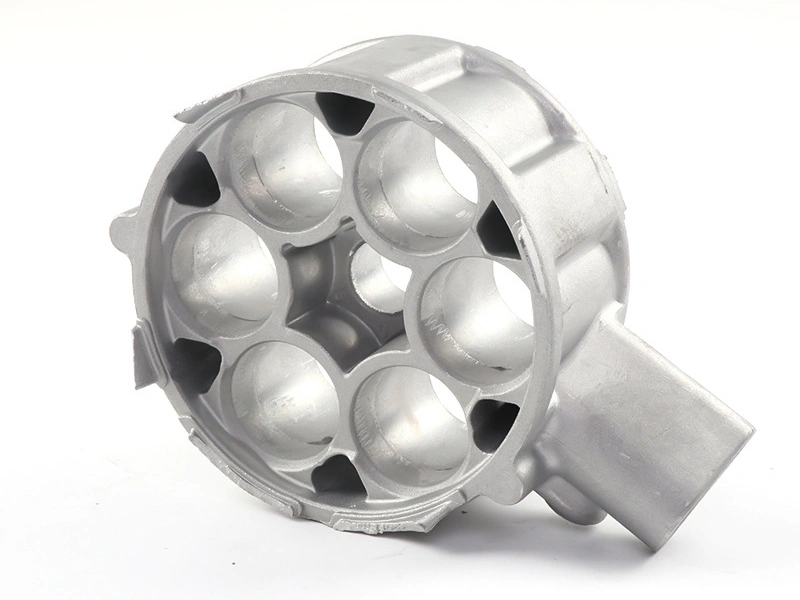
Surface finish is especially important for visible housings, covers, handles, lighting parts, consumer-facing enclosures, outdoor components and parts with machined sealing faces. The alloy, casting method, tooling marks and post-process sequence all affect whether the finish can meet the buyer's expectation.
For finish-related alloy choice, buyers can review surface finish compatibility for aluminum alloy die cast parts and A380 and ADC12 color variation after anodizing.
Finish Requirement vs Alloy Choice
Finish Requirement | Alloy and Route Concern | Buyer Confirmation |
|---|---|---|
Powder coating | A380, ADC12 and other cast alloys can work when pretreatment, porosity and masking are controlled | Color, gloss, thickness, masking and defect limit |
Painting | Surface preparation and cosmetic class matter more than material name alone | Approved color sample and visual inspection standard |
Decorative anodizing | Die cast alloys may show uneven color due to silicon and casting texture | Test sample or consider wrought aluminum route |
Functional anodizing | Coating thickness, alloy response and machined fit need review | Thickness range, sealing and masked surfaces |
As-cast appearance | Gate marks, ejector marks, flow lines and parting line remain visible | A-side surfaces and acceptable defect limits |
Why Anodizing Needs Extra Review
Anodizing is sensitive to alloy chemistry and surface condition. Wrought aluminum such as 6061 or 6063 often gives more predictable decorative anodizing than high-silicon die casting alloys. Die cast aluminum may show darker, gray or inconsistent appearance after anodizing. This does not mean anodizing is impossible, but buyers should not assume a die cast part will match a machined wrought aluminum sample.
If anodizing is required, the buyer should ask for sample testing, alloy recommendation and clear appearance limits. For functional anodizing, coating thickness and dimensional growth may affect holes, threads and mating surfaces. For decorative anodizing, color and cosmetic uniformity should be proven before production release.
Type II and Type III anodizing also affect dimensions differently. Even when the alloy can be anodized for functional reasons, coating buildup may reduce hole size or change thread fit. Buyers should mark masked features and tolerance-critical areas before approving the alloy and finish combination.
Powder Coating and Painting Considerations
Powder coating and painting are common choices for cast aluminum parts. They can provide color, corrosion protection and a more uniform appearance. However, casting porosity, surface contamination, sharp edges and trapped gas can create defects such as bubbles, pinholes or poor adhesion. The supplier should review pretreatment, deburring, masking and packaging.
Buyers should mark masked areas such as threads, grounding points, sealing faces and bearing bores. Coating buildup can change fit. If the part is assembled after coating, the final inspection should include the finished condition. A machined face may pass before coating but fail assembly if coating enters a hole or sits on a contact surface.
Finish testing is useful when appearance has commercial value. A small trial sample can show whether pores, flow marks, blasting texture or coating color meet the buyer's expectation. This is especially important for visible covers, lighting parts, handheld housings and components sold as finished exterior parts.
Surface finish should be linked to packaging. A coated aluminum casting can pass visual inspection at the factory and still arrive scratched if finished faces are stacked without separators. If the finish has commercial value, the buyer should define packaging protection together with the finish sample.
Corrosion environment should also be stated. Indoor painted parts, outdoor powder coated housings and salt-spray-related components may require different pretreatment, coating thickness and inspection. Alloy selection and finish selection should be reviewed together when the part will face moisture, chemicals or temperature cycling.
Buyers should keep approved finish samples for repeat orders. A written color code is useful, but an actual approved sample helps compare gloss, texture, coating coverage and acceptable casting marks when later batches are inspected.
Neway Finish and Alloy Review
Neway can review aluminum casting alloy selection together with post-process services, powder coating, painting, anodizing review and CNC machining. This helps buyers understand whether the target alloy and casting route can support the desired finish.
The best finish plan identifies the alloy direction, visible surfaces, masked zones, coating thickness, color sample, acceptable defects and packaging method. When finish is considered during alloy selection, buyers reduce the risk of approving a strong casting that later fails appearance or assembly.