How Should Aluminum Die Casting Parts Be Planned for Assembly and Final Use?
How Should Aluminum Die Casting Parts Be Planned for Assembly and Final Use?
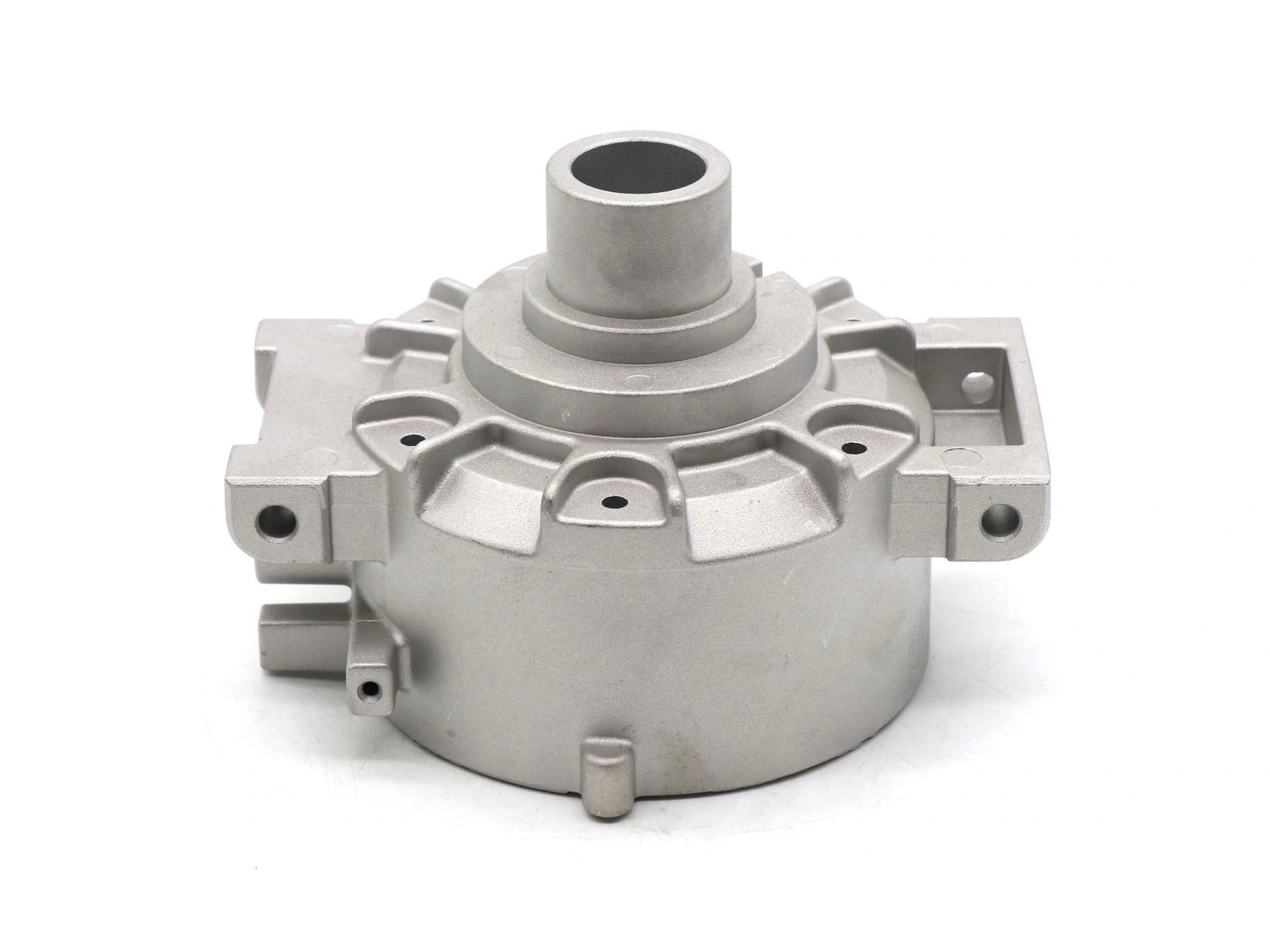
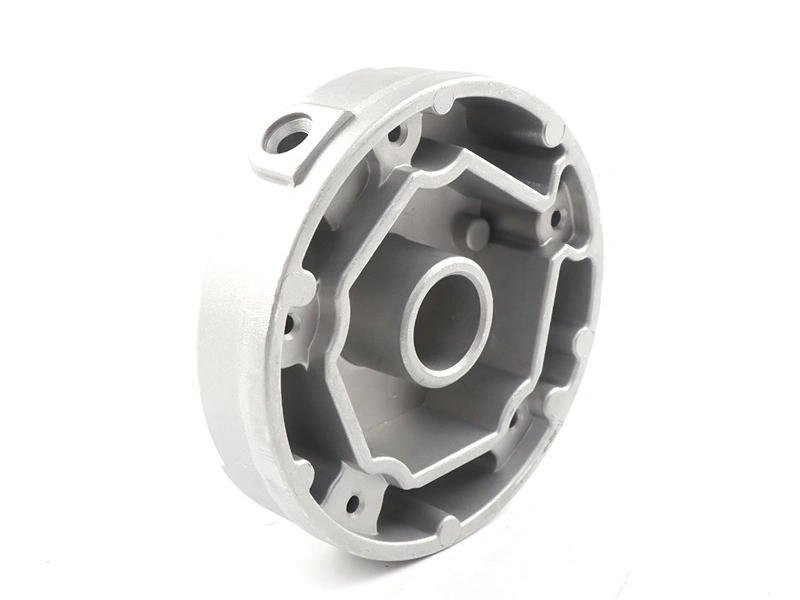
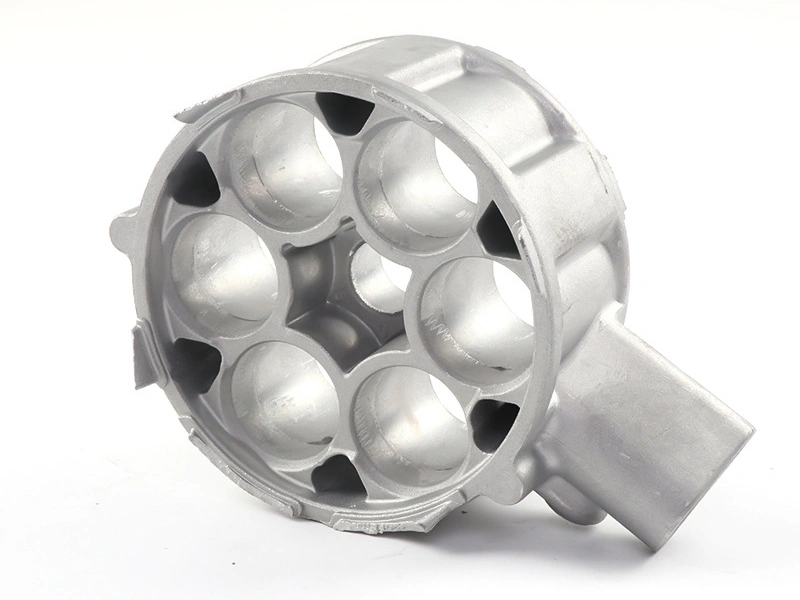
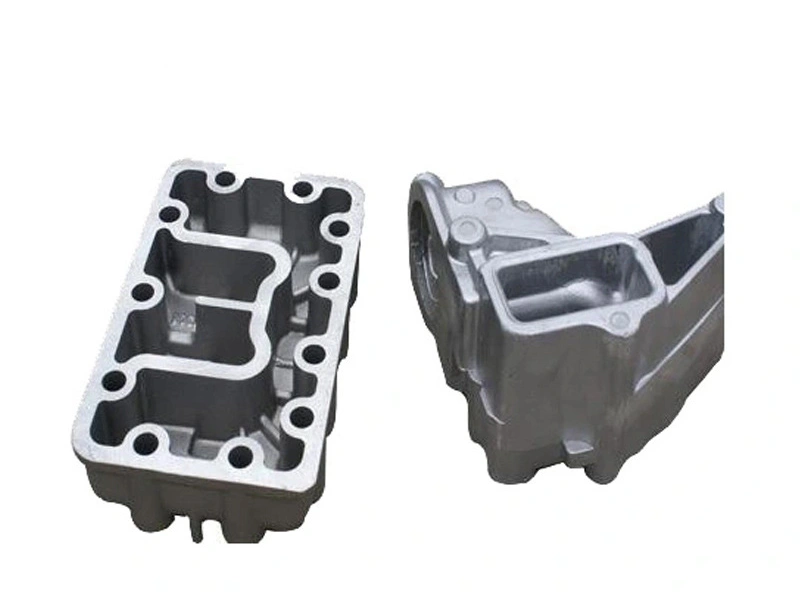
Aluminum die casting parts should be planned according to how they will be assembled, loaded, sealed, finished and used. A part that looks acceptable after casting may still fail if assembly fit, coating thickness, screw engagement, sealing surfaces or functional testing are not considered early. Buyers should treat aluminum die casting parts as final-use components, not only as casting blanks.
1. Why Final Use Should Guide Die Cast Part Planning
The final application determines what the casting must achieve. A housing may need waterproof sealing. A bracket may need load-bearing strength. A cover may need cosmetic surface quality. A heat-related component may need thermal performance. A part used outdoors may need corrosion protection. If these requirements are not considered before tooling, the buyer may discover problems during assembly or field use.
For assembled aluminum die cast components, the design should consider screw fastening, press-fit areas, insert installation, gasket contact surfaces, bearing installation, hinge movement and bracket alignment. These requirements affect material choice, tooling design, post-machining, post-processing for aluminum cast parts and inspection.
Final Use Requirement | Design Concern | Manufacturing Support |
|---|---|---|
Screw assembly | Thread depth and hole position | CNC machining and inspection |
Waterproof sealing | Flat sealing surface | Post-machining and coating control |
Heat dissipation | Material and wall design | Alloy selection and surface planning |
Outdoor use | Corrosion protection | Powder coating, anodizing or other surface finishing |
Ready-to-use delivery | Assembly and packaging | One-stop service and final inspection |
2. How Surface Treatment Affects Assembly
Surface treatment is not only about appearance. Coating thickness, powder coating buildup, anodizing behavior, painting coverage and masking strategy can all affect assembly. If coating is applied to holes, sealing faces or tight-fit areas without planning, the final part may become difficult to assemble.
For example, powder coating can build up on edges and inside holes. Anodizing may change the surface appearance of certain die cast aluminum alloys. Painting may need masking on sealing surfaces or threaded areas. Buyers should confirm which areas require coating and which areas must remain clean, machined or protected.
3. How Post-Machining Supports Final Assembly
Post-machining helps control features that affect assembly, including mounting face flatness, hole position, thread depth, burr control, datum surfaces and sealing faces. Without post-machining, as-cast features may not provide the accuracy required for screw assembly, bearing installation, gasket compression or repeated positioning.
Post-machining should be planned together with the casting design. If the part does not include machining allowance, fixture access or datum planning, it may be difficult to machine the critical features correctly after casting.
Assembly Feature | Possible Problem Without Planning | Recommended Support |
|---|---|---|
Threaded hole | Insufficient thread depth or weak assembly strength | CNC machining and thread inspection |
Sealing face | Leakage caused by poor flatness or coating buildup | Post-machining, masking and coating control |
Locating hole | Assembly interference or position error | Datum planning and CMM inspection |
Outer cosmetic surface | Visible defects after finishing | Early cosmetic surface marking and finishing review |
Burr-sensitive edge | Installation damage or operator handling risk | Deburring, tumbling or manual finishing control |
4. Why Sample Assembly and Small-Batch Validation Are Important
Even when the casting looks correct, sample assembly is still important. Buyers should test whether screws engage properly, sealing surfaces compress correctly, coating does not block fit, burrs do not interfere with installation and the part performs under vibration, heat, moisture, outdoor corrosion or repeated load.
Small-batch validation can identify issues before mass production. This is especially useful when the part must fit with plastic parts, steel parts, copper parts, electronic modules, seals, hinges, brackets or other assemblies.
5. How Neway Supports Ready-to-Use Aluminum Die Casting Parts
Neway can support one-stop die casting and assembly service by combining die casting, post-machining, surface finishing, inspection, assembling and delivery planning. This helps buyers reduce the need to coordinate separate casting, machining, coating and assembly suppliers.
For projects that require finished components instead of casting blanks, Neway can also support custom assembly and secure packaging for ready-to-use components. This is useful when buyers need stable assembly fit, controlled appearance, protected surfaces and final delivery quality.
Summary
Planning Question | Recommended Action |
|---|---|
Will the part be assembled with other components? | Review holes, threads, press-fit areas, sealing faces and datum features early. |
Will the part receive surface treatment? | Check coating thickness, masking, color requirement and assembly clearance. |
Will the part face heat, vibration or corrosion? | Plan alloy selection, wall design, finishing and functional testing. |
Does the buyer need ready-to-use parts? | Use one-stop die casting, machining, finishing, assembly and packaging support. |