What aluminum alloys are best for high-strength industrial components?
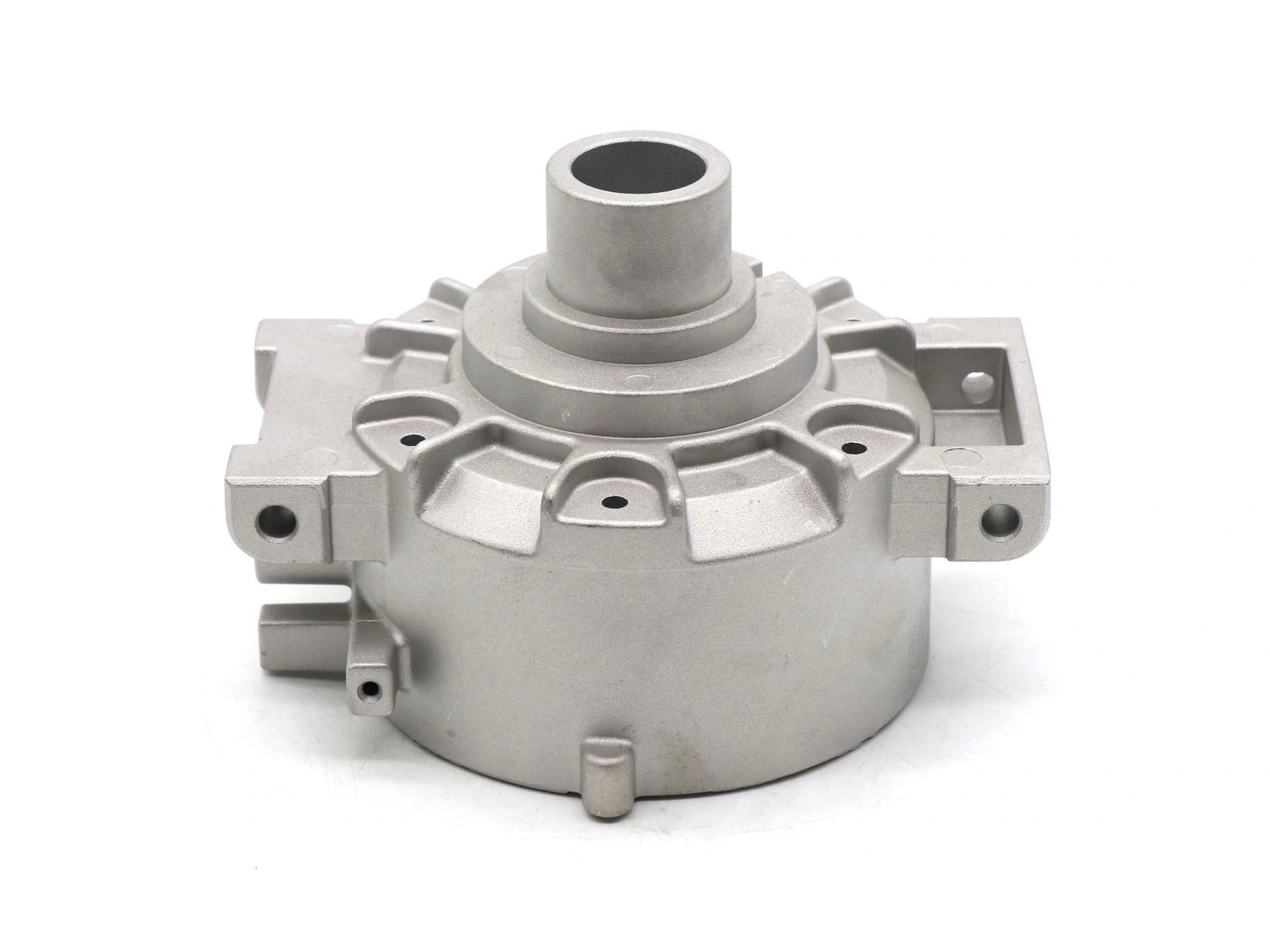
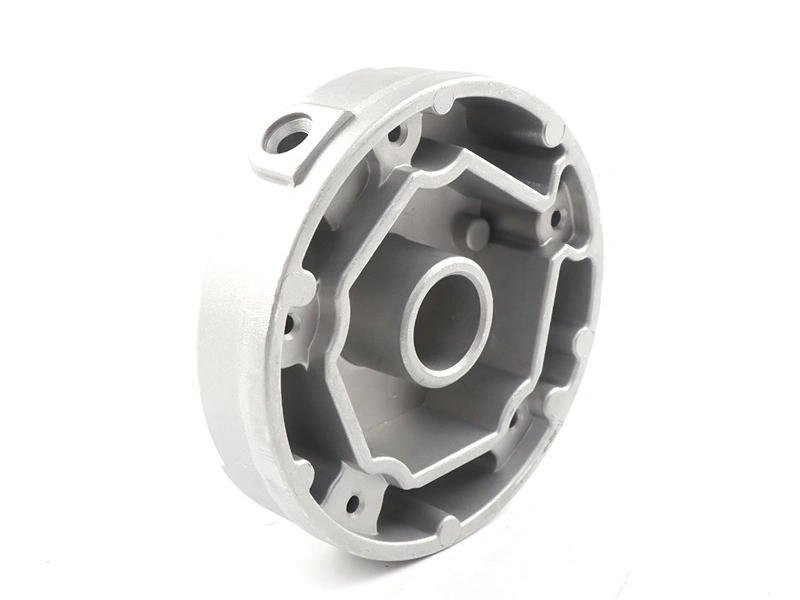
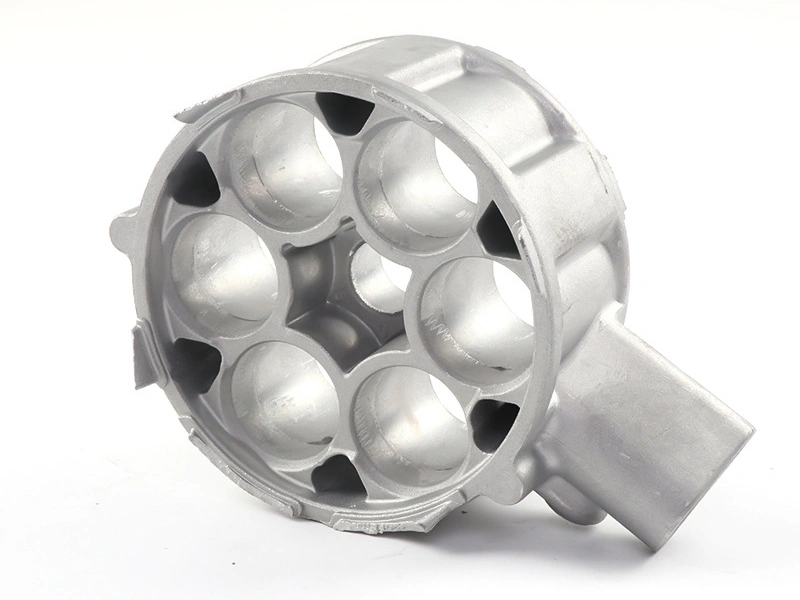
No aluminum alloy is automatically best for every high-strength industrial component. For conventional high-pressure die casting, grades such as A360, A380 and A383/ADC12 may enter the shortlist, but the decision must match load mode, stiffness, fatigue, service temperature, corrosion, geometry, machining and finish. If a heat-treatable alloy such as A356 is required, confirm the casting route rather than assuming it is a direct HPDC substitute.
Define what high strength means in the component
A peak tensile value rarely controls an industrial part by itself. A machine bracket may be limited by deflection. A bolted flange may be limited by bearing stress, thread pullout or local creep. A vibrating cover may be limited by fatigue at a boss transition. A hot enclosure can lose margin because elastic and strength properties change with temperature. Record load magnitude, direction, frequency, restraint, temperature and acceptable deformation before comparing alloys.
Also identify where the load travels through the casting. Ribs, bosses, fillets, wall transitions, holes and machined interfaces affect local stress. Porosity or cold-shut risk in that path can matter more than a small difference between catalog values. Analysis should use appropriate material assumptions and be followed by representative testing when failure consequence or uncertainty warrants it.
Screen alloy and casting route together
| Candidate | Why it may enter the shortlist | Questions before release |
|---|---|---|
| A380 | Widely used HPDC grade with a practical balance of castability, machining and general mechanical needs | Does the actual section, temperature, corrosion exposure and finish meet the drawing and test plan? |
| A383 / ADC12 | Often considered where fill behavior and detailed HPDC geometry influence the process choice | Which designation and composition limits govern, and how will strength-related features be verified? |
| A360 | May be screened where corrosion response or casting performance favors its composition | Do tool, machining, finish and procurement conditions support the grade for this project? |
| A356 | Commonly associated with other aluminum casting routes and heat-treated property options | Is conventional HPDC actually the intended route, or should permanent-mold, low-pressure or another process be compared? |
The alloy pages for A380, A383/ADC12 and A360 can support initial comparison. Published data still needs its grade, specimen condition and source understood. Wrought properties, separately cast bars and production HPDC features are not interchangeable evidence.
Account for temperature, fatigue and environment
For continuous load, review creep or time-dependent deformation at the actual service temperature. For cyclic load, define stress range, mean load, frequency, life target and surface condition. Fatigue performance can be sensitive to local geometry, casting discontinuities and machining marks, so a generic alloy statement is insufficient.
Corrosion selection depends on moisture, salt, cleaners, industrial pollutants, contact metals and drainage. Copper-containing aluminum grades may behave differently from lower-copper options in a given exposure, while a coating can introduce pretreatment and damage risks. Check galvanic couples at steel fasteners or copper contacts and specify isolation where needed.
Use geometry to achieve the required load path
Aluminum's lower elastic modulus compared with steel means a direct shape-for-shape substitution can deflect more even when static strength appears acceptable. Add section depth, ribs or closed geometry where packaging allows, while avoiding abrupt heavy junctions that create casting and stress problems. Review draft, ejection and metal flow at the same time as structural optimization.
Machined threads or bearing seats need sufficient local material and a stable datum scheme. Inserts may improve thread or wear duty but add interface, assembly and galvanic questions. The design should not rely on finish or impregnation to rescue an uncontrolled structural region.
Specify evidence before selecting the alloy
Start with a controlled composition requirement and lot-linked material record. Define whether mechanical evidence comes from a standard specimen, a separately cast coupon, a machined specimen from a representative casting or a complete component test. Each answers a different question. Where simulation supports the design, retain assumptions, load cases and correlation with physical results.
Component-level validation can include proof load, fatigue, thermal cycling, dimensional checks after load, thread testing or environmental exposure, depending on function. State fixture, load, duration, sample relationship and acceptance criterion. This turns "best high-strength alloy" into a decision that can be audited.
If the required property depends on heat treatment or another special material condition, place that condition in the controlled specification rather than leaving it in a quotation note. Confirm that the selected casting route supports the treatment, identify when machining occurs, and evaluate distortion, blistering or dimensional movement after thermal exposure. Test specimens must represent the authorized condition, and the report should state whether they came from the production part, shared metal or a separate casting.
RFQ inputs for a defensible recommendation
Drawing and CAD with load path, wall sections, machined zones, datums and key control characteristics.
Static, cyclic, impact or bearing loads, stiffness limit, temperature range and expected life.
Corrosion media, galvanic contacts, finish and maintenance exposure.
Target casting route, annual demand, order size and any required heat treatment.
Material documentation, specimen relationship and component tests needed for release.
The best candidate is the alloy and casting route that meet the component's defined failure modes with representative evidence and acceptable production risk. Select the route first where the requested grade demands it; then confirm strength on the actual geometry rather than awarding the decision to the highest number in a property table.