What Are Aluminum Die Cast Prototypes Used For?
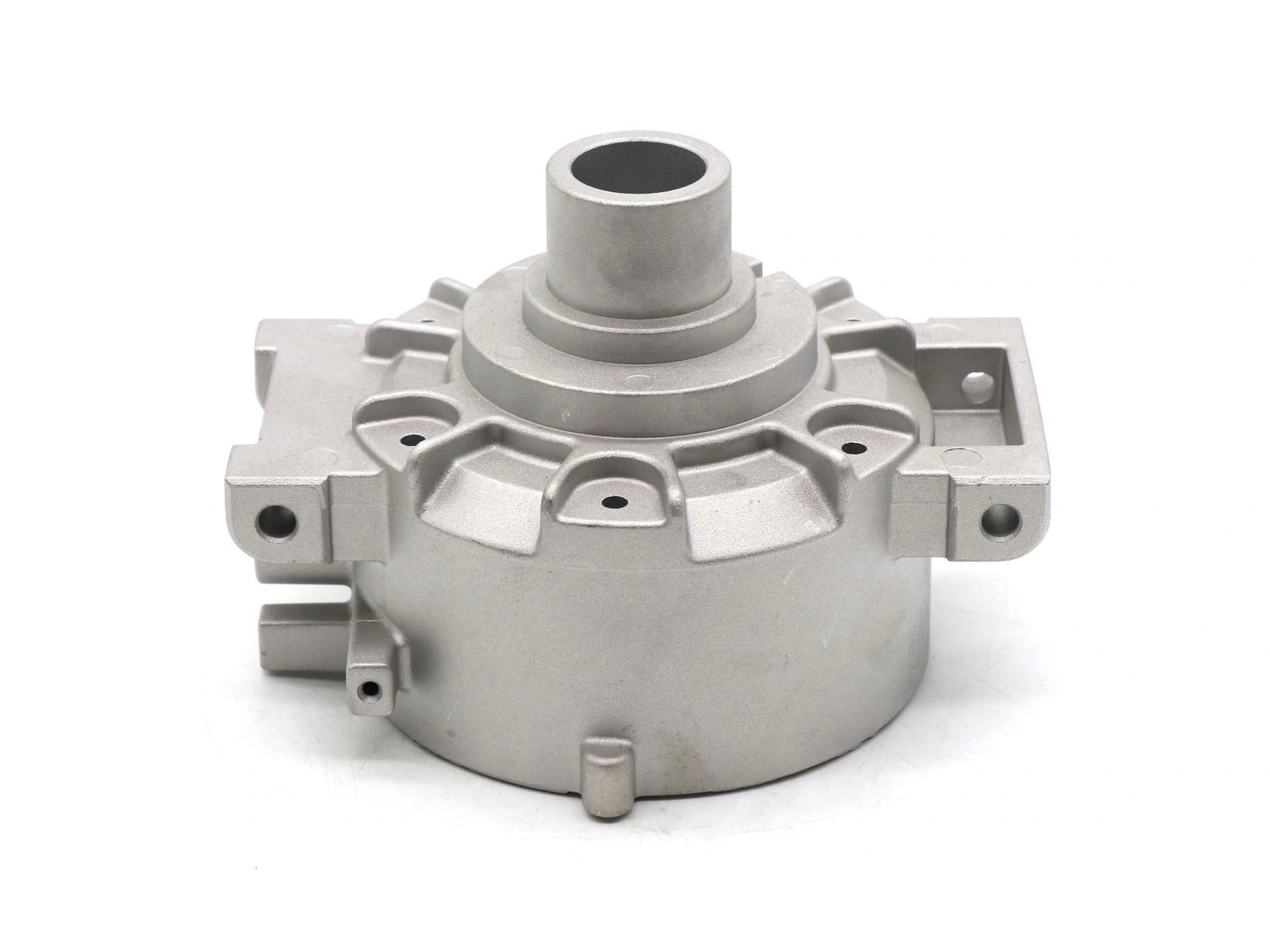
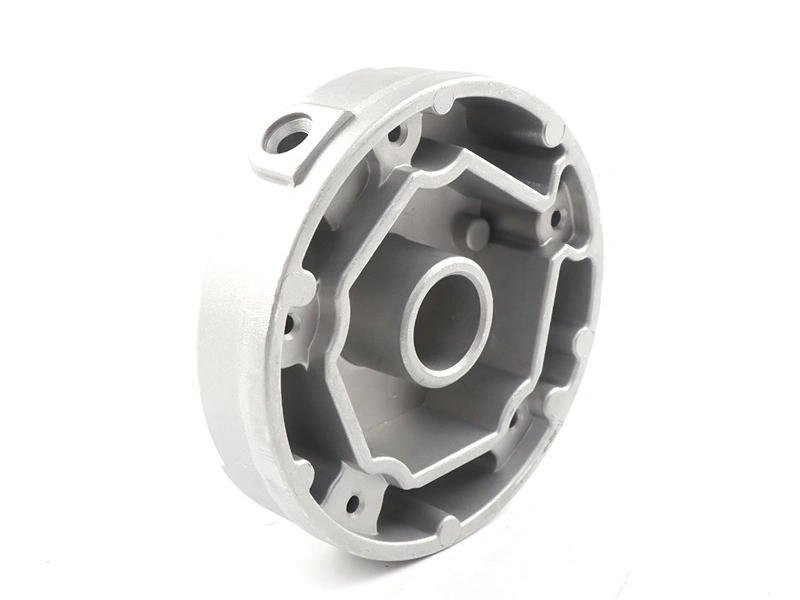
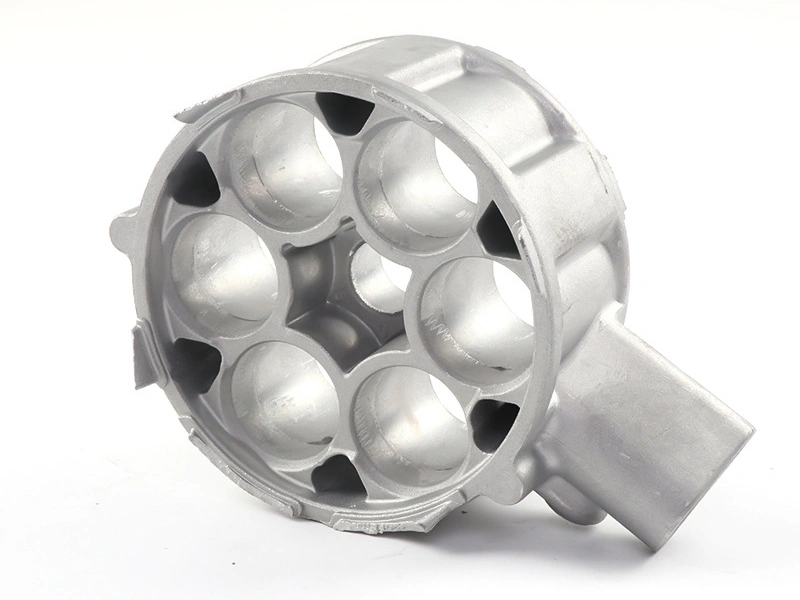
Aluminum die cast prototypes are used to validate geometry, assembly, function and manufacturing decisions before a project commits to production tooling or larger batches. Their value depends on how they are made. A CNC aluminum surrogate can prove fit and machined geometry, while a representative die casting is needed to study filling, ejection, as-cast variation, porosity exposure and finish response.
Use each prototype for a named decision
A prototype request should begin with unresolved questions. Buyers may need to check connector access, a gasket path, fastener engagement, housing stiffness, thermal contact, a machined bore or a cosmetic surface. One sample rarely represents all of those conditions. State the decision and select the least costly route that reproduces the variables behind it.
Validation question | Suitable sample evidence | Boundary |
|---|---|---|
Does the envelope assemble? | Controlled polymer model or CNC aluminum surrogate with mating components | Does not establish die filling or cast variation |
Can functional holes and faces be machined? | Metal surrogate for access; representative casting for stock and fixture validation | Nominal billet does not reproduce as-cast locators |
Will the die fill and eject the geometry? | Relevant alloy in prototype or production-intent pressure-die tooling | Alternative casting routes do not prove HPDC thermal and flow behavior |
Will the visible finish be accepted? | Actual cast substrate with intended preparation and finish | A color plaque does not show geometric or substrate effects |
Validate product geometry and assembly
Early prototypes help verify overall size, wall and rib placement, clearance, mounting points, service access and assembly sequence. Test with controlled mating parts, fasteners, seals and inserts rather than inspecting the prototype alone. Record gaps, interference, engagement and assembly force against the drawing revision.
Nominal CAD machined into billet can hide future casting-envelope variation. If a hole must remain centered in a cast wall or a cover gap depends on an as-cast edge, use tolerance analysis and then representative castings. The prototype validation service can support physical review, but the buyer still has to define acceptance.
Validate die-casting manufacturability
Production-oriented samples are used to evaluate parting, draft, filling, venting, overflow locations, ejector effects and local distortion. They can show short fill, cold shut, flash or surface conditions tied to the sampled tool and process. Review multiple relevant parts or cavities; a selected good casting does not establish a process window.
Prototype tooling may differ from the intended production die in cavity count, die steel, runner, cooling or cycle. Document those differences and decide what must be repeated on the production tool. A bridge-tool sample supports learning, but it cannot silently qualify conditions it did not reproduce.
Validate function and downstream operations
Aluminum prototypes can support load, thermal, leak or environmental tests when their material form and process are suitable for the question. A billet sample may be useful for an early bench setup but can differ from a casting in grain structure, skin and internal discontinuities. Test reports should identify alloy specification, condition and manufacturing route so engineers know what the result represents.
Representative castings are also used to establish machining stock, first-setup location, threads, sealing faces and inspection datums. Finished samples can verify masking, coating-sensitive clearances and cosmetic criteria. Where finish depends on cast substrate, a machined block is not an adequate surface master.
What a useful prototype delivers
The deliverable is more than a part. It should include the controlled revision, sample route, known production differences, measurement or functional result, deviations and a decision. A failed sample is valuable when it identifies a drawing, tool, machining or finish action and is followed by a controlled retest.
For a production-oriented RFQ, provide 3D and 2D data, intended alloy and casting route, mating conditions, critical features, finish, tests, forecast volume and target delivery state. Ask the supplier to distinguish surrogate parts from cast trials. The prototype RFQ checklist helps close those inputs.
Prioritize prototypes by consequence and cost of change
Not every open question deserves production-intent tooling at the same time. Resolve cheap geometric mistakes before ordering metal tools, then spend higher-fidelity prototype budget on failures that could drive tool correction, batch scrap or customer risk. A connector interference is usually better found in a fast model; machined pressure integrity needs a representative casting.
Prioritization should consider consequence as well as likelihood. A rarely occurring cosmetic mark may be manageable through an appearance standard. An unverified sealing defect or load path can stop release even if early samples look favorable. The responsible engineering team should decide which evidence is mandatory before the next investment gate.
Retain reference parts and data
Keep identified samples for approved appearance, assembly or destructive-test correlation where practical. Record which samples include handwork, nonproduction material or temporary tooling. Photographs alone may miss texture, fit or an internal section, while an unlabeled retained part can later be mistaken for production standard.
A concise closure record should state the question, route, result, limitation and action. That record lets tooling, quality and purchasing teams use the same conclusion and prevents the prototype program from becoming a collection of parts with no durable decision history.
Buyer decision
Use an aluminum die cast prototype to retire a specific uncertainty before more money and quantity are committed. Use fast surrogates for shape and assembly. Use production-intent alloy, casting, machining and finish when the decision concerns their behavior. Approval should state exactly which question passed and which risks remain for low-volume or production validation.