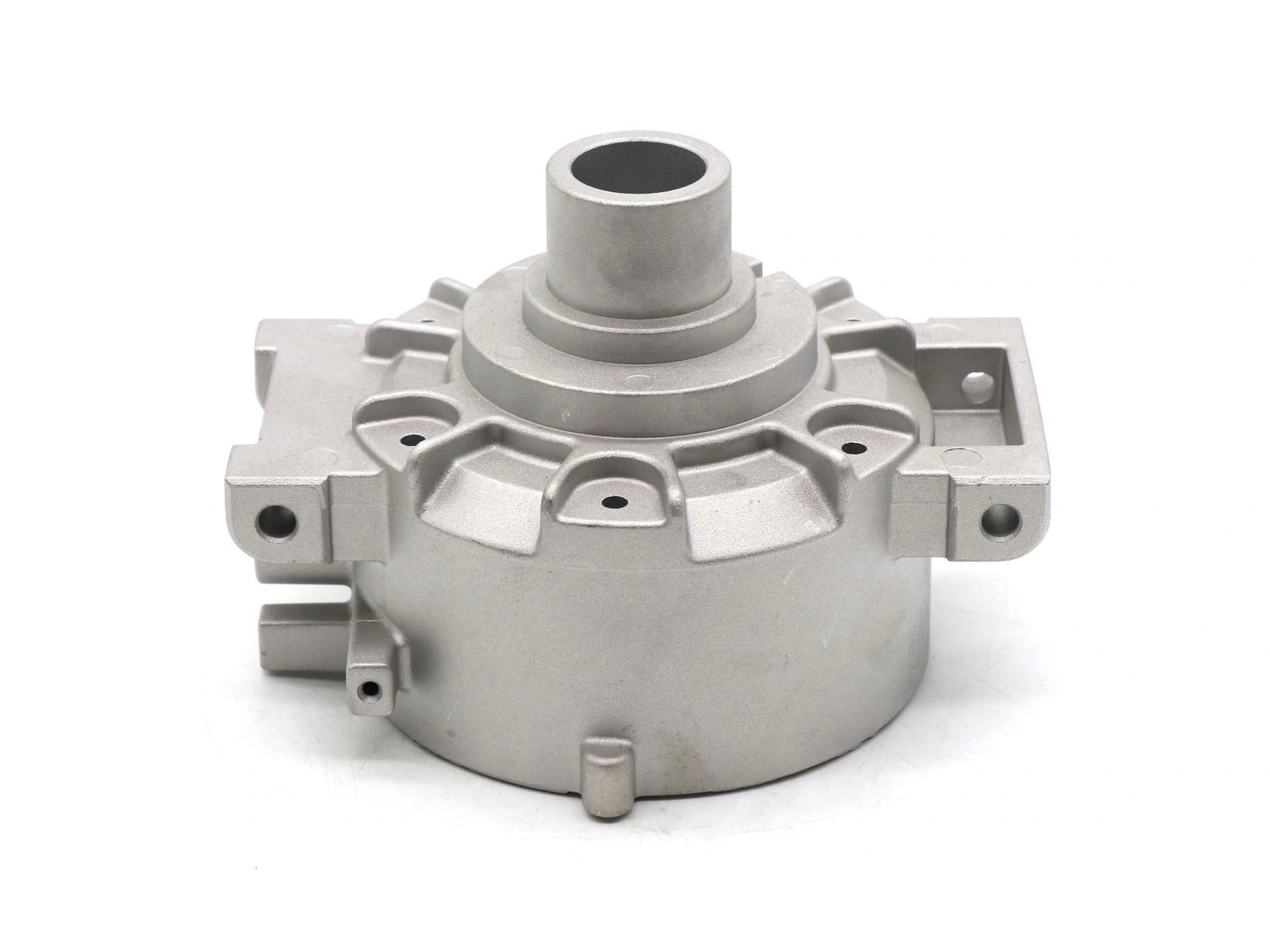
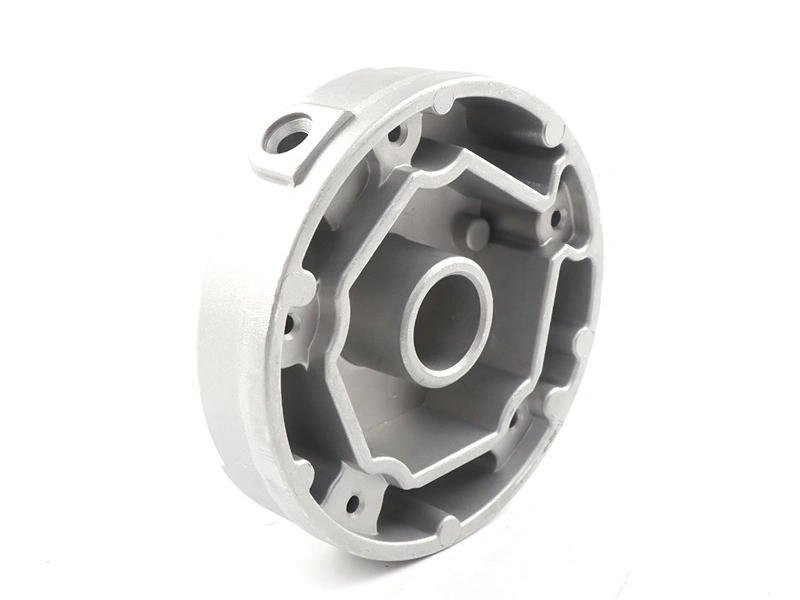
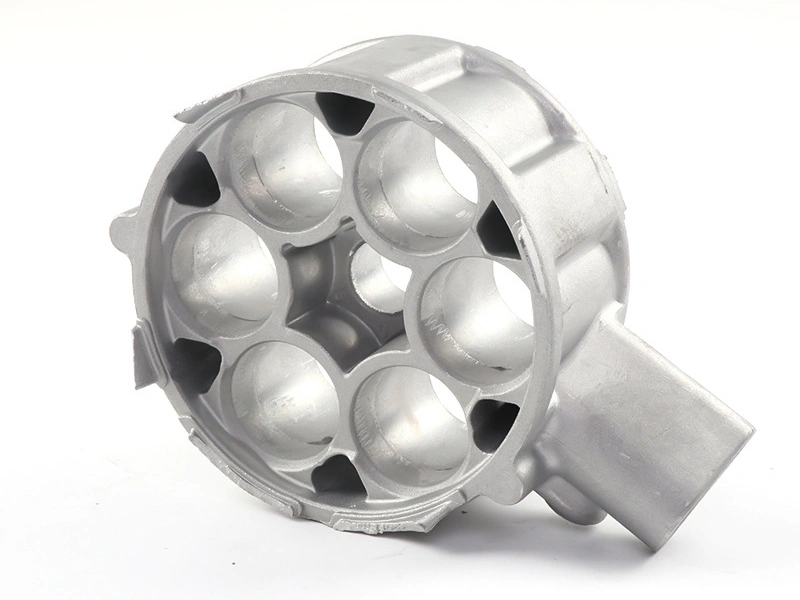
What Are the Key A360 Material Properties for Aluminum Die Casting?
What Are the Key A360 Material Properties for Aluminum Die Casting?
The key A360 material properties for aluminum die casting are corrosion resistance direction, pressure-related performance direction, useful strength, die casting suitability, machinability and finish compatibility. Buyers often review A360 when an aluminum die cast part needs better environmental confidence or sealing-related performance than a general-purpose alloy may offer.
A360 should be evaluated as a finished-part material, not only as a property table. The buyer should ask whether A360 supports the part's working environment, machined features, coating, leak requirement and production volume. If the part does not need corrosion or pressure-related advantages, A380 or another alloy may be more practical.
Exact values can vary by specification and supplier, so buyers should request the material standard and certificate when properties matter. For most purchasing decisions, the important question is how A360 changes manufacturing risk compared with alternatives.
For A360 material planning, buyers can review A360 aluminum die casting material and how buyers decide if aluminum is the right material for die casting.
A360 Property Table
Property Direction | Buyer Meaning | Confirmation Needed |
|---|---|---|
Corrosion resistance | Useful for outdoor or humid exposure | Environment, coating and material record |
Pressure-related use | May support sealed covers or fluid-adjacent parts | Porosity control and leak test |
Strength | Supports many functional die cast parts | Load areas, ribs, bosses and wall thickness |
Machinability | Affects threads, faces and bores | Machining allowance and gauges |
Finish compatibility | Affects coating and appearance approval | Finished sample and masking plan |
How Buyers Should Use Property Data
Property data should guide questions, not replace sample validation. If corrosion resistance is the reason for choosing A360, the buyer should define the environment and finish. If pressure-related performance is the reason, the buyer should define the sealing surfaces and test standard. If machining matters, the buyer should mark critical holes, bores and datums.
Material properties become useful when they are tied to drawing features. A gasket face, threaded port, exterior surface or mounting boss should be reviewed with the A360 property direction in mind.
Property Data vs Finished-Part Evidence
Property data can justify reviewing A360, but finished-part evidence should justify production release. A buyer may choose A360 because corrosion direction matters, yet the final result still depends on coating, masking, exposed edges and packaging. A buyer may choose A360 because pressure-related confidence matters, yet the final result still depends on porosity control, machining and leak testing.
For this reason, buyers should ask which properties need physical proof. Corrosion-sensitive parts may need coated samples. Leak-sensitive parts may need pressure checks. Parts with threaded holes may need thread gauges. Parts with gasket faces may need flatness checks and pore review after machining.
A360 Sample Validation
A360 samples should be inspected in the condition that matters for production. Raw castings can show fill and basic dimensions. Machined samples can show thread quality, flatness and pore exposure. Finished samples can show coating appearance and masking. Leak-sensitive parts should be tested under the agreed method.
Neway can review A360 material properties with aluminum die casting, CNC machining, finishing and inspection planning. This helps buyers decide whether A360 is necessary or whether another aluminum die casting alloy is enough.
When A360 May Be Unnecessary
A360 may be unnecessary when the part is used indoors, has no sealing requirement, has modest corrosion exposure and can meet requirements with A380 or an approved equivalent. Buyers should avoid choosing A360 only because it sounds stronger. The material should solve a real application risk.
If the buyer wants lower cost, the supplier can compare A360 with A380, A413 or ADC12. The comparison should include material, tooling, machining, finish and inspection, because the cheapest alloy may not be the cheapest finished part.
A360 Release Record
Once A360 is approved, the buyer should keep the material standard, certificate expectation, sample report, finish sample and inspection plan. These records help future batches match the approved material basis. If an equivalent alloy is proposed later, the buyer can review it against the original reason for choosing A360.
Cost and Availability Context
A360 may require more careful sourcing than a common general-purpose material. Buyers should ask whether the supplier regularly casts A360, whether minimum material quantities apply and whether the project volume supports the material choice. This is not a reason to avoid A360; it is a reason to include material availability in the quotation discussion.
If the part is simple and protected from corrosion, a more common alloy may provide a better cost balance. If the part is outdoors, sealed or customer-specified as A360, the added review may be justified. Buyers should compare finished-part risk, not only alloy price.
Practical A360 Decision
A practical A360 decision states the application risk, the approved material standard, the required sample evidence and the release condition. For example, an outdoor housing may require A360, powder coating, masked gasket faces and visual inspection. A sealed cover may require A360, machined flatness and leak review. Those details make the property choice actionable.
The decision should be recorded.