What Design Changes Reduce Aluminum Casting and Machining Cost?
What Design Changes Reduce Aluminum Casting and Machining Cost?
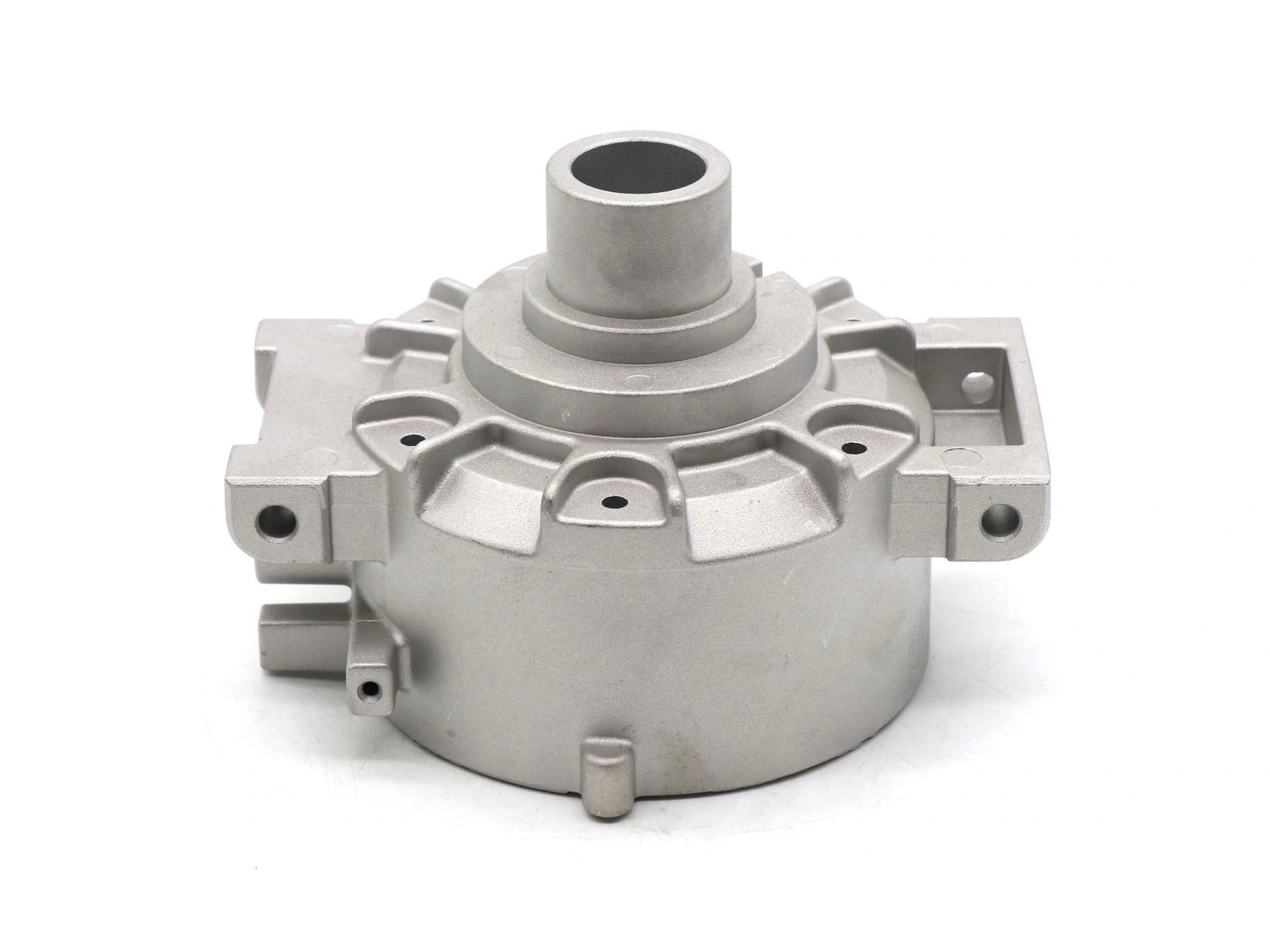
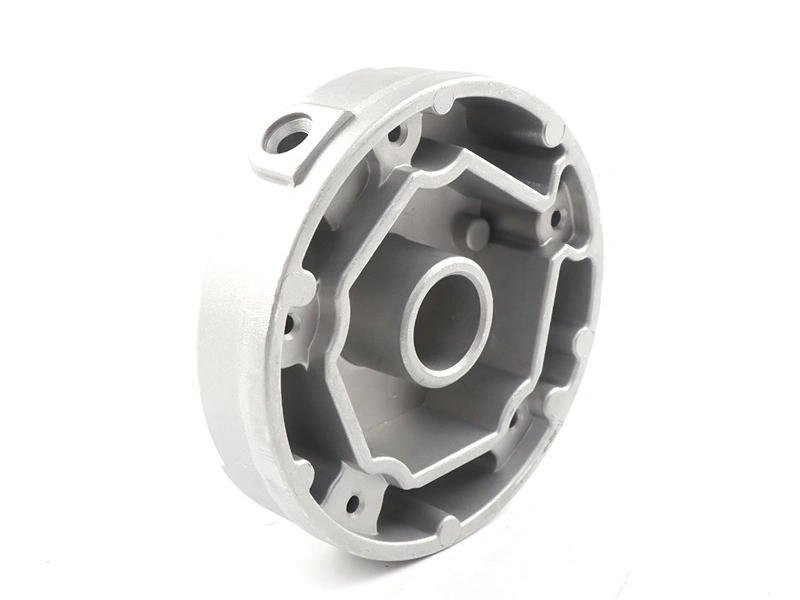
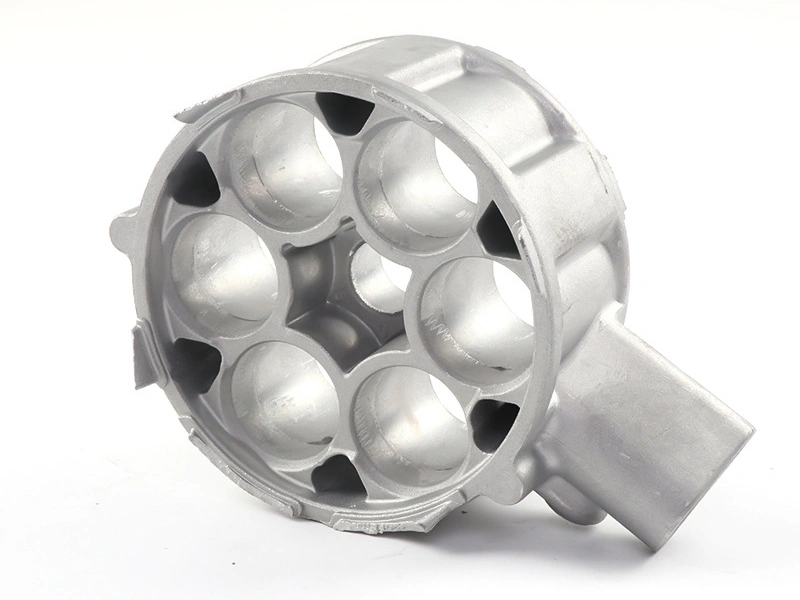
Design changes that reduce aluminum casting and machining cost include balancing wall thickness, coring heavy bosses, using ribs instead of solid mass, increasing radii, simplifying undercuts, reducing unnecessary tight tolerances, limiting CNC machining to functional features and separating visible surfaces from hidden surfaces. These changes reduce material, tooling, cycle time, machining and finishing cost.
The best design changes keep the part's function. Buyers should not remove a rib that controls stiffness or relax a hole position that controls assembly. A useful DFM review separates functional requirements from cost-driving geometry that can be modified without hurting performance.
Design cost reduction is most valuable before tooling. After die tooling or casting patterns are built, design changes may require tool modification. Early review gives the buyer more freedom to reduce cost while protecting the product.
For design-based savings, buyers can review how to improve aluminum die cast part design before mold making and how to reduce full CNC machining work on aluminum casting parts.
Useful DFM screening values include 1.5-3.0 mm walls for many HPDC geometries, 0.5-1.5 degrees external draft and 0.5-2.0 mm stock only where machining is required. The cost review should show which change reduces tool complexity, cycle time or CNC work and which drawing requirement remains protected.
Design Cost Reduction Table
Design Change | Cost Impact | Risk to Check |
|---|---|---|
Core heavy bosses | Reduces material and porosity risk | Thread strength and load path |
Add ribs instead of solid sections | Improves stiffness with less material | Flow, rib thickness and ejection |
Simplify undercuts | Reduces slide or secondary machining cost | Assembly feature and product function |
Relax non-critical tolerance | Reduces machining and inspection time | Do not relax datums or fit-critical features |
Limit machined surfaces | Reduces CNC cycle time and setups | Sealing, bearing and mounting surfaces must remain controlled |
Machining Cost and Design
CNC machining cost is strongly influenced by design. A part that needs machining on six faces, deep pockets, tight flatness and many threaded holes will cost more than a casting where only gasket faces, bores and selected holes are machined. Buyers should mark which features truly need machining.
Datum strategy matters. If the design does not provide stable datums, machining setup may become slow and inspection may become unstable. A small datum pad or fixture-friendly surface can reduce setup variation and improve repeatability.
Design should also reduce finishing rework. If a cosmetic face is placed on a difficult parting line, finishing labor may increase. If hidden areas are labeled with the same appearance standard as visible surfaces, coating and inspection cost rise. Surface classification should be part of DFM.
Design Changes That Need Validation
Some cost-saving design changes require sample validation. Coring a boss should be checked for thread strength and porosity. Reducing wall thickness should be checked for filling and stiffness. Relaxing tolerance should be checked against assembly. Simplifying finish should be checked against appearance and corrosion needs.
Buyers should approve updated drawings and sample reports before production. Otherwise, a cost-saving idea can create confusion between old and new standards.
Examples of Safe Design Cost Reduction
A housing can keep a machined gasket face but leave non-contact exterior walls as cast. A bracket can keep tight tolerance on mounting holes but relax tolerance on decorative ribs. A cover can keep powder coating on the visible exterior while using standard deburring inside. A boss can be cored while keeping enough material for thread engagement.
These changes are safe only when they are tied to function. The supplier should explain what is being changed, what cost driver is reduced and how the sample will be checked. Buyers should reject vague suggestions that remove cost without explaining risk.
Tooling Impact of Design Changes
Design changes can affect tooling cost. Removing an undercut may eliminate a slide. Moving a parting line may reduce finishing labor. Adding draft can improve release. However, late changes after tool construction can add cost, so DFM should happen before tooling approval.
Design Cost Reduction Risks
Design cost reduction can fail when the change removes hidden function. A boss may look too large but still carry thread load. A wall may look thick but protect stiffness. A surface may look cosmetic but serve as a datum. The supplier should ask why each feature exists before changing it.
Buyers should approve design changes with a revised drawing. Email comments alone are not enough for repeat production. The updated drawing should show which features changed, which tolerances changed and which surfaces remain critical.
Buyers should also ask whether each design change affects tooling, fixture or finish. A small geometry change can save machining time but require tool correction. The supplier should show the complete cost effect before approval.
That complete view prevents a local saving from becoming a tooling or delivery problem later.
It also protects launch timing.
Neway DFM Cost Review
Neway can review aluminum part designs for wall thickness, ribs, bosses, undercuts, machining allowance, surface finish and inspection. This review can reduce cost before the buyer commits to tooling or production fixtures.
The best DFM cost review produces specific drawing actions. Examples include core this boss, machine only this face, move this parting line away from the visible surface, relax this non-critical tolerance or add this datum pad for machining.