What Information Is Needed for an Aluminum Alloy Die Casting Quote?
What Information Is Needed for an Aluminum Alloy Die Casting Quote?
An aluminum alloy die casting quote needs a 3D model, 2D drawing, preferred alloy or open recommendation, equivalent approval rules, quantity, annual volume, application environment, machined features, finish requirements, pressure or leak requirements, inspection documents and delivery target. The supplier needs this information to quote tooling, casting, machining, finishing and inspection correctly.
Buyers should state whether A380, ADC12, A360, A413 or another direction is required. If the buyer allows supplier recommendation, the RFQ should say which performance goals matter. If equivalent material is allowed, the approval rule should be clear. Without material clarity, suppliers may quote different assumptions and prices cannot be compared fairly.
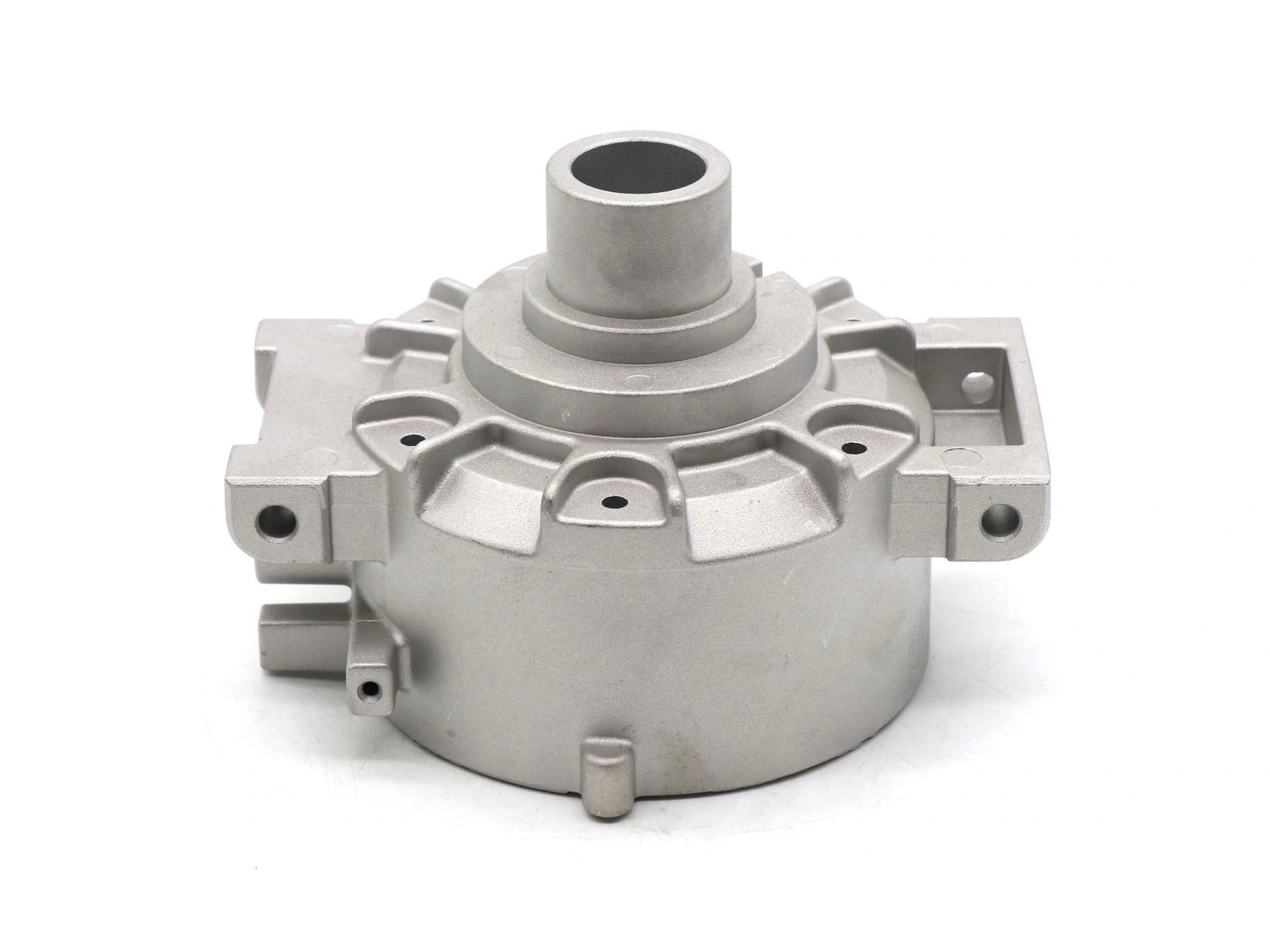
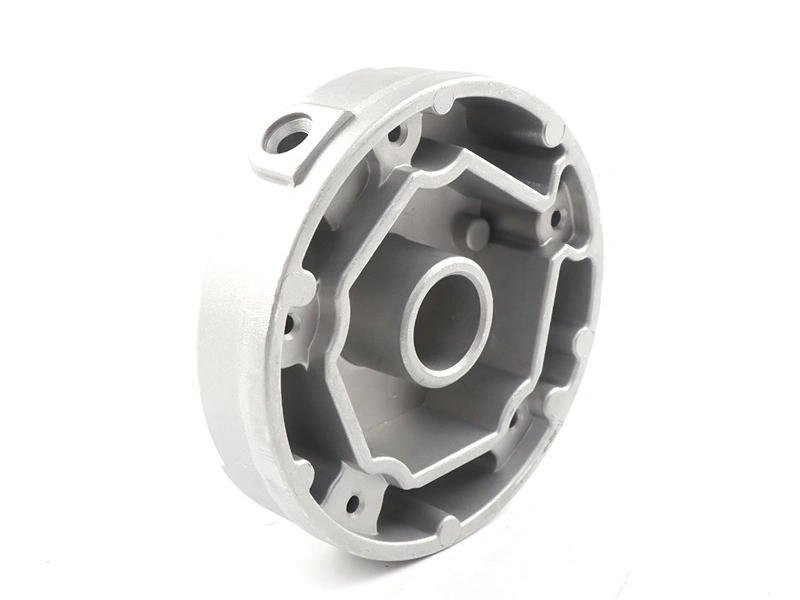
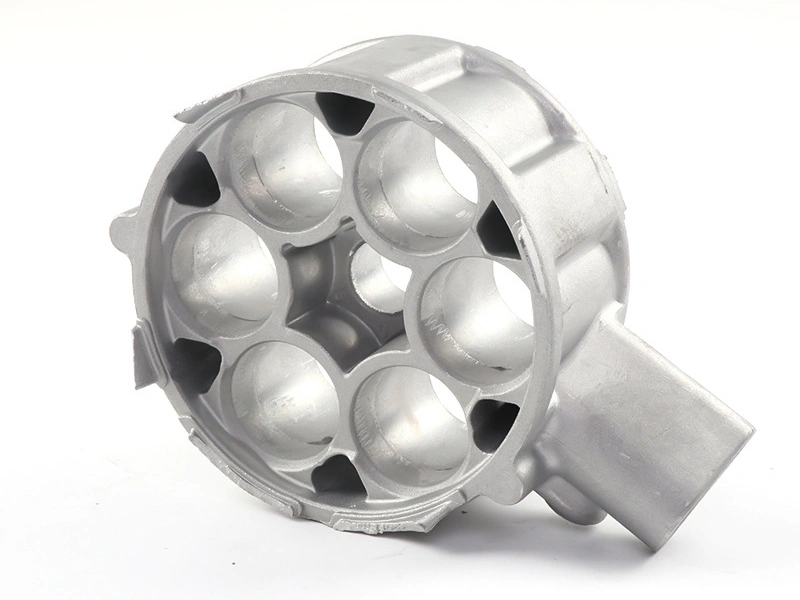
The RFQ should also define finished scope. A raw casting quote is different from a machined, coated and inspected production component. Many aluminum alloy die casting projects require CNC machining and surface finishing after casting, so those requirements should be visible from the start.
For RFQ preparation, buyers can review matching aluminum alloy die casting to product function and turning drawings into a production-ready aluminum die casting order.
RFQ Checklist for Aluminum Alloy Die Casting
RFQ Item | What to Provide | Why It Matters |
|---|---|---|
CAD and drawing | STEP or X_T model plus PDF drawing | Shows geometry, tolerance, datums and notes |
Alloy direction | A380, ADC12, A360, A413 or recommendation request | Controls material basis and quote comparison |
Production volume | Prototype, pilot and annual demand | Guides tooling level, cavity count and unit cost |
Machined features | Threads, bores, sealing faces and datums | Controls allowance, fixture and inspection |
Finish | Deburring, blasting, painting, powder coating or raw | Controls surface preparation and masking |
Inspection | Material record, CMM, gauges, leak test or visual standard | Defines first article evidence |
Questions to Ask Suppliers
Buyers should ask why the alloy is recommended, whether equivalents are allowed, which tooling risks are expected, which features need CNC machining, what finish preparation is included and what reports come with first samples. These questions reveal whether the supplier has reviewed the project as a finished-part route.
Buyers should also ask how corrections will be handled after trial samples. If porosity appears on a machined face, or coating fails on a visible surface, the supplier should identify whether the correction is material, design, tooling, process or finish related.
The buyer should ask whether trial corrections are included in the quote or handled separately. Normal die trial adjustment is common, but major design changes, new sliders or changed finish requirements may affect cost and lead time.
Sample Approval Requirements
Sample approval should include the final condition required by the buyer. If the part will be cast, machined, coated and inspected, the first article should prove all of those steps. A raw casting does not prove threads, gasket faces, coating, masking or assembly fit.
For repeat production, the approved sample should be tied to drawing revision, alloy, tool condition, machining fixture, finish sample, inspection plan and packaging. This protects later orders from drifting away from the original approval.
Material records should also match the approved sample. If the supplier changes alloy direction during later production, the buyer should review machining, finish and documentation again before accepting the change.
Quote Comparison Warning
Buyers should compare quotes only after the technical scope is aligned. A quote for raw A380 castings, a quote for ADC12 machined and powder coated parts, and a quote with CMM and material reports included are not the same offer. Scope alignment protects purchasing decisions.
Buyers should also ask what is excluded. A supplier may omit coating, material reports, trial corrections, special packaging or machining inspection. Exclusions should be visible before the buyer compares price or lead time.
Revision Control for RFQ
The RFQ should identify the active drawing revision. A changed rib, boss, hole, wall thickness, material note or finish requirement can affect alloy choice and tooling. If the model changes after quotation, the supplier should reconfirm cost, tooling and lead time.
Buyers should also state whether the project is prototype, pilot or production. Prototype parts may need fast validation, while production parts need stable tooling, material records, inspection plans and repeatable finish standards. If the buyer needs long-term supply, the RFQ should include expected annual volume and repeat order rhythm.
That volume information helps the supplier recommend cavity count, tool life, machining fixture level and inspection frequency.
Buyers should also provide any old quality issues, such as porosity on machined faces, coating scratches, thread failure or dimensional drift. Those details help the supplier focus the quote on the real risk.
This makes the first quote more useful.
It reduces revision loops.
Neway RFQ Support
Neway can review aluminum alloy die casting RFQs through aluminum die casting, tool and die making, CNC machining and surface finishing. The review can clarify material, tooling, machining, finish and inspection scope.
The best quote gives buyers a controlled manufacturing plan. It should make the alloy assumption, tooling route, secondary operations and approval evidence clear before the project starts.