What Information Is Needed for an HPDC Aluminum Quote?
What Information Is Needed for an HPDC Aluminum Quote?
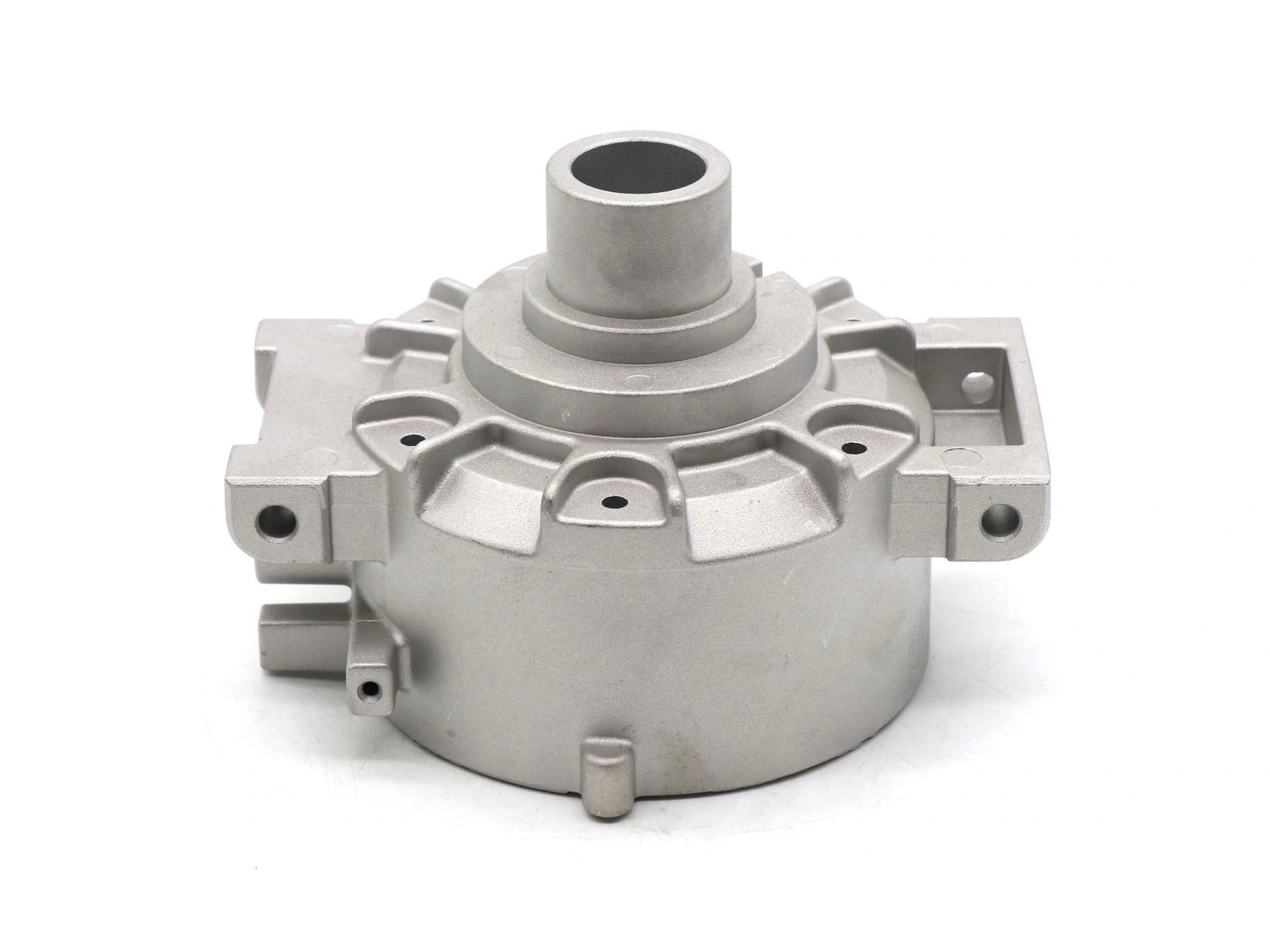
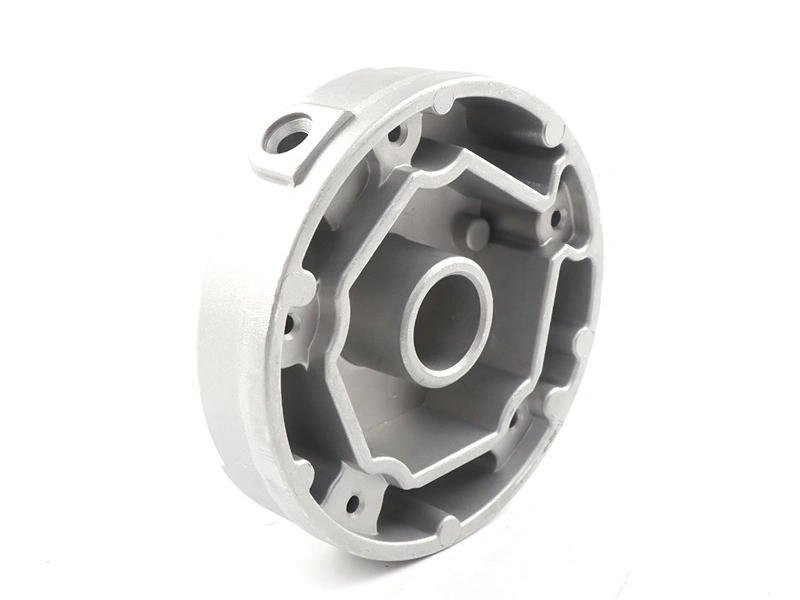
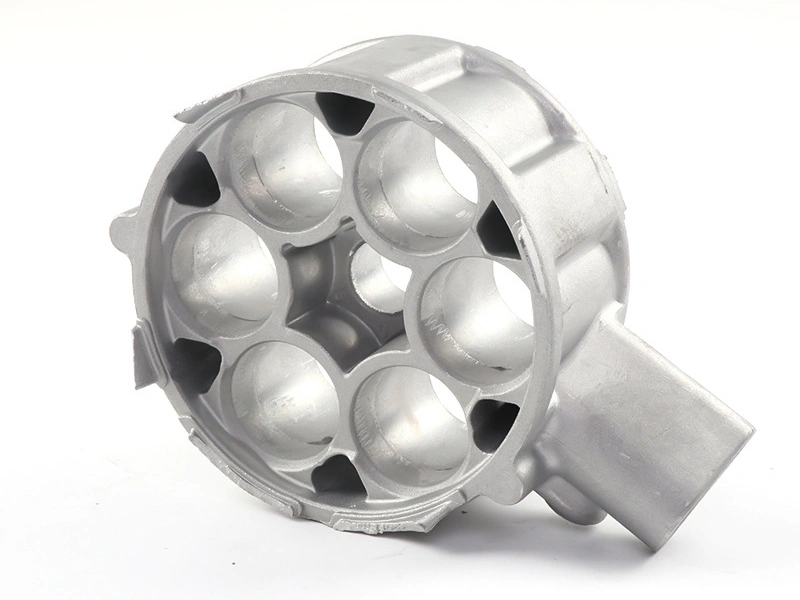
An HPDC aluminum quote needs a 3D model, 2D drawing, alloy target or open recommendation, first order quantity, annual volume, critical dimensions, machined features, surface finish, porosity-sensitive areas, inspection requirements, packaging needs and delivery target. The supplier uses this information to quote tooling, casting, trimming, CNC machining, finishing and quality control accurately.
Buyers should state whether they need raw die castings, machined die castings, finished coated parts or assembly-ready components. These are different quote scopes. A raw casting quote will not include the cost of threaded holes, gasket-face machining, powder coating, leak testing or protective packaging unless the buyer asks for those operations.
If the buyer is unsure about alloy, the RFQ should ask for a recommendation based on function. A380 or ADC12 may fit many general production parts. A360 or A413 may be reviewed for selected corrosion, fluidity or pressure-related requirements. The supplier should explain the alloy assumption so quotes are technically comparable.
For HPDC quote preparation, buyers can review how to order aluminum die casting services and how drawings become a production-ready aluminum die casting order.
HPDC Aluminum RFQ Checklist
RFQ Item | What to Provide | Why It Matters |
|---|---|---|
3D and 2D files | STEP or X_T model plus PDF drawing with revision | Shows geometry, tolerances, datums and finish notes |
Alloy direction | A380, ADC12, A360, A413 or supplier recommendation | Controls castability, cost, machining and finish behavior |
Quantity and annual volume | Prototype quantity, pilot order and repeat demand | Guides tooling level, cavity count and unit cost |
Machined features | Threads, bores, gasket faces, datums and mounting holes | Controls machining allowance, fixtures and inspection |
Porosity-sensitive zones | Pressure walls, sealed areas, machined sealing faces and leak paths | Guides tooling, process control and test method |
Surface finish | Deburring, blasting, painting, powder coating or raw | Controls masking, cosmetic standard and handling protection |
Inspection requirement | FAI, CMM, gauges, leak test, X-ray or coating check | Defines approval documents and quality workload |
What Buyers Should Ask Suppliers
Buyers should ask which alloy is assumed, how many cavities are expected, whether slides or inserts are needed, which features will be machined, how porosity-sensitive areas will be controlled, what finish preparation is included and what inspection reports come with first samples. These questions reveal whether the supplier has reviewed the part or only priced a generic die casting operation.
It is also useful to ask how the project will move from trial sample to production release. The supplier should explain tooling trial, dimensional inspection, machining validation, surface finish approval, correction loop and production standard. For HPDC aluminum, sample approval should include the finished condition if the buyer needs machined and coated parts.
The buyer should ask whether the quote includes die trial corrections. Some corrections are normal after first shots, but major design changes, new sliders or changed finish requirements may affect cost and lead time. Clarifying this point avoids disagreement when the first sample reveals a drawing or tooling issue.
Documents That Improve Quote Accuracy
Quote accuracy improves when buyers provide application notes, mating part information, finish samples, old inspection reports, assembly photos or failure history from a previous supplier. For example, if an old die cast cover leaked after machining, that history helps the new supplier focus on porosity near the gasket face. If an old coating chipped at corners, the supplier can review edge radius, surface preparation and packaging.
Buyers should also send revision updates carefully. A small change to a rib, boss, wall thickness or hole position can change tooling, flow, machining fixture and cost. The RFQ should identify the active revision so the supplier does not quote an obsolete model.
For projects with previous production history, old sample photos and quality problems can be valuable. If the previous supplier had leakage, coating bubbles, broken bosses or unstable hole positions, those details help the new supplier focus the HPDC review on the real pain points rather than starting from a clean but incomplete drawing.
The RFQ should also identify any customer or industry standard that controls acceptance. This may include coating thickness, visual class, leak rate, material documentation, RoHS-style material restrictions or a specific first article report format. Standards affect both quotation and approval timing.
When these standards are missing, suppliers may quote the same geometry with different quality assumptions. Clear standards make the quotation more reliable and reduce approval disputes.
Neway HPDC RFQ Support
Neway can review HPDC aluminum RFQs through aluminum die casting, tool and die making, CNC machining, post-process finishing and inspection. The review can turn the buyer's files into a manufacturing plan that names the alloy direction, tooling route, machined features, finish standard and inspection method.
The most useful quote is one the buyer can compare and approve. It should show what is included, what remains open, which risks need sample validation and what evidence will be provided before production release. That clarity reduces late scope changes and helps HPDC aluminum projects move from RFQ to stable production.