What Information Is Needed to Quote A360 Die Cast Parts?
What Information Is Needed to Quote A360 Die Cast Parts?
To quote A360 die cast parts, buyers should provide the 3D model, 2D drawing, A360 material requirement, allowed equivalents, application environment, corrosion or pressure reason, quantity, annual volume, machined features, surface finish, leak test requirement, inspection needs and target delivery schedule. The supplier needs to know why A360 is being requested and what evidence the finished part must provide.
If A360 is specified because of corrosion or sealing risk, that reason should be stated clearly. If the buyer is open to A380, A413 or ADC12 alternatives, the RFQ should say so. Without these notes, suppliers may quote different material assumptions, making price comparison unreliable.
The RFQ should define finished-part scope: raw casting, machined casting, coated part, inspected part or assembly-ready component. A360 material choice is only one part of the manufacturing route.
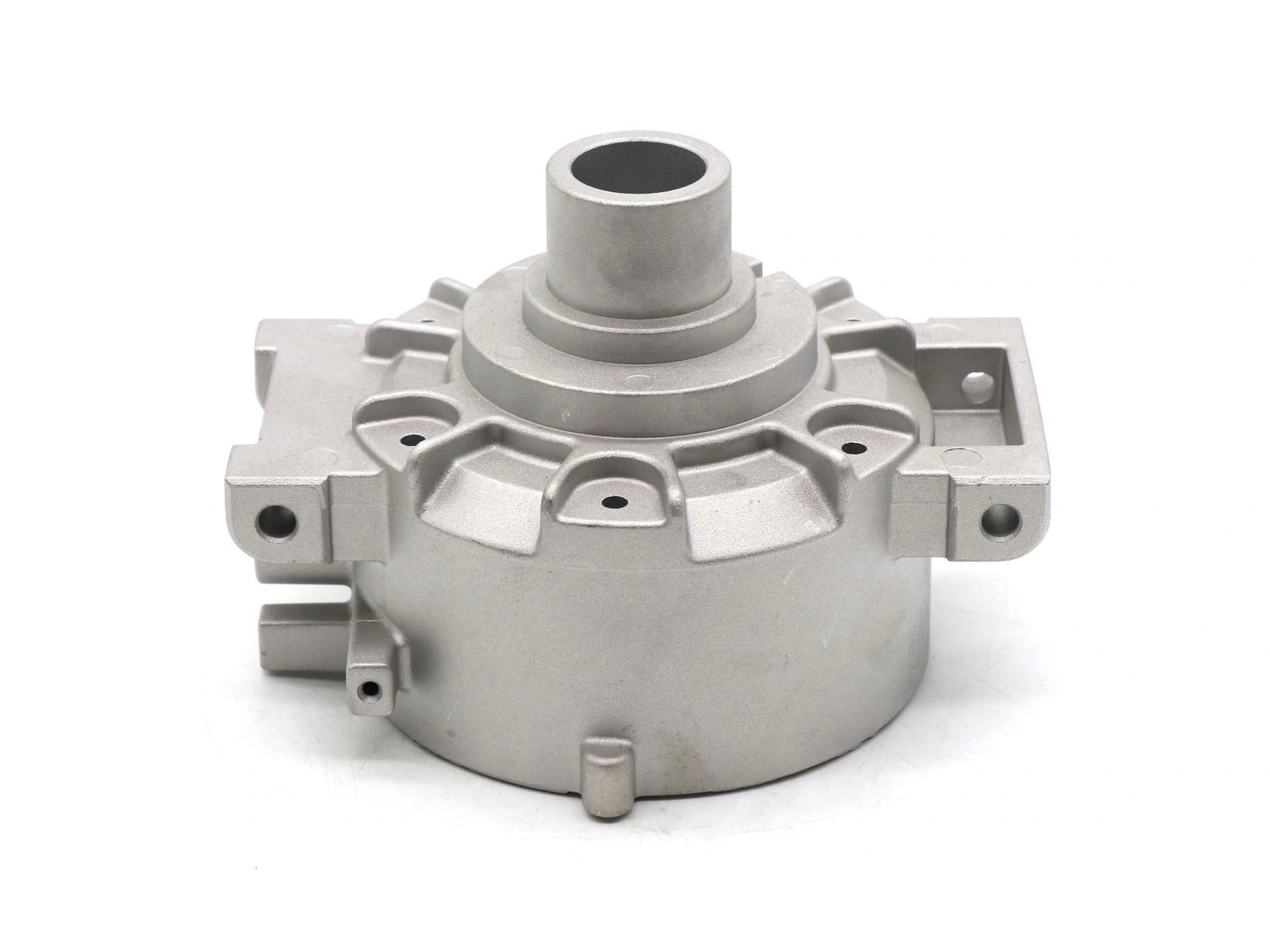
For A360 RFQ preparation, buyers can review A360 aluminum die casting details and alloy selection impact on machined features and assembly fit.
A360 RFQ Checklist
RFQ Item | What to Provide | Why It Matters |
|---|---|---|
Material callout | A360 or approved equivalent rule | Controls material selection and certificate |
Application environment | Outdoor, humid, fluid or protected use | Explains corrosion requirement |
Leak or pressure need | Pressure, medium, duration and acceptance | Defines test and porosity risk |
Machined features | Threads, bores, gasket faces and datums | Controls machining and inspection |
Finish | Powder coating, painting, anodizing review or raw | Controls appearance and protection |
Inspection | CMM, gauges, leak test, finish report | Defines approval evidence |
Questions to Ask the Supplier
Buyers should ask whether A360 is necessary for the application, how it compares with A380 for the part, whether material certificates are available, how porosity will be controlled and what sample tests are recommended. They should also ask whether the quote includes machining, finishing and inspection.
If the supplier proposes another alloy, the recommendation should explain cost, performance and risk differences. Equivalent material changes should not be silent.
Sample Approval for A360 Parts
Sample approval should include the operations that matter in production. For a sealed A360 cover, buyers should review the machined sealing face and leak test if required. For a powder coated outdoor housing, buyers should approve coating appearance, masking and packaging. For threaded parts, buyers should check gauge results after final processing.
Neway can review A360 die cast part RFQs with material, tooling, casting, CNC machining, surface finishing and inspection together. A complete RFQ helps buyers confirm whether A360 is justified before tooling approval.
Quote Comparison Warning
Buyers should compare A360 quotes by finished-part scope. One supplier may include A360 material, tooling, CNC machining, powder coating and leak testing. Another may quote raw castings only or propose A380 as an alternative. These quotes cannot be compared by unit price until the scope and material basis are aligned.
The buyer should ask each supplier to state the alloy, equivalent rule, included secondary operations, inspection reports and sample approval route. This helps separate a lower true cost from an incomplete quote.
Records After A360 Approval
After A360 is approved, buyers should keep the material record, sample report, machining report, finish sample, leak test result if required and inspection plan. These documents should follow repeat orders. If a future supplier proposes another alloy, the buyer can compare it against the approved A360 reason.
For production programs, the RFQ should also ask how material traceability is handled. This matters when the part was specified as A360 for corrosion or pressure-related performance rather than general cost.
What the RFQ Should Not Assume
The RFQ should not assume A360 automatically includes leak-proof casting, corrosion protection or finished-part quality. Those results require design review, tooling, machining, coating and inspection. If the buyer expects a pressure test, coating thickness report, CMM report or material certificate, those requirements should be written in the RFQ.
The RFQ should also avoid hiding equivalent material decisions. If A360 is mandatory, say so. If equivalents can be reviewed, state the approval condition. This helps suppliers quote honestly and prevents material disputes after samples are produced.
Buyer Check Before Placing an Order
Before placing an A360 order, buyers should confirm that the quote includes the alloy, tooling assumptions, machining, finishing, inspection, sample approval route and repeat production records. If any item is unclear, it should be clarified before tooling begins.
This check protects the buyer from paying for A360 material without receiving the evidence that justified choosing A360 in the first place.
Minimum Document Package
A minimum A360 quote package should include the 3D file, 2D drawing, material standard, application environment, finish requirement, critical machined features, inspection method and quantity. If leak testing or corrosion testing is required, the standard should be included before quotation. If the buyer wants supplier advice, the RFQ should ask for A360 compared with A380 or another alternative.
This document package helps the supplier quote the real finished part and helps the buyer compare suppliers on the same basis.
It also reduces avoidable requoting after DFM review.