What Is Aluminium Die Casting and When Should Buyers Use It?
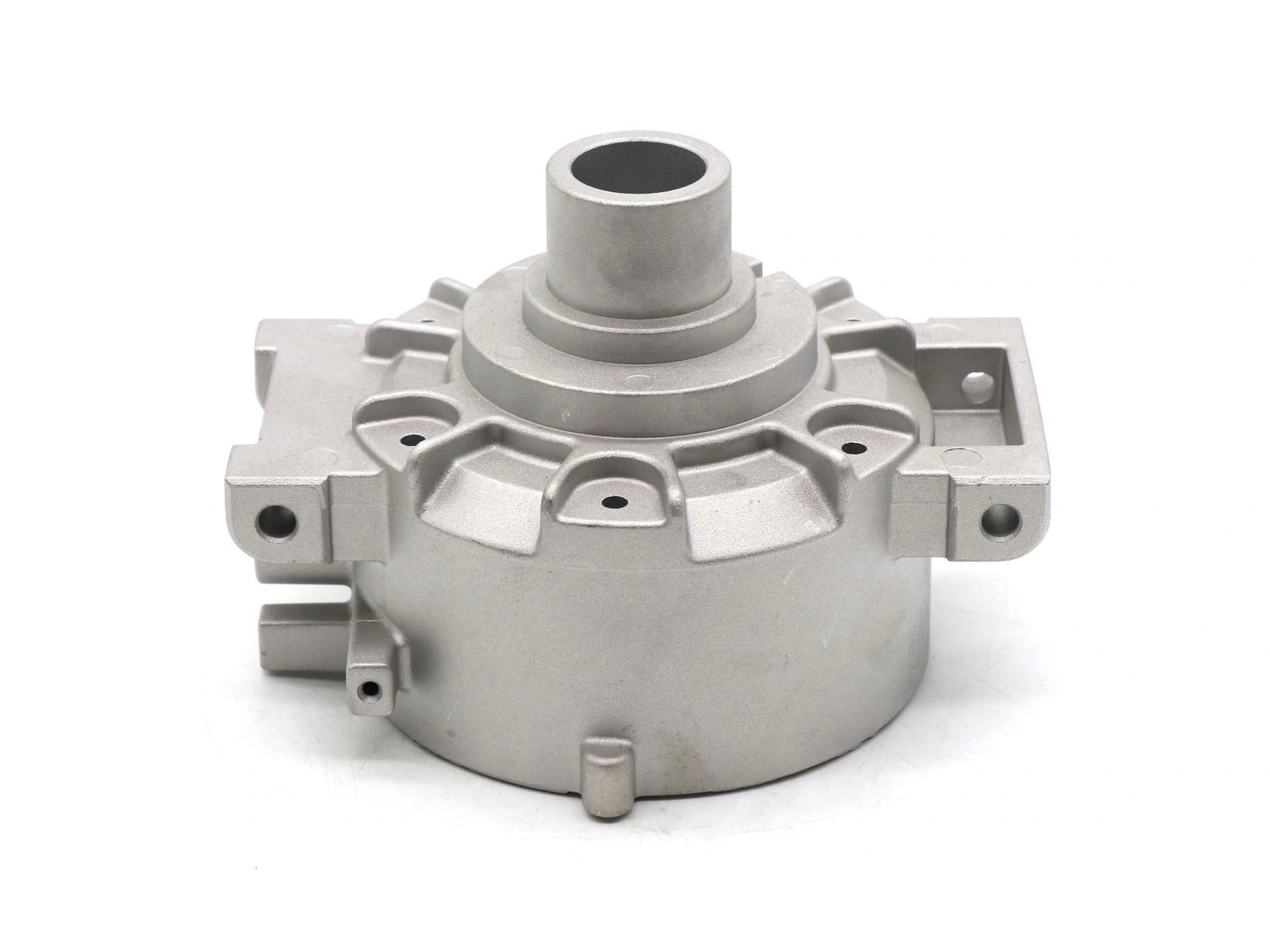
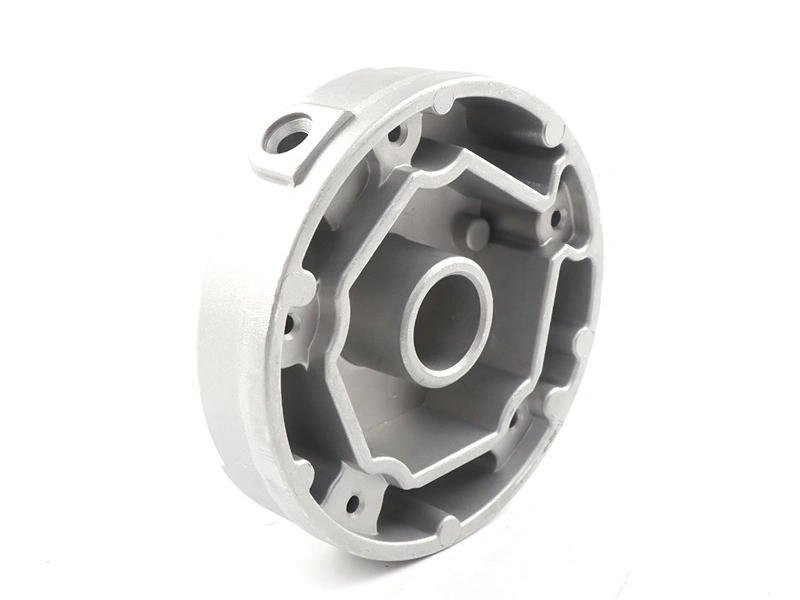
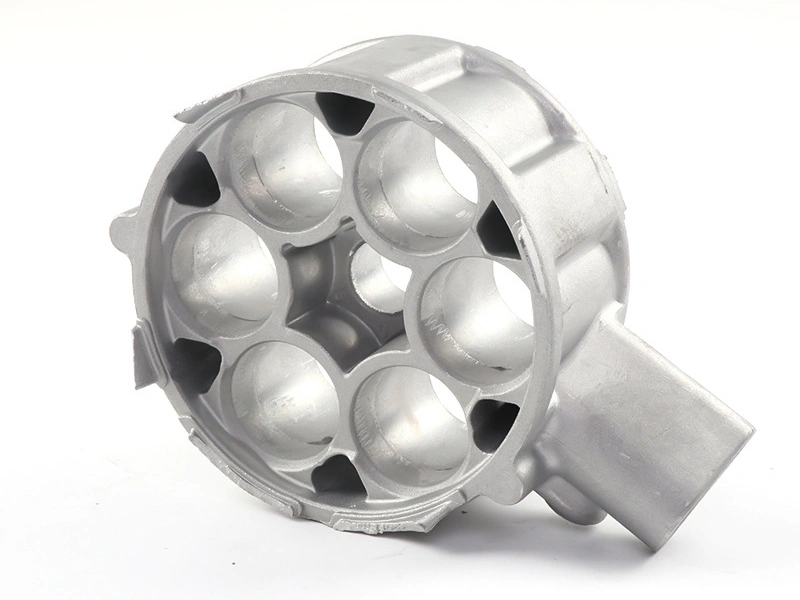
Aluminium die casting forms a part by forcing molten aluminium alloy into a reusable steel die, then ejecting and trimming the solidified casting. Buyers should use it when a stable design needs repeatable near-net geometry, lightweight metal construction and enough production demand to justify tooling. It is particularly relevant for shell-like housings, covers, brackets, frames and thermal components that can integrate walls, ribs, bosses and mounting features.
Use it when the tool can create real product value
The value is not simply that aluminium is lighter than many steels. Die casting can place material along walls and ribs instead of starting from a solid block, and it can form repeated features that would otherwise require machining or assembly. That advantage grows when the design remains stable over repeated orders. The part still needs draft, a feasible parting line, ejection support, gate/overflow space and manageable flow lengths.
Good candidates often have a substantial machining burden in billet form or several joined components that could become one casting. The consolidation decision must preserve serviceability, load paths and tolerances. A larger integrated casting can increase tool complexity or rejection consequence, so compare the complete assembly rather than assuming fewer part numbers always save cost.
Project condition | Why aluminium die casting may fit | Evidence before commitment |
|---|---|---|
Stable shell, housing or bracket geometry | A permanent die can repeat walls, ribs, bosses and openings | DFM review of draw, parting line, gates, ejection and trim |
Mass and stiffness both matter | Material can be distributed through sections and reinforcement | Load analysis plus representative part testing |
Repeated demand | Tooling effort can support recurring near-net production | Forecast range, batch pattern, capacity and tool-maintenance plan |
Only local features need generated precision | The body can remain cast while bores, faces or datums are machined | Stock, fixture, datum and final inspection plan |
Thermal enclosure or heat-spreading function | Fins, contact pads and mounting structure may be integrated | Alloy data, interface design and application-level thermal test |
Do not choose it from volume or weight alone
No universal quantity makes die casting economical. Break-even depends on tool architecture, cavity count, part mass, casting cycle, expected yield, CNC time, finish, inspection and design-change risk. A simple small tool and a large multi-slide die have different economics at the same demand. Request a total-cost comparison under stated forecast scenarios.
Likewise, a low-density alloy does not guarantee the lightest acceptable component. Wall thickness, ribs, joining features and required safety margin drive finished mass. The selected aluminium grade and casting route must meet actual load, temperature, corrosion and finish requirements. Use the broader aluminium die-casting project review before releasing a die.
Know when another route is better
CNC machining usually offers a cleaner path when the design changes frequently, demand is limited, or most surfaces require machined precision anyway. Gravity or low-pressure casting may better suit thicker sections, particular alloy/property requirements or lower-rate structural work. Fabrication may suit simple sheet or extrusion-based geometry. Zinc die casting can be considered for compact detailed parts where aluminium's lower density is not the governing need.
A prototype also needs the right route. A billet-machined model can answer fit and envelope questions, but it cannot validate HPDC flow, porosity, ejection or as-cast finish. If those variables determine the decision, use identified production-intent casting evidence. Aluminium die-cast prototype planning helps define what each sample can prove.
Screen for route-selection red flags
Reconsider conventional aluminium HPDC if the drawing mandates a wrought alloy or temper, if thick isolated sections dominate the part, if internal passages cannot be formed or cleaned, or if nearly every surface requires precision machining. Also review the consequence of gas porosity where welding, heat treatment, leak integrity or deep machining is required. These conditions do not always prohibit casting, but they demand a qualified route and explicit validation.
Ask what equipment and tool concept support the proposed envelope, projected area and cavity layout. Supplier capability is geometry- and machine-specific; a broad maximum-size claim does not prove suitable fill, clamping, extraction or thermal control for this part. Approve the process only after the machine assumptions, downstream operations and acceptance tests are visible.
Validate the finished route
Approve samples from the identified alloy, die revision, cavity and machine condition. Run the intended trimming, machining and finish operations before judging final dimensions, appearance, leakage or assembly. If a tool correction or process change affects a requirement, repeat the associated test rather than carrying approval forward by assumption.
For an RFQ, provide controlled CAD and drawing revisions, alloy specification or performance needs, demand range, operating environment, target mass, critical dimensions, machining, finish and test requirements. A qualified aluminium die-casting service should state its process assumptions and unresolved risks before quoting production readiness.
Buyer decision
Use aluminium die casting when permanent tooling can create repeatable lightweight geometry that reduces recurring machining or assembly, and when the design and demand are stable enough to support that investment. Choose another route when change flexibility, very low demand, thick-section behavior or a different material condition governs. Confirm the decision with project-specific DFM, economics and finished-part validation.