What Material Properties Matter Most for Aluminum Die Casting?
What Material Properties Matter Most for Aluminum Die Casting?
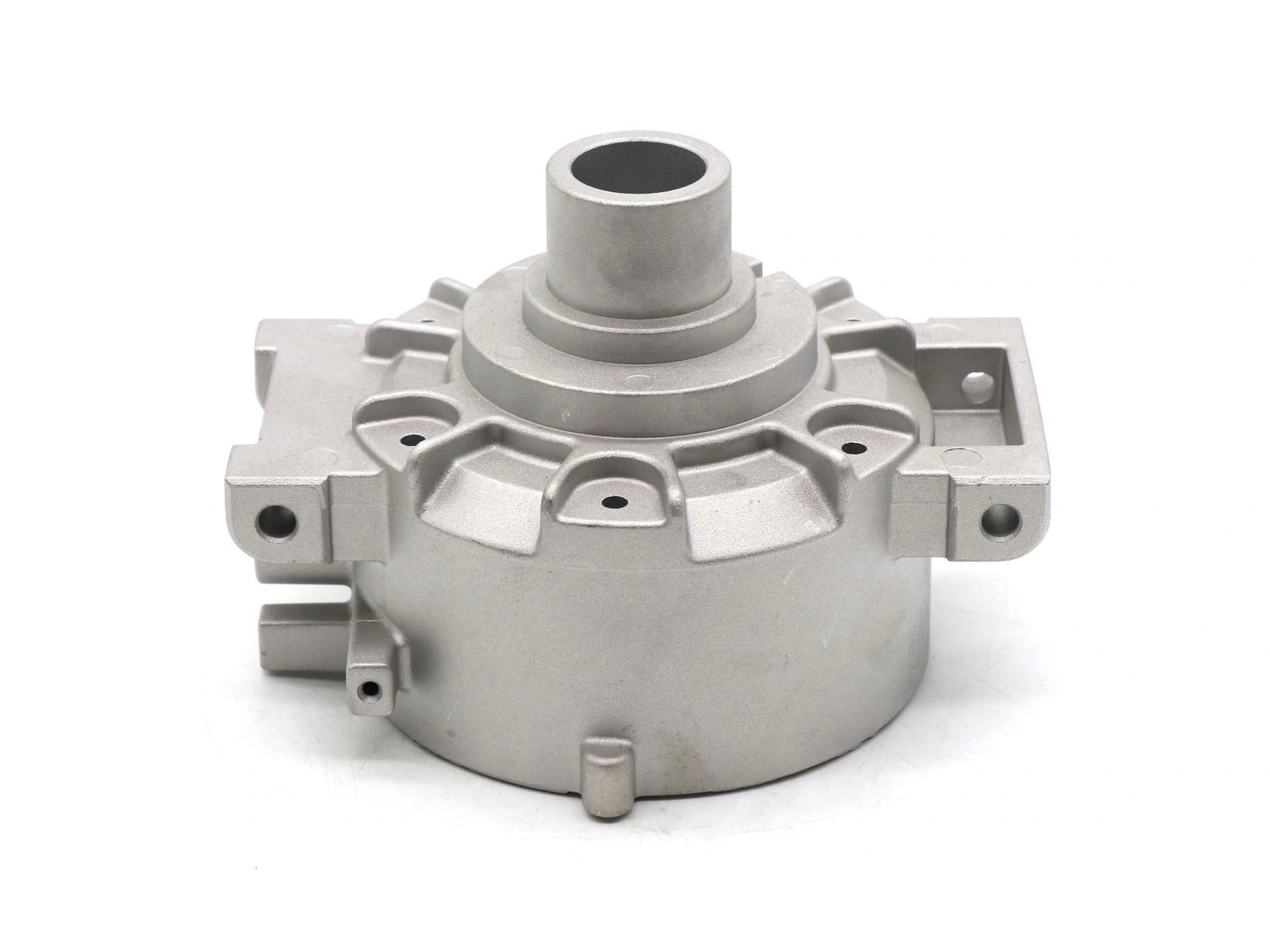
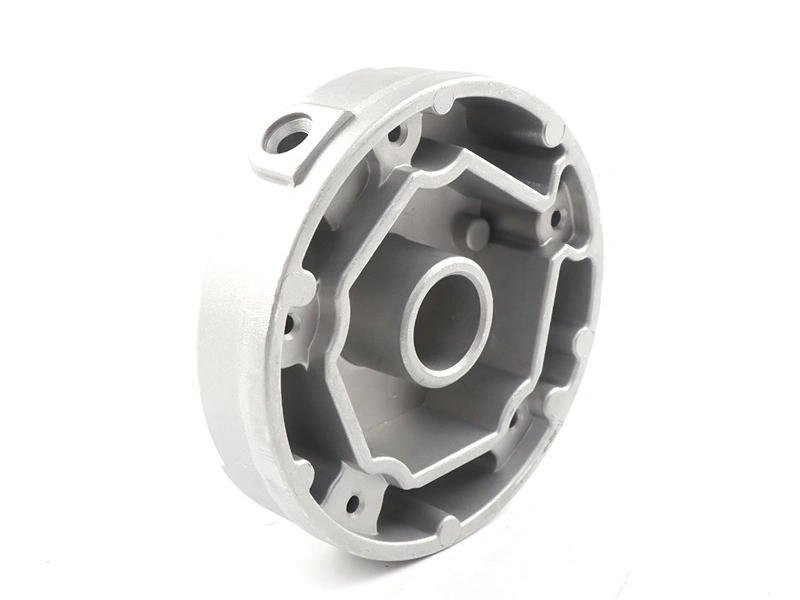
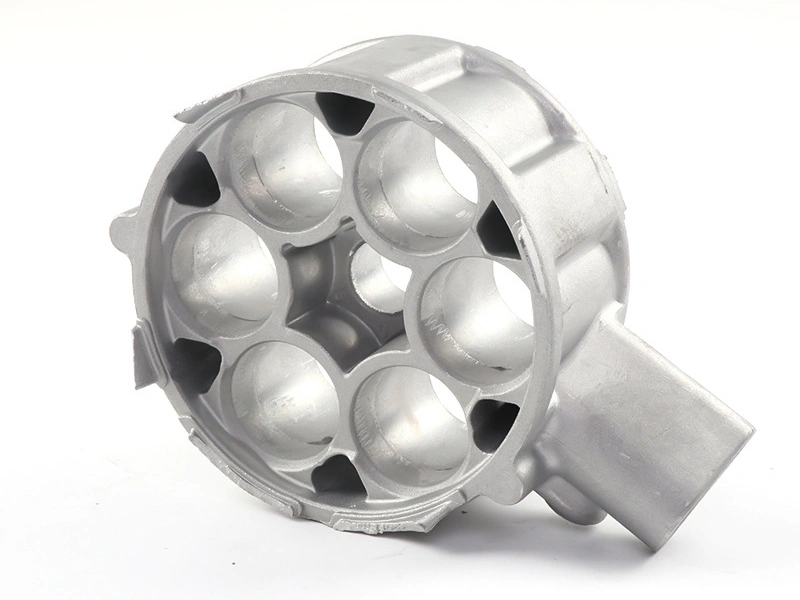
The material properties that matter most for aluminum die casting are fluidity, strength, hardness, ductility, corrosion resistance, thermal behavior, pressure tightness direction, machinability, dimensional stability and surface finish compatibility. Buyers should also review how the alloy behaves during casting, machining and finishing because the finished part is affected by the whole manufacturing route.
A property table can be useful, but it does not replace part review. Tensile strength may matter for a load-bearing bracket, but fluidity may matter more for a thin-wall housing. Corrosion behavior may matter for an outdoor enclosure. Machinability and porosity control may matter for a sealing face. The key is to decide which properties actually affect the application.
Aluminum die casting materials also interact with design. A strong alloy cannot rescue a boss with poor wall transition. A corrosion-resistant alloy still needs suitable coating if the environment is aggressive. A high-fluidity alloy still needs proper gating and venting. Buyers should ask the supplier to connect material properties to actual features on the drawing.
For material-property decisions, buyers can review how alloy selection affects machined features and assembly fit and how to choose die-cast aluminum material for custom parts.
Property-to-Buyer-Risk Table
Material Property | Why It Matters | Buyer Should Confirm |
|---|---|---|
Fluidity | Helps fill thin walls, ribs and complex shapes | Minimum wall thickness and flow length |
Strength | Supports brackets, bosses and load areas | Load path, wall transitions and fasteners |
Corrosion resistance | Affects outdoor and humid applications | Environment, coating and salt exposure if relevant |
Machinability | Affects threads, bores and sealing faces | Machined features and burr control |
Thermal behavior | Important for heat sinks and electronic housings | Contact faces and operating temperature |
Finish compatibility | Controls painting, powder coating or anodizing results | Visible surfaces and accepted defect level |
Fluidity and Thin-Wall Features
Fluidity affects how well molten aluminum fills narrow ribs, thin covers, bosses and long flow paths. High pressure die casting can produce complex shapes, but the alloy still influences filling behavior. A part with thin walls and detailed ribs may need a material direction with strong casting behavior, along with suitable gate and vent design.
Buyers should avoid reducing wall thickness only to save weight unless the supplier confirms castability. Thin areas can create cold shuts, short shots, weak edges or finish defects. Material choice and DFM review should be handled together.
Strength, Hardness and Ductility
Strength and hardness matter for brackets, handles, mounting bosses and wear contact areas. Ductility matters when the part may see impact, vibration or assembly stress. The drawing should show load-bearing features and fastener locations so the supplier can judge whether the material and design support the application.
Buyers should not judge strength by alloy grade alone. Rib design, wall transitions, corner radii, porosity level and machining location can be just as important. A strong alloy with poor geometry may still crack or deform.
Corrosion and Finish Response
Corrosion resistance matters for outdoor lighting housings, pump covers, marine-adjacent hardware and exposed industrial components. A360-style material direction may be reviewed when corrosion is important, while A380 or ADC12 may be acceptable for protected environments with suitable coating.
Finish response is also material-related. Painting and powder coating often work well with proper pretreatment, but decorative anodizing on die cast aluminum can be difficult. Buyers should state the finish expectation in the RFQ so the material choice is reviewed with the finishing route.
Machining and Dimensional Stability
Machining behavior matters when the part includes threads, bores, sealing faces or datum pads. The supplier should know which features will be machined so the casting can leave enough stock and avoid placing porosity in critical areas. Dimensional stability matters when the part must align with mating components over repeat batches.
Properties That Should Be Proven by Samples
Some properties can be reviewed on paper, but production approval should use physical evidence. Fluidity can be judged by whether the sample fills ribs and bosses cleanly. Machinability can be judged by thread quality, burr level and machined surface condition. Finish compatibility can be judged after real pretreatment and coating. Pressure-related behavior can be judged only when the sample is tested under a defined method.
Buyers should decide which properties need sample proof before launch. A decorative cover may not need leak testing, but it does need visible surface approval. A pump cover may not need a premium cosmetic standard, but it does need machined sealing faces and leak evidence. Matching the evidence to the application keeps the material decision practical.
Inspection should focus on the features that control assembly. CMM checks, thread gauges, plug gauges or fixture checks may be more useful than a long list of non-critical dimensions. Neway can connect material selection with post machining and inspection planning for finished aluminum die cast parts.
For repeat production, the buyer should keep the approved material property priorities in the release record. If corrosion was the reason for choosing the alloy, finish and exposure requirements should remain visible. If machinability drove the choice, the machined features and gauges should stay locked for future batches.