What RFQ Information Helps Suppliers Find Aluminum Part Cost Reduction?
What RFQ Information Helps Suppliers Find Aluminum Part Cost Reduction?
Suppliers can find aluminum part cost reduction more effectively when buyers provide 3D models, 2D drawings, current cost problem, target cost, quantity, annual volume, material requirement, critical dimensions, machined features, finish standards, inspection requirements, application environment and allowed design-change limits. This information shows where cost can be reduced safely.
If the buyer only asks for a lower price, the supplier may reduce scope or quality without solving the real cost driver. A better RFQ asks for DFM and process recommendations while protecting functional requirements. The supplier can then review material, tooling, machining, finish and inspection as one manufacturing route.
Buyers should say what can change and what cannot change. Mounting interfaces, sealing faces and customer-facing surfaces may be fixed. Hidden ribs, boss geometry, non-critical tolerances and finish on hidden areas may be open for cost reduction.
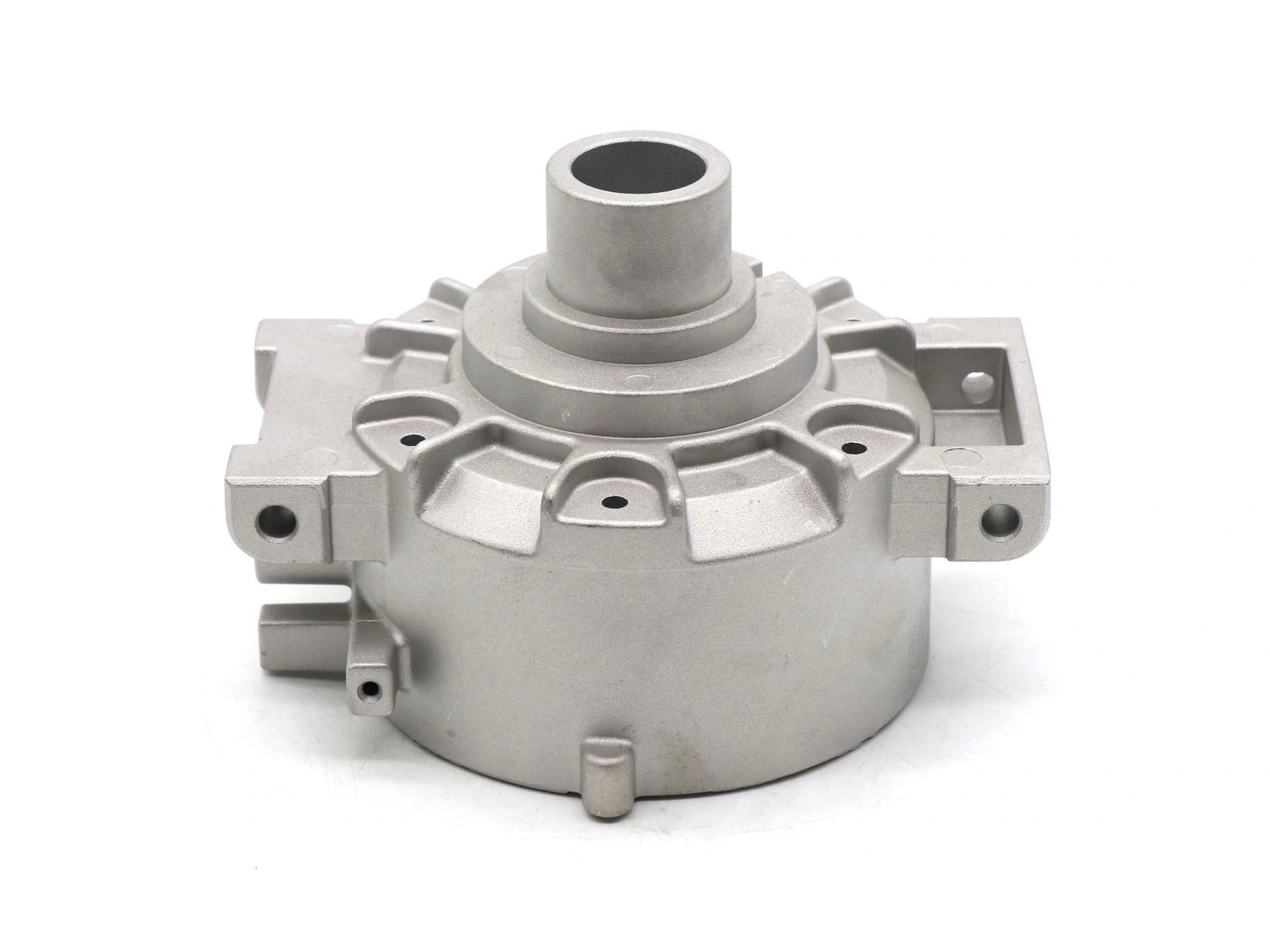
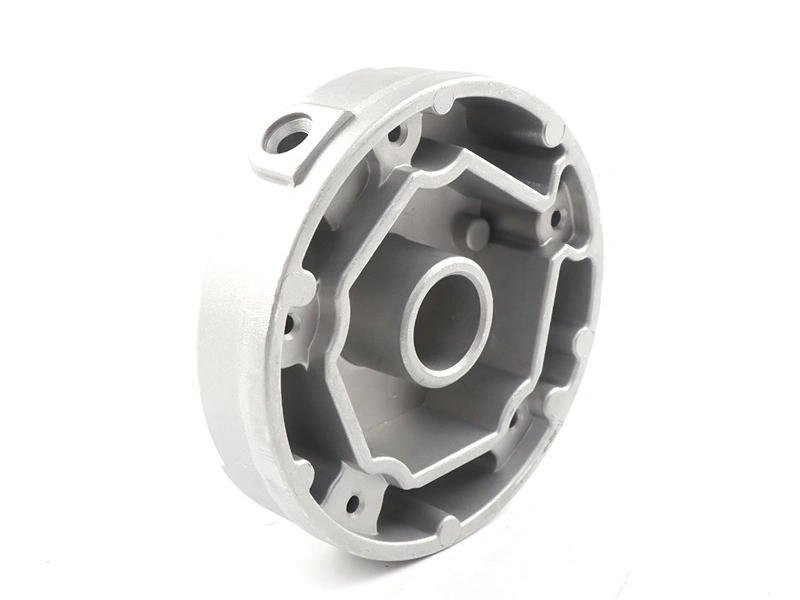
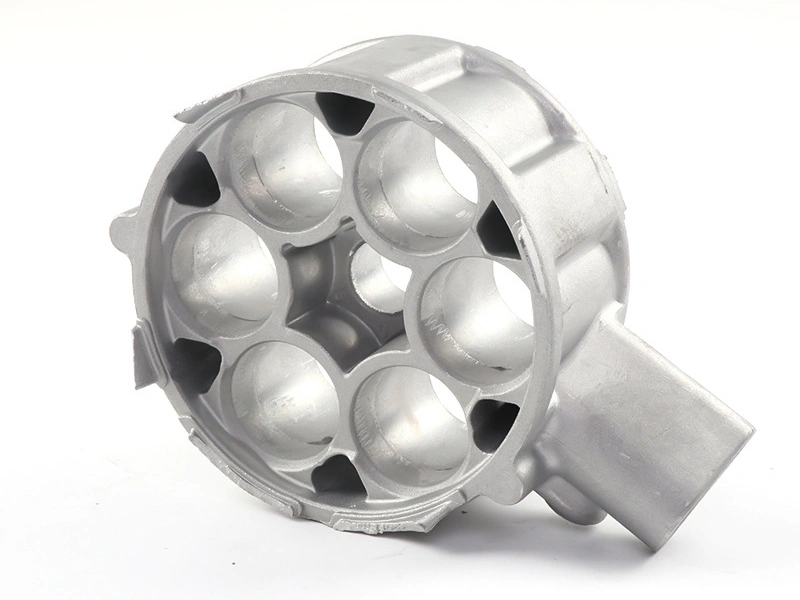
For RFQ cost analysis, buyers can review how to reduce unit costs in aluminum die casting parts and how buyers can reduce cost in aluminium die casting projects.
The RFQ should include the current process, annual volume, current part mass, machining time, finish, rejection reason and target delivered cost. Suppliers should identify whether savings come from material, cycle, tooling amortization, fewer setups or reduced inspection. This makes each proposal measurable and prevents a lower quote from silently reducing scope.
Ask suppliers to quote the same three volume points: 500 parts for the pilot, 5,000 parts per year and 25,000 parts per year. Require tooling, fixtures, unit processing, finishing, inspection and packaging as separate lines. The RFQ should also identify tolerances that may be relaxed and features that cannot change. A quote that reduces price by deleting a machined datum or coating inspection is a scope change, not a cost-reduction proposal.
Cost Reduction RFQ Checklist
RFQ Item | What to Provide | Why It Helps |
|---|---|---|
Current cost issue | Machining too expensive, tooling high, finish rework or inspection burden | Focuses the review |
Critical dimensions | Features that control fit, sealing or movement | Protects function while relaxing other areas |
Machining scope | Required holes, bores, faces and datums | Finds CNC cycle reduction opportunities |
Finish standard | Visible surfaces, color, masking and defect limits | Prevents over-finishing hidden areas |
Annual volume | Pilot and production quantities | Guides tooling and fixture investment |
Allowed changes | Design areas open to DFM improvements | Allows meaningful cost-saving proposals |
How to Review Cost Reduction Proposals
Buyers should ask each proposal to state the cost driver, recommended change, expected savings direction, risk and validation method. A proposal to remove machining should show how assembly still works. A proposal to change finish should show the new sample standard. A proposal to change alloy should show material approval and inspection impact.
Cost reduction should be validated through samples when the change affects function or appearance. The buyer should approve the updated drawing, sample report and production standard before repeat orders.
Buyers should ask suppliers to separate one-time savings from repeat savings. A tooling change may cost money upfront but lower unit cost later. A fixture may increase initial cost but reduce machining time. A finish simplification may reduce every batch. Understanding timing helps buyers make better decisions.
What Not to Hide in Cost Reduction RFQ
Buyers should not hide quality problems, assembly failures or old supplier issues. If a part had porosity, coating damage, thread failure or dimensional drift, the new supplier needs that information. Otherwise the cost reduction proposal may repeat the same mistake at a lower price.
Buyers should also provide target lead time and expected production rhythm. Rush schedules, tiny batches and frequent changes can increase cost even when the part design is efficient.
How Suppliers Should Present Cost Reduction Options
A supplier should present cost reduction options as engineering choices. Each option should name the change, affected cost driver, expected benefit, risk and validation evidence. For example, reducing machined surfaces should include an assembly check. Changing finish should include a sample. Changing material should include documentation review.
Buyers should prefer proposals that are specific and measurable. A vague promise to lower cost is weaker than a table showing reduced machining time, simplified masking, lower inspection frequency or better batch planning.
Controlled Specification for Cost-Reduced Parts
After approval, the cost-reduced version should have a controlled manufacturing specification. It should include drawing revision, accepted design changes, material, machining scope, finish sample, inspection plan and packaging. This keeps repeat orders aligned with the approved lower-cost process.
Cost Reduction RFQ Output
The supplier response should give buyers a practical action list. It should not only state a lower price. It should identify design changes, process changes, cost drivers, sample validation, tooling or fixture impact and expected production stage. This lets the buyer approve savings with engineering confidence.
Buyers should ask for alternatives when possible. One option may reduce cost by changing machining scope. Another may reduce cost by changing finish. A third may reduce cost by increasing batch size. Comparing options helps the buyer choose the safest saving.
The buyer should also ask which option can be implemented immediately and which requires tooling or drawing revision. This separates quick purchasing savings from engineering changes that need formal approval.
For production parts, the approved option should be tied to a drawing revision, verified sample results and repeat order standard so the saving can be reproduced.
This turns a one-time quote saving into a controlled production saving.
Neway RFQ Cost Reduction Support
Neway can review RFQs for cost reduction through aluminum die casting, CNC machining, post-process finishing and inspection planning. The review can identify whether savings should come from design, process route, machining scope, finish or inspection.
The best RFQ gives enough detail for a supplier to reduce cost without guessing. It protects critical features while giving room to improve manufacturability and total manufacturing cost.