What Should Buyers Prepare for Custom Aluminum Castings?
What Should Buyers Prepare for Custom Aluminum Castings?
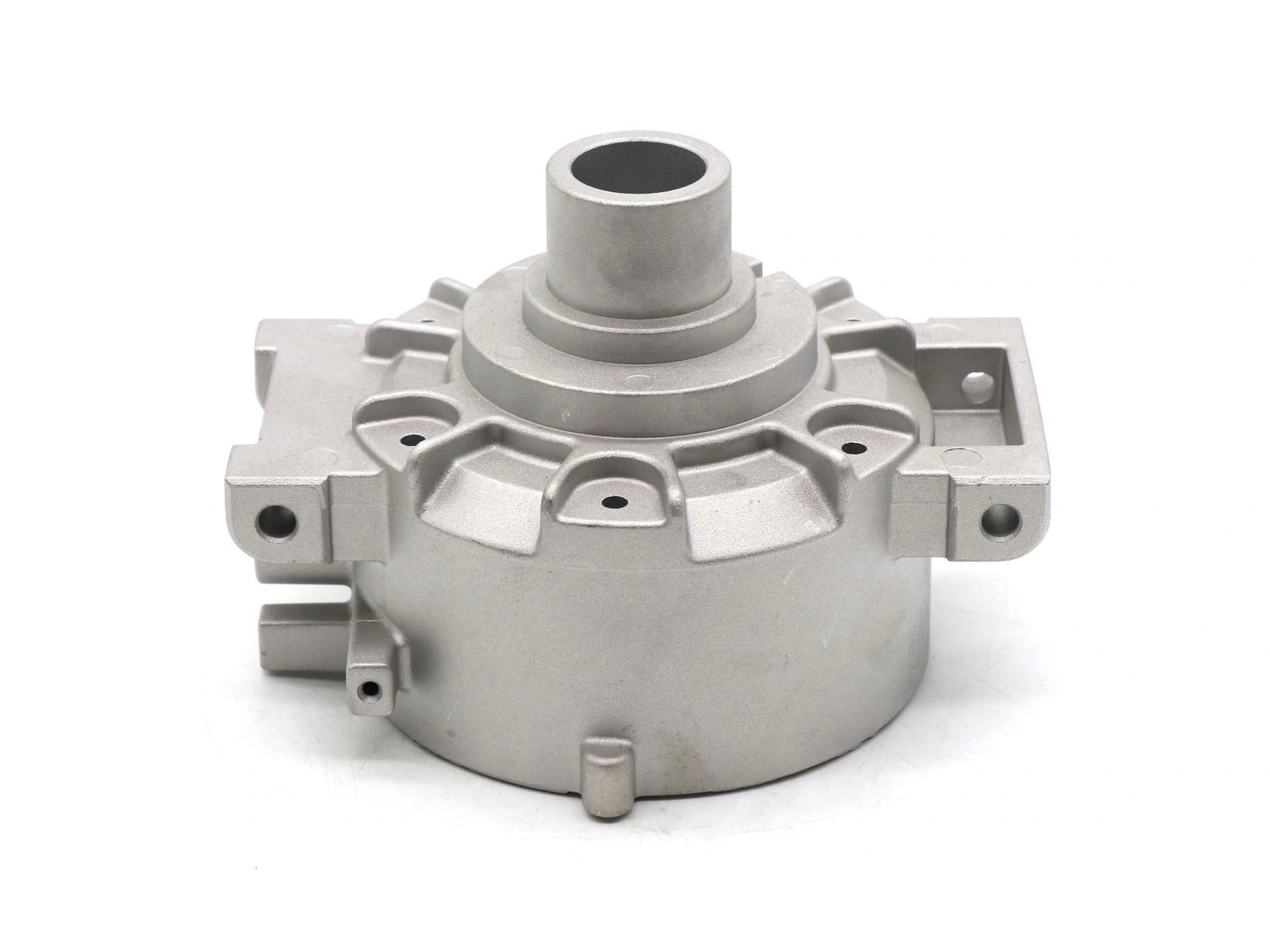
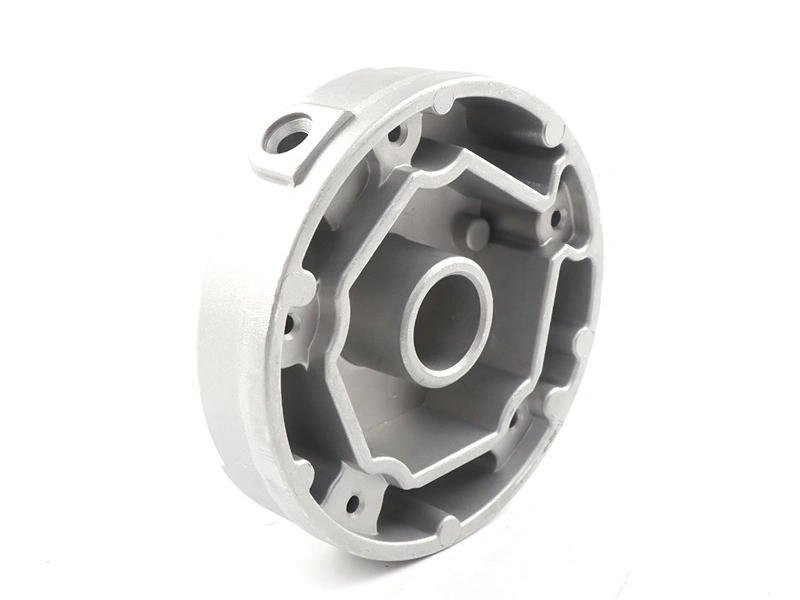
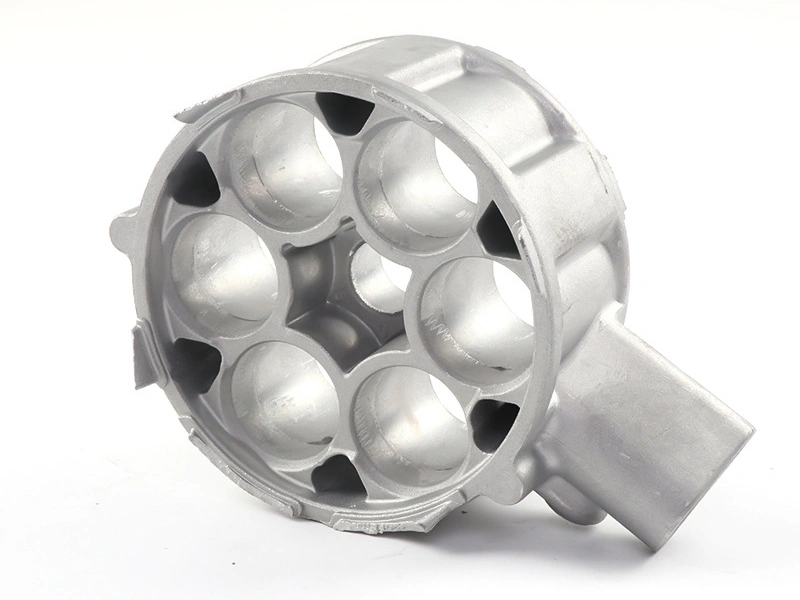
Buyers should prepare a 3D CAD model, a 2D drawing, material direction, prototype or production quantity, annual demand, application environment, critical dimensions, machined features, surface finish, inspection needs and delivery target before asking for custom aluminum castings. This information allows the supplier to judge whether the part should use aluminum die casting, sand casting, gravity casting, prototype casting or a combined route with CNC machining and surface finishing.
The preparation should describe the finished part, not just the raw shape. A cast aluminum cover with a machined gasket face, M5 threaded holes, black powder coating and a leak test is a different sourcing task from a rough cast blank. If the RFQ only includes a STEP file and a quantity, the supplier must guess the alloy, tolerance, finish and inspection level. That creates quote gaps and can cause expensive changes after the first sample.
For buyers who want finished custom aluminum castings, the clearest starting point is a drawing package that separates as-cast surfaces from machined surfaces. Threaded holes, bearing bores, sealing faces, datum pads, mounting slots and cosmetic faces should be marked. If the buyer already knows a preferred material such as A380, ADC12, A360 or A356-T6, that should be stated. If the buyer is open to engineering recommendation, the RFQ should say so directly.
For preparation, buyers can review how to confirm a custom aluminum die casting project is ready for tooling and how to order aluminum die casting services for custom production parts.
Buyer Preparation Checklist for Custom Aluminum Castings
Information to Prepare | Why the Supplier Needs It | Good Buyer Note |
|---|---|---|
3D CAD file | Shows geometry, wall thickness, ribs, bosses, undercuts and possible tooling direction | STEP, X_T or IGS file with current revision |
2D drawing | Defines tolerances, material notes, datum references, surface finish and inspection requirements | PDF drawing with revision and marked critical dimensions |
Material direction | Controls process compatibility, strength, corrosion behavior, finish and cost | A380 preferred, equivalent allowed after approval |
Quantity and annual demand | Guides prototype, bridge tooling or production tooling decision | 50 trial parts, 3,000 pieces per year after release |
Critical features | Shows which surfaces need CNC machining, tighter tolerance or special inspection | Machine gasket face, two locating bores and six M6 holes |
Finish requirement | Controls cosmetic zones, masking, coating thickness and packaging protection | Black powder coating, mask threads and sealing face |
Application environment | Helps review corrosion, thermal load, vibration, pressure or outdoor exposure | Outdoor enclosure with water splash and gasket seal |
Inspection needs | Defines CMM, thread gauge, leak test, coating check or visual inspection level | FAI for first batch, thread gauge for every lot |
Why Finished-Part Scope Matters
Custom aluminum castings often fail commercially when the buyer and supplier are quoting different scopes. One quote may cover only a raw casting. Another may include tooling, casting, trimming, deburring, CNC machining, powder coating, inspection and packaging. The second quote can look higher, but it may actually describe the real part the buyer needs. To compare suppliers fairly, buyers should ask each supplier to state exactly what is included and what is excluded.
Finished-part scope also affects lead time. Casting samples may be ready before machined and coated samples. If the buyer needs assembly-ready parts, the timeline must include machining fixture validation, finish sample approval and final inspection. A raw casting approval should not be treated as final production approval when the part still needs machined threads, sealing faces or coated cosmetic surfaces.
How to Mark Critical Features
Critical features should be visible on the 2D drawing. For a housing, these may include gasket faces, datum pads, cable ports, connector holes and threaded bosses. For a bracket, they may include mounting holes, load areas, flatness-controlled surfaces and contact faces. For a pump or valve component, they may include sealing faces, pressure boundaries, leak-test areas and machined bores. Marking these features helps the supplier decide where casting tolerance is acceptable and where CNC machining is needed.
Buyers should avoid applying tight tolerances to every surface. A broad +/-0.05 mm note across a cast aluminum housing can make the quote unrealistic because many non-functional as-cast surfaces do not need that level of control. Better drawings separate functional tolerances from general casting tolerance. This helps control cost while protecting the features that actually affect assembly, sealing or product performance.
It is also useful to identify the project stage. A concept sample may need fast shape validation, while a pilot run needs evidence that the same route can be repeated. A production RFQ should include expected order rhythm, approved revision control and whether the buyer needs a first article report for each new batch or only for the initial release.
Neway Support for Preparation Review
Neway can review custom aluminum casting packages through aluminum die casting, casting route selection, CNC machining and post-process planning. The review can identify whether the drawing is ready for quotation, whether a material recommendation is needed, whether the part needs machining allowance and which finish or inspection details should be clarified before tooling starts.
The practical goal is a quote package that makes the buyer's intent visible: the alloy direction, the casting method, the finished-part scope, the critical dimensions, the surface finish and the production stage. When these details are clear, the supplier can price the work more accurately and the buyer can avoid quote revisions caused by missing engineering information.