When Is Custom Aluminum Casting Better Than Full CNC Machining?
When Is Custom Aluminum Casting Better Than Full CNC Machining?
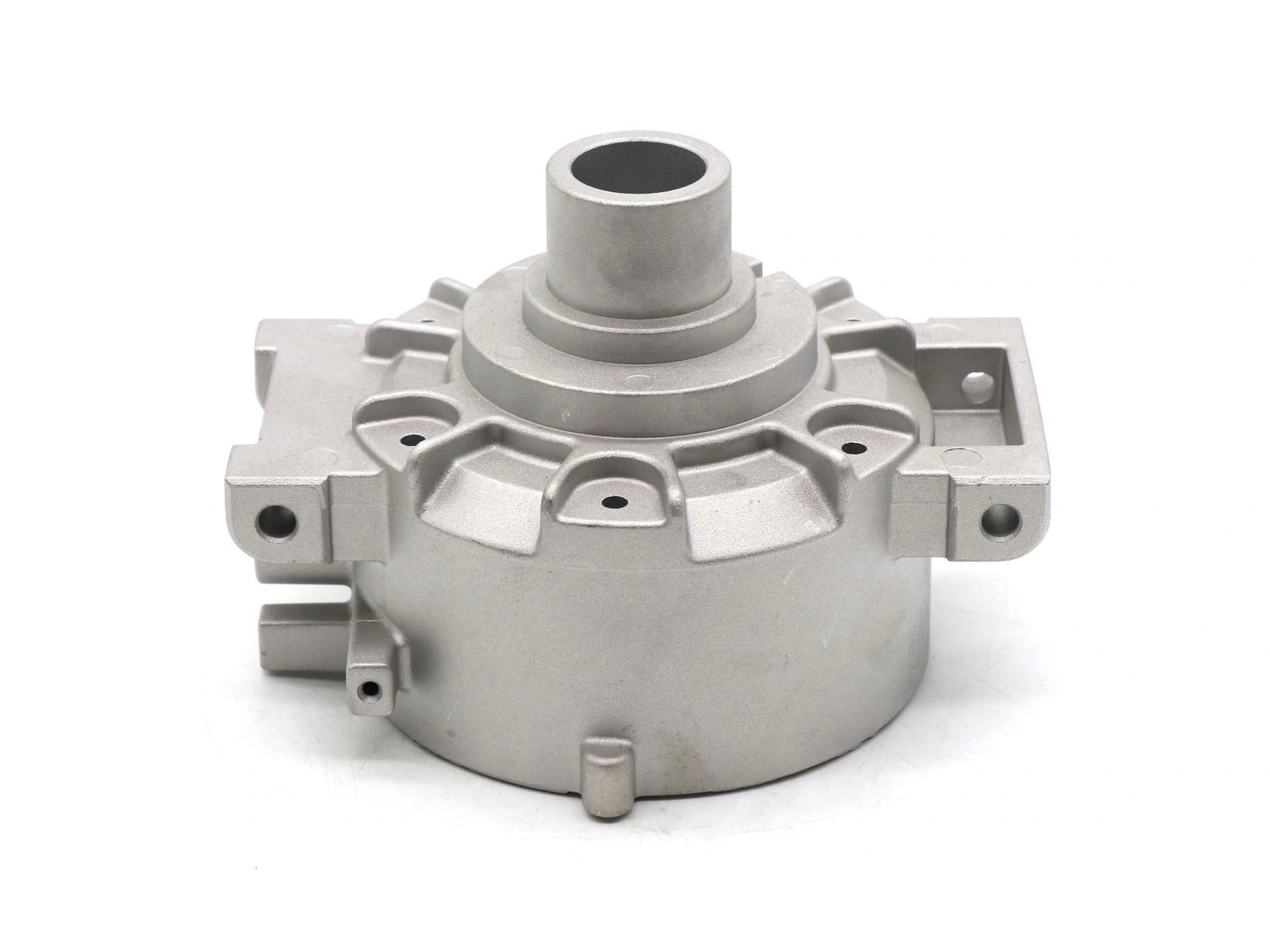
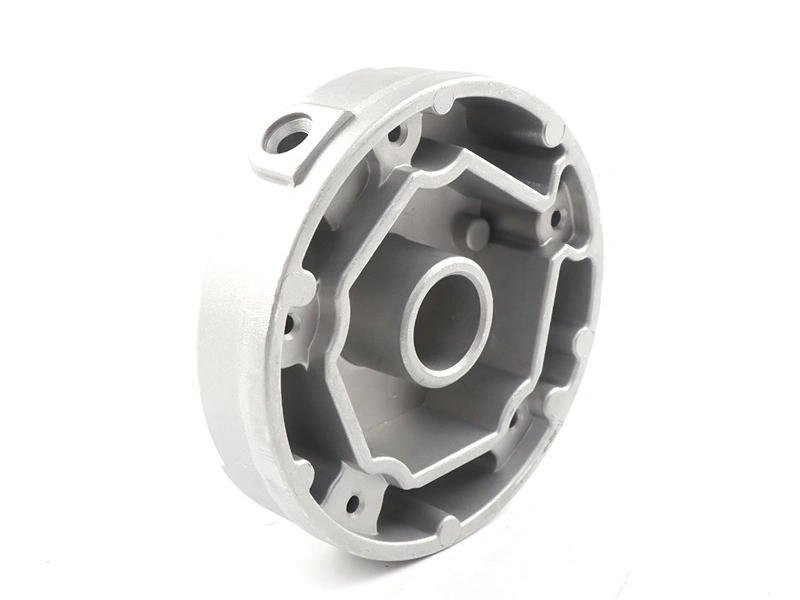
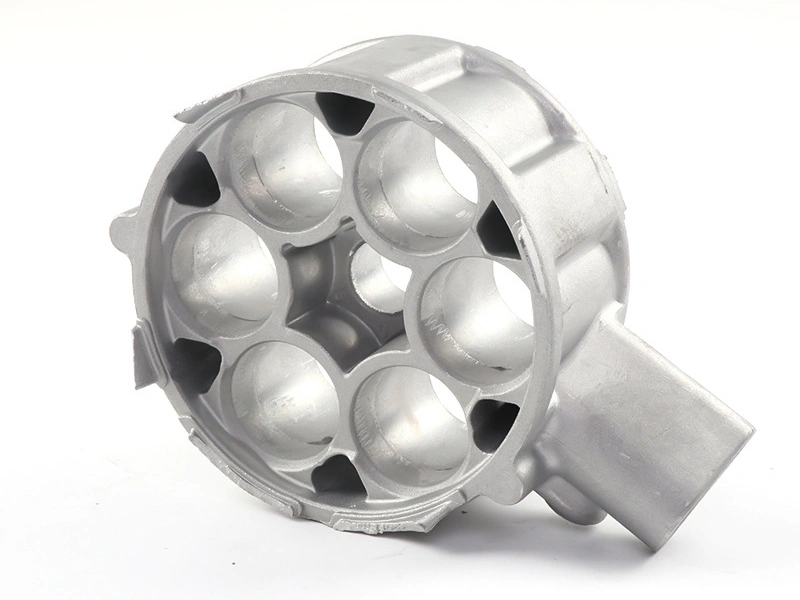
Custom aluminum casting is usually better than full CNC machining when the part has complex geometry, repeated production demand, non-flat exterior shape, ribs, bosses, internal cavities or a large amount of material that would be wasted in billet machining. CNC machining is still important, but it is used to finish holes, datum faces, sealing areas and tight-tolerance features after the casting forms the main shape.
Full CNC machining can be the better route when the quantity is very low, the design is still changing, the part is mostly prismatic, or nearly every surface requires high precision. Casting becomes stronger when the design is stable enough for tooling and the buyer needs repeatable aluminum parts at a controlled production cost.
Buyers comparing routes can review CNC machining versus casting for a broader process comparison before choosing tooling.
Compare the same finished condition. CNC may fit 1-20 changing samples, while casting becomes more attractive when repeat demand can amortize tooling and most geometry can remain near-net. A casting quote must still include local machining, finish and inspection; otherwise it cannot be compared with a finished CNC part quote.
Use preliminary geometry and volume gates to make the first comparison. Full CNC machining can be efficient for 1-20 validation pieces and can hold selected features near +/-0.05 to +/-0.10 mm without casting tooling. Sand casting may become practical from roughly 5-500 parts, while permanent mold and die casting need progressively stronger tooling justification. These ranges only screen the RFQ; annual demand, wall thickness, alloy, surface requirements and the amount of finish machining decide the actual break-even point.
Route Comparison for Custom Aluminum Parts
Decision Item | Custom Aluminum Casting | Full CNC Machining |
|---|---|---|
Best geometry | Ribs, bosses, housings, covers, curved walls and cast shapes | Flat plates, blocks, simple pockets and frequently changing designs |
Upfront cost | Tooling cost is required before stable production | No casting die, but machining time can be high |
Unit cost at volume | Often lower when the design is stable and volume repeats | Can remain high when much material must be removed |
Design flexibility | Tooling changes cost time and money after release | More flexible for early design changes |
Precision features | Critical areas usually need CNC after casting | Precision can be built directly into the machining route |
Cost and Material Removal
The biggest economic difference is material removal. A full CNC route may start with a large aluminum block and remove most of it to create a housing shape. That can create high material waste, long machining time and higher tool wear. Custom aluminum casting forms the main shape closer to net shape, then uses CNC only where precision is necessary.
This does not mean casting is always cheaper. Tooling, trial samples, process correction and inspection must be included in the total cost. Buyers should compare the cost across the expected life of the part, not only the first sample price. If the order is only a few pieces, CNC may win. If the part will repeat for months or years, casting can become more practical.
When Combining Casting and CNC Is Best
The strongest route for many custom aluminum parts is not casting alone or CNC alone. It is casting plus CNC machining. The die forms the shape, ribs, bosses and covers. CNC machining then finishes threaded holes, gasket faces, bearing bores, connector openings, flat mounting surfaces and datum-controlled areas.
Buyers should mark those features in the drawing. The supplier then plans machining allowance, fixture location and inspection. Without this coordination, a casting may look good but fail when holes do not clean up or datum surfaces do not align. For fit-related projects, reducing full CNC machining work on aluminum casting parts helps buyers decide what should remain machined and what can stay as-cast.
Buyer Confirmation Before Selecting the Route
Before choosing custom aluminum casting, buyers should confirm annual volume, expected design stability, alloy requirement, critical features, cosmetic surfaces, finish route and inspection evidence. A part that is still changing should not be forced into tooling. A part that is already validated and expensive to machine from billet should be reviewed for casting.
The buyer should also ask what will happen after the first sample. If the project only needs one visual prototype, full CNC machining may be faster. If the project needs monthly batches, the cost of machining away large volumes of aluminum can become a long-term burden. A casting route makes more sense when the design is mature enough that tooling corrections will not absorb the savings.
Common Misjudgments When Comparing Routes
One common mistake is comparing a CNC prototype price with a production casting price without including tooling. Another mistake is comparing only the raw casting price with a finished CNC part price. Buyers should compare equivalent finished parts: material, machining, finish, inspection, packing and repeat order conditions. Otherwise the route comparison will look cheaper on paper but fail during production release.
Another misjudgment is assuming that casting removes all machining. Custom aluminum casting reduces unnecessary material removal, but it does not replace precision machining for functional interfaces. Holes, threads, datums and sealing faces still need controlled CNC work when the assembly requires it.
A good RFQ comparison should ask both suppliers for the same finished condition. If the CNC quote includes anodizing, inspection and packing, the casting quote should include those items too. If the casting quote includes only raw castings, it cannot be compared directly with a complete machined part. Buyers should request line items for tooling, casting, CNC machining, finish and inspection so the route decision is based on equal scope.
Neway can support route review through aluminum die casting, CNC machining after casting, surface finishing and inspection. The best route protects the part function while controlling long-term production cost.