When Should Buyers Choose High Pressure Die Casting Aluminum?
When Should Buyers Choose High Pressure Die Casting Aluminum?
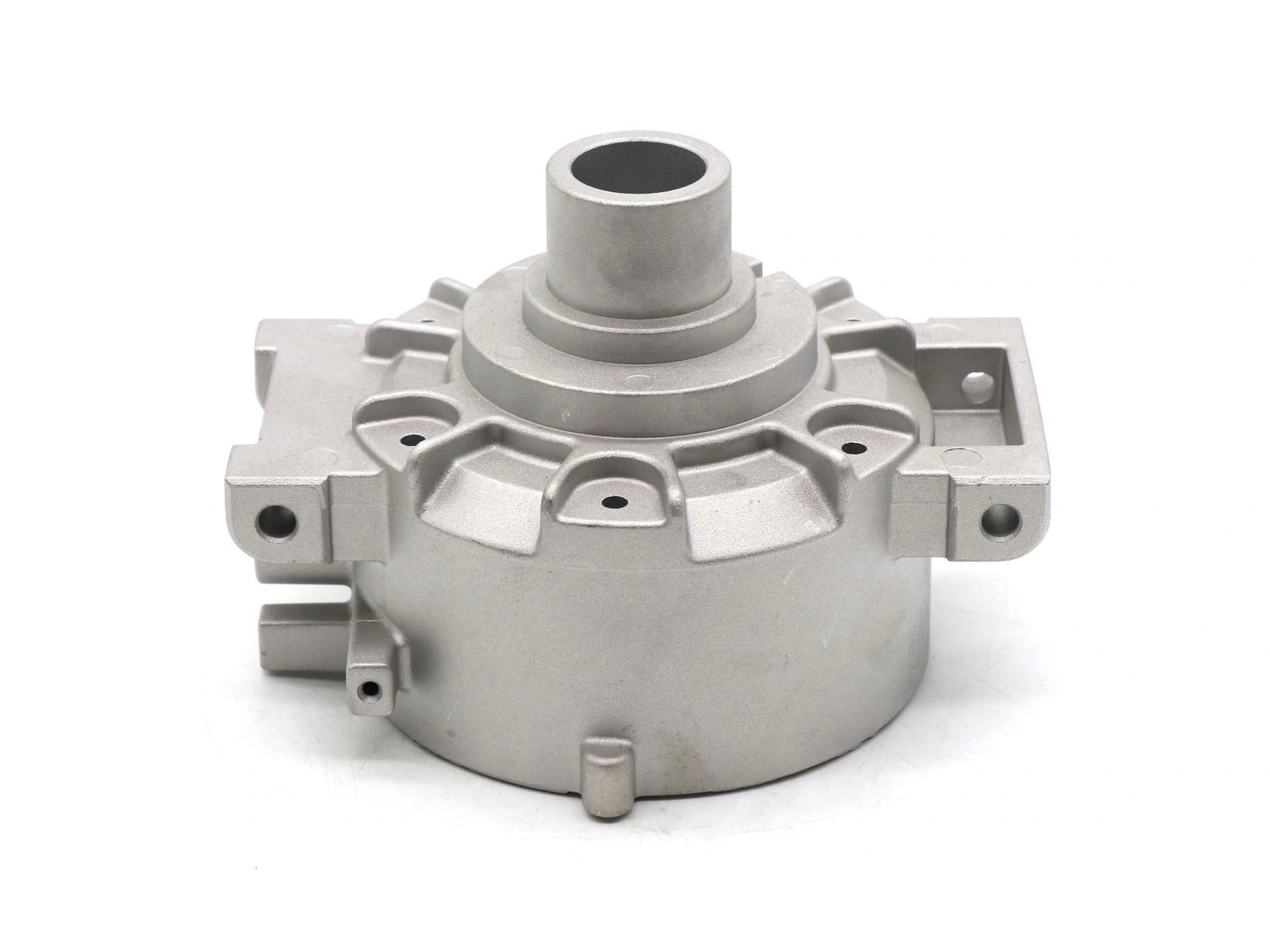
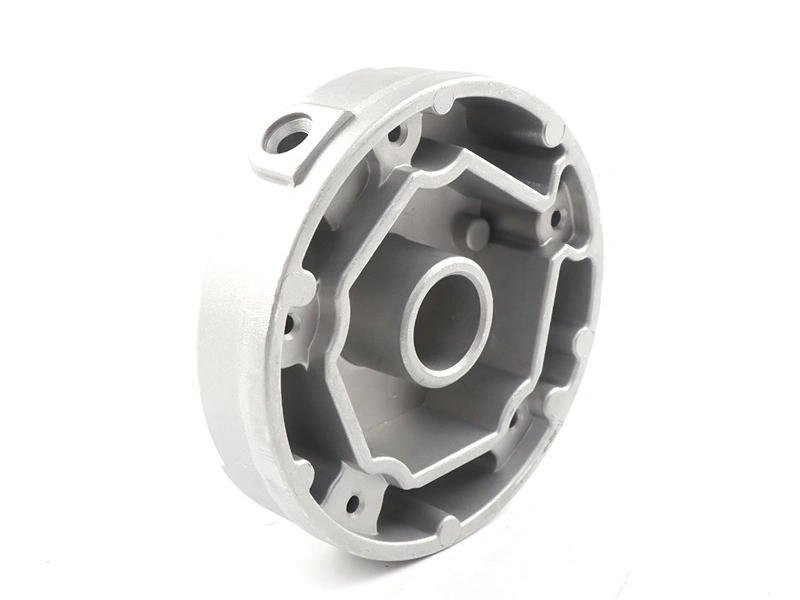
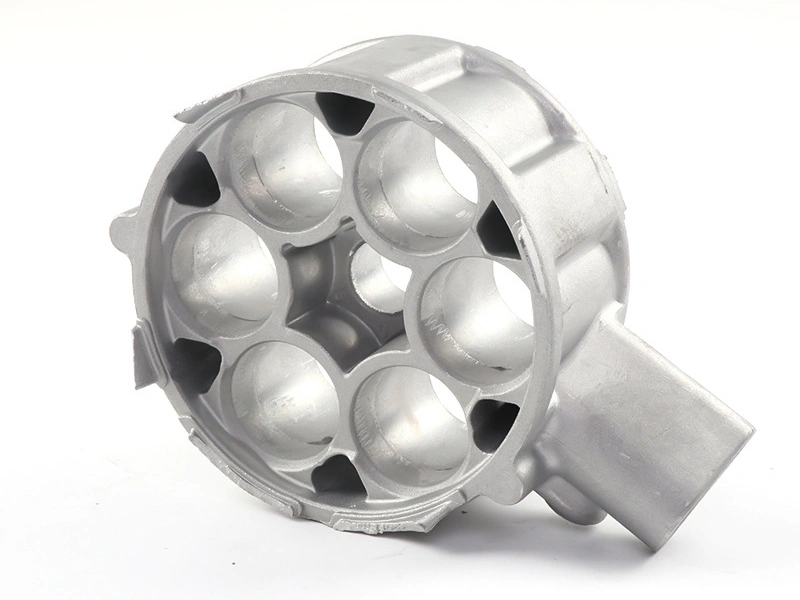
Buyers should choose high pressure die casting aluminum when the part needs repeat production, complex aluminum geometry, thin walls, ribs, bosses, stable unit cost and local CNC machining for critical features. The process is especially useful for aluminum housings, covers, heat sink bodies, motor parts, lighting components, brackets and electronic enclosures where the main shape can be cast and selected areas can be machined after casting.
HPDC aluminum becomes attractive when production volume can justify tooling. The tool is more expensive than a simple prototype method, but it can create consistent parts with short cycle time after approval. If the design is stable and the buyer expects repeat orders, HPDC can reduce the amount of machining compared with billet machining because the casting forms most of the geometry.
The route should be reviewed carefully when the part has pressure-tight features, thick bosses, cosmetic surfaces, tight tolerance across many faces or a very low first order quantity. These conditions do not automatically reject HPDC, but they change the engineering plan. The supplier may need stronger DFM review, local design changes, better venting, CNC machining, leak testing or a staged prototype plan.
For HPDC fit, buyers can review high pressure aluminum die casting for precise custom parts and whether aluminum pressure die casting fits production volume.
HPDC Aluminum Fit Check
Project Condition | HPDC Aluminum Fit | Buyer Action |
|---|---|---|
Thin-wall housing or cover | Strong fit when wall thickness and flow are reviewed | Request DFM for gates, parting line and ejector marks |
Annual production demand | Strong fit when volume spreads tooling cost | Provide first order quantity and expected yearly demand |
Many machined precision features | Possible, but machining scope must be planned | Mark threaded holes, bores, datums and sealing faces |
Very low quantity only | Often weak fit because tooling cost may dominate | Compare prototype casting, CNC machining or bridge tooling |
Pressure or leak requirement | Possible only with careful porosity and inspection control | Define leak rate, sealed areas and test method |
Premium visible surface | Possible with realistic cosmetic standards | Mark A-side surfaces and finish acceptance rules |
Volume and Tooling Decision
HPDC aluminum is usually strongest when the buyer is moving from validation into regular production. The tool cost can be justified when the same part will be ordered repeatedly and when cycle time matters. For a one-time order of five pieces, machining or prototype casting may be more practical. For thousands of housings or covers, HPDC often creates a better total cost because the part is formed near net shape.
Buyers should compare total manufacturing cost, not only sample price. The total includes die tooling, casting, trimming, deburring, CNC machining, surface finishing, inspection, packaging and possible tool maintenance. A cheaper first sample route may become expensive if it cannot scale. A production HPDC route may look expensive at the start but become competitive once volume is real.
Lead time should be viewed the same way. CNC samples can often appear faster, but they may not prove die casting flow, porosity, gate marks or ejection. HPDC tooling takes longer, yet it proves the production route. Buyers should decide whether the first order is meant to validate shape only or to validate the route that will be used for future supply.
Part Features That Support HPDC
HPDC is a strong fit for parts with ribs, bosses, mounting pads, covers, enclosure walls, cable windows, heat dissipation fins and external shapes that would waste material if fully machined from solid stock. The process can form complex shapes quickly, while CNC machining finishes holes, threads, bores, gasket faces and datum pads.
However, buyers should not expect HPDC to replace all machining. As-cast surfaces are useful for shape, appearance and non-critical geometry. Functional surfaces still need machining when the part must seal, locate, fasten or rotate. Drawings should define which surfaces are allowed as cast and which surfaces require final machining.
Material also matters. A380 and ADC12 are common starting points for many HPDC aluminum parts. A360 or A413 may be reviewed for selected corrosion, fluidity or pressure-related needs. If a drawing names A356-T6, the supplier should check whether the buyer actually needs a heat-treated casting route rather than standard HPDC aluminum.
Buyers should also check the approval path. If the part needs powder coating, leak testing or machined datum relationships, the first acceptable raw casting is not enough. The route is suitable only when the finished sample can prove the same condition the buyer will receive in production.
Neway HPDC Aluminum Review
Neway can review HPDC aluminum projects through aluminum die casting, tooling, CNC machining and surface finishing. The review can confirm whether the part geometry, alloy, quantity, machining scope and finish expectations fit a high pressure die casting route.
The best decision is made before tooling begins. If HPDC is suitable, the buyer can move forward with DFM, die design, trial samples and production release. If the route is weak, the buyer can compare sand casting, gravity casting, CNC machining or a temporary prototype route before committing to expensive tooling.