Which Castable Aluminum Alloys Fit Die Casting, Sand Casting or Gravity Casting?
Which Castable Aluminum Alloys Fit Die Casting, Sand Casting or Gravity Casting?
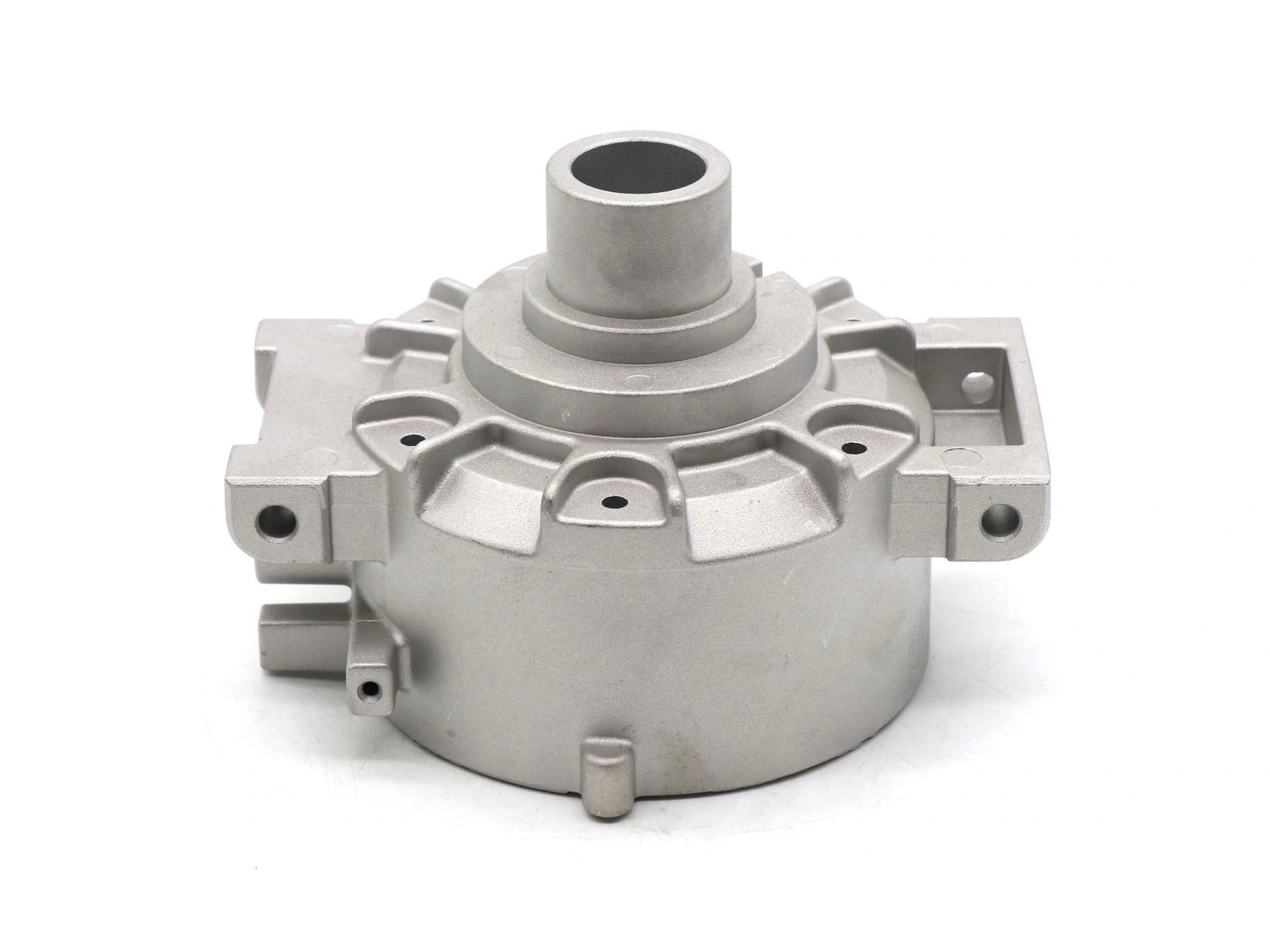
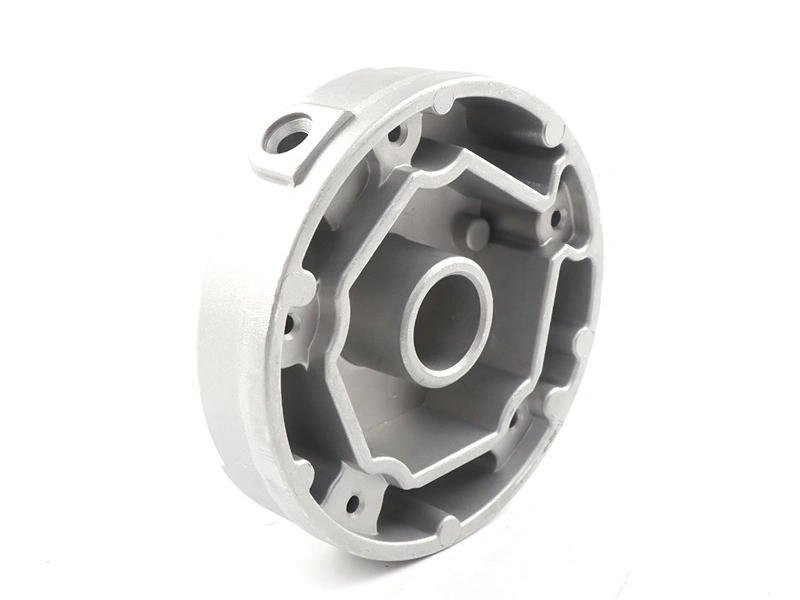
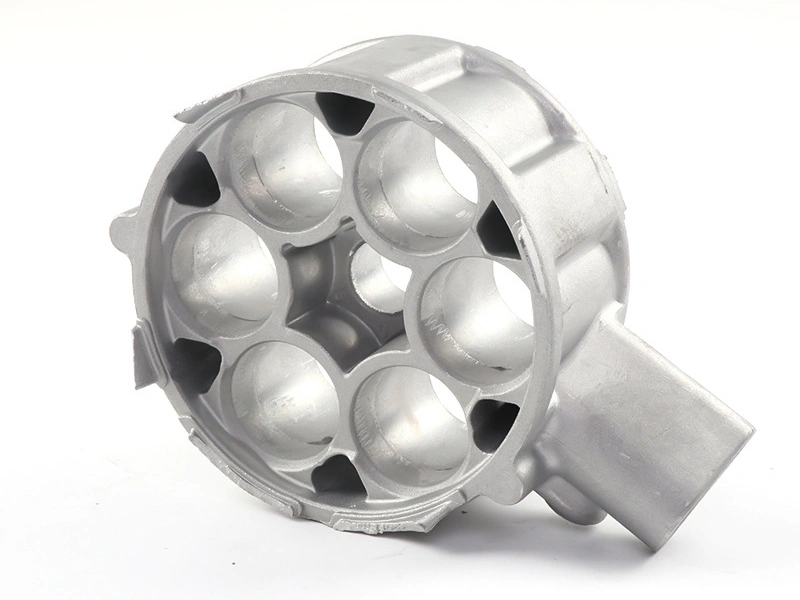
Castable aluminum alloys fit different casting methods based on fluidity, solidification behavior, heat-treatment response, tooling style and production volume. A380, ADC12 and A413 are common choices for high pressure aluminum die casting. A356-T6, 356 and 319-style materials are more often discussed for sand casting, gravity casting or permanent mold casting where heat treatment, thicker sections or structural behavior may matter.
The buyer should not choose the alloy before choosing the process direction. A thin-wall production housing may fit high pressure die casting. A larger structural bracket may fit sand casting or gravity casting. A part requiring heat treatment may need a casting route that supports that material condition. The alloy and casting method should be selected together.
Volume also matters. High pressure die casting needs tooling investment and fits repeat production. Sand casting may be better for lower volumes or larger parts. Permanent mold casting may support repeatability for selected geometries. The right route depends on both engineering and business requirements.
For process matching, buyers can compare aluminum alloys used in high pressure die casting and materials that work best for low-volume sand casting.
Method and Alloy Fit Table
Casting Method | Alloy Direction | Typical Part Fit |
|---|---|---|
High pressure die casting | A380, ADC12, A413 | Thin-wall housings, covers, brackets and production parts |
Sand casting | A356-T6, 356, 319 directions | Larger parts, lower volumes, core features and structural castings |
Gravity casting | 356/A356 and related alloys | Parts needing better mechanical direction than rough prototypes |
Permanent mold | A356 and selected cast alloys | Repeatable moderate-volume parts with suitable geometry |
When Die Casting Alloys Fit Best
A380, ADC12 and A413-style alloys fit best when the part needs high pressure filling, thin walls, repeat production and good tooling economics. These alloys are common for aluminum housings, covers, electronic enclosures, lighting components and industrial brackets. The buyer should still confirm machining and surface finish requirements.
Die casting alloys may not fit well when the buyer expects heat-treated structural properties or decorative anodizing similar to wrought aluminum. Painting or powder coating may be more realistic for many die cast parts.
When Sand or Gravity Casting Alloys Fit Best
A356-T6 and related casting alloys may fit larger parts, structural components or lower-volume programs where heat treatment and thicker sections matter. Sand casting can handle larger shapes and cores but may require more machining and surface finishing. Gravity casting or permanent mold casting can offer better repeatability for selected shapes.
Buyers should discuss machining allowance, surface roughness, heat treatment, dimensional tolerance and inspection before choosing these routes. A material chosen for strength still needs a manufacturing plan that can deliver the final dimensions.
How to Choose the Route
Buyers should provide the drawing, material target, quantity, finish, tolerance and application. The supplier can then recommend whether aluminum die casting, sand casting, gravity casting or another route is practical. The recommendation should explain why the alloy and process fit the part.
Neway can help compare casting methods through aluminum die casting and metal casting review. A strong recommendation should connect alloy choice to part function, quantity and finished-part requirements.
Route Selection Example
Consider two aluminum parts. A thin-wall control housing with ribs, bosses and powder coating may fit high pressure die casting with A380 or ADC12 because the part needs fast filling and repeat production. A thicker structural arm with load requirements and machined mounting pads may fit A356-T6 through sand casting or permanent mold because heat treatment and structural behavior matter more than thin-wall filling.
Both parts use castable aluminum alloys, but the right method is different. If the buyer chooses only by material popularity, one part may become too expensive and the other may fail performance requirements. The method should follow the part's function.
Questions Before Selecting a Method
Before choosing die casting, sand casting or gravity casting, buyers should ask how many parts are needed, whether the design is stable, which surfaces are machined, whether heat treatment is required, what finish is expected and what tolerance level is needed. These answers help the supplier filter alloys realistically.
For parts that may move from prototype to production, the buyer should also ask whether the first route can transfer to the future route. A sand cast prototype may prove shape but may not prove high pressure die casting behavior.
Approval Record for Method Selection
After selecting the method, buyers should record why that method was chosen. The record may state that die casting was chosen for thin walls and production volume, sand casting for low volume and size, or permanent mold for repeatability. It should also record the approved alloy and any required machining or finish.
This record prevents later confusion when a buyer asks for cost reduction or repeat orders. If the process changes, the alloy and validation plan should be reviewed again.
The record should also name the approved drawing revision, finish and inspection level.
That keeps later sourcing decisions controlled.