Which Casting Route Is Best for Custom Aluminum Castings?
Which Casting Route Is Best for Custom Aluminum Castings?
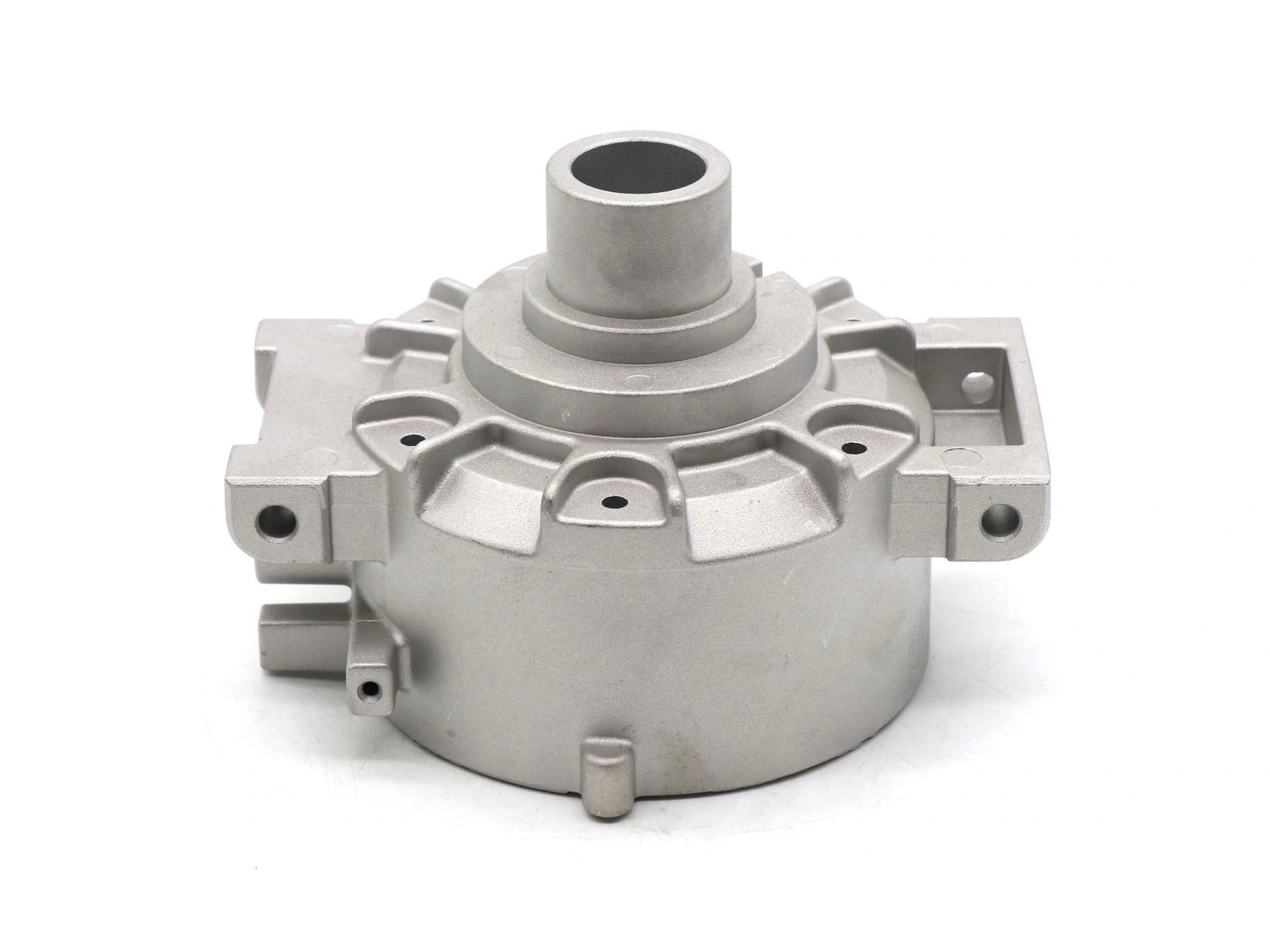
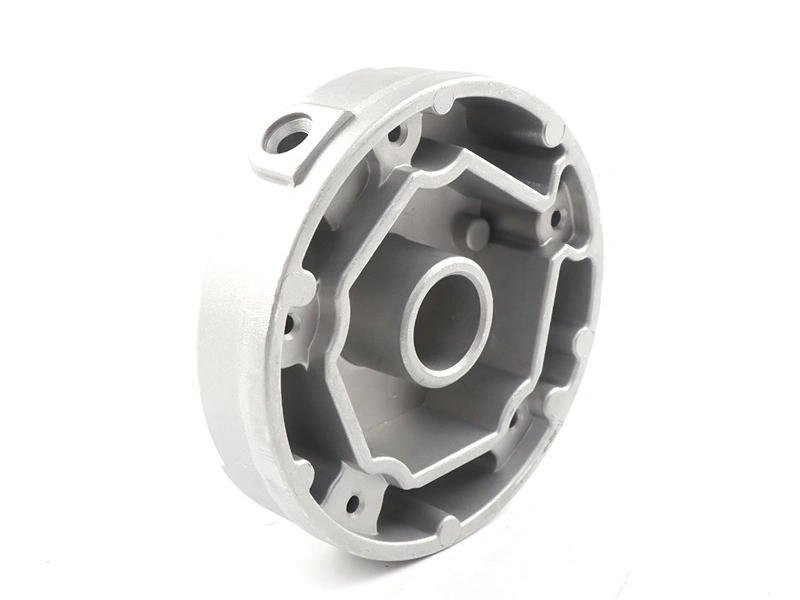
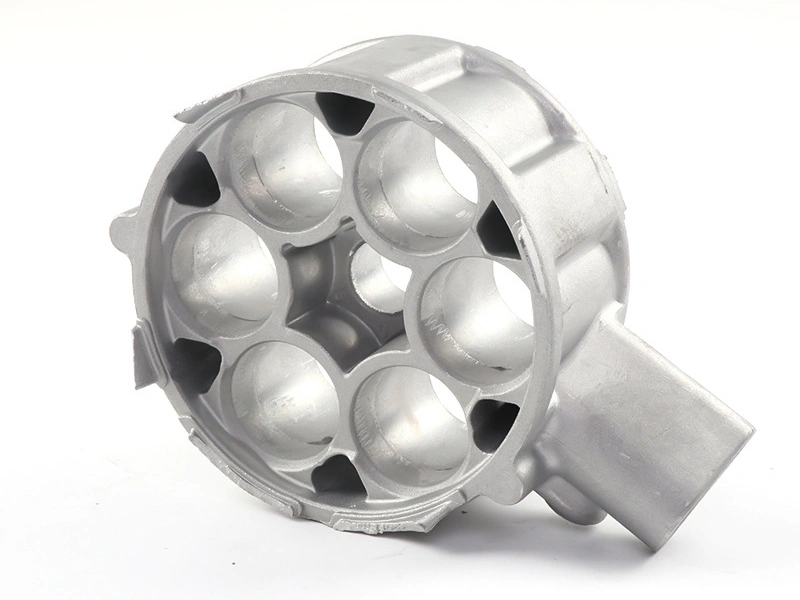
The best casting route for custom aluminum castings is chosen by part size, wall thickness, complexity, alloy requirement, quantity, tolerance, surface finish and production stage. High pressure aluminum die casting fits thin-wall production parts such as housings, covers, brackets and equipment components when repeat volume justifies tooling. Sand casting fits larger parts, lower-volume parts, thick sections and core-heavy shapes. Gravity or permanent mold casting can fit selected parts that need a balance of repeatability, mechanical behavior and moderate tooling investment.
There is no single route that is best for every custom aluminum part. A thin electronics enclosure may use A380 or ADC12 die casting because the part needs repeatable shape, thin walls and stable unit cost. A structural bracket in A356-T6 may use sand casting or gravity casting because the heat-treated alloy direction and section thickness matter more than thin-wall die casting speed. A first prototype may use CNC machining or prototype casting if the design is still changing.
The buyer should ask the supplier to explain the route decision in engineering language. A useful recommendation should mention wall thickness, undercuts, ribs, bosses, expected porosity risk, machining allowance, finish, inspection and quantity. If the supplier only names a process without explaining why it fits the drawing, the quote may not reflect the actual manufacturing risk.
For route selection, buyers can review how to avoid choosing the wrong aluminum casting process and how aluminum casting parts balance cost and performance.
Route Selection for Custom Aluminum Cast Parts
Route | Best Fit | Material Direction | Buyer Watch Point |
|---|---|---|---|
High pressure die casting | Thin-wall housings, covers, heat sink frames, brackets and production parts | A380, ADC12, A360 or A413 direction after review | Tooling cost, porosity control, gate marks and post machining |
Sand casting | Larger cast aluminum parts, lower volumes and shapes with cores | A356 or A356-T6 direction when suitable | Rougher surface, wider tolerance, pattern change and machining allowance |
Gravity casting | Medium-volume parts needing better repeatability than sand casting for selected geometries | A356-type materials may be reviewed | Tooling limits, wall thickness and slower cycle than HPDC |
Prototype casting | Validation before production tooling when cast behavior must be tested | Chosen to match the later route as closely as possible | Must define what the prototype is supposed to prove |
CNC from billet | Very early fit or shape validation before casting design is frozen | 6061 or another machinable aluminum may be used | May not represent casting defects, wall behavior or production cost |
How Quantity Changes the Route
Quantity changes the economic route. A one-time order of five large parts rarely justifies high pressure die casting tooling. A production program of 10,000 housings may justify die casting because tooling cost can be spread across repeat output and machining can be limited to functional areas. Between these extremes, buyers may compare prototype casting, bridge tooling, permanent mold tooling or CNC machining.
Buyers should provide both first order quantity and expected annual volume. A supplier may recommend a lower tooling route for 20 validation parts and a production die casting route after the design is approved. This staged decision can prevent heavy tooling investment while the product is still changing, but it also keeps the project moving toward a scalable production method.
How Alloy Choice Changes the Route
Alloy choice can eliminate some routes. A380 and ADC12 are common for aluminum die casting because they cast well in high pressure tooling. A356-T6 is commonly associated with sand casting, gravity casting or permanent mold casting where heat treatment is part of the plan. If a buyer requests A356-T6 but also asks for high pressure die casting, the supplier should clarify the requirement instead of quoting blindly.
Finish requirements also change the decision. A part that needs black powder coating can often be handled after die casting or sand casting if surface defects and masking are defined. A part that needs a premium anodized appearance may require careful alloy and process review because die cast aluminum can anodize differently from wrought 6061 or 6063. The casting route should be selected together with finish expectations, not after the tool is built.
Tolerance requirements should be checked at the same time. Many custom aluminum castings can hold general dimensions as cast, but sealing faces, threaded holes, bearing bores and locating surfaces normally need CNC machining. If the buyer expects every surface to meet machined tolerance, the route may shift toward casting plus machining or even CNC from billet for early validation.
Neway Route Review for Custom Aluminum Castings
Neway can review custom aluminum casting projects through aluminum die casting, sand casting direction, CNC machining and surface finishing requirements. The route review can compare geometry, alloy, quantity, machining features and finish so the buyer understands why one path is more suitable than another.
A strong route decision should end with a clear manufacturing plan: which features are cast, which features are machined, which finish is applied, which inspection method proves the critical dimensions and what must be approved before production release. That makes the casting route a controlled decision rather than a process label.