Why Is There No Single Best Aluminum Alloy for Casting?
Why Is There No Single Best Aluminum Alloy for Casting?
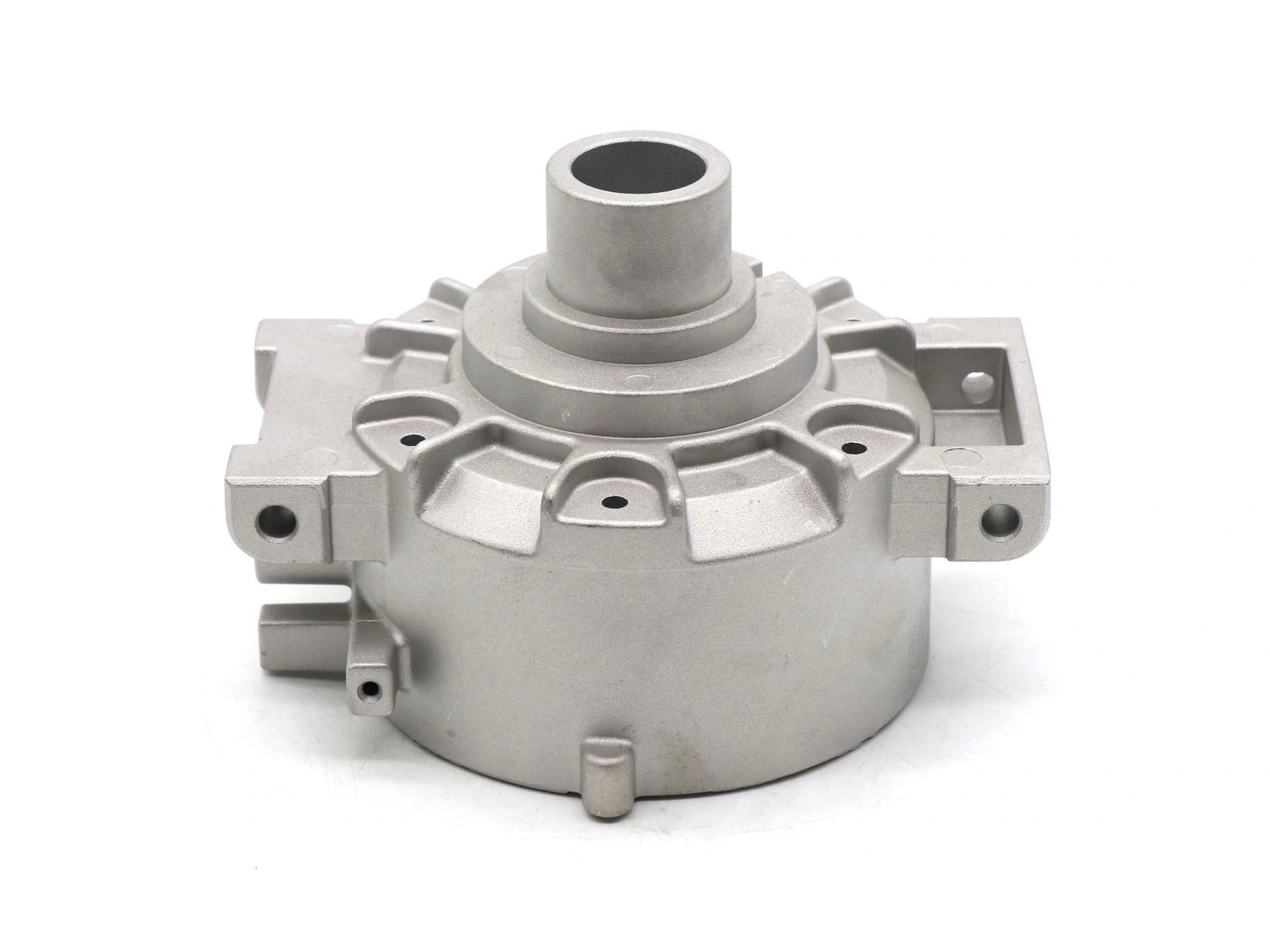
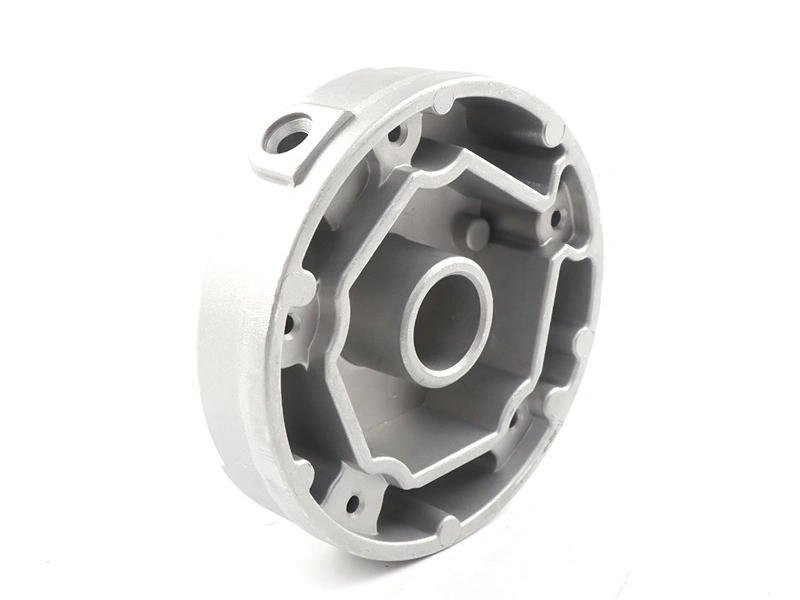
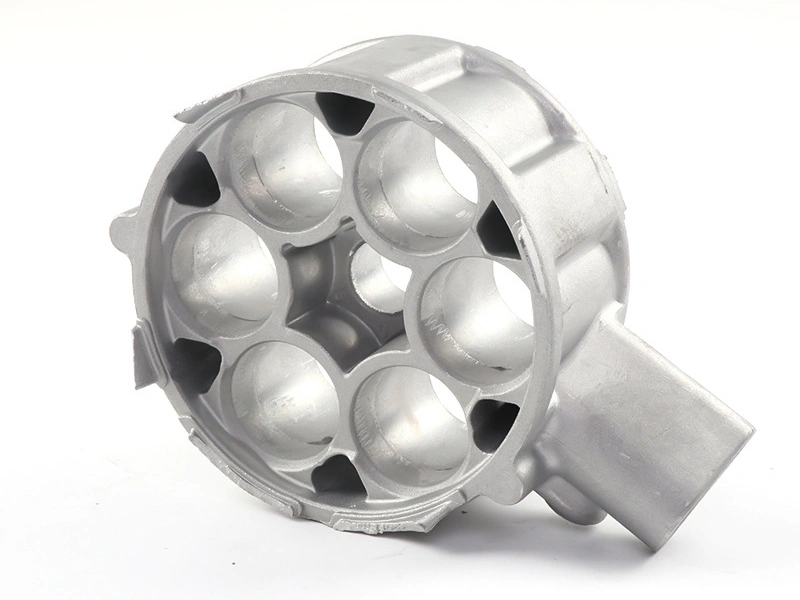
There is no single best aluminum alloy for casting because alloy choice must match the casting method, part function, production volume, mechanical requirement, surface finish, machining scope and inspection risk. A380 may be practical for many high pressure die cast housings. A356-T6 may be better for selected sand cast or gravity cast structural parts. A360 or A413 may be reviewed for corrosion direction, fluidity or pressure-related needs. The best alloy is the one that works in the finished manufacturing route.
A buyer should not choose an alloy from a simple ranking chart. Charts can show useful properties, but they cannot know whether the part is a thin enclosure, pump cover, load bracket, heat sink frame or low-volume prototype. The same alloy can perform well in one design and create cost or quality problems in another. Geometry, wall thickness, gating, porosity risk, heat treatment, CNC machining and coating all change the answer.
The buyer's first question should be: what does the finished part need to prove? If the part needs thin walls and repeat production, HPDC alloys such as A380 or ADC12 may be strong candidates. If the part needs heat-treated structural properties, A356-T6 may need review. If the part needs decorative anodizing, a cast alloy may not match wrought 6061 or 6063 appearance. A good supplier should explain these trade-offs instead of naming one alloy as universally best.
For alloy selection context, buyers can review aluminum die casting alloy options and how aluminum alloy die casting should match product function.
Why Alloy Choice Changes by Requirement
Buyer Requirement | Alloy Direction to Review | Reason |
|---|---|---|
Thin-wall production housing | A380 or ADC12 | Common HPDC choices with practical casting and cost balance |
Outdoor structural casting | A356-T6 or corrosion-reviewed alloy direction | Strength, heat treatment and environment matter |
Pressure-related die casting | A360, A413 or controlled A380 direction after review | Porosity, sealing and leak testing drive the decision |
Cosmetic powder coated part | A380, ADC12 or route-specific recommendation | Surface preparation, masking and coating standard are important |
Decorative anodized appearance | Cast alloy review or wrought aluminum alternative | Silicon content and casting texture affect color consistency |
Process Fit Matters More Than Material Name
A material can be technically strong but still unsuitable for the selected process. A356-T6 is often useful for heat-treated structural castings, but it is not the normal default for high pressure die casting. A380 works well for many HPDC parts, but it may not be the best answer for a low-volume thick structural sand casting. ADC12 may be convenient for certain supply chains, but the buyer must confirm equivalent standards and documentation.
Process fit includes tooling, filling behavior, solidification, shrinkage, porosity, machining allowance and finish. A buyer who only asks for "the strongest aluminum" may receive a recommendation that misses cost, castability or finishing reality. A better request explains the part's function, expected quantity, finish, critical dimensions and environment.
The approval condition matters as well. A part may need a material certificate, a first article report, a coating thickness record or a leak test. These requirements can make one alloy and route easier to document than another. Buyers should include documentation needs in the alloy conversation, especially for regulated or customer-audited programs.
How Buyers Should Ask the Question
Instead of asking "What is the best aluminum alloy?", buyers should ask "Which aluminum alloy fits this part, this casting method and this approval requirement?" That question forces the supplier to look at the drawing. It also makes the supplier explain whether the part should be die cast, sand cast, gravity cast or machined during early validation.
For example, an electronics housing may prioritize thin walls, EMI shielding, powder coating and machined connector holes. A pump cover may prioritize sealing, porosity control and machined gasket faces. A bracket may prioritize load path and hole location. These parts should not be evaluated by the same generic alloy answer.
Another useful question is whether the alloy must match an existing part. Replacement programs often have drawings, legacy material notes and customer standards. New projects may allow a better manufacturing route. The supplier should know whether the buyer wants exact material continuity or an engineering recommendation for a new production method.
Buyers should also define how the selected alloy will be verified. A first article package may include a material record, dimensional report, machined surface review, finish sample and functional assembly check. For pressure-related parts, leak testing or X-ray review may be needed. Verification requirements can change whether an alloy is practical for the program.
Neway Alloy Selection Support
Neway can review alloy selection together with aluminum die casting, casting route selection, CNC machining, surface finishing and inspection. The review can compare A380, ADC12, A360, A413, A356-T6 or other practical directions based on the buyer's actual part.
The practical output should be a route-and-alloy recommendation: which alloy is assumed, why it fits the casting method, what features need machining, what finish limitations exist and what inspection is needed for approval. That is more useful than a one-line material ranking because it helps the buyer source the finished part with fewer surprises.